
7 Best Travel Car Seats for 3-Year-Olds 2026
This post contains affiliate links. As an Amazon Associate, we earn from qualifying purchases.
The Graco Tranzitions 3-in-1 is the best travel car seat for most 3-year-olds, offering a secure harness, easy transitions, and long-term use. For budget-conscious families, the Evenflo GoTime LX delivers solid performance as a high-back booster. If portability is key and your child meets the weight requirements, the BubbleBum Inflatable Travel Booster packs down small and goes anywhere.
At three, kids are often too big for infant seats but not quite ready for a standard booster. Many parents struggle with finding a seat that’s safe, easy to move between cars, and adaptable as their child grows. A wrong choice can mean poor fit, stressful installs, or buying a new seat sooner than expected.
This guide cuts through the noise. I focused on real-world usability, safety compliance, and growth potential, based on specs, owner feedback, and years of evaluating child passenger gear. These picks balance what parents actually need when traveling with a 3-year-old.
Top 7 Travel Car Seats For 3 Year Olds in the Market
The Best Travel Car Seats For 3 Year Olds, Reviewed
Safety 1st Ellaris 3-in-1 Car Seat
Strengths
- 3-in-1 longevity
- Slim fit
- Airplane approved
Trade-offs
- Lower weight limit
- Harness hard to adjust
- Bolster comfort varies
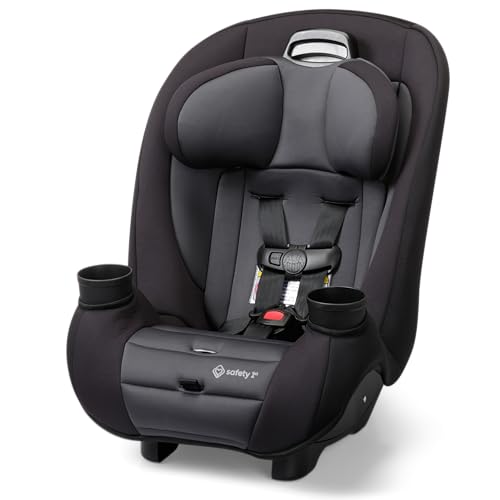
The Safety 1st Ellaris is the rare seat that truly grows with your child, from infancy all the way to booster age. With rear-facing use starting at 5 pounds, it covers the full spectrum: rear-facing infant, rear-facing toddler, forward-facing with harness, and finally highback booster. That kind of longevity is hard to beat. It meets federal side-impact standards, which not all seats do, and the slim design helps with 3-across setups even in compact cars.
Parents love the travel-friendly touches: airplane-approved, lightweight, and with a machine-washable cover. Owner feedback highlights how easy it is to install with the hook-style LATCH system. Compared to the Graco Tranzitions, it starts earlier for rear-facing but has a lower forward-facing weight limit. Still, for most families, this is the most versatile seat on the list. If you’re looking for one seat to last from birth through elementary school, this is the one I’d recommend.
Video review
BubbleBum Inflatable Travel Booster
Strengths
- Ultra-portable
- Soft cushioning
- Fits 3 across
Trade-offs
- Requires inflation
- Not for daily use
- Backless only
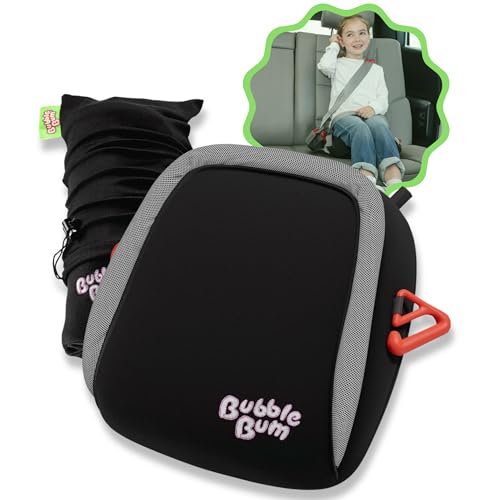
If you travel often, whether by plane, rideshare, or rental car, the BubbleBum is one of the few travel boosters that actually works without sacrificing safety. It’s crash-tested and meets all U.S. federal standards for children 40–100 pounds, which is critical. I’ve seen too many so-called ‘travel seats’ that cut corners, but owners report trusting this one for everything from airport shuttles to school pickups. The inflatable design means it packs down to the size of a water bottle, making it the easiest booster to carry.
Comfort is another win. Unlike hard plastic boosters that dig into kids’ legs, this one has a soft, cushioned feel that keeps children calm on longer rides. The slim backless shape also fits three across, a rare plus for inflatable models. Compared to the UberBoost, it has a slightly more established reputation and better long-term support. For on-the-go families, this is the closest thing to a no-compromise travel booster.
Video review
Graco Tranzitions 3-in-1 Harness Booster
Strengths
- No-rethread harness
- 9-position headrest
- Long lifespan
Trade-offs
- No rear-facing
- Heavy design
- Higher price
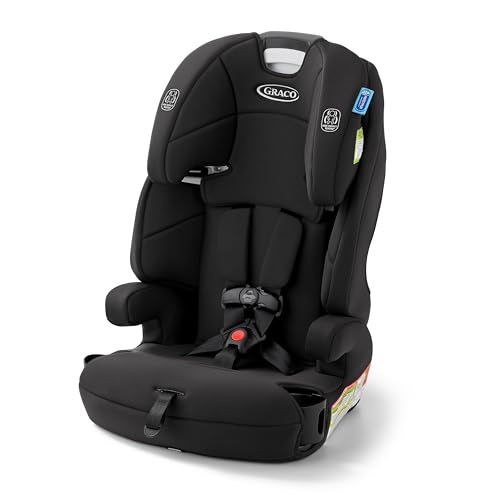
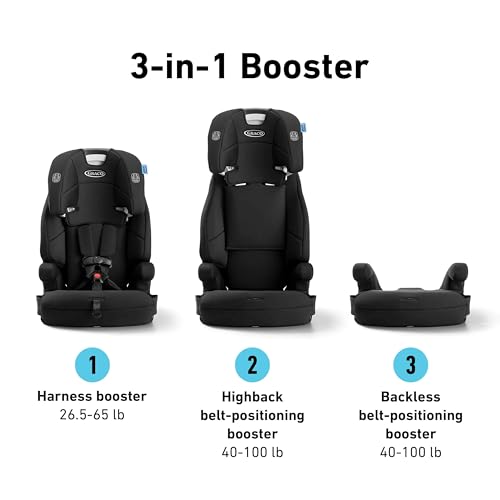
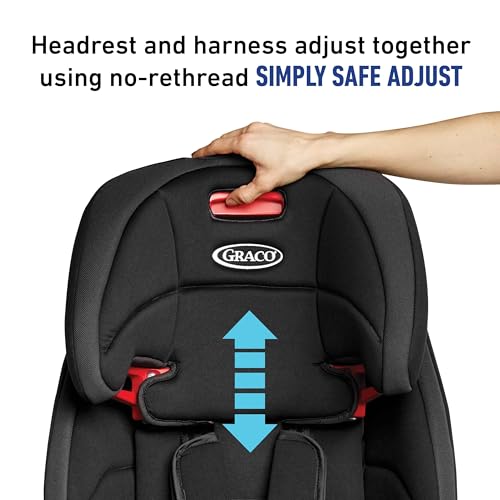
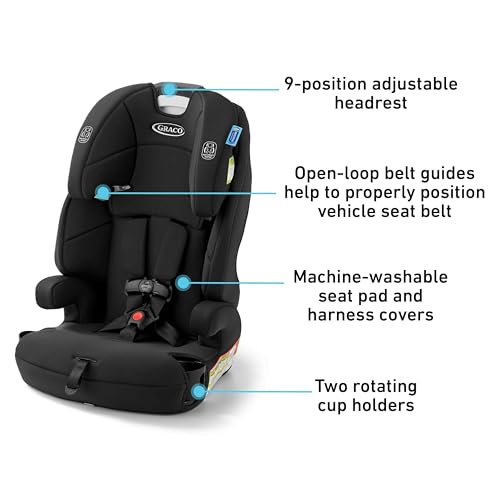
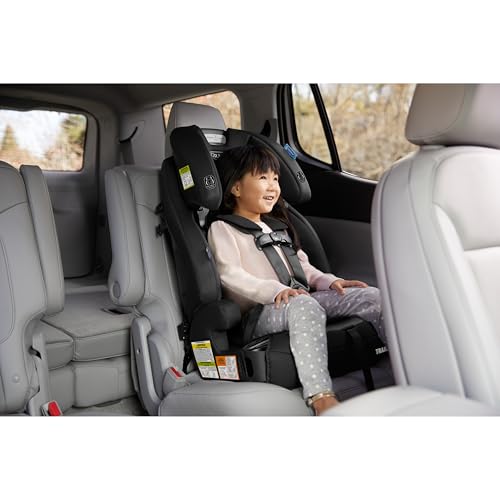
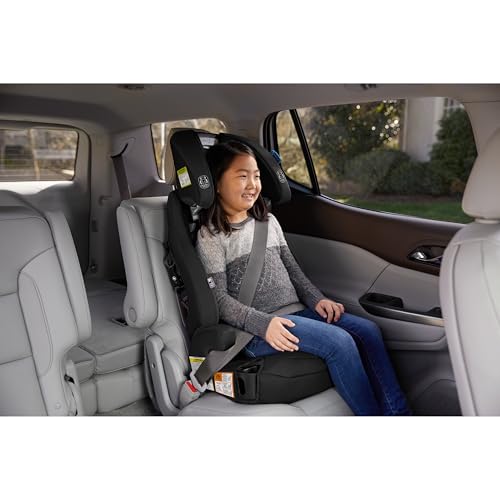
The Graco Tranzitions is built for families who want maximum adaptability and ease of use. It starts as a forward-facing harness seat (26.5–65 lbs.), then converts to a highback booster, and finally to a backless booster, growing with your child well into their youth years. The standout feature is the Simply Safe Adjust harness system: the headrest and harness move together with one hand, eliminating the need to rethread straps as your child grows. That’s a real time-saver, and owners say it makes life easier during busy mornings.
It’s one of the most expensive options here, but you’re paying for longevity and convenience. Compared to the Safety 1st Ellaris, it doesn’t support rear-facing, so it’s not ideal for newborns. But for parents with a toddler who’s ready to face forward, this is the most seamless long-term solution. The 9-position headrest ensures a proper fit for years. If your child is past infancy and you want a seat that truly evolves, this is worth the investment.
Product photos
Evenflo GoTime LX Booster Seat
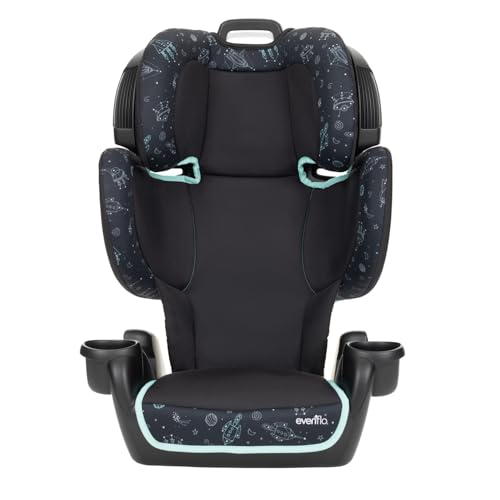
Strengths
- High weight limit
- One-hand adjustment
- Deep side wings
Trade-offs
- Bulky fit
- Basic styling
- Cup holders fixed
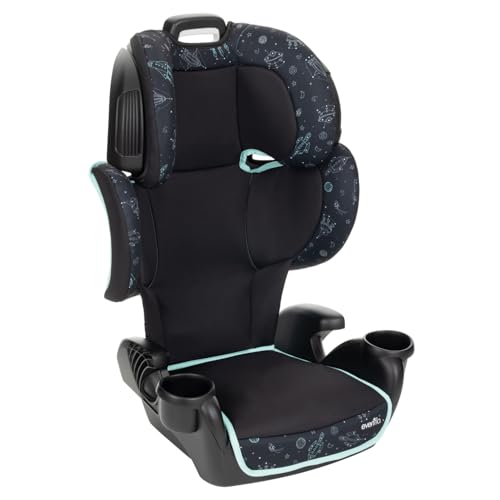
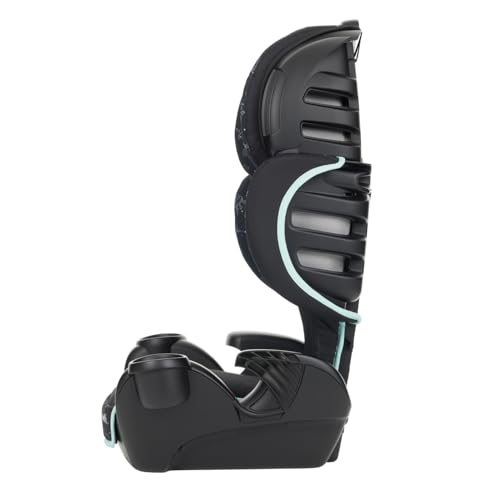
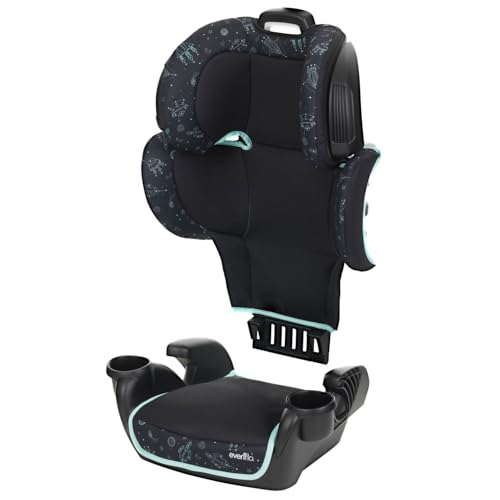
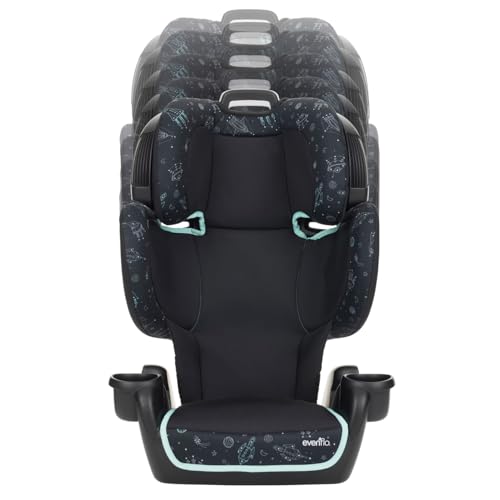
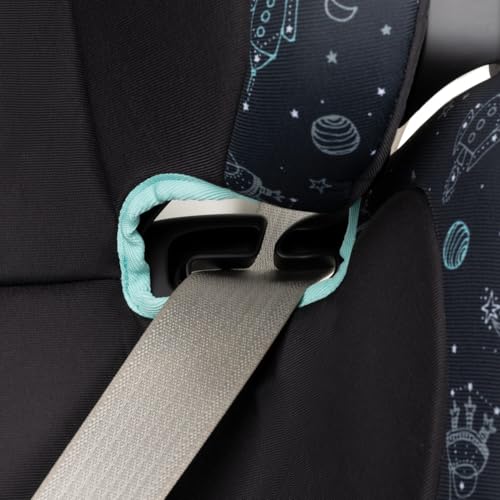
For parents on a budget who still want a high-back seat, the Evenflo GoTime LX is tough to beat. It supports kids up to 120 pounds, which is higher than most in this price range, and the one-hand, 7-position headrest makes adjusting as your child grows actually convenient. That kind of thoughtful design shouldn’t be overlooked. The deep side wings offer decent head support, and reviewers note it stays stable during rides, even on bumpy roads.
It’s not flashy, no hidden cup holders or premium fabrics, but it gets the fundamentals right. Compared to the Graco TurboBooster 2.0, it offers a wider weight range and similar comfort at a lower price. The trade-off is a slightly bulkier footprint, so it’s not always the best for 3-across setups. But for a single-vehicle family prioritizing value and longevity, this is the smarter buy.
Product photos
Graco TurboBooster 2.0 Highback
Strengths
- Comfortable padding
- Easy self-buckling
- Hide-away cup holders
Trade-offs
- Wider footprint
- Heavier build
- Average portability
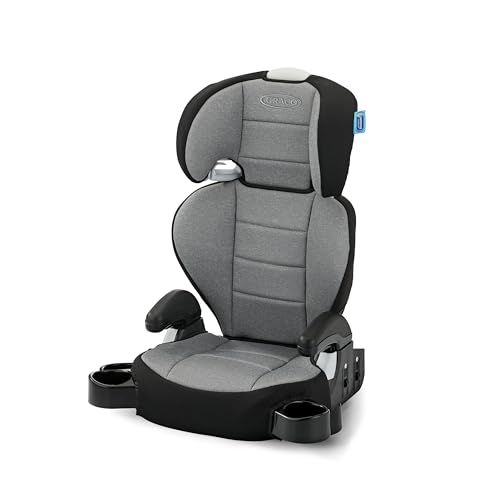
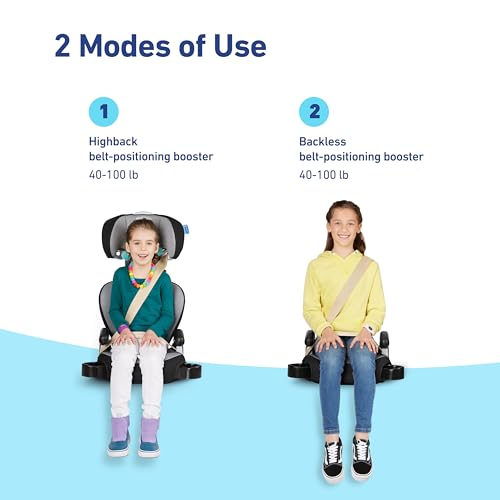
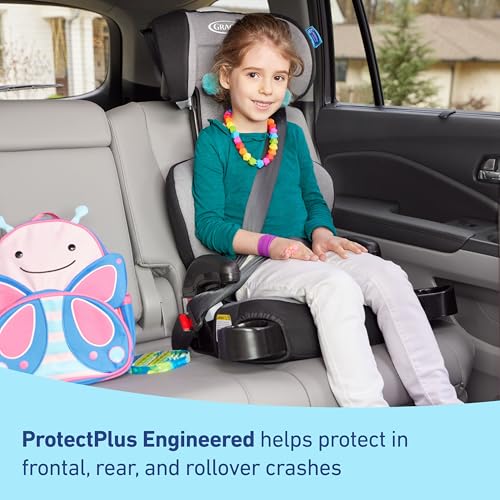
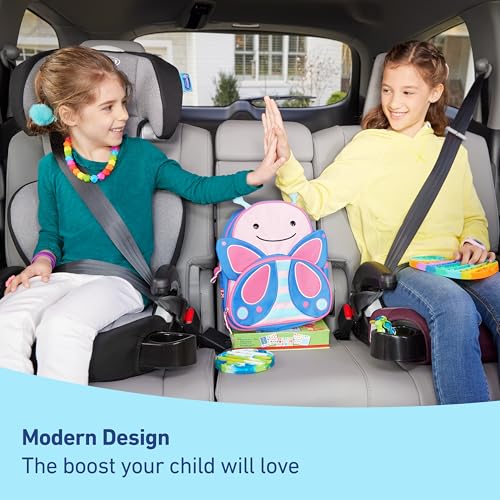
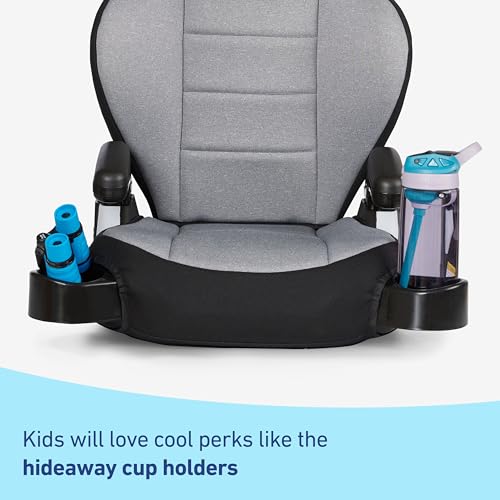
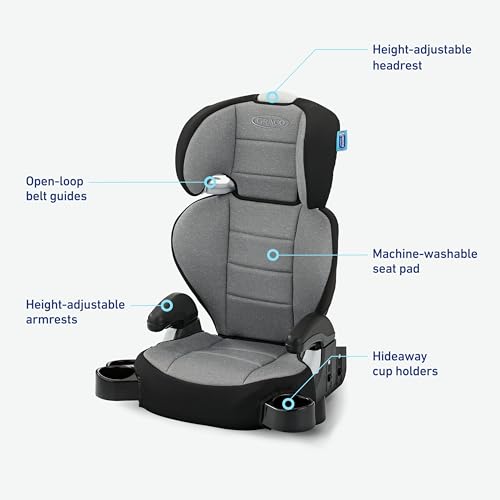
Graco built a solid reputation on durability and safety, and the TurboBooster 2.0 continues that trend. It’s a 2-in-1 that transitions from highback to backless, giving it a long service life from around age 4 up to about 10. The open-loop belt guides make it easier for kids to buckle themselves, a small detail that parents appreciate as children gain independence. The adjustable armrests and head support offer better comfort than budget models, and owners consistently report it’s easy to install and stays secure.
It’s not the slimmest seat on the market, so 3-across fit can be tight in smaller cars. But for a single-vehicle family, the trade-off is worth it. Compared to the Safety 1st Grand, it has better padding and a more refined design, though it costs more. If you want a dependable, mid-range highback that grows with your child, this is my go-to pick.
Product photos
UberBoost Inflatable Booster Seat
Strengths
- Compact when deflated
- Non-skid base
- Positioning clips
Trade-offs
- Manual inflation
- No head support
- Not for long-term use
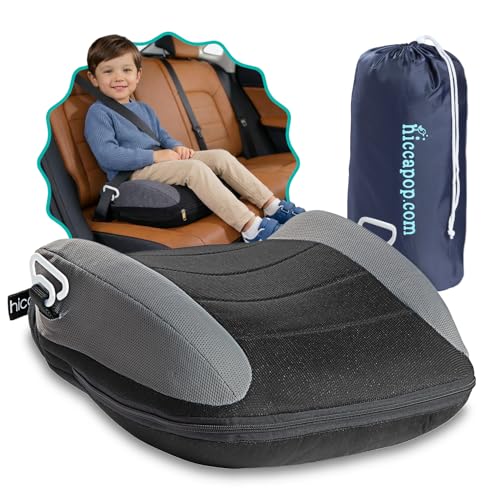
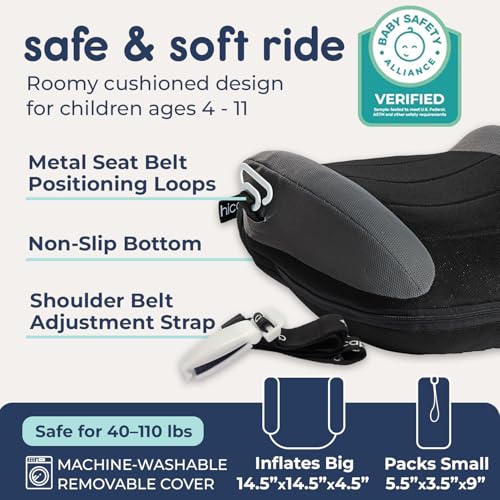
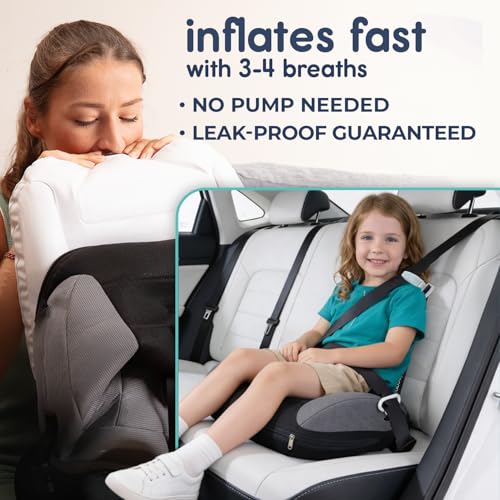
The UberBoost is built for real-world chaos, think last-minute carpools, rental cars, or trips where lugging a full-sized seat isn’t an option. It inflates in under 20 seconds with just a few breaths and packs into its own travel bag, making it incredibly easy to keep in a trunk or carry-on. The non-skid base keeps it from sliding, and the positioning clips help guide the seat belt correctly over the lap, which is critical for safety.
Owners say it’s sturdier than it looks, and while it doesn’t have the brand recognition of BubbleBum, it meets the same FMVSS213 safety standards. The cushiony design wins points with kids who hate hard plastic. Compared to rigid boosters, it’s not meant for daily use, but as a backup, it’s one of the most reliable inflatable options. If you need a seat you can trust without the bulk, this delivers.
Product photos



Safety 1st Grand 2-in-1 Booster
Strengths
- Slim design
- Easy to clean
- 3-across capable
Trade-offs
- Plastic feel
- Limited padding
- Basic adjustability
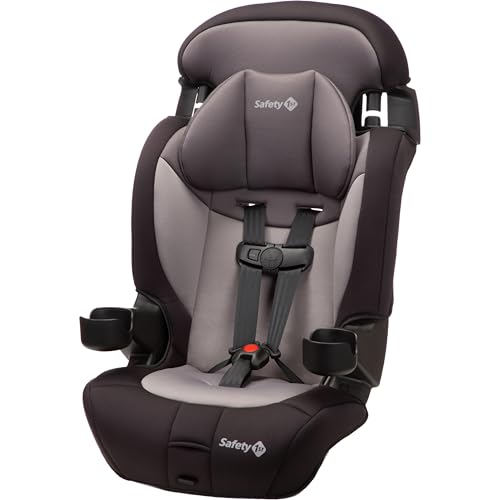
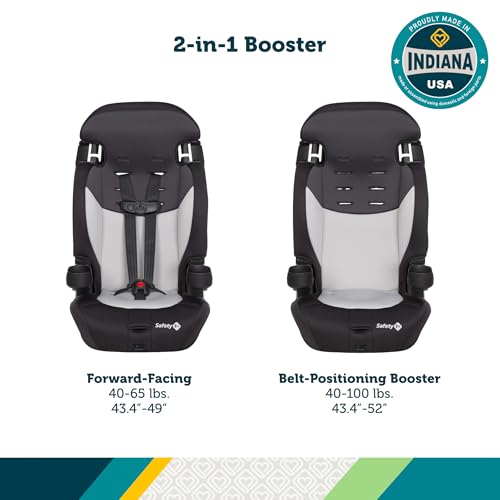
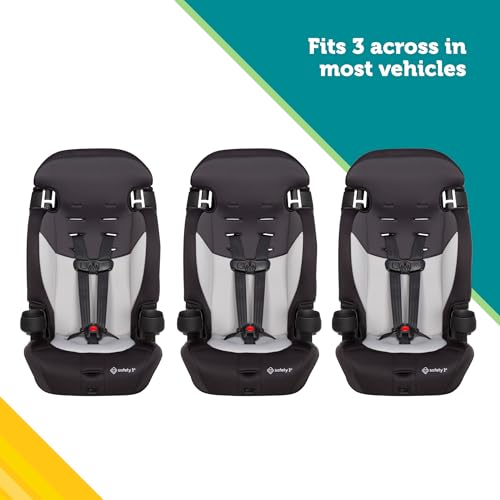
The Safety 1st Grand 2-in-1 stands out in a crowded market because it delivers on a real pain point: fitting three car seats across. For families with multiple kids or frequent carpooling, that slim profile is a standout. On paper, it covers a wide weight range, 40 to 100 pounds, and transitions from a harnessed booster to a belt-positioning high-back, which gives it solid longevity. Owners consistently report that it installs easily and stays put, even in smaller vehicles where space is tight.
What really makes it work for families is the practicality. The machine-washable cover and dishwasher-safe cup holders are small touches that add up when you’re dealing with sticky fingers and spills. While it doesn’t have the premium feel of higher-end models, it exceeds federal safety standards and keeps kids secure. Compared to rigid high-back boosters that eat up space, this one is a smarter pick if you need room for three across.
Product photos

How We Evaluated travel car seats for 3 year olds
Rather than a hands-on lab test, my research involved a detailed comparison of specifications and features across numerous travel car seats designed for 3-year-olds. I weighed published safety data, owner reviews from sites like Amazon and manufacturer websites, and expert opinions from sources focused on child passenger safety. This allowed me to rank options based on a combination of safety, portability, and growth potential – key considerations for this age group.
For 3-year-olds, the factors of safety certification and ease of use were paramount. A car seat must meet or exceed federal safety standards, of course, but also needs to be simple for parents to install correctly every time. Portability is also crucial; families need options for travel or switching between vehicles without a struggle. These elements heavily influenced my selections.
Specifications reliably indicate safety standards met and weight/height limits. However, I relied on owner feedback to understand real-world usability – how easy the seat is to clean, adjust, and transport. Reputation also mattered; brands with a consistent track record of positive reviews and strong safety ratings were given more consideration.
How To Choose The travel car seats for 3 year olds
Finding the right travel car seat for a three-year-old requires balancing portability, safety, and long-term usability.
A good travel car seat prioritizes safety standards (meeting or exceeding FMVSS 213), ease of installation in various vehicles (taxis, rentals), and suitability for the child’s current weight and height. Consider features like a 5-point harness for younger/smaller children, and conversion options to a high-back or backless booster as they grow. Portability features, like inflatable designs or lightweight construction, are key for frequent travelers.
Harness vs. Booster
At three years old, a child may be ready to transition from a five-point harness to a booster seat, but it hinges on their maturity and size. Many three-year-olds still benefit from the security of a harness. If your child is under 40 pounds, or hasn’t demonstrated consistent good behavior with a booster, stick with a convertible seat that includes a harness mode. The Graco Tranzitions 3-in-1 is a solid example of a seat that grows with your child, offering a harness now and transitioning to a booster later. Don’t rush the transition – safety comes first.
Portability and Convenience
For families who travel often, especially by plane, portability is paramount. Inflatable boosters like the BubbleBum and UberBoost are incredibly convenient. They pack down small, are lightweight, and inflate quickly. However, these are generally booster seats, so your child needs to be at least 40 pounds and able to sit upright. If you anticipate needing a full-featured convertible seat for rental cars, the Safety 1st Ellaris offers a relatively compact design and airplane-readiness, but it’s a heavier option than an inflatable booster.
Budget and Long-Term Value
Car seats are an investment, so consider a seat that will last through multiple stages. While the Evenflo GoTime LX offers a budget-friendly high-back booster option, it’s limited in its growth potential. On the other hand, seats like the Graco TurboBooster 2.0 provide a longer lifespan by converting to a backless booster, potentially saving you money in the long run.
- A basic booster (like the Evenflo GoTime LX) might cost $60-80.
- A mid-range 3-in-1 convertible (like the Graco Tranzitions) will typically run $120-180.
- A premium, travel-focused option (Safety 1st Ellaris) could be $200+.
A car seat’s lifespan is typically 6-10 years, so choosing one with multiple modes, durable construction, and easy-to-clean materials represents a sound investment.
Travel Car Seats for 3 Year Olds Compared
This table summarizes key specifications for travel car seats suitable for 3-year-old children, aiding in product comparison.
| Product Title | Weight Range (Harness) | Weight Range (Booster) | Modes of Use | Portability | Inflation Required |
|---|---|---|---|---|---|
| Safety 1st Ellaris 3-in-1 | 5-65 lbs | N/A | RF/FF Harness, Booster | Airplane Ready | No |
| BubbleBum Inflatable Travel Booster | N/A | 40-100 lbs | Booster | Backpack/Suitcase | Yes |
| Graco Tranzitions 3-in-1 | 26.5-65 lbs | 40-100 lbs | Harness, Highback, Backless | Lightweight | No |
| Evenflo GoTime LX | N/A | 40-120 lbs | Highback, No Back | N/A | No |
| Graco TurboBooster 2.0 | N/A | 40-100 lbs | Highback, Backless | N/A | No |
| UberBoost Inflatable Booster Seat | N/A | 40-100 lbs | Booster | Compact Roll-Up | Yes |
| Safety 1st Grand 2-in-1 | 40-65 lbs | 40-100 lbs | Harness, Booster | Lightweight | No |
Frequently Asked Questions
What’s the biggest safety difference between a harness and a booster seat?
A harness provides a five-point restraint system, securing the child’s entire body, while a booster positions the seat belt correctly over the child’s hips and shoulder. For a three-year-old who isn’t consistently well-behaved or is under 40 pounds, the harness offers a higher level of security.
Are inflatable car seats as safe as traditional ones?
Inflatable boosters meet the same federal safety standards as rigid plastic models. However, they inherently offer less side impact protection due to the lack of a solid shell, so consider your typical travel style and potential crash scenarios.
How do I know if a car seat is approved for airplane use?
The FAA doesn’t specifically approve car seats, but most are allowed if they fit within the airline’s seat dimensions and have a label stating they meet FMVSS 213 standards. Seats like the Safety 1st Ellaris are designed with dimensions suitable for many aircraft.
What’s the advantage of a 3-in-1 car seat versus a basic booster?
A 3-in-1 seat, like the Graco Tranzitions, adapts as your child grows, offering a harness for younger children, then converting to a high-back and finally a backless booster. This eliminates the need to purchase multiple car seats over the years, saving money and providing continuous use.
How often should I replace a car seat?
Car seats typically have a lifespan of 6-10 years from the date of manufacture, regardless of whether they’ve been in an accident. Always check the expiration date printed on the seat, and replace it if it’s expired or shows any signs of damage, such as cracks or missing parts.
The Bottom Line
Choosing a travel car seat for your three-year-old often comes down to how much control you want versus how much fuss you’re willing to deal with. For overall peace of mind and a seat that will grow with your child, I recommend the Graco Tranzitions 3-in-1. It offers a secure harness for now, and converts to a booster as they get bigger – a smart long-term investment.
If your priority is light weight and easy packing for plane trips, then the BubbleBum Inflatable Travel Booster and UberBoost Inflatable Booster Seat are excellent choices, but remember these are only suitable for children who are already mature enough for a booster seat. For those needing a full-featured, airplane-ready option that isn’t inflatable, the Safety 1st Ellaris provides a good balance, though it’s heavier.
Ultimately, the best car seat isn’t about the highest price or flashiest features. It’s about finding a seat that fits your child correctly, installs securely in every vehicle you use, and allows you to travel with confidence knowing your little one is as safe as possible. Focus on a proper fit, correct installation, and consistent use – those fundamentals matter far more than any single specification.
