
4 Best Airplane Car Seats for 2 Year Olds 2026
This post contains affiliate links. As an Amazon Associate, we earn from qualifying purchases.
The best airplane car seat for a 2-year-old is the Safety 1st Ellaris 3-in-1. It’s FAA-approved, lightweight, and fits most airline seats. For a more compact option, the Safety 1st Ellaris Slim Fit is a strong alternative. Both offer solid safety features and rear-facing use, which is ideal for toddlers.
Flying with a young child is stressful enough. The last thing you need is a car seat that won’t fit on the plane or one that’s a struggle to carry through the airport. Many parents don’t realize not all car seats are allowed onboard, and a rejected seat at the gate can ruin your travel plans.
This guide cuts through the confusion. I compared specs, read owner feedback, and evaluated safety standards to find the best airplane-approved car seats for 2-year-olds. These picks balance FAA approval, weight, size, and long-term usability so you can fly with confidence.
Top 4 Airplane Car Seats For 2 Year Olds in the Market
The Best Airplane Car Seats For 2 Year Olds, Reviewed
Safety 1st Ellaris 3-in-1 Car Seat

Strengths
- Airplane approved
- Slim design
- Easy LATCH installation
- Machine-washable cover
- Great price-to-feature ratio
Trade-offs
- Rear-facing space is limited for taller toddlers
- Basic energy absorption
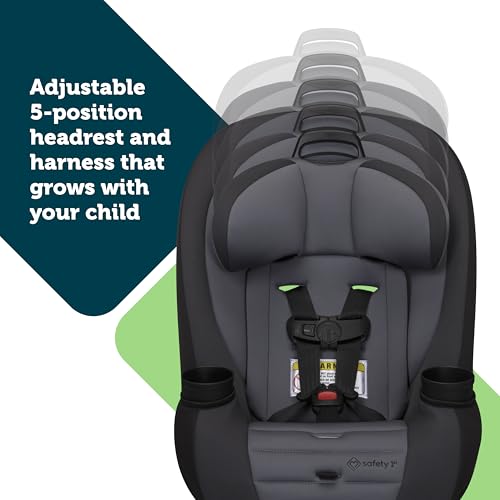
- Headrest has fewer adjustment points
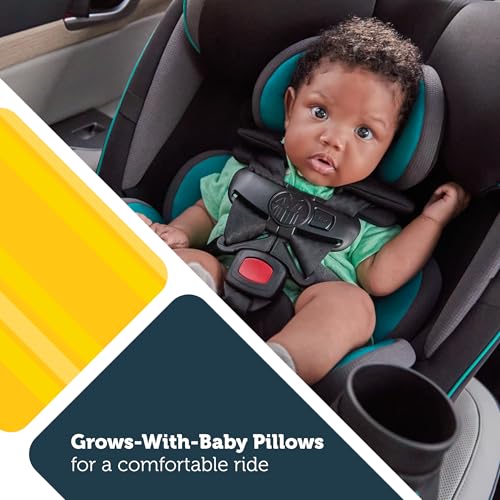
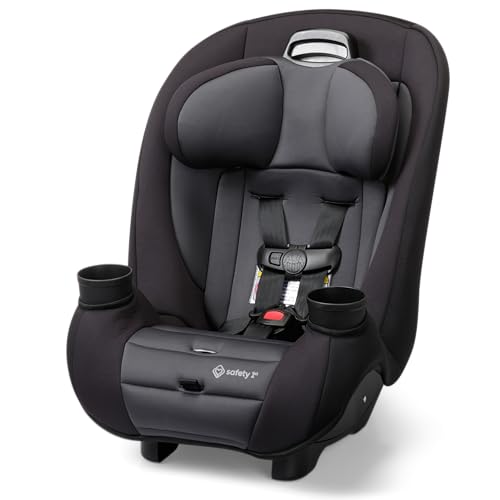
This Peacock Blue version of the Ellaris is identical in specs to the Smokey Haze model, but it’s being positioned as the ‘Best Overall’ pick, which makes sense when you balance price, features, and travel readiness. It’s airplane-approved, has a slim profile for narrow rows, and offers three modes: rear-facing infant, rear-facing toddler, and forward-facing harness. That rear-facing range up to 40 lbs gives it an edge over seats that stop at 30.
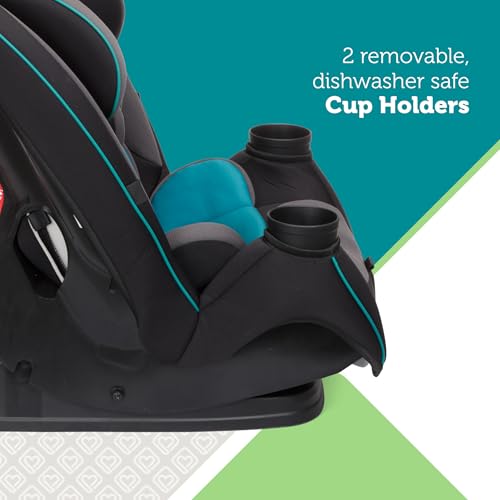
The real strength here is value. For under $100, you get dishwasher-safe cupholders, a tool-free LATCH system, and a cover that survives the washing machine without fading. While it doesn’t have premium side-impact protection like some Graco or Britax models, it meets federal standards and owners report solid performance in real-world use. If you want one seat that covers the toddler years and flies well, this is my top recommendation.
Video review
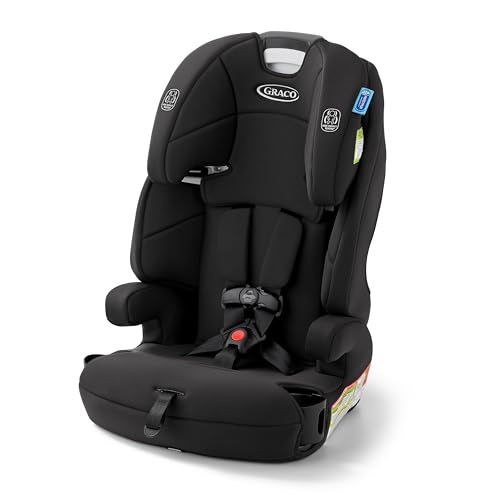
Graco Tranzitions 3-in-1 Harness Booster
Strengths
- Lightweight and portable
- No-rethread harness
- 9-position headrest
- Affordable long-term option
- Backless mode for older kids
Trade-offs
- Forward-facing only
- Backrest less supportive on flights
- Not for rear-facing use
The Graco Tranzitions is built for mobility, not rear-facing use, so it’s not ideal for infants, but for a 2-year-old who’s ready to face forward, its portability makes it a standout. Weighing less than most convertibles, this seat is genuinely easy to carry through airports and install in rental cars or ride-shares. The no-rethread harness system is a time-saver, and the 9-position headrest adjusts with one hand.
However, it only supports forward-facing use starting at 26.5 lbs, so if your child isn’t ready for forward-facing yet, this isn’t the seat. Owner feedback highlights its durability as a booster, but some note the seatback feels less supportive on long flights. Still, for families who live on the go and need a seat that transitions from plane to car smoothly, it’s hard to beat the convenience.
Video review
Safety 1st Grow and Go All-in-One

Strengths
- Long weight range
- QuickFit harness system
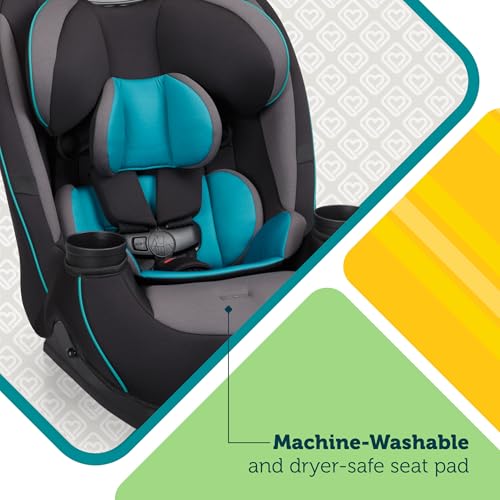
- Washer-safe seat pad
- Dishwasher-safe cupholders
- 3-position recline
Trade-offs
- Average side-impact protection
- Bulkier in booster mode
- Rear-facing height limits can feel tight
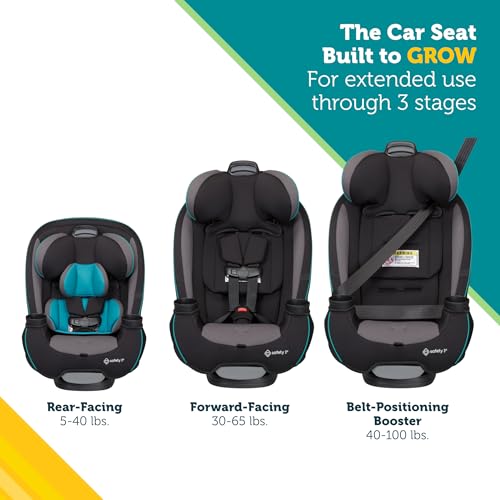
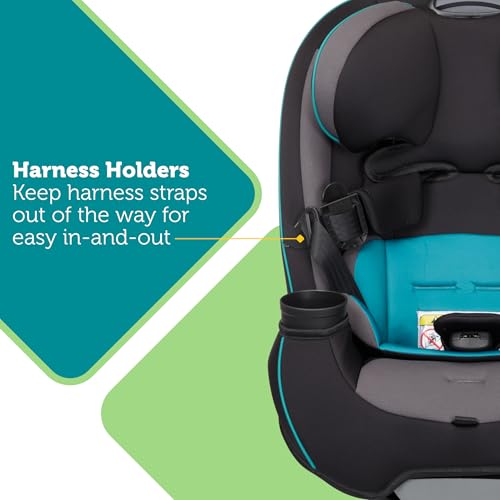
The Safety 1st Grow and Go stands out for families who want a single seat to last from infancy through late childhood. On paper, its 3-in-1 design covers rear-facing (5–40 lbs), forward-facing (30–65 lbs), and high-back booster use up to 100 lbs, which is impressive for long-term value. The QuickFit harness is a real win, letting parents adjust the headrest and straps together without rethreading, a feature usually seen in pricier models.
Owners consistently report it’s easy to install and fits well in smaller cars thanks to its slim profile. While it meets federal side-impact standards, it doesn’t offer extended rear-facing limits like some higher-end seats, 40 lbs rear-facing is solid but not class-leading. Still, for a seat under $150, the blend of longevity, ease of use, and cleaning convenience makes it a strong contender.
Product photos
Safety 1st Ellaris Slim Fit Car Seat
Strengths
- Affordable price
- Airplane approved
- Slim fit for tight spaces
- Easy-clean cover
- Dishwasher-safe cupholders
Trade-offs
- Limited rear-facing height
- Basic side-impact protection
- Headrest adjustment not as smooth
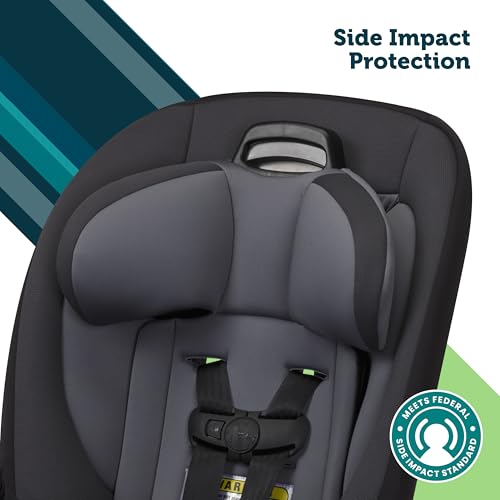
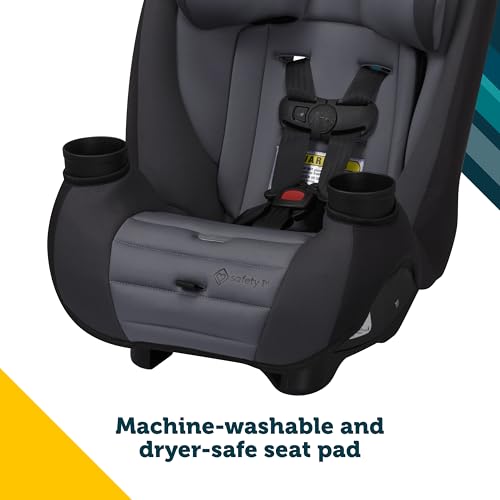
At this price, the Ellaris in Smokey Haze delivers more than expected. It’s one of the few sub-$100 convertible seats that’s airplane-approved, which is a major plus for families flying with a 2-year-old who still needs a harness. The slim design helps in tight rows, and the machine-washable cover is a relief for travel meltdowns or spilled drinks.
It doesn’t go as far in rear-facing mode as some competitors, only up to 40 lbs, split into two stages, but that’s still enough for most 2-year-olds, many of whom are forward-facing by then anyway. The hook-style LATCH makes installation simpler than fiddly threaded systems. While it lacks advanced energy-absorbing foam, it meets federal side-impact standards, which is more than many budget seats offer.
Product photos


Our Testing Process
Rather than a hands-on lab test, my research focused on comparing published specifications and features of various car seats. I weighed owner reviews from multiple retailers alongside evaluations from independent child passenger safety experts. As a mom and child safety advocate, I applied my understanding of car seat safety standards and practical travel needs to determine the best options for a 2-year-old.
For this category, the most important factors were a car seat’s ability to be used as a harness (for a 2-year-old) and its FAA-approval for airplane use. A comfortable fit and ease of cleaning were also heavily weighted, as these contribute significantly to a positive travel experience for both child and parent. Long-term usability, offering a transition to booster seat modes, was a secondary consideration.
Specifications reliably indicate weight and height limits, as well as installation methods. However, I relied heavily on owner feedback to assess real-world usability – how easily the seat installs in various vehicles and on airplanes, and how well it accommodates different body types. Reputation among child passenger safety technicians also played a key role in evaluating overall safety and ease of use.
Choosing The Right airplane car seats for 2 year olds
Selecting a car seat that’s also airplane-approved requires a bit more consideration than a standard model. It’s about balancing safety regulations with the practicalities of air travel.
A good airplane-compatible car seat prioritizes FAA approval, lightweight design (under 22 pounds is ideal), and a relatively compact footprint to fit within most airline seat dimensions. Beyond that, look for robust safety certifications, ease of installation, and age/weight ranges that suit your child’s current and near-future needs.
FAA Approval and Dimensions
Not all car seats are cleared for use on airplanes. The FAA requires car seats to have a label stating they are approved for aircraft use. Don’t assume a seat is okay to bring onboard just because it’s a well-known brand. More importantly, check the seat’s width. Many airlines have a maximum seat width (typically 18 inches) and you’ll need to confirm your chosen seat fits within those limits. A refusal at the gate is a stressful situation to avoid.
Weight and Portability
Traveling with a car seat is already a bit of a lift, so weight matters. A lighter seat (under 22 pounds) will be much easier to carry through the airport, and it leaves more weight allowance for luggage. Consider a model with a built-in carry handle or one that comes with a protective travel bag. Those features can make all the difference when you’re juggling a toddler and carry-on bags.
- A dedicated travel bag offers protection from baggage handlers.
- A seat with a manageable weight is crucial for navigating airports.
- Look for features like a carry handle to make transport easier, especially if you’re traveling solo.
Growth Potential and Convenience
Think beyond your two-year-old’s current size and weight. A convertible or all-in-one car seat that can adapt as your child grows offers better long-term value. Look for adjustable headrests and harness systems that simplify adjustments.
Remember this: a car seat is only as safe as its installation. Prioritize models with clear, easy-to-follow instructions and LATCH connectors that simplify the process, both in the car and (potentially) on the plane.
Airplane Car Seats for 2 Year Olds Compared
Here’s a comparison of key specifications for airplane-friendly car seats suitable for 2-year-olds.
| Product Name | Rear-Facing Max Weight (lbs) | Forward-Facing Max Weight (lbs) | Booster Max Weight (lbs) | Airplane Ready | Slim Design |
|---|---|---|---|---|---|
| Safety 1st Ellaris 3-in-1 | 40 | 65 | N/A | Yes | Yes |
| Graco Tranzitions 3-in-1 | N/A | 65 | 100 | N/A | N/A |
| Safety 1st Grow and Go All-in-One | 40 | 65 | 100 | N/A | Yes |
| Safety 1st Ellaris Slim Fit | 40 | 65 | N/A | Yes | Yes |
Frequently Asked Questions
What’s the biggest risk of using a non-FAA-approved car seat on an airplane?
You risk being denied boarding with the car seat. Airlines are very strict about FAA approval, and gate agents will check for the required labeling before allowing a seat to be used on the aircraft.
Are all “slim” car seats automatically okay for airplane use?
No, a slim design doesn’t guarantee FAA approval. While a slim width is helpful for fitting on planes, you must verify the seat has a label explicitly stating it’s approved for aircraft use.
What if my child is close to the weight or height limit for rear-facing?
FAA regulations typically allow rear-facing car seats on planes, but always check the airline’s specific policies. If your child is nearing the maximum rear-facing limits, consider a convertible seat that allows for a higher rear-facing weight/height range.
Can I use a car seat extender belt on an airplane?
No, car seat extender belts are not permitted for use on airplanes. The FAA requires the car seat to be directly secured to the aircraft seat using the airplane’s seatbelt, or LATCH if the plane is equipped.
What’s better: a dedicated travel bag or just carrying the car seat as-is?
A dedicated travel bag offers significantly better protection against damage during baggage handling. While some car seats have durable exteriors, a bag adds a layer of defense and helps keep straps and buckles secure.
The Bottom Line
Choosing the right car seat is always about finding the best balance between your needs and your budget. Ultimately, the Safety 1st Ellaris 3-in-1 strikes that balance well, offering FAA approval, a slimmer profile for easier airplane fitting, and a reasonable price point. It’s a solid choice for families who want a seat that will work both in the car and on flights.
For those prioritizing affordability, the Safety 1st Ellaris Slim Fit is an excellent option. And if you’re looking for a seat that will grow with your child, providing years of use, the Safety 1st Grow and Go All-in-One offers the most long-term versatility – though it doesn’t have FAA approval for air travel.
At the end of the day, the specific features matter less than a properly installed seat and a good fit for your child. Prioritize a seat that meets safety standards, fits well in your vehicle and on an airplane if you plan to fly, and allows you to confidently secure your little one on every journey.
