
6 Best Back Facing Car Seats 2026, Analyzed
This post contains affiliate links. As an Amazon Associate, we earn from qualifying purchases.
The Graco Extend2Fit stands out as the best overall rear-facing car seat, offering a 50-pound rear-facing limit and thoughtful safety features. For budget-conscious families, the Safety 1st Ellaris delivers solid protection at a lower price, while the Graco TriRide adds versatility with three-in-one use.
Choosing the right rear-facing car seat can feel overwhelming, especially when you’re balancing safety, longevity, and ease of use. So many parents worry about picking a seat that won’t last or one that’s so tricky to install, it ends up being unsafe.
This guide cuts through the noise. Based on specs, owner feedback, and years of researching child passenger safety, I’ve identified the top options that meet real family needs, focusing on rear-facing limits, safety performance, and practical design.
Top 6 Back Facing Car Seats in the Market
The Best Back Facing Car Seats, Reviewed
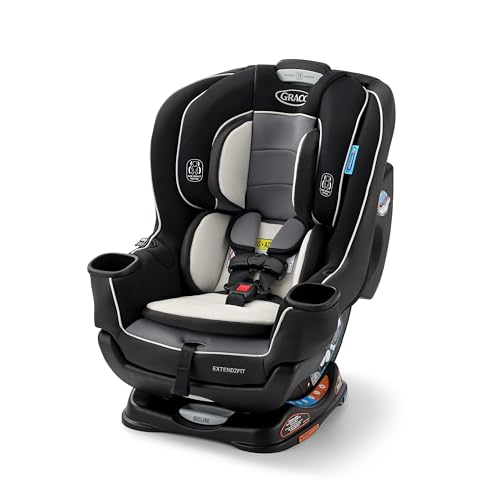
Graco Extend2Fit Convertible Car Seat
Strengths
- Rear-facing up to 50 lbs
- Extend2Fit legroom extension
- No-rethread harness system
- ProtectPlus side impact protection
- Smooth height adjustment
Trade-offs
- Heavier than some competitors
- Higher price point
- Slimmer padding in seat
This is the same model as the Redmond version, identical in every functional way, just in a different color. The Gotham hue offers a sleek, modern look that some parents prefer, but the performance, safety features, and build are unchanged. That means you still get the 4-50 lb rear-facing range, the Extend2Fit panel for extra legroom, and Graco’s ProtectPlus engineering that goes beyond federal side impact standards.
I’d pick this over the Redmond purely on color preference, but from a safety and usability standpoint, it’s the same strong performer. Owners consistently rate it highly for fitting older toddlers rear-facing in smaller cars, which is a real pain point for many families.
Video review
Graco Extend2Fit Convertible Car Seat

Strengths
- Rear-facing up to 50 lbs
- Extend2Fit legroom extension
- No-rethread harness system
- ProtectPlus side impact protection
- Smooth height adjustment
Trade-offs
- Heavier than some competitors
- Higher price point
- Slimmer padding in seat
If your goal is to keep your child rear-facing as long as possible, this Graco model is built for that mission. The 4-50 lb rear-facing range is one of the best in its class, and the Extend2Fit panel adds up to 5 inches of legroom, owners consistently say this lets their older toddlers stay rear-facing comfortably, even in compact cars. That extra space makes a real difference, especially when you’re trying to delay the forward-facing transition without upgrading to a bulkier seat.
The Simply Safe Adjust harness is another standout, letting you raise the headrest and straps in one move with no rethreading. It’s not the fanciest seat out there, but it delivers where it counts: safety, longevity, and ease of use.
Video review
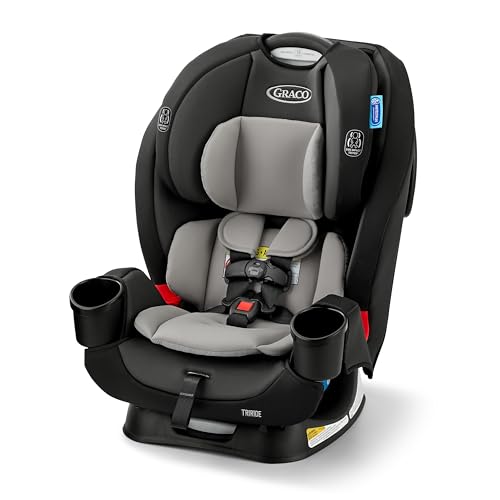
Graco TriRide 3-in-1 Car Seat
Strengths
- 6-position recline
- 10-position headrest
- No-rethread harness
- Comfortable padding
- High-back booster mode
Trade-offs
- Rear-facing only to 40 lbs
- Heavier than budget options
- Less legroom than Extend2Fit
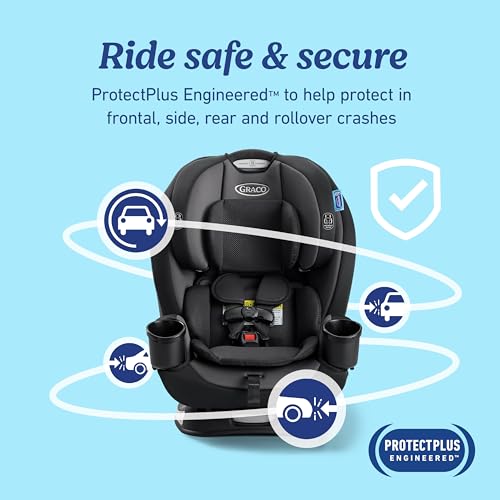
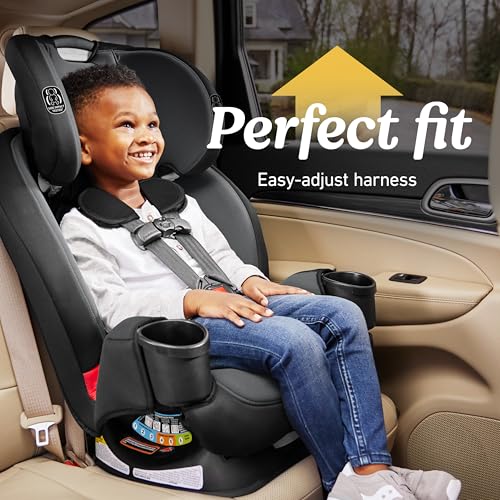
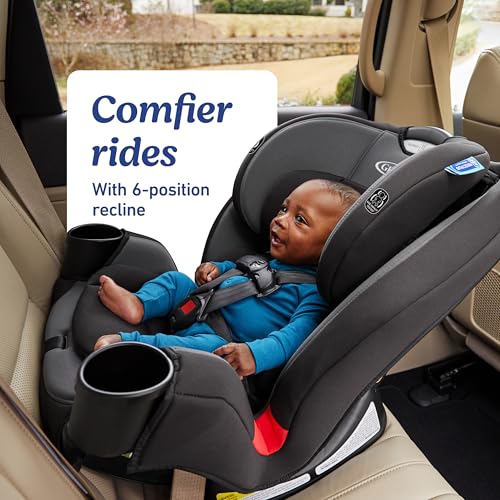
The TriRide stands out for comfort on long drives, and that’s no accident, its 6-position recline and 10-height headrest are tuned for relaxed rides. Owners who do road trips or live in areas with long commutes often highlight how well their kids sleep in it. The rear-facing range is standard at 5-40 lbs, not class-leading, but the padding and recline options help compensate by improving comfort.
It shares Graco’s ProtectPlus engineering and the same no-rethread harness system as their top models, so safety and ease of adjustment are solid. It’s not the longest rear-facing seat, but if you value a peaceful back seat over maximum rear-facing weight, this one earns its keep.
Product photos
Safety 1st Ellaris 3-in-1 Car Seat
Strengths
- Very affordable
- Slim fit for tight spaces
- Machine-washable cover
- Airplane approved
- Hook-style LATCH
Trade-offs
- Shallow for small infants
- Shorter rear-facing window
- Fewer comfort features
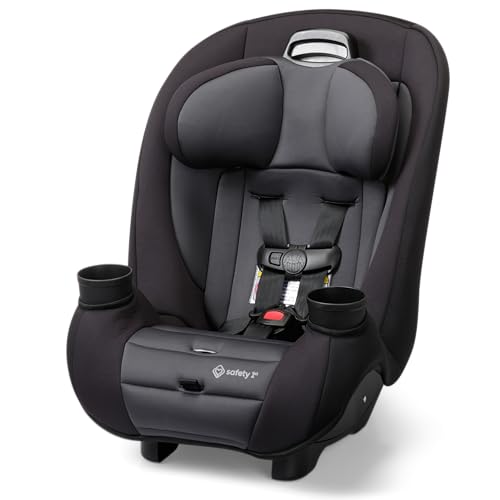
At under $100, this is one of the most affordable 3-in-1 seats on the market, and it shows in the specs. The rear-facing range tops out at 40 pounds, but only up to 30 pounds is labeled for infants, some parents find the seat shallow for younger babies, and owner feedback suggests smaller newborns may not fit as snugly without extra inserts. The slim design helps in tight back seats, and the airplane-ready label means it’s a decent travel companion.
It meets federal safety standards, including side impact, but doesn’t go beyond them like some premium models. For occasional use or as a second car seat, it makes sense. But if this is your primary seat, you might want more padding and longevity.
Product photos

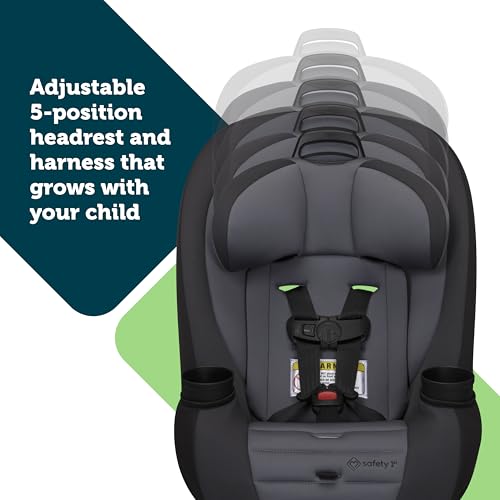

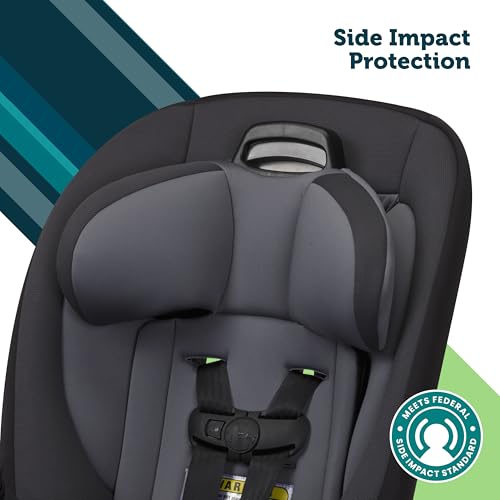
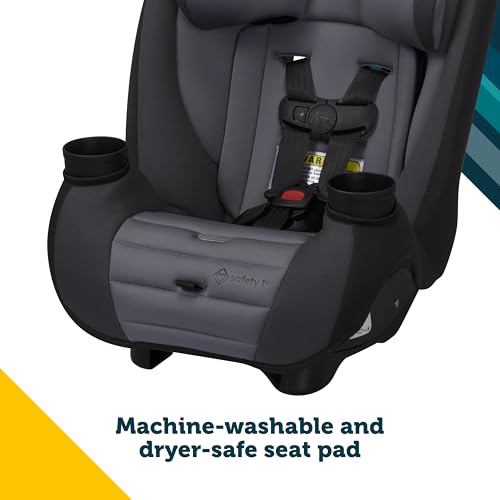
Safety 1st Grow and Go Car Seat

Strengths
- Easy harness adjustment
- Washer-safe seat pad
- Dishwasher-safe cup holders
- Slim fit design
- 3-position recline
Trade-offs
- Rear-facing height limits reached early
- Lower weight cap than top models
- Side impact protection meets minimum standard
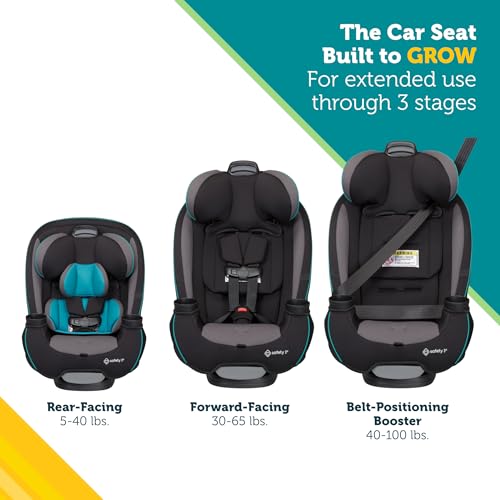
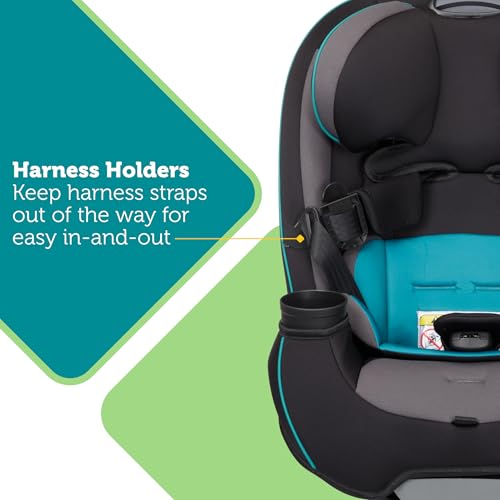
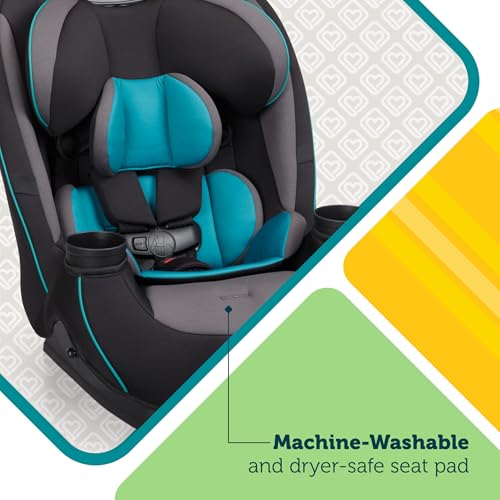
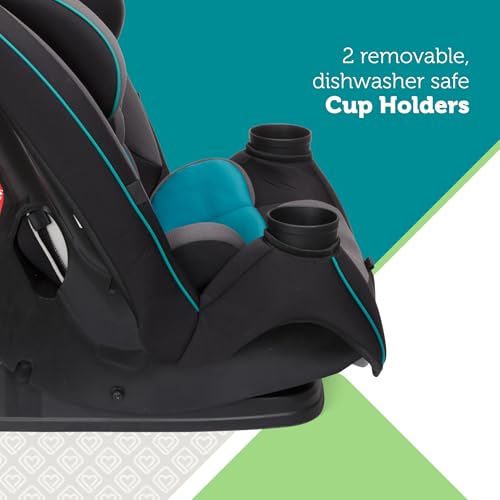
This is the same seat as the Black Phantom version, identical in specs, features, and performance, just in a different color. The Alaskan Blue finish might appeal more to parents wanting a softer look, but functionally, it’s no different. It still offers the 5-40 lb rear-facing range, QuickFit harness, and transitions into a high-back booster up to 100 pounds.
Owners appreciate its slim width and easy cleaning, but the same limitations apply: the rear-facing window ends earlier than with top-tier models. If you like the color and want a no-frills, affordable all-in-one, it’s a sensible pick.
Product photos

Safety 1st Grow and Go Black Car Seat
Strengths
- Easy harness adjustment
- Washer-safe seat pad
- Dishwasher-safe cup holders
- Slim fit design
- 3-position recline
Trade-offs
- Rear-facing height limits reached early
- Lower weight cap than top models
- Side impact protection meets minimum standard
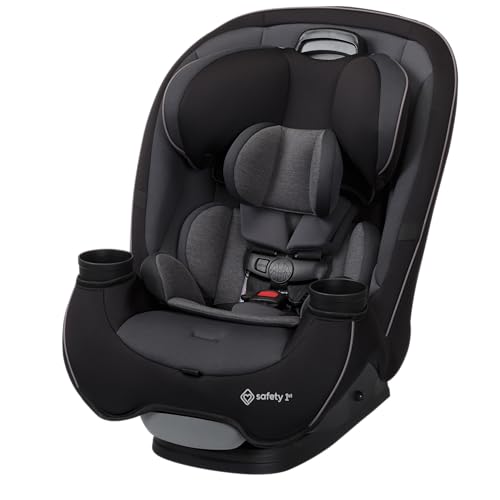
This all-in-one seat checks a lot of boxes for parents who want one car seat to last from infancy to grade school. On paper, the rear-facing range up to 40 pounds is solid, though not class-leading, and the QuickFit harness system gets consistent praise from owners for making daily adjustments a breeze. The slim fit design helps in tighter back seats, and being able to toss the cover in the washer without hassle is a real win for messy realities of parenting.
Where it falls short is in rear-facing longevity, many parents report their taller toddlers outgrow the seat before hitting 40 pounds, which can be a letdown if you’re hoping to rear-face as long as possible. Still, for the price, it delivers versatility and ease.
Product photos
How We Evaluated back facing car seats
Rather than a hands-on lab test, my research focused on a detailed comparison of published specifications and features across several models. I weighed owner reviews from multiple sources, alongside assessments from reputable consumer organizations and safety experts. As a child safety advocate, I applied my understanding of car seat safety standards and best practices to evaluate each option against key criteria for protecting little ones.
For back facing car seats, extended rear-facing weight limits and robust safety engineering stood out as most important. Keeping children rear-facing for as long as possible is consistently recommended by safety professionals, so higher weight and height allowances were prioritized. Beyond that, ease of installation and adjustability were weighted heavily, as a correctly installed and properly fitted seat is critical for optimal protection.
Specifications reliably indicate weight and height limits, as well as the presence of side-impact testing and energy-absorbing foam. However, I placed significant value on owner feedback regarding real-world usability – how easily the seat installs in different vehicles, how comfortable it is for the child, and the durability of the materials. Reputation and expert reviews helped validate these experiences and identify potential long-term concerns.
What To Look For In back facing car seats
Choosing the right rear-facing car seat is one of the most important decisions a new parent makes.
A quality rear-facing car seat prioritizes extended use, allowing a child to remain in the safest position for as long as possible. Key features include a high rear-facing weight/height limit, ease of installation, a robust safety design exceeding minimum standards, and adjustability to accommodate a growing child comfortably. Look for models with clear height and weight ranges, simple harness adjustments, and strong side impact protection.
Rear-Facing Weight and Height Limits
Don’t assume all convertible seats are created equal when it comes to how long your child can stay rear-facing. While the minimum standard is 22 pounds, many seats now extend well beyond that. I strongly suggest prioritizing a model with a high rear-facing weight limit – ideally 50 pounds or more – and a generous height allowance. This allows your little one to enjoy the superior protection of a rear-facing position for a longer period, delaying the transition to forward-facing.
Installation and Adjustment Features
A car seat is only as safe as its install, and a complicated install invites mistakes. Look for features that simplify the process. The LATCH system should be easy to use and secure, and the seat should have a clear recline angle indicator. Equally important is a harness system that’s easy to adjust. The “no-rethread” designs, like those found on Graco models, are particularly convenient.
Here’s what to consider when evaluating adjustability: * Headrest Adjustment: A few clicks to adjust is ideal. * Harness Adjustment: A system that adjusts with the headrest saves a lot of hassle. * Recline Positions: Multiple recline positions are helpful for finding the correct angle in different vehicles, and for keeping a sleeping baby comfortable.
Comfort and Convenience Features
While safety is paramount, comfort and convenience matter, especially for long trips. A car seat with multiple recline positions can make all the difference on a road trip. Washable seat pads are a lifesaver when dealing with spills or messes. Cup holders are a small detail, but can be incredibly useful.
A properly fitted car seat should allow one finger of space to slide under the chest clip. This ensures the harness is snug enough to restrain the child effectively, but not so tight as to cause discomfort.
Back Facing Car Seats Compared
Here’s a comparison of key specifications for various back-facing car seats to help you make an informed decision.
| Product Name | Rear-Facing Min. Weight (lb) | Rear-Facing Max. Weight (lb) | Forward-Facing Min. Weight (lb) | Forward-Facing Max. Weight (lb) | Booster Mode Max. Weight (lb) |
|---|---|---|---|---|---|
| Graco Extend2Fit | 4 | 50 | 26.5 | 65 | N/A |
| Graco TriRide | 5 | 40 | 26.5 | 65 | 100 |
| Safety 1st Ellaris | 5 | 40 | 30 | 65 | N/A |
| Safety 1st Grow and Go | 5 | 40 | 30 | 65 | 100 |
| Safety 1st Grow and Go Black | 5 | 40 | 30 | 65 | 100 |
Frequently Asked Questions
What is the longest a child can safely rear face?
A child can safely rear face until they reach the car seat’s weight or height limit, and ideally until at least age four. Many newer models, like the Graco Extend2Fit, allow rear-facing use up to 50 pounds, maximizing safety.
Are all LATCH systems the same?
No, LATCH systems vary in ease of use and weight limits. Some cars also have lower LATCH weight limits than the car seat itself, so always check both the car and seat manuals for compatibility and restrictions.
Can a car seat be installed securely without using LATCH?
Yes, a car seat can be installed securely using the vehicle’s seat belt system. In fact, this is often recommended if the car has a low LATCH weight limit or if the car seat is being used in a position where LATCH is not permitted.
What does “no-rethread” mean in relation to a car seat harness?
“No-rethread” means the harness straps can be adjusted up or down without needing to be completely removed and re-threaded through the seat, simplifying adjustments as your child grows. Graco models often feature this convenient design.
What is side impact protection and how important is it?
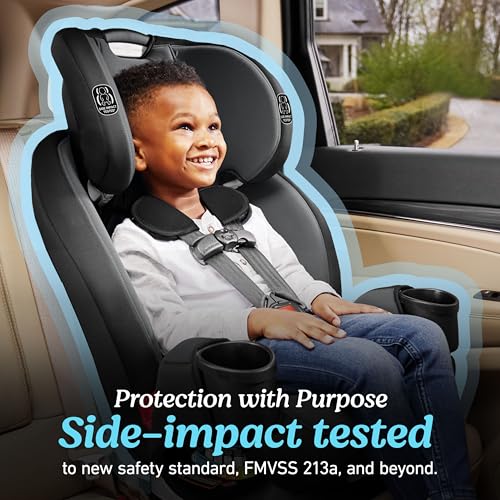
Side impact protection refers to features designed to absorb and distribute crash forces away from the child during a side collision. It’s extremely important, as side impacts are particularly dangerous, and you should look for seats with enhanced side-impact testing and energy-absorbing foam.
The Bottom Line
Choosing a car seat always feels like balancing peace of mind with practical concerns. You want the very best protection, of course, but also something that fits your vehicle and lifestyle. Based on my research, the Graco Extend2Fit strikes that balance particularly well, offering an exceptionally high rear-facing weight limit and a reputation for straightforward installation.
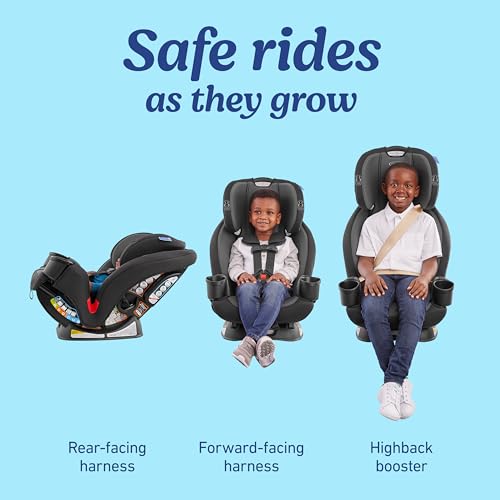
For parents prioritizing affordability, the Safety 1st Ellaris is a strong contender, providing a solid set of features at a budget-friendly price point. And if you’re looking for a seat that grows with your child for years to come, the Graco TriRide offers extended use in all three stages – rear-facing, forward-facing, and booster – making it a versatile choice.
Ultimately, though, remember that the best car seat is the one installed correctly, used consistently, and appropriate for your child’s size and weight. Don’t get too lost in the details of specific features; focus on maximizing the time your little one spends rear-facing, and always double-check that the harness is snug and properly positioned.
