
7 Best Car Seats of 2026
This post contains affiliate links. As an Amazon Associate, we earn from qualifying purchases.
The Graco Turn2Me Rotating Car Seat stands out as the best overall choice for its ease of use and long-term value, with the Graco Extend2Fit Convertible as a top pick for families prioritizing extended rear-facing protection. For budget-conscious parents, the Safety 1st Ellaris Slim Fit delivers solid safety in a compact design.
As a mom and child safety advocate, I know how stressful it can be to choose the right car seat. With so many options and conflicting advice, it’s hard to know what truly matters. You want something safe, yes, but also something that fits your car, grows with your child, and doesn’t make every installation a battle.
This guide cuts through the noise. I compared specs, studied owner feedback, and evaluated real-world usability to spotlight car seats that deliver where it counts: safety, longevity, and simplicity. These picks reflect what actually works for families, based on years of focused research in child passenger safety.
Top 7 Car Seats in the Market
The Best Car Seats, Reviewed
Graco Turn2Me Rotating Car Seat

Strengths
- One-handed rotation
- No-rethread harness
- Steel-reinforced frame
Trade-offs
- Heavy for frequent travel
- Click mechanism needs firm engagement
The Graco Turn2Me stands out in a crowded field because of its one-handed rotation, a feature that genuinely simplifies daily life for parents. On paper, it’s engineered with smart details, like the SnugLock install that owners say clicks into place quickly, and the No-Rethread harness system that adjusts smoothly as kids grow. The 3-in-1 design covers rear-facing for infants, forward-facing for toddlers, and a highback booster all the way to 100 lbs, making it one of the most versatile seats on the market.
Safety is where it really earns its keep. Graco ProtectPlus goes beyond federal standards, and reviewers consistently note they feel confident in its side-impact protection. The steel-reinforced frame adds structural integrity, though it does make the seat heavier than some. Still, if you value long-term use and ease of access, especially during those tight rear-facing years, this rotation isn’t a gimmick. It’s a well-executed solution for real parenting fatigue.
Video review
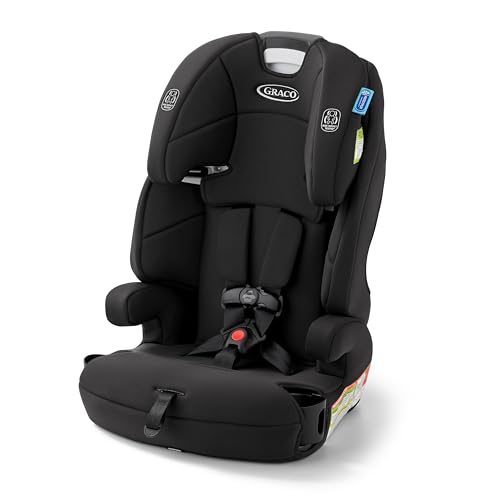
Graco Tranzitions 3-in-1 Harness Booster
Strengths
- Affordable 3-in-1 design
- No-rethread harness
- Lightweight and portable
Trade-offs
- No rear-facing mode
- Basic padding
If you’re looking for a no-frills, budget-friendly harness-to-booster transition, the Tranzitions delivers. It starts as a forward-facing harnessed seat (26.5–65 lbs), then becomes a highback and eventually a backless booster, supporting kids up to 100 lbs. The No-Rethread harness system is a standout, letting the headrest and straps move together, which owners say makes adjustments fast and consistent.
It’s lightweight and easy to move between cars, a plus for shared custody or active families. But it lacks extended rear-facing capability, so it’s not ideal for infants or toddlers you want to keep rear-facing as long as possible. The padding is functional but not plush, and some reviewers note the backless mode feels less stable on long rides. Still, for the price, it covers a lot of ground.
Video review
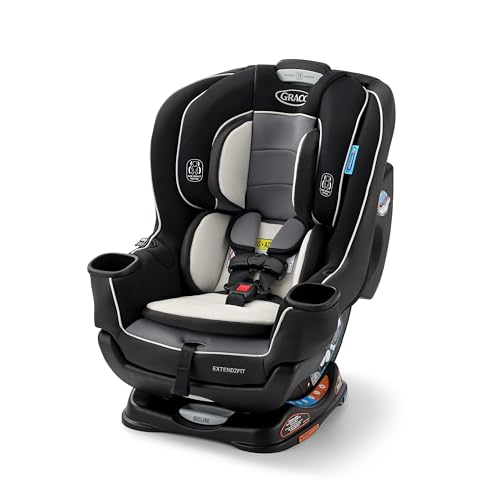
Graco Extend2Fit Convertible Car Seat
Strengths
- Extends rear-facing up to 50 lbs
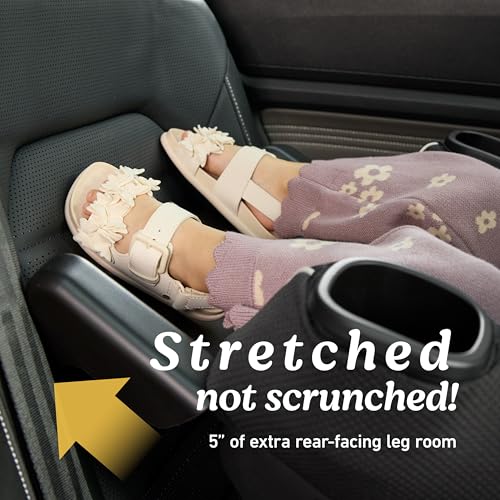
- Adjustable legroom panel
- ProtectPlus side-impact protection
Trade-offs
- Bulky in small vehicles
- Longer installation footprint
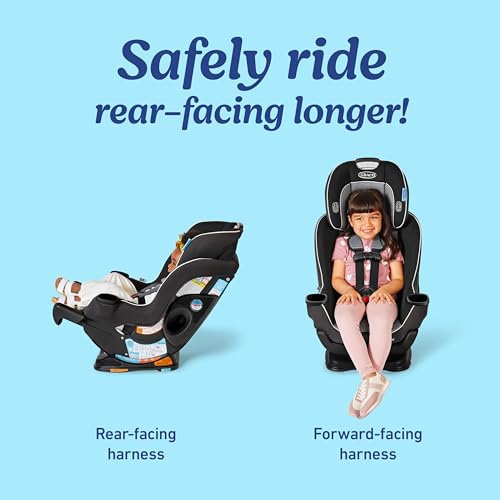
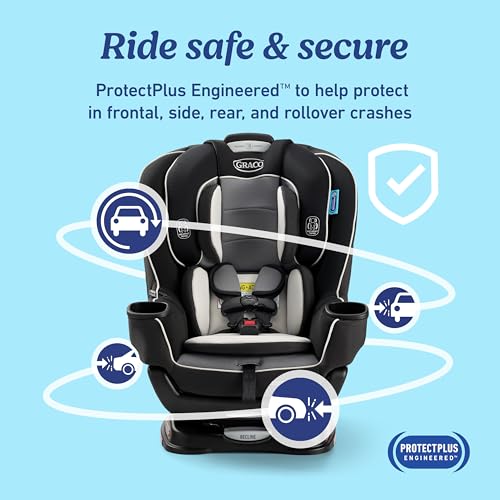
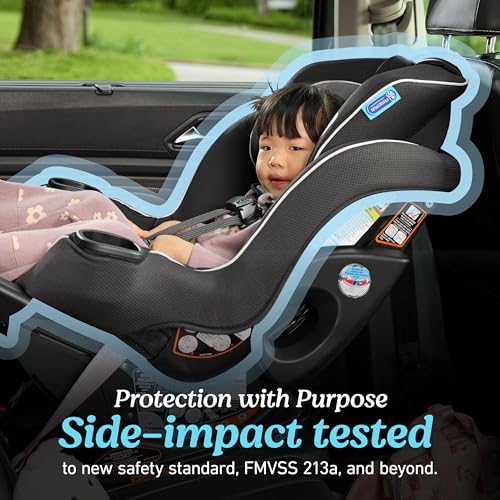
When it comes to maximizing rear-facing time, the Extend2Fit is in a class of its own. Its adjustable extension panel adds up to 5 inches of legroom, letting kids stay rear-facing safely up to 50 lbs, a full 10 lbs beyond many competitors. That’s a big deal, because rear-facing is significantly safer in frontal crashes, and parents consistently report they love how much longer their kids can remain in this mode.
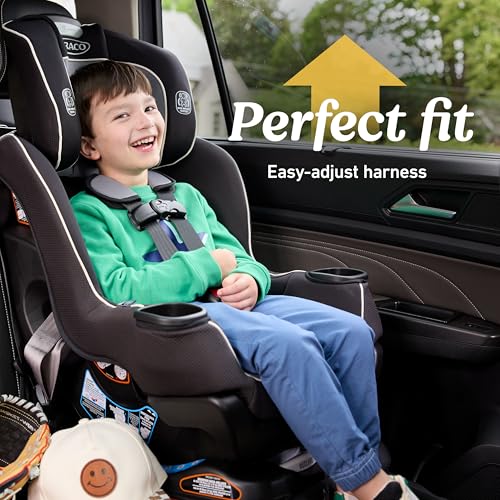
The seat is longer than standard models, so fit in smaller cars can be tight. But owners who manage the install praise the No-Rethread harness and strong side-impact protection from Graco ProtectPlus. It transitions to forward-facing and then highback booster, making it a true long-term seat. If your priority is safety through extended rear-facing, this is the smartest buy.
Product photos
Graco SnugRide Lite LX Infant Seat

Strengths
- Extremely lightweight
- Level indicator
- LATCH base included
Trade-offs
- Small canopy
- Minimal padding
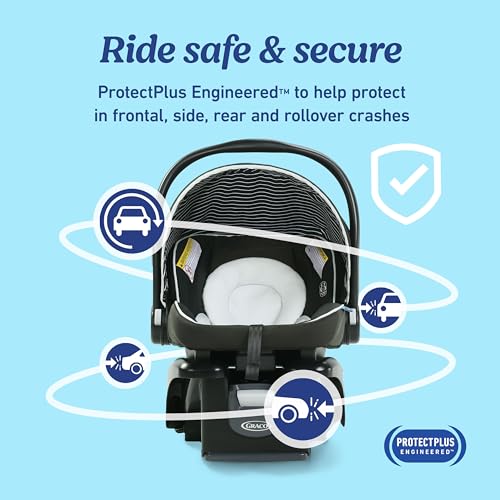
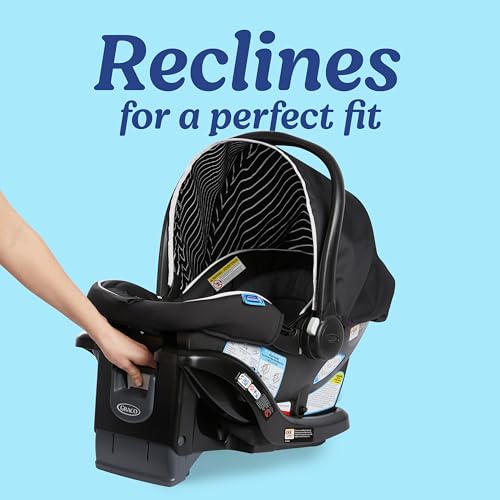
At just 7.2 lbs, the SnugRide Lite LX is one of the lightest infant seats on the market, and that makes a real difference when you’re juggling baby, a stroller, and a diaper bag. It’s designed for rear-facing use from 4 to 30 lbs, and the 4-position base helps achieve a level install in most vehicles. The level indicator is a small but critical detail; first-time parents especially appreciate not guessing whether it’s secure.
Owners consistently praise its compact size and ease of installation, though some note the canopy is smaller than competitors’. The ProtectPlus engineering includes side, front, and rollover testing, which adds peace of mind. While it doesn’t have the plush padding of premium brands, it’s reliable, airline-approved, and integrates smoothly with many Graco strollers. For a no-surprises, easy-to-use infant seat, this one hits the mark.
Product photos



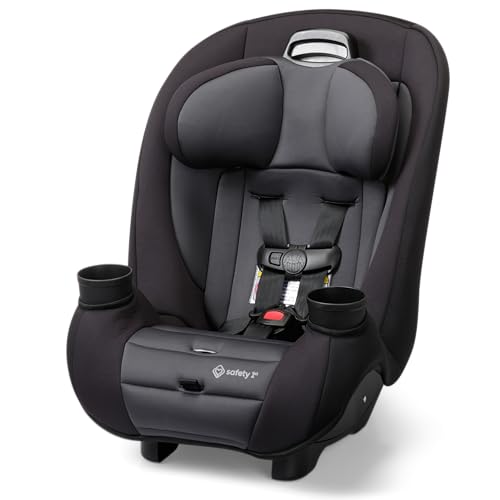
Safety 1st Ellaris Slim Fit Car Seat
Strengths
- Ultra-slim fit
- Airplane approved
- Travel-friendly
Trade-offs
- Limited rear-facing weight range
- Basic side-impact protection
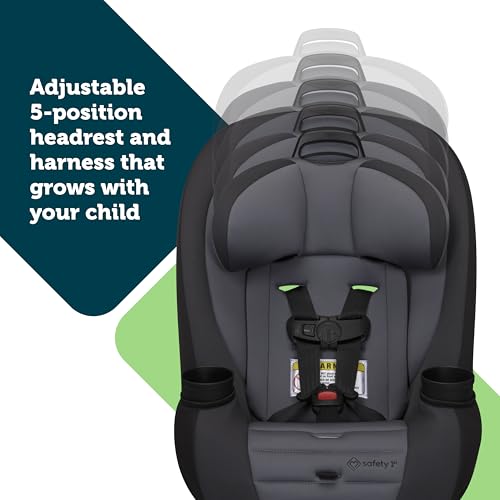
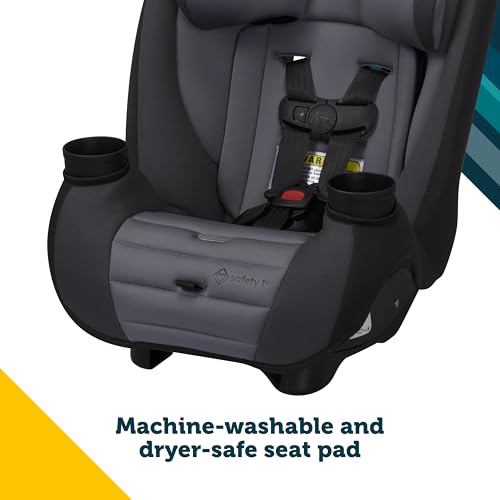
For families wrestling with tight backseats, the Ellaris is a breath of fresh air. Its slim design is its standout feature, and owners confirm it fits where other convertible seats won’t, especially helpful in compact cars or three-across setups. It covers rear-facing for infants and toddlers up to 40 lbs, then shifts to forward-facing up to 65 lbs. The 5-position headrest is simple to adjust, though not as seamless as Graco’s one-motion system.
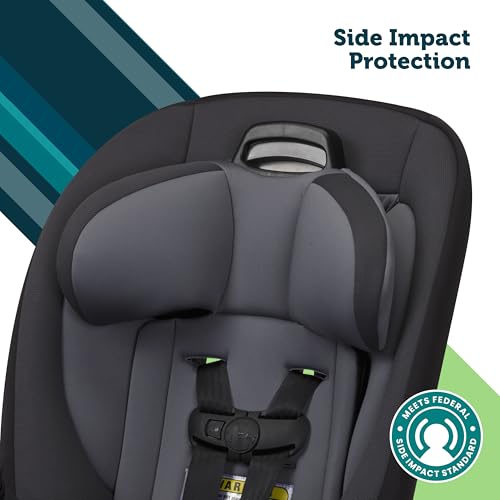
It meets federal side-impact standards, which is reassuring, but lacks the extra crash testing rigor of higher-end models. The travel-friendly build, including airplane approval and a machine-washable pad, makes it a decent choice for jet-setting families. I’d recommend it as a secondary seat or for smaller vehicles, but not as a primary seat for parents who want maximum rear-facing duration.
Product photos


Graco TurboBooster 2.0 Highback
Strengths
- Adjustable armrests
- Hide-away cup holders
- Open-loop belt guides
Trade-offs
- No recline option
- Thin cushioning
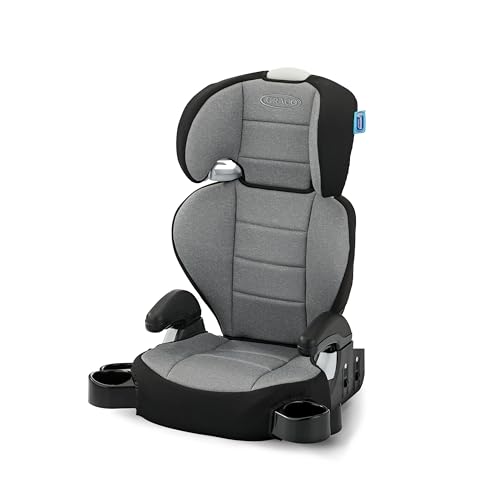
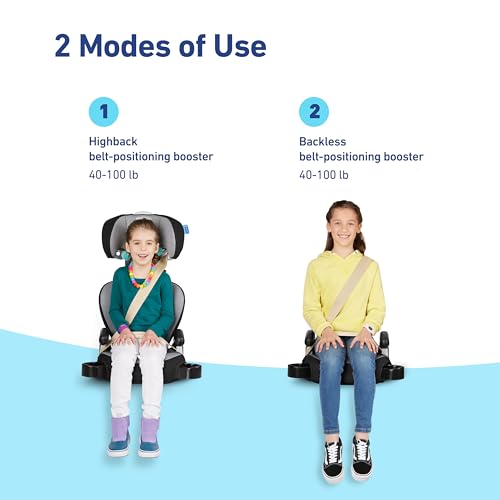
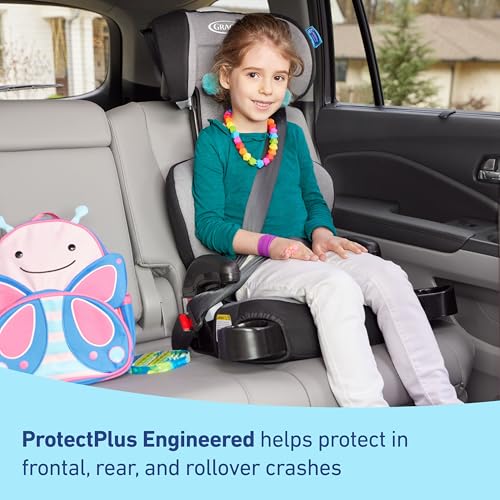
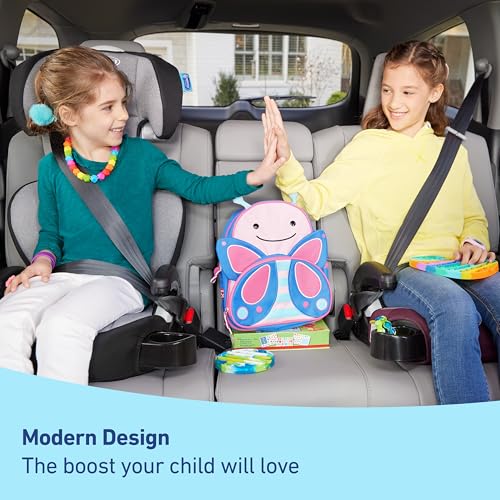
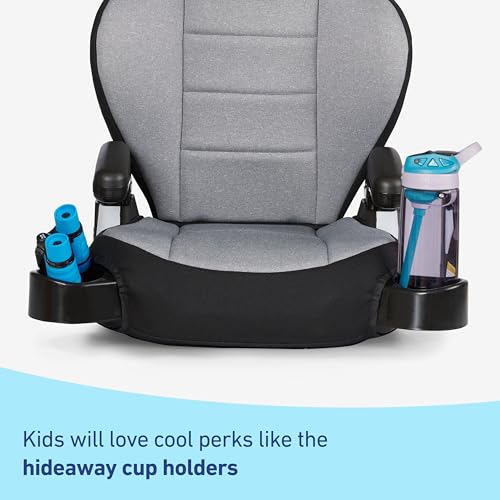
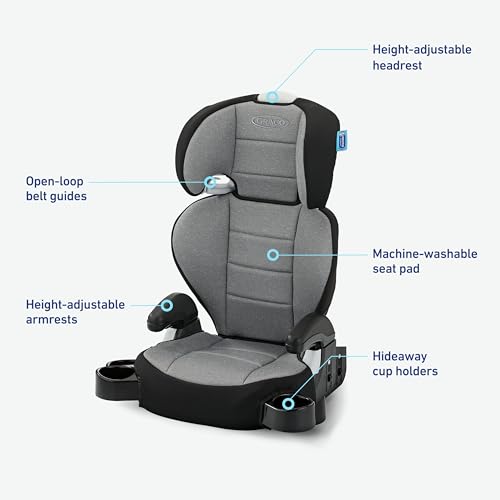
The TurboBooster 2.0 is a smart, streamlined pick for kids ready to move into a booster. It converts from highback to backless, supporting up to 100 lbs, and the height-adjustable armrests are a comfort win, owners say their kids actually stay in the seat longer on road trips. The open-loop belt guides make it easier for older children to buckle themselves, promoting independence while keeping the seat belt properly positioned.
It’s one of the more affordable Graco boosters, and the hide-away cup holders keep the profile clean. However, the padding is thinner than in pricier models, and it doesn’t recline, which can be a drawback for sleep-prone passengers. Still, for a durable, safety-tested booster that grows with your child, it’s hard to beat the balance of price and function.
Product photos
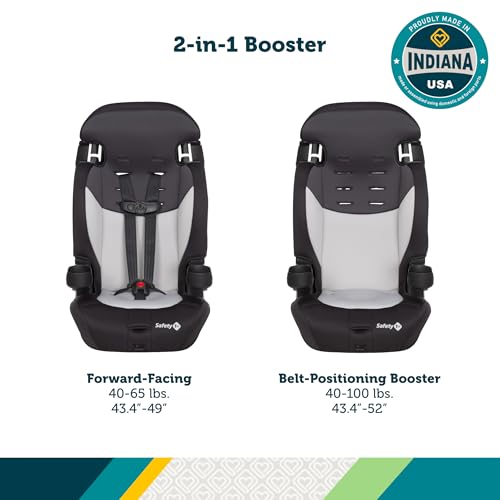
Safety 1st Grand 2-in-1 Booster
Strengths
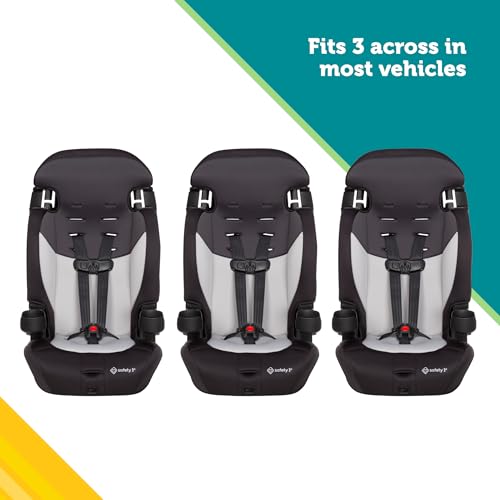
- Fits three across
- Lightweight and portable
- Easy to clean
Trade-offs
- Thin padding
- Harness tight for wide shoulders
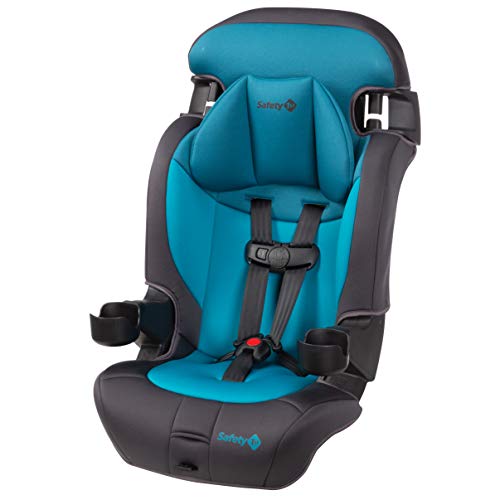
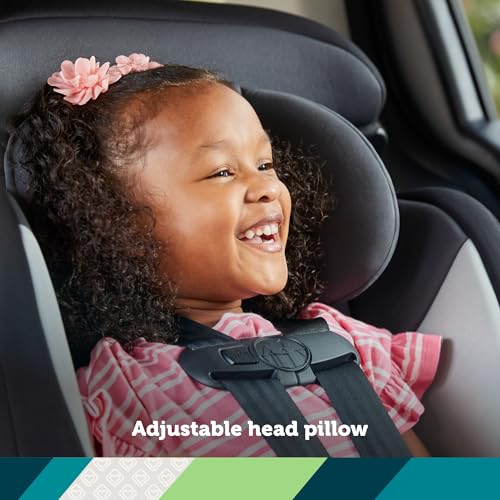
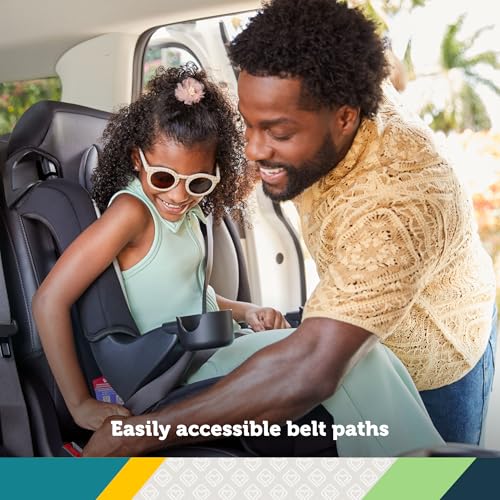
This booster delivers where it counts, affordability and space-saving design, without cutting corners on core safety. At under 80 bucks, it converts from a highback with harness to a belt-positioning booster, supporting kids up to 100 lbs. The slim fit is a major win; owners regularly report fitting three across in midsize SUVs, which is rare at this price. It’s not packed with high-end features, but the adjustable headrest and machine-washable pad make it practical for real family use.
Where it falls short is in long-term comfort. The padding is thinner than pricier models, and some parents note the harness feels snug on broader-shouldered kids. Still, for older children transitioning out of a harnessed seat, this is a solid, no-fuss option. The dishwasher-safe cup holders are a small but appreciated touch for busy families.
Product photos

How We Picked These car seats
Rather than a hands-on lab test, my research involved a detailed comparison of specifications and features across numerous models. I weighed owner reviews from major retailers alongside assessments from independent safety experts and organizations. My focus was on identifying key differentiators and how well each car seat addressed common parental needs, applying my experience in child passenger safety to the evaluation.
For car seats, safety, longevity, and ease of use were the most heavily weighted factors. A car seat’s ability to accommodate a child for an extended period – particularly rear-facing – is crucial for optimal protection. Equally important is how easily the seat can be installed correctly, given that improper installation significantly reduces effectiveness. Finally, practical features like washability and adjustability contribute to a positive user experience.
Published specifications reliably reveal weight and height limits, as well as the car seat’s construction and safety certifications. However, I placed greater value on owner feedback regarding real-world usability, particularly regarding installation challenges and long-term comfort. Reputation and expert reviews helped assess overall build quality and adherence to safety standards beyond basic certifications.
How To Pick The Right car seats
Choosing a car seat can feel overwhelming, but prioritizing safety and fit is essential. We want the best protection for our little ones, and the right seat makes all the difference.
A good car seat prioritizes a secure installation, correct child fit within the seat’s weight and height limits, and a design that minimizes risk in a crash. Key features include a robust harness system, side-impact protection, and clear instructions for proper use. Regularly checking for recalls and understanding expiration dates are also crucial components of car seat safety.
Rear-Facing Length
Many parents transition to forward-facing too soon. Keeping your child rear-facing for as long as possible, until they reach the seat’s height or weight limit, is the single biggest thing you can do to protect them in a crash. Look for convertible seats like the Graco Extend2Fit that prioritize extended rear-facing capabilities with adjustable extension panels. Don’t rush the switch; the benefits are significant.
Harness Adjustability & Ease of Use
A car seat is only as safe as its proper use. A complicated harness system will lead to errors. The “Simply Safe Adjust” system found in many Graco models (like the Turn2Me and Tranzitions) is a great example of a no-rethread harness, making adjustments quick and easy as your child grows. This reduces the chance of incorrect installation or a poorly fitting harness.
- A quick-adjust harness is helpful, but verify it doesn’t loosen accidentally.
- Consider how easy it is to clean the harness straps and seat pad. Accidents happen, and a washable cover is a huge convenience.
- Look for a clearly marked recline indicator. Maintaining the correct recline angle is vital, especially for infants, and a visual guide simplifies the process.
Seat Size & Vehicle Compatibility
Not all car seats fit in all vehicles. A slim design, like the Safety 1st Ellaris, can be a lifesaver if you have a smaller car or need to fit multiple car seats across the back row. Before purchasing, check the car seat’s dimensions and read reviews from other parents about its fit in various vehicles.
Don’t assume a car seat will fit just because it’s a popular model. Always verify compatibility with your specific vehicle and installation method.
Car Seats Compared
Here’s a comparison of key specifications for the car seats described.
| Product Name | Rear-Facing Min. Weight (lb) | Rear-Facing Max. Weight (lb) | Forward-Facing Min. Weight (lb) | Forward-Facing Max. Weight (lb) | Booster Weight (lb) |
|---|---|---|---|---|---|
| Graco Turn2Me Rotating Car Seat | 4 | 40 | 26.5 | 65 | 40-100 |
| Graco Tranzitions 3-in-1 | N/A | N/A | 26.5 | 65 | 40-100 |
| Graco Extend2Fit Convertible | 4 | 50 | 26.5 | 65 | N/A |
| Graco SnugRide Lite LX | 4 | 30 | N/A | N/A | N/A |
| Safety 1st Ellaris Slim Fit | 5 | 30 | 30 | 65 | N/A |
| Graco TurboBooster 2.0 | N/A | N/A | N/A | N/A | 40-100 |
| Safety 1st Grand 2-in-1 | N/A | N/A | 40 | 65 | 40-100 |
Frequently Asked Questions
What’s the latest guidance on how long a child should stay rear-facing?
Current recommendations from the American Academy of Pediatrics are to keep children rear-facing for as long as possible, ideally until they reach the maximum height or weight limit allowed by their car seat(s). Data consistently shows rear-facing is up to five times safer in a crash.
Are all car seat installation methods equally safe?
LATCH (Lower Anchors and Tethers for Children) and the vehicle seat belt are both safe when used correctly. However, the vehicle seat belt generally offers a more secure installation, particularly if the vehicle manual doesn’t explicitly state LATCH is permitted for the car seat’s weight class.
What does “convertible” mean when describing a car seat?
A convertible car seat transitions from being a rear-facing seat to a forward-facing seat, and sometimes includes a booster seat mode. This allows one seat to grow with your child, potentially saving money and extending the seat’s useful life, like the Graco Extend2Fit.
How often should I replace a car seat?
Car seats have expiration dates, typically six to ten years from the date of manufacture, due to plastic degradation and potential wear and tear on safety components. Always check the label on your car seat. Additionally, a car seat should be replaced after any crash, even a minor one.
What is side-impact protection, and how important is it?
Side-impact protection refers to features designed to absorb energy during a side collision, like energy-absorbing foam and headrests with enhanced side wings. While frontal crashes are more common, side impacts are often more severe, making this feature a valuable consideration, especially in busy urban environments.
The Bottom Line
Choosing a car seat often comes down to balancing convenience with long-term value. While features like rotating designs are appealing, the Graco Extend2Fit remains our strongest overall recommendation because it maximizes the crucial rear-facing period, offering superior protection for your little one as they grow. It’s a decision focused on safety first, with usability as a close second.
For parents seeking specific solutions, the Graco Turn2Me offers a rotating base for easier loading and unloading, and the Safety 1st Ellaris is a fantastic choice if you’re working with a smaller vehicle. And if you’re looking ahead to the booster seat stage, the Graco TurboBooster 2.0 provides a comfortable and safe transition as your child gets bigger.
Ultimately, the numbers – weight and height limits – matter, but they’re only as good as a correct install and a properly fitted child. Prioritize a seat you’ll actually use correctly, every time, and remember that a longer rear-facing duration is the single most impactful safety feature you can choose.
