
6 Best Car Seats for 8-Month-Olds 2026
This post contains affiliate links. As an Amazon Associate, we earn from qualifying purchases.
The best car seat for 8-month-olds is the Graco Extend2Fit, thanks to its extended rear-facing capacity and strong safety features. For a more budget-friendly infant seat, the Graco SnugRide Lite LX stands out, while the Graco 4Ever DLX is a top pick if you want one seat that lasts through childhood.
At 8 months, your baby is growing fast, and their car seat needs to keep up, both in size and safety. Many parents struggle with choosing between an infant seat and a convertible, worrying about installation, longevity, and whether they’re making the safest choice.
This guide cuts through the noise. I researched the top models by analyzing safety specs, rear-facing limits, and real parent feedback to find seats that are easy to install, built to last, and rated highly for protection. These picks balance safety, value, and real-world usability, so you can choose with confidence.
Top 6 Car Seats For 8 Month Olds in the Market
The Best Car Seats For 8 Month Olds, Reviewed
Graco SnugRide Lite LX Infant Car Seat

Strengths
- Lightweight at 7.2 lb
- 4-position adjustable base
- ProtectPlus side-impact protection
- Easy LATCH installation
- Widely compatible with strollers
Trade-offs
- Narrow shoulder harness adjustment
- Limited canopy coverage
- Base sold separately in some bundles
For an 8-month-old, rear-facing protection and ease of handling are essentials, and the SnugRide Lite LX hits both marks. At just 7.2 pounds, it’s one of the lightest infant seats on the market, which makes transfers between car and stroller far less of a strain, especially during those early months when you’re juggling diaper bags, bottles, and a wiggly baby. The 4-position adjustable base and level indicator simplify installation, and owners consistently report feeling confident about fit after setup, even without a professional check.
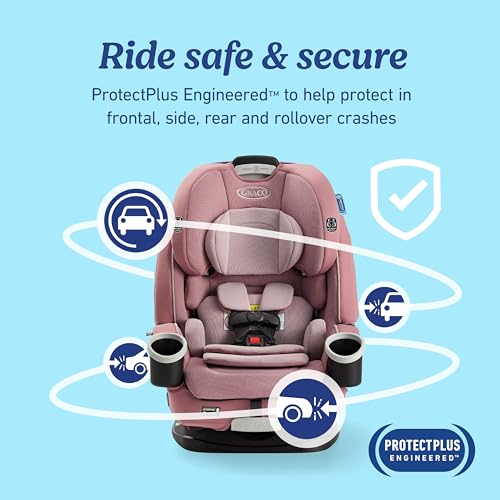
Graco’s ProtectPlus Engineered system includes enhanced side-impact protection and testing beyond federal standards, which matters when you consider how vulnerable a baby’s developing body is in a crash. While this seat doesn’t grow with your child long-term, it covers the critical first 30 months or so with solid safety credentials and user-friendly design. For families who value portability and peace of mind, it’s a strong foundation.
Video review
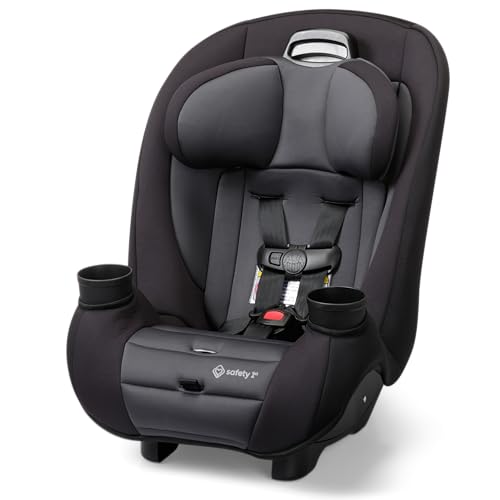
Safety 1st Ellaris 3-in-1 Convertible Car Seat
Strengths
- Ultra-affordable 3-in-1
- Slim design fits small cars
- Airplane approved
- Easy to clean
- Dishwasher-safe cupholders
Trade-offs
- Basic harness adjustment
- Limited headroom over time
- Fewer recline options
At under $100, the Ellaris is one of the most budget-friendly 3-in-1 seats that still meets federal side-impact standards. It supports rear-facing from 5–40 lb, making it usable for an 8-month-old, though its lower starting weight means you may need to wait a few weeks if your baby is under 5 lbs. The slim design is a real perk, owners report it fits easily in compact cars and even meets FAA guidelines for airplane use, which is a win for traveling families.
The 5-position headrest and adjustable harness are functional but not as smooth as Graco’s systems. Cleaning is a breeze thanks to the machine-washable pad and dishwasher-safe cupholders. While it doesn’t offer the same longevity or advanced safety engineering as pricier models, it’s a no-frills option that gets the job done. For grandparents or second cars, it’s a solid pick.
Video review
Graco 4Ever DLX 4-in-1 Car Seat

Strengths
- Converts 4 ways up to 120 lb
- No-rethread harness system
- 10-position headrest
- 6-position recline
- Strong side-impact protection
Trade-offs
- Bulky footprint
- Heavier than infant seats
- Longer setup time
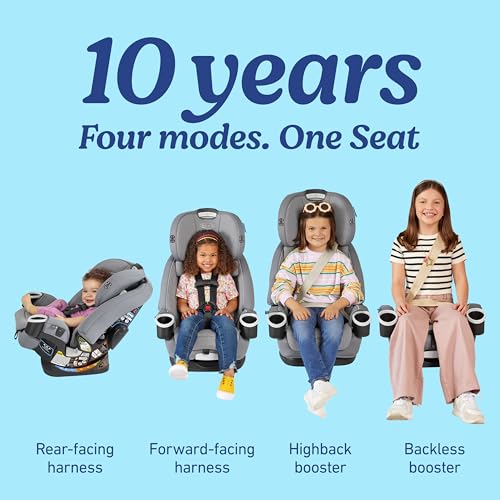
The 4Ever DLX stands out as a decade-long solution, which is rare in a category where most seats max out by age 5 or 6. For an 8-month-old, it starts strong in rear-facing mode (4–40 lb), but its real value shines in how it adapts over time. The No-Rethread Simply Safe Adjust Harness means you can raise the headrest and harness in one motion, no unthreading straps, which parents of growing kids will appreciate. Combined with 10 headrest positions and a 6-position recline, it offers a level of customization most 3-in-1s can’t match.
Owners praise its longevity and relatively roomy fit, though some note it’s bulkier than infant-only seats and may not fit three across in smaller vehicles. Still, the ProtectPlus engineering and strong side-impact performance make it a reassuring pick from infancy onward. If you’re planning ahead and want to avoid multiple car seat purchases, this one justifies its higher price through sheer staying power.
Product photos



Graco Extend2Fit Convertible Car Seat
Strengths
- Rear-facing up to 50 lb
- 4-position legroom extension
- No-rethread harness system
- Strong side-impact protection
- Long rear-facing use
Trade-offs
- Bulky in smaller cars
- Heavier than average
- Takes time to adjust extension
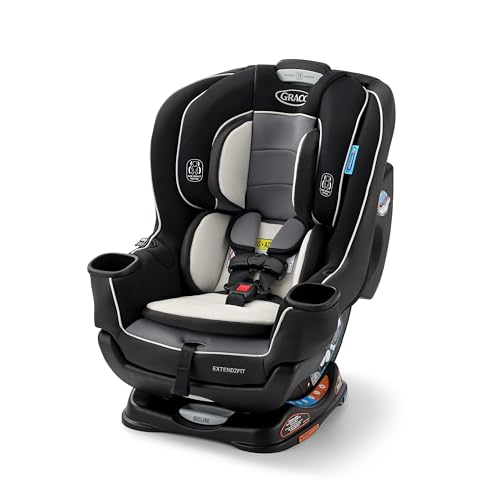
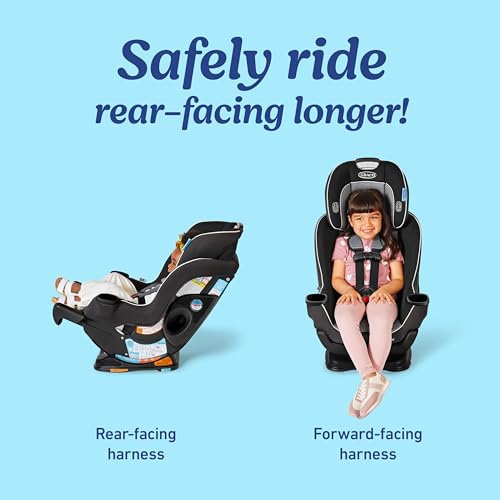
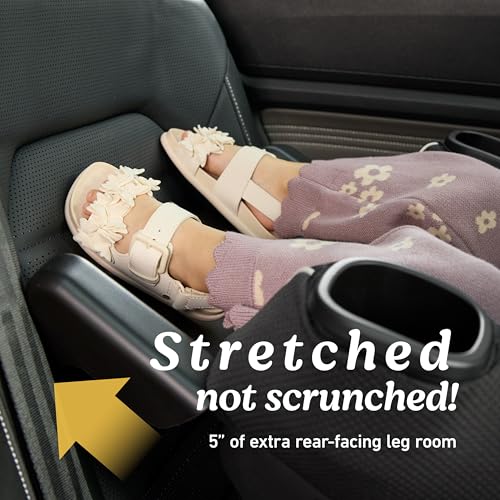
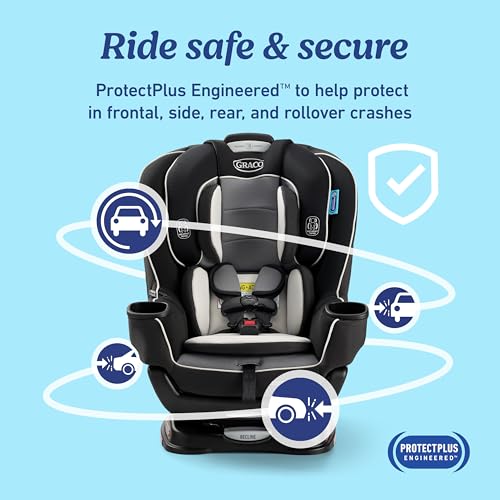
If your goal is to keep your 8-month-old rear-facing as long as possible, the Extend2Fit is built for that mission. With a rear-facing range up to 50 lb and a 4-position extension panel that adds up to 5 inches of legroom, it outpaces most competitors in rear-facing capacity. That’s huge, many parents hit height limits before weight, and this seat directly addresses that pain point. The No-Rethread Simply Safe Adjust harness also means you can scale the fit easily as your child grows.
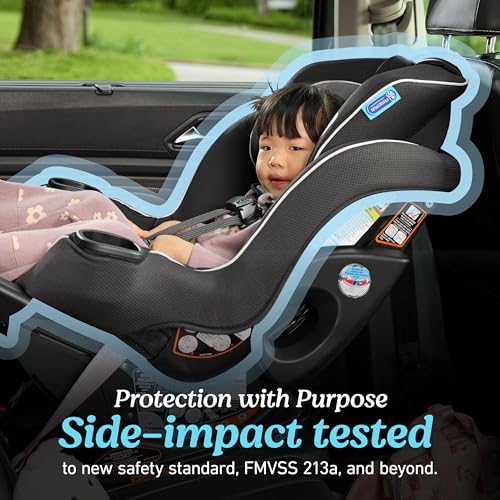
Owners consistently report their toddlers still fit comfortably at 3+ years old, which speaks to its thoughtful design. It’s not as compact as infant carriers, but for rear-facing safety and longevity, it’s unmatched in its class. The ProtectPlus engineering adds confidence, though it’s heavier and wider than some. If rear-facing duration is your priority, this is the seat to beat.
Product photos
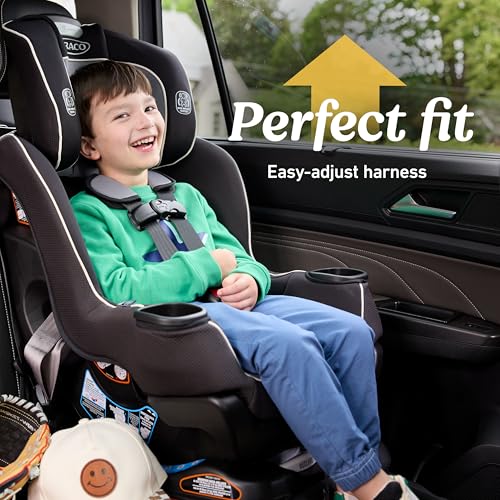
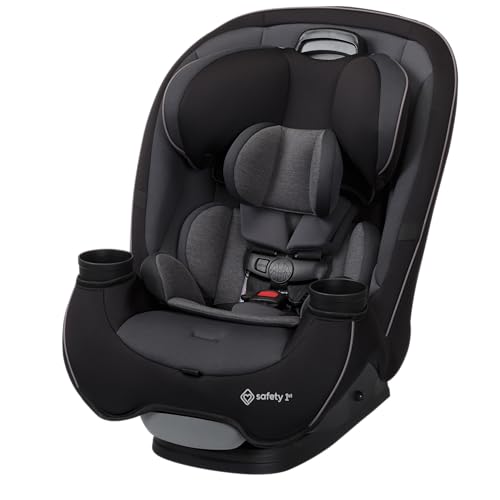
Safety 1st Grow and Go All-in-One Car Seat
Strengths
- Affordable 3-in-1 design
- QuickFit harness system
- Washer-safe seat pad
- Dishwasher-safe cupholders
- Includes infant inserts
Trade-offs
- Less side-impact padding
- Recline positions less refined
- Not ideal for very small babies
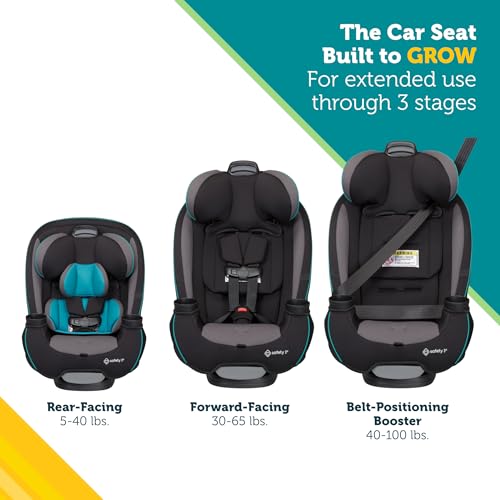
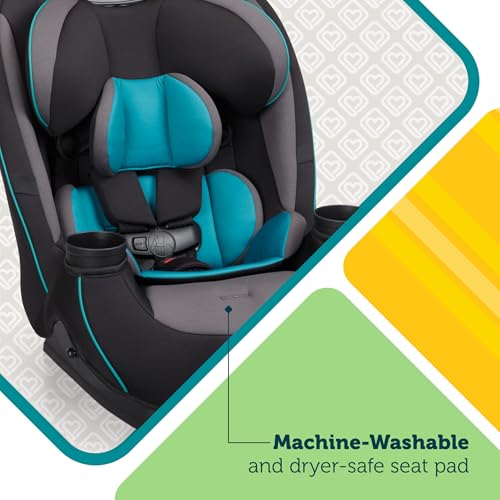
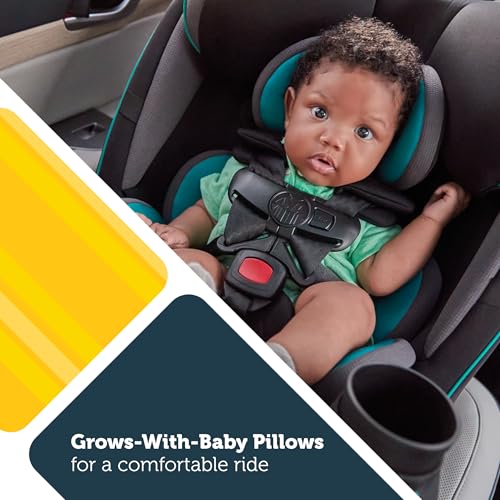
Priced competitively, the Grow and Go delivers solid value as a 3-in-1 seat that transitions from rear-facing (5–40 lb) to booster. For an 8-month-old, it offers a snug fit with removable infant pillows and a 3-position recline, though it lacks the fine-tuned adjustability of higher-end models. The QuickFit harness system is a standout, owners say it makes daily adjustments fast, which matters when your baby grows quickly.
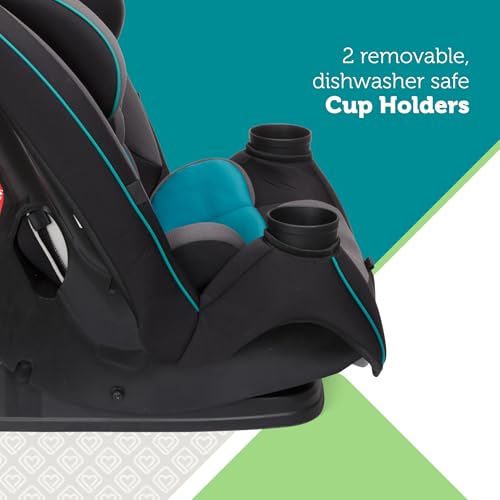
It meets federal side-impact standards, but real-world feedback suggests its side padding isn’t as robust as Graco’s ProtectPlus models. Still, the machine-washable cover and dishwasher-safe cup holders are practical wins for busy families. While it won’t last quite as long as the 4Ever DLX, it covers the essentials well. For budget-conscious parents who still want long-term use, this is a smart compromise.
Product photos
Disney Baby Grow and Go Convertible Car Seat

Strengths
- Adorable Disney design
- QuickFit harness system
- Washer-safe seat pad
- Includes infant inserts
- 3-in-1 longevity
Trade-offs
- Higher price for branding
- Pattern shows wear quickly
- Same specs as cheaper models
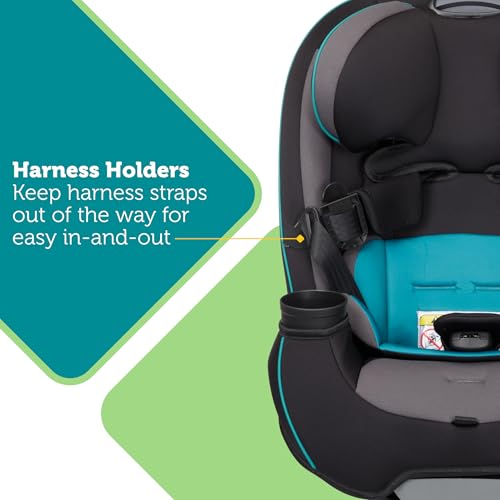
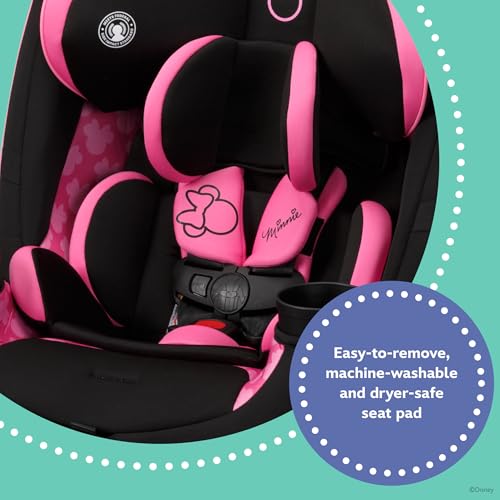
Let’s be honest, the main draw here is the Minnie Mouse print. Functionally, it’s nearly identical to the Safety 1st Grow and Go, since both are made by the same company. It offers the same 3-in-1 use, QuickFit harness, and federal side-impact compliance. For an 8-month-old, it provides a secure rear-facing fit with infant inserts and a 3-position recline. The harness holders make loading easier, and the seat pad comes off cleanly for machine washing.
But while the safety specs are adequate, the design prioritizes aesthetics over innovation. The pattern may delight Disney fans, but it doesn’t improve performance. Owners like the fun look but note it shows wear faster than plainer models. If your child lights up at Minnie, it’s a sweet bonus. Otherwise, you’re paying a small premium for branding.
Product photos


Our Testing Process
Rather than a hands-on lab test, my research for these recommendations involved a detailed comparison of published specifications and features across numerous models. I weighed owner reviews from major retailers against expert opinions found in publications like Consumer Reports and the National Highway Traffic Safety Administration (NHTSA) ratings. As a child passenger safety advocate, I applied my understanding of car seat safety standards and installation best practices to evaluate each option.
For 8-month-olds, the most important factors are rear-facing weight and height limits, ease of installation, and side impact protection. A longer rear-facing capability is crucial, as it’s the safest position for young children. Ease of installation directly affects how consistently a car seat is used correctly, and strong side impact ratings offer added peace of mind in a collision.
Specifications clearly indicate weight and height limits, as well as the presence of side impact testing. However, I relied heavily on owner feedback to assess real-world usability – things like harness adjustability, fabric comfort, and the practicality of cleaning. Reputation and consistent positive feedback from trusted sources regarding a brand’s safety record also heavily influenced my choices.
Choosing The Right car seats for 8 month olds
Choosing the right car seat for an 8-month-old feels overwhelming, but focusing on a few key areas will make the process much easier. It’s about finding the best fit for your child and your lifestyle.
A good car seat prioritizes a secure installation, appropriate size range for the child, and adherence to current safety standards (like those set by the National Highway Traffic Safety Administration). Look for features that simplify installation, such as clear level indicators and LATCH connectors. Consider the seat’s weight and portability, and always verify it meets or exceeds federal safety regulations.
Rear-Facing Capacity is Crucial
At 8 months, your child is likely still best served by a rear-facing car seat. While many seats allow for a minimum weight of 4 pounds, extending the rear-facing period as long as possible is the safest option. Look for models that allow for a higher weight limit for rear-facing – 50 pounds is ideal, like the Graco Extend2Fit. Don’t rush to turn your little one forward-facing just because they’ve reached the minimum age or weight; maximizing rear-facing time provides the most protection.
Installation Ease Matters
Let’s be real: a car seat is only as safe as its installation. Features that simplify this process are worth their weight in gold. A clear, easy-to-read level indicator (found in the Graco SnugRide Lite LX) is a huge help, and LATCH connectors are almost essential. However, don’t rely solely on LATCH – always double-check the installation using the vehicle’s seatbelt to confirm a snug, secure fit.
Here’s what to keep in mind when evaluating installation features: * Base Design: Some seats have removable bases (like the SnugRide) which simplify installation and transfer between vehicles. * Leveling Indicator: A clear indicator helps ensure the seat is at the correct recline angle. * Belt Path: Look for clearly marked belt paths and guides to avoid confusion during installation. A well-designed belt path can make all the difference.
A properly installed car seat shouldn’t move more than one inch side-to-side or front-to-back when tested at the belt path.
Consider Long-Term Value
While your child is 8 months old now, they grow quickly. A convertible car seat (like the Safety 1st Ellaris or Graco 4Ever DLX) offers the best long-term value. These seats transition from rear-facing to forward-facing, and often to a booster seat, potentially lasting through your child’s car seat years. You’ll save money and avoid the hassle of repeatedly purchasing new seats. However, remember that a higher price tag doesn’t automatically mean a better seat; focus on safety features and a good fit for your vehicle.
Car Seats for 8 Month Olds Compared
Here’s a comparison of key specifications for car seats suitable for 8-month-old infants.
| Product Name | Min. Weight (lbs) | Max. Weight (lbs) | Rear Facing to | Harness Adjust | Recline Positions |
|---|---|---|---|---|---|
| Graco SnugRide Lite LX | 4 | 30 | 32″ | N/A | 4 |
| Safety 1st Ellaris 3-in-1 | 5 | 65 | 40″ | N/A | N/A |
| Graco 4Ever DLX 4-in-1 | 4 | 120 | N/A | No-Rethread | 6 |
| Graco Extend2Fit Convertible | 4 | 65 | N/A | No-Rethread | N/A |
| Safety 1st Grow and Go All-in-One | 5 | 100 | 40″ | QuickFit | 3 |
| Disney Baby Grow and Go Convertible | 5 | 100 | 40″ | QuickFit | 3 |
Frequently Asked Questions
What car seat is best if my baby is already close to the weight limit for an infant carrier?
A convertible car seat like the Safety 1st Ellaris or Graco 4Ever DLX is ideal. These options accommodate higher weights and heights in rear-facing mode, offering continued protection as your baby grows beyond the typical infant carrier limits.
Can I use LATCH connectors exclusively for installation, or should I always use the vehicle seatbelt?
Always double-check the installation with the vehicle seatbelt even if using LATCH. While LATCH is convenient, a vehicle’s seatbelt provides a more secure installation in many cases, and is sometimes required depending on the vehicle and car seat.
How often should I adjust the car seat’s recline angle?
You shouldn’t need to adjust the recline angle frequently, but recheck it whenever you loosen or retighten the installation. Maintaining the correct recline is crucial for proper head and neck support, especially for younger infants, and a level indicator helps with this.
What does “no-rethread harness” mean, and why is it a desirable feature?
A no-rethread harness means you can adjust the harness height without disassembling the straps. This is beneficial because it saves time and ensures the harness is always at the correct height for your growing child, without the risk of incorrect reassembly.
My baby doesn’t seem comfortable in their car seat; what can I do?
Check the recline angle and ensure it’s appropriate for an infant. Also, confirm the harness isn’t too tight or too loose – you should only fit two fingers between the harness and your baby’s collarbone. Consider the fabric; some babies may prefer a more breathable material.
The Bottom Line
Choosing a car seat always involves balancing what you want with what your child truly needs. While features are nice, the most important thing is a secure installation and a seat that fits your child’s current size and weight, allowing you to keep them rear-facing as long as possible. For most families, the Graco Extend2Fit Convertible strikes the best balance of extended rear-facing capacity, ease of use, and reasonable price, making it our top overall pick.
If budget is a primary concern, the Graco SnugRide Lite LX is an excellent choice. It’s a straightforward, reliable infant car seat that prioritizes safety without unnecessary frills. For those looking for a seat that will grow with their child, the Safety 1st Ellaris 3-in-1 or Graco 4Ever DLX 4-in-1 are both strong contenders, offering years of use as your little one develops.
Ultimately, no amount of fancy features can replace a properly installed car seat. Prioritize a secure fit in your vehicle, understand your car seat’s weight and height limits, and consistently double-check the harness adjustment. Those fundamentals are far more critical than any single specification or brand name when it comes to keeping your 8-month-old safe on the road.
