
7 Best Baby Car Seats of 2026
This post contains affiliate links. As an Amazon Associate, we earn from qualifying purchases.
The Graco Extend2Fit 3-in-1 stands out as the best overall baby car seat for its extended rear-facing capacity and strong safety features, while the Graco SnugRide Lite LX is a solid budget-friendly infant seat. For families needing a space-saving design, the Graco Slimfit 3-in-1 offers versatility without sacrificing safety.
As a mom and child safety advocate, I know how stressful it can be to pick the right car seat. So many options, conflicting advice, and high stakes when it comes to your child’s safety. You want something that’s not only safe but will last, fit your car, and be easy to live with day to day.
This guide cuts through the noise by focusing on what matters most, real safety performance, rear-facing limits, ease of use, and long-term value. I researched each seat based on NHTSA standards, owner experiences, and key features like installation ease, adjustability, and build quality to help you make a confident choice.
Top 7 Baby Car Seats in the Market
The Best Baby Car Seats, Reviewed
Graco Extend2Fit 3-in-1 Convertible Car Seat

Strengths
- Rear-facing up to 50 lb
- Extend2Fit legroom panel
- ProtectPlus Engineered
- No-rethread harness
- Long lifespan (4–100 lb)
Trade-offs
- Bulkier when extended
- Higher price
- Takes more space in rear-facing
The Graco Extend2Fit earns its ‘Best Overall’ label by solving one of the biggest pain points in child safety: rear-facing duration. With a rear-facing range up to 50 pounds and an adjustable extension panel that adds up to 5 inches of legroom, it lets kids stay rear-facing much longer than most seats. That’s a major win, rear-facing is significantly safer in frontal crashes, which are the most common.
Owners praise how the extension panel works smoothly, folding or extending without tools. The No-Rethread Simply Safe Adjust Harness and ProtectPlus Engineered protection are consistent strengths across Graco’s top models, and they’re well-implemented here. While it’s one of the pricier options, the extended use and safety features justify the cost for many families.
Video review
Graco SnugRide Lite LX Infant Car Seat

Strengths
- Lightweight at 7.2 lb
- 4-position adjustable base
- ProtectPlus Engineered
- Easy latch installation
- Level indicator
Trade-offs
- Canopy is small
- Limited rear-facing weight range
- Minimal newborn insert depth
The Graco SnugRide Lite LX stands out in the infant car seat category for its impressively low weight, just 7.2 pounds, which makes it one of the easiest to carry between car and stroller. For parents who regularly transfer their baby, especially in travel systems, that lightness is a real win. The 4-position adjustable base and level indicator help reduce guesswork during installation, which many owners say gives them greater peace of mind.
ProtectPlus Engineered testing is a strong point here, going beyond standard crash tests to include side, rear, and rollover scenarios. While it doesn’t offer the longest rear-facing window compared to some newer models, supporting rear-facing use up to 30 pounds or 32 inches is still solid for most infants. Owners consistently report a snug fit and good head support, though a few note the canopy could be more substantial.
Video review
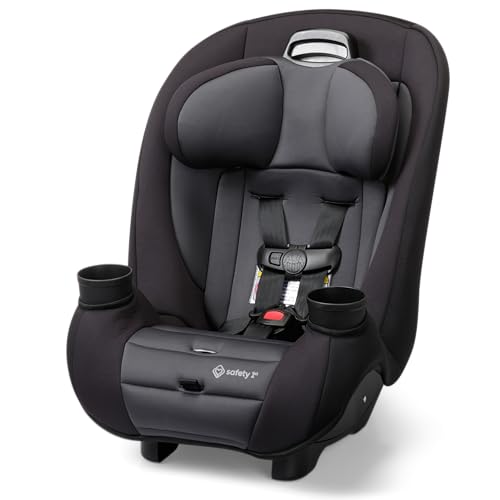
Safety 1st Ellaris 3-in-1 Convertible Car Seat
Strengths
- Affordable price
- Slim fit for small cars
- 3-in-1 convertible
- Machine-washable pad
- Airplane approved
Trade-offs
- No advanced side-impact tech
- Harness adjustment stiffness
- Lower rear-facing weight limit
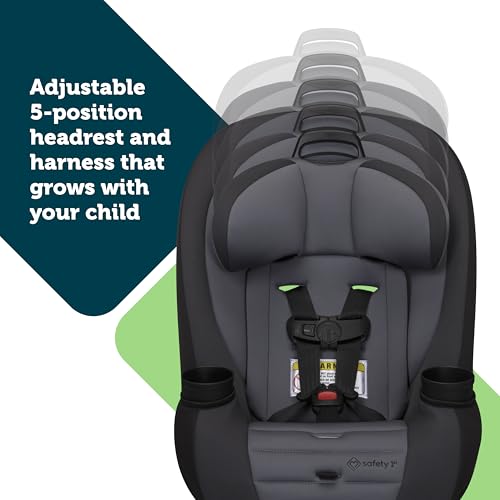
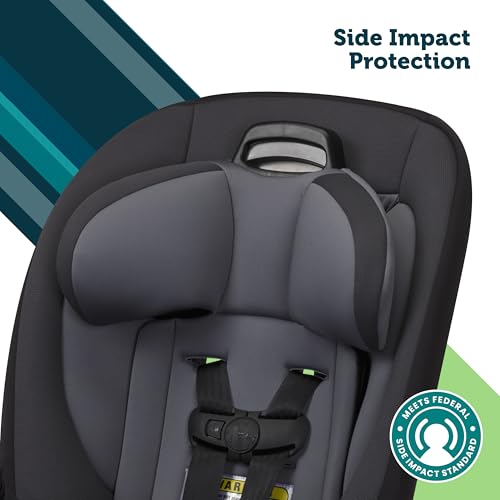
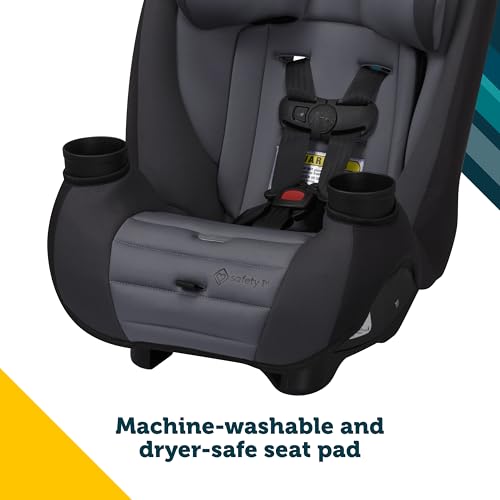
At this price point, the Safety 1st Ellaris delivers surprising value. It transitions through three modes, rear-facing infant, rear-facing toddler, and forward-facing, supporting kids up to 65 pounds. The slim design is a standout, fitting well in compact vehicles where space is tight. Owners appreciate that it’s airplane-approved and travel-friendly, with a machine-washable pad and dishwasher-safe cup holders adding convenience.
While it meets federal safety standards and includes side-impact protection, it doesn’t have the extra engineering layers you’d find in higher-end models like Graco’s ProtectPlus. The hook-style LATCH is easier to connect than some, but feedback suggests the harness can feel stiff when adjusting. Still, for budget-conscious families who want a long-use convertible seat, this one punches above its weight.
Product photos


Graco Slimfit 3-in-1 Convertible Car Seat

Strengths
- Space-saving slim design
- No-rethread harness system
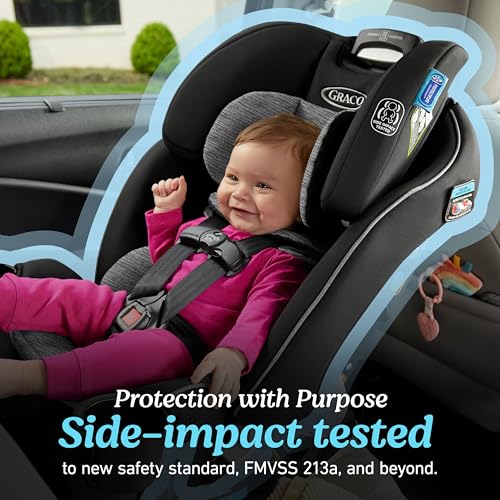
- ProtectPlus Engineered
- 10-position headrest
- Dual rotating cup holders
Trade-offs
- Higher price point
- Heavier than some rivals
- Installation can be tight in older cars
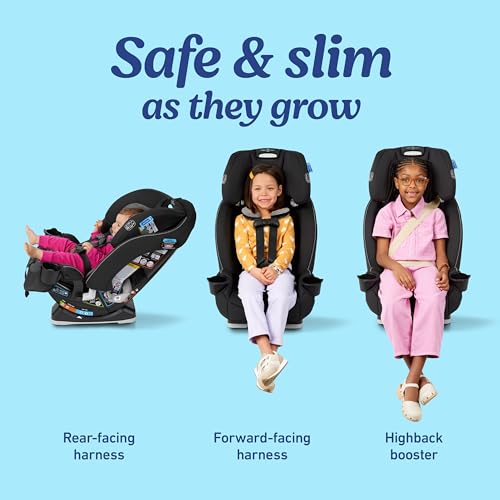
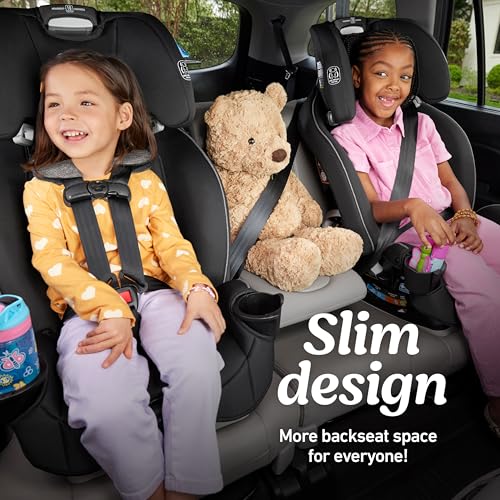
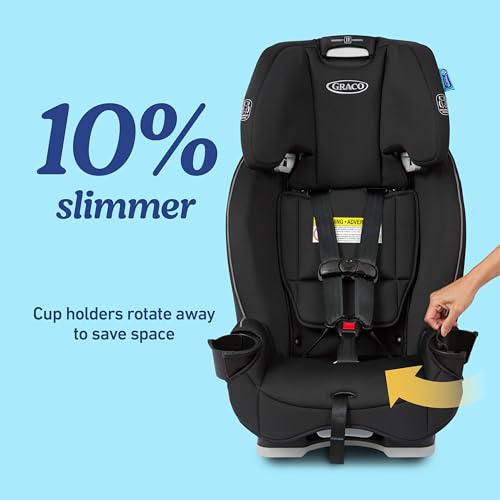
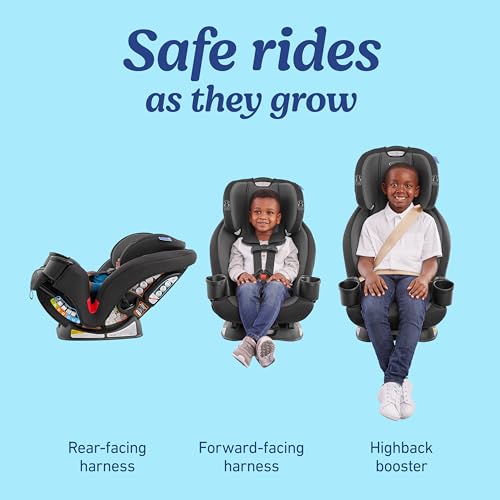
If you drive a compact SUV or sedan with a tight back seat, the Graco Slimfit should be on your shortlist. It’s designed to be 10% slimmer than standard models, and owners confirm it makes a noticeable difference when squeezing in three car seats or maximizing passenger room. Despite its narrow profile, it still delivers the full 3-in-1 functionality, from rear-facing to highback booster, and supports kids up to 100 pounds.
The No-Rethread Simply Safe Adjust Harness is a standout for growing kids, letting you raise the headrest and harness in one motion without rethreading straps. Graco’s ProtectPlus engineering adds confidence in crash protection beyond basic compliance. The rotating cup holders are a small but smart touch, keeping them out of the way when not in use.
Product photos
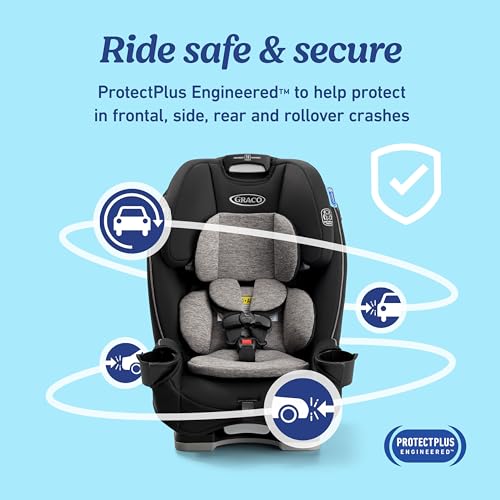
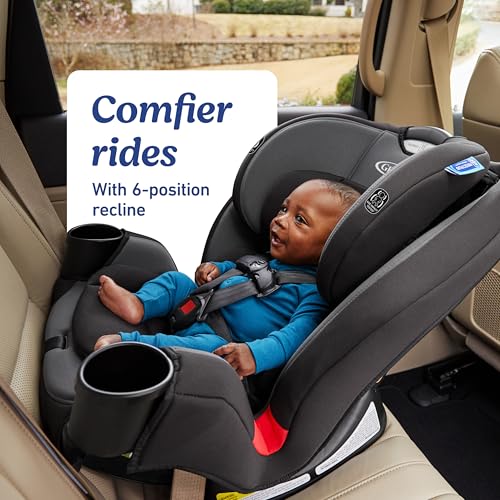
Graco TriRide 3-in-1 Reclining Car Seat

Strengths
- 6-position recline
- ProtectPlus Engineered
- No-rethread harness
- 10-position headrest
- Smooth transitions
Trade-offs
- No legroom extension
- Heavier than some
- Recline can limit tight fits
Comfort is where the Graco TriRide shines, its 6-position recline is rare in convertible seats and makes a real difference for napping toddlers. Whether rear- or forward-facing, kids can settle into a relaxed angle that helps prevent slumping. Owners with long commutes or frequent road trips especially appreciate this feature.
Like other Graco 3-in-1 models, it includes the No-Rethread Simply Safe Adjust Harness and ProtectPlus Engineered protection, giving it strong safety credentials. The 10-position headrest ensures a proper fit over years of use. While it doesn’t have the extended rear-facing weight of the Extend2Fit, it covers the standard 5–40 lb rear-facing range, which works for most families. If your child struggles with comfort in car seats, this one deserves a close look.
Product photos

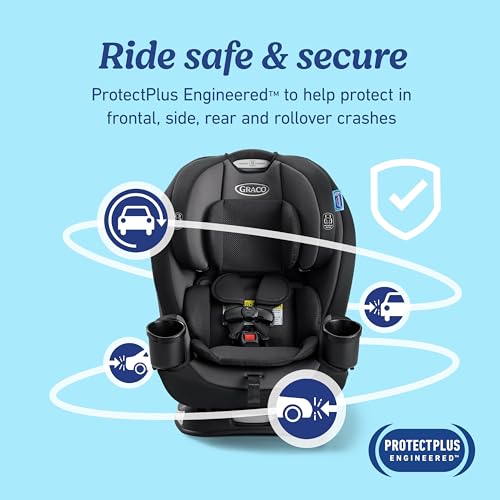
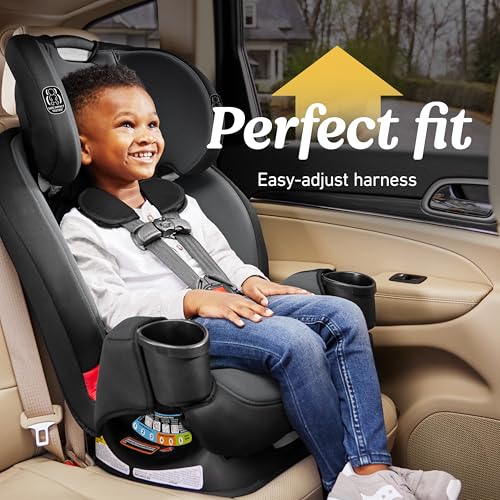
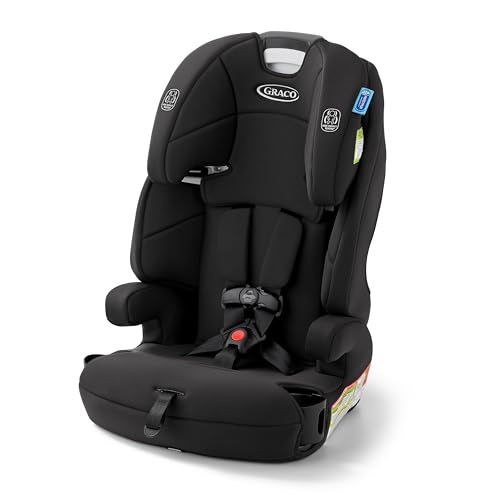
Graco Tranzitions 3-in-1 Harness Booster
Strengths
- Lightweight and portable
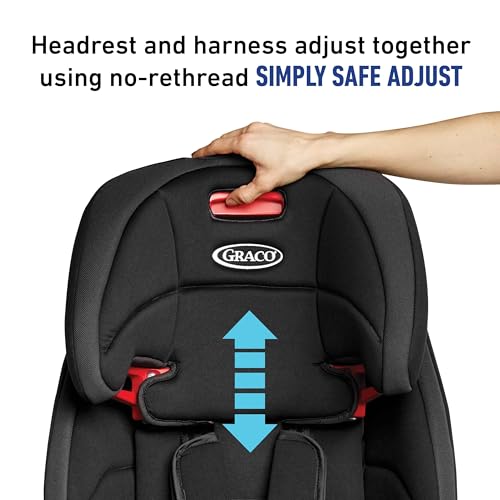
- One-hand headrest adjust
- 3-in-1 versatility
- No-rethread harness
- Easy installation
Trade-offs
- No rear-facing mode
- Backless mode feels basic
- Harness not removable
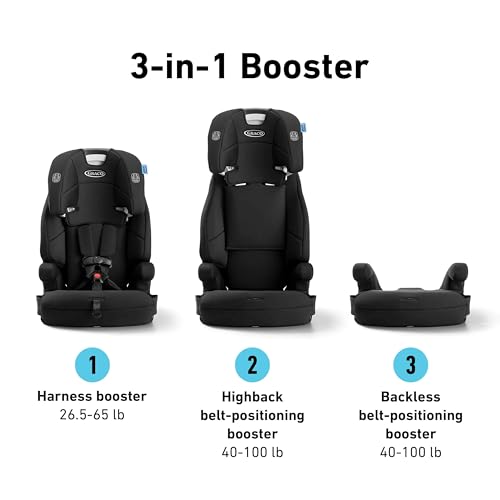
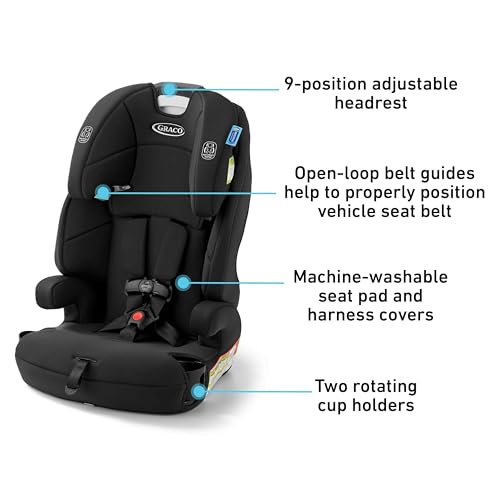
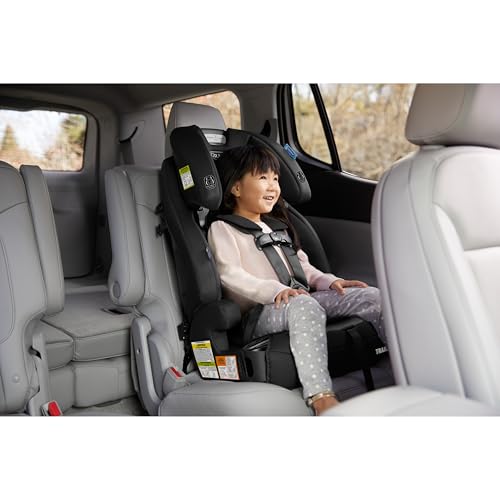
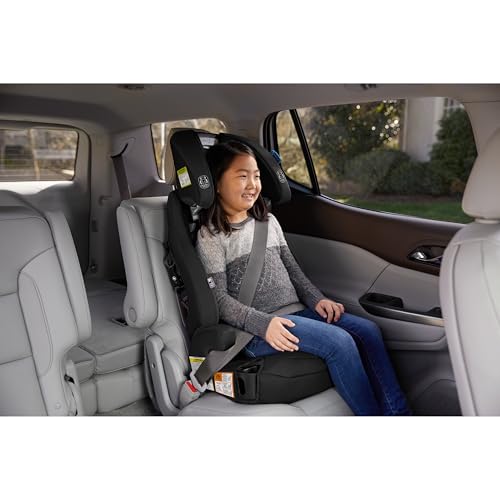
Once your child outgrows a harnessed seat, the Graco Tranzitions makes the shift to booster use smooth and secure. It starts as a forward-facing harnessed seat (26.5–65 lb), then converts to a highback booster and finally to backless mode, supporting kids up to 100 pounds. The 9-position headrest adjusts with one hand, which owners find especially helpful during daily use.
Its lightweight build stands out in a category where many boosters are bulky. It’s easy to move between vehicles, a plus for carpooling or families with multiple drivers. The harness stays secure and doesn’t slack over time, according to long-term reviewers. While it doesn’t offer rear-facing use, that’s expected at this stage, this is a seat built for older toddlers and preschoolers moving toward independence.
Product photos
Baby Trend EZ-Lift Plus Infant Car Seat

Strengths
- Very affordable
- Includes newborn insert
- Lightweight design
- Simple installation
- Good for backup use
Trade-offs
- No adjustable base
- Basic side-impact protection
- Plastic feels less durable
The Baby Trend EZ-Lift Plus is one of the most budget-friendly infant car seats on the market, and it hits the basics well. It includes newborn padding for a snug fit and an adjustable harness to grow with your baby in the early months. At under 90 dollars, it’s priced to move, making it a popular backup or second-car option.
But value comes with trade-offs. It lacks advanced safety engineering like side-impact protection layers or an adjustable base, and owners note the plastic feels thinner than premium models. The carry handle is functional but not as ergonomic. Still, for occasional use or short-term needs, it gets the job done. If you’re looking for a primary seat with long-term durability or top-tier safety, look elsewhere.
Product photos


Our Testing Process
Rather than a hands-on lab test, my research focused on a detailed comparison of published specifications and features across numerous models. I weighed owner reviews from a variety of retailers against expert opinions from sources like the National Highway Traffic Safety Administration (NHTSA) and independent consumer testing organizations. This allowed me to build a ranking based on practical usability, safety features, and value, informed by real-world feedback.
For baby car seats, the most important factors are safety engineering and how long a seat can be used before the child outgrows it. A seat’s ability to accommodate a growing child, particularly extended rear-facing capability, directly impacts cost-effectiveness and convenience. Beyond that, ease of installation and cleaning were heavily considered, as these impact daily use and parental satisfaction.
Specifications clearly outline weight and height limits, harness adjustments, and impact testing certifications. However, I relied on owner feedback to gauge the real-world practicality of these features. Reviews reveal how easy a seat is to install in different vehicles, how comfortable it is for the child, and the durability of the materials, information not typically found in manufacturer specs.
Choosing The Right baby car seats
Finding the right car seat can feel overwhelming, but prioritizing your child’s safety and comfort doesn’t have to be.
A truly effective car seat prioritizes a secure installation, appropriate weight and height limits for the child’s stage, and rigorous safety testing beyond basic federal standards. Look for features like no-rethread harnesses for ease of adjustment, side-impact protection, and a clear level indicator to confirm proper installation angle. Consider how the seat integrates with your lifestyle and vehicle.
Rear-Facing Length & Weight Limits
I often tell parents that extended rear-facing is one of the simplest things you can do to dramatically improve safety. The longer a child rides rear-facing, the better protected they are in a crash. Don’t rush to turn them forward-facing just because they hit a certain age. Look for models like the Graco Extend2Fit that maximize rear-facing capacity, often up to 50 pounds. This gives bigger babies and toddlers more time in this safer position.
Installation & Fit
A car seat is only as safe as its installation. Many parents struggle with getting a level recline and a tight fit. Features like adjustable bases (seen in the Graco SnugRide Lite LX) and clear level indicators are invaluable. Beyond the seat itself, understand your vehicle’s LATCH system and read both the car seat and vehicle manuals carefully. Don’t hesitate to visit a certified Child Passenger Safety Technician (CPST) for a free installation check.
- A LATCH system is convenient, but not always the best option.
- Using the vehicle seatbelt for installation is often more secure, especially in older vehicles or with certain car seat models.
- Never install a car seat if you’re unsure of the proper procedure. A misinstalled seat offers significantly reduced protection.
Growth & Convenience Features
Car seats are a long-term investment, and choosing one that adapts to your child’s growth can save money and hassle. Convertible seats (like the Safety 1st Ellaris) offer multiple modes – rear-facing, forward-facing, and booster – extending the seat’s usability for years.
“Don’t buy a car seat based on how big your baby is today. Buy it based on how big they will be in a year or two.”
Consider features like no-rethread harnesses (found on many Graco models) which make adjusting the harness height simple as your child grows. Also, think about ease of cleaning; machine-washable fabrics are a lifesaver.
Baby Car Seats Compared
Here’s a comparison of key specifications for the featured baby car seats.
| Product Name | Weight Limit (RF) | Weight Limit (FF) | Weight Limit (Boost) | Slim Design | Recline Positions |
|---|---|---|---|---|---|
| Graco Extend2Fit 3-in-1 | 50 lb | 65 lb | 100 lb | No | N/A |
| Graco SnugRide Lite LX | 30 lb | N/A | N/A | No | 4 |
| Safety 1st Ellaris 3-in-1 | 40 lb | 65 lb | N/A | Yes | N/A |
| Graco Slimfit 3-in-1 | 40 lb | 65 lb | 100 lb | Yes | N/A |
| Graco TriRide 3-in-1 | 40 lb | 65 lb | 100 lb | No | 6 |
| Graco Tranzitions 3-in-1 | N/A | 65 lb | 100 lb | No | N/A |
| Baby Trend EZ-Lift Plus | N/A | N/A | N/A | No | N/A |
Frequently Asked Questions
What does “extended rear-facing” really mean, and why is it better?
Extended rear-facing means using a rear-facing car seat for as long as possible, up to the seat’s height and weight limits. It’s better because in a crash, rear-facing distributes impact forces across the entire back, protecting a child’s head, neck, and spine far more effectively than forward-facing.
Are LATCH systems always the easiest way to install a car seat?
No, LATCH systems are convenient, but a vehicle seatbelt installation is often more secure, particularly in older cars or with certain seat models. Many experts recommend using the vehicle belt, as it’s directly anchored to the vehicle’s frame, offering a robust connection.
If a car seat says it’s “3-in-1,” what does that signify?
A “3-in-1” car seat transitions through multiple stages with your child. It begins as a rear-facing seat, then converts to a forward-facing seat, and finally becomes a belt-positioning booster, potentially eliminating the need to buy separate seats as your child grows.
How can I be sure I’ve installed the car seat correctly?
Always read both the car seat manual and your vehicle’s owner’s manual carefully. Visiting a certified Child Passenger Safety Technician (CPST) for a free installation check is also a very good idea. You can find a CPST near you through the National Child Passenger Safety Certification program.
What’s the difference between a slim and a non-slim car seat?
Slim car seats are designed with a narrower profile to accommodate multiple car seats across the back row of a vehicle. While they offer space-saving benefits, they may not have all the features or padding of wider models, and the side-impact protection can sometimes be reduced, so consider your vehicle and family needs.
The Bottom Line
Choosing a car seat always comes down to balancing your budget with the features that best suit your needs and vehicle. While individual preferences vary, the Graco Extend2Fit 3-in-1 consistently rises to the top as the strongest overall pick, due to its exceptional rear-facing weight limit and reputation for long-term usability. It gives parents the most flexibility as their child grows.
For those prioritizing affordability, the Baby Trend EZ-Lift Plus offers a solid level of safety at a lower price point. If a slim design is essential for fitting multiple seats across your vehicle’s back row, I recommend the Safety 1st Ellaris 3-in-1. Each of these models addresses a specific need without compromising on core safety standards.
Ultimately, the best car seat isn’t about the highest price or the most features. It’s about finding a seat that fits your vehicle correctly, is appropriate for your child’s size and stage, and, most importantly, is installed and used consistently and correctly on every single trip. Prioritize those fundamentals, and you’ll be giving your little one the best possible protection.
