7 Best Booster Seats for 3-Year-Olds 2026
This post contains affiliate links. As an Amazon Associate, we earn from qualifying purchases.
The Graco Tranzitions 3-in-1 is the best booster seat for 3 year olds, giving your child the safety of a harness while growing into a highback and eventually backless booster. For a budget-friendly yet reliable option, the Graco TurboBooster 2.0 Highback steps in once they’re ready to move past the harness.
Most parents don’t realize that many 3-year-olds aren’t ready for a booster seat yet, most need to stay in a forward-facing harness until at least 40 pounds. Jumping to a booster too soon can compromise safety in a crash.
This guide focuses on seats that support safe transitions, prioritizing models with strong side-impact protection, adjustable harnesses, and real-world usability. My recommendations are based on safety standards, owner feedback, and years of researching child passenger safety, not personal testing of each model.
Top 7 Booster Seats For 3 Year Olds in the Market
The Best Booster Seats For 3 Year Olds, Reviewed
Graco Tranzitions 3-in-1 Harness Booster
Strengths
- 3-in-1 flexibility
- No-rethread harness
- Lightweight design
Trade-offs
- Side wings less protective
- Backless mode less secure
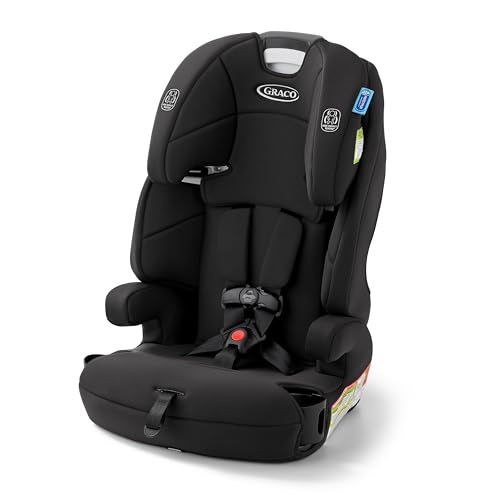
For parents of 3-year-olds, the Tranzitions stands out because it actually accommodates kids starting at just 26.5 pounds in harness mode, most boosters don’t support such young toddlers. That makes it a rare option that can grow with a child from toddlerhood into grade school. The No-Rethread Simply Safe Adjust system is a big win, letting the headrest and harness move together with one hand, which owners consistently praise for simplifying daily use.
Still, the shift from harness to highback booster doesn’t happen until 40 pounds, so if your child is a smaller 3-year-old, you’ll be in harness mode for a while. On paper, the 3-in-1 functionality looks robust, but some reviewers note the backless mode feels less stable than dedicated highback models. Compared to the Baby Trend Hybrid SI, it doesn’t emphasize side-impact protection as much, but Graco’s reputation for durability and ease of use gives it an edge for families wanting long-term value.
Video review
Baby Trend Hybrid SI 3-in-1 Booster

Strengths
- Strong side-impact design
- Cushioned seating
- 3-in-1 versatility
Trade-offs
- Heavy and bulky
- No LATCH in booster mode
- Less portable
The Hybrid SI earns its ‘Best Side-Impact Protection’ label with a design that wraps more around the child than most in this category. For a 3-year-old, that’s critical, lateral protection matters just as much as frontal in real-world crashes. It supports harness use up to 65 pounds, which covers most 3-year-olds comfortably, and the adjustable headrest keeps pace with growth. Owners report the cushioning is softer than Graco’s offerings, making long rides more tolerable for sensitive kids.
But it’s bulkier and heavier than the Tranzitions, which could be a pain for families moving the seat between cars. The dual cup holders are a small but appreciated perk. While it lacks LATCH in booster mode, the harness stage uses a standard seat belt installation. Compared to the Evenflo GoTime LX, it’s a better fit for younger kids, but not as easy to transition into backless use later.
Video review
Graco TurboBooster 2.0 Highback
Strengths
- Adjustable comfort features
- 2-in-1 flexibility
- Good crash protection
Trade-offs
- No LATCH system
- Starts at 40 lb
- Less growth range
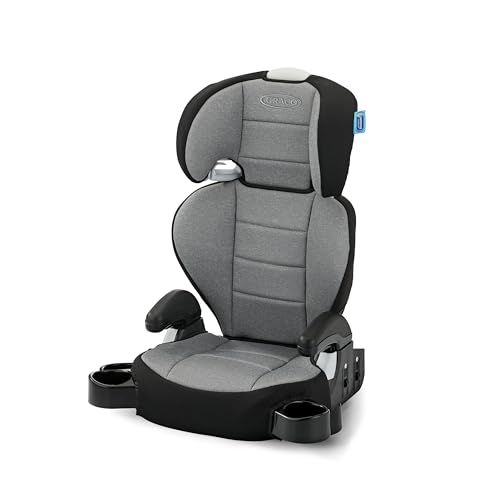
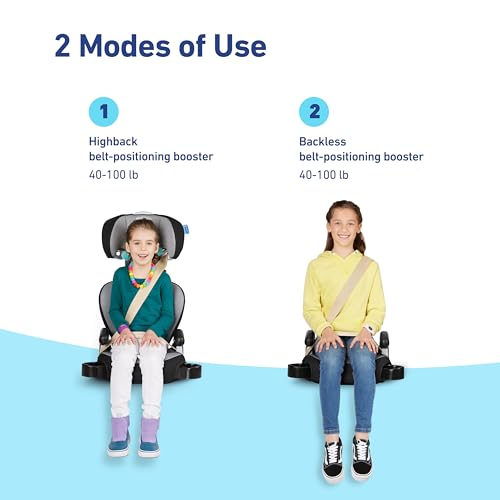
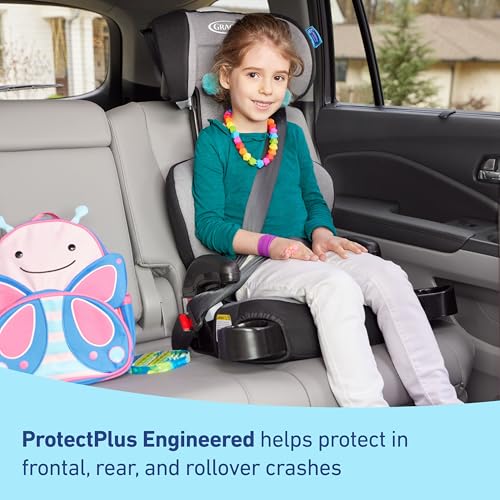
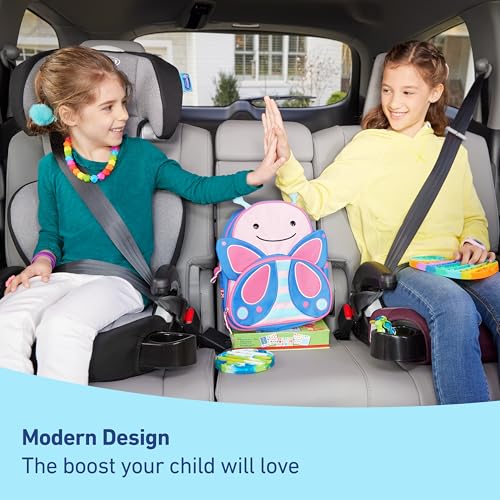
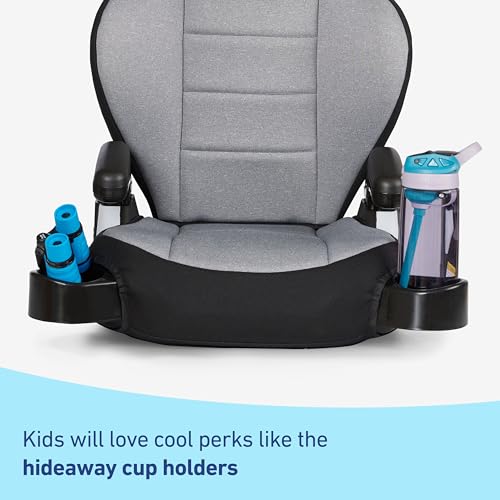
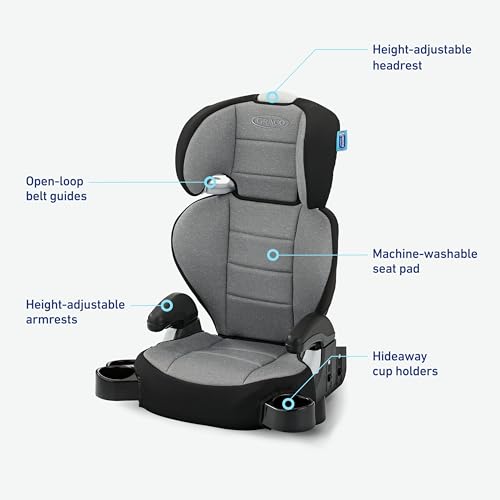
This 2-in-1 highback offers solid safety and comfort at a mid-range price, and Graco’s ProtectPlus engineering gives it credibility in crash protection. It starts at 40 pounds, so again, not for the average 3-year-old, but if yours is nearing that mark, it’s a well-rounded option. The height-adjustable armrests and head support are well-designed, and the hide-away cup holders keep things tidy.
Reviewers note it’s easier to install than the Evenflo GoTime LX and more comfortable than the basic Cosco models. It lacks LATCH, though, so it moves more freely between cars, which can be a pro or con depending on your needs. Compared to the Tranzitions, it doesn’t have a harness, so it’s not as long-term, but for families ready to move past harness seats, it’s a strong value.
Product photos
Evenflo GoTime LX Booster Seat
Strengths
- Deep side support
- Easy height adjustment
- Two cup holders
Trade-offs
- Not for under 40 lb
- No harness option
- Late start for 3-year-olds
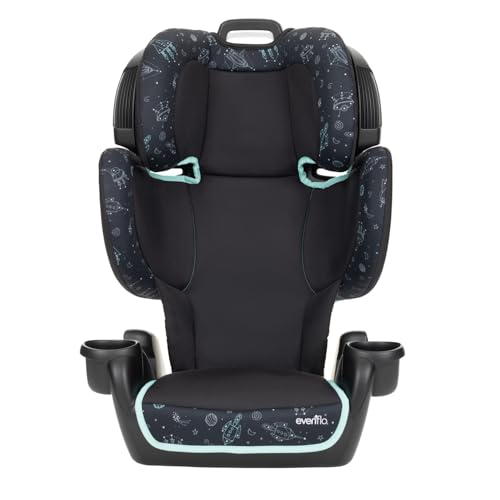
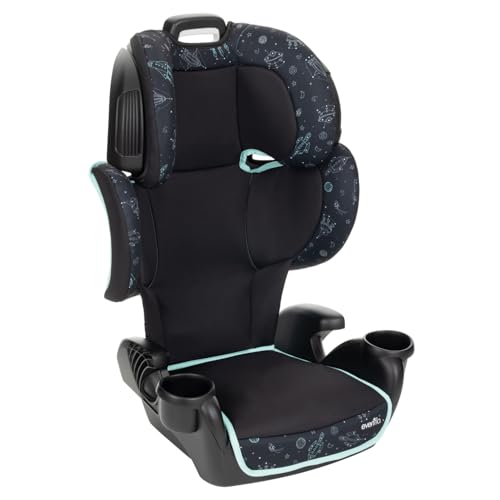
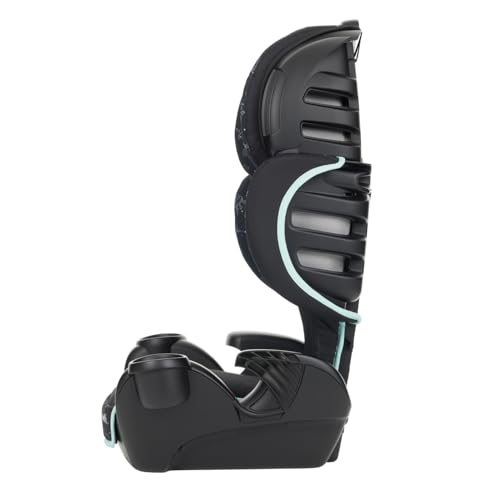
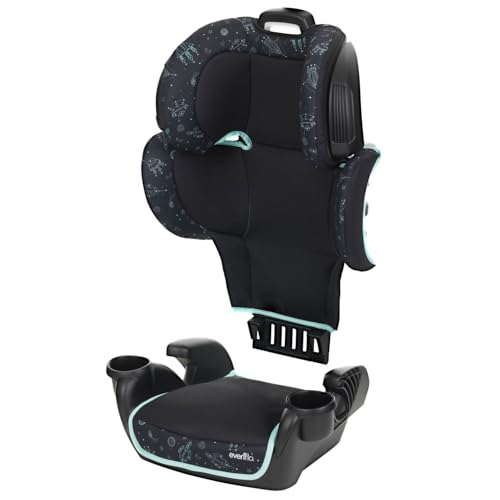
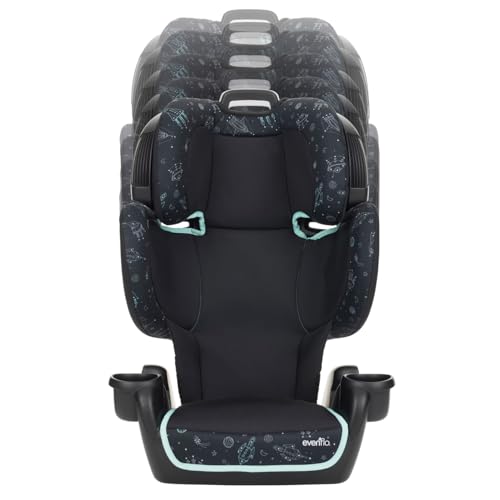
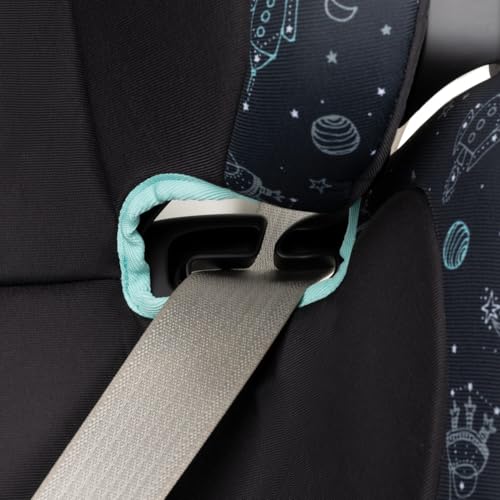
I wouldn’t recommend this as a first booster for most 3-year-olds, it’s built for kids 5 and up, starting at 40 pounds. That means if your child is under 40 pounds or still needs a harness, this one won’t work. But for families with slightly older toddlers nearing 5, it’s a solid highback booster with a deep seat and strong side wings that reviewers say help with head support during naps.
The 7-position headrest adjusts easily, and the two cup holders are a consistent hit in owner feedback. It transitions to backless mode, but given its size, it’s best kept as a highback. Compared to the Graco TurboBooster 2.0 Highback, it lacks harness functionality, so it’s not a long-term grow-with-me seat. If you’re looking for value and your child is already 40+ pounds, it’s a decent pick, but not for the average 3-year-old.
Product photos
Graco TurboBooster 2.0 Backless

Strengths
- Machine-washable pad
- Adjustable armrests
- Top-rated by consumers
Trade-offs
- No LATCH system
- Backless = vehicle-dependent
- Not for young toddlers
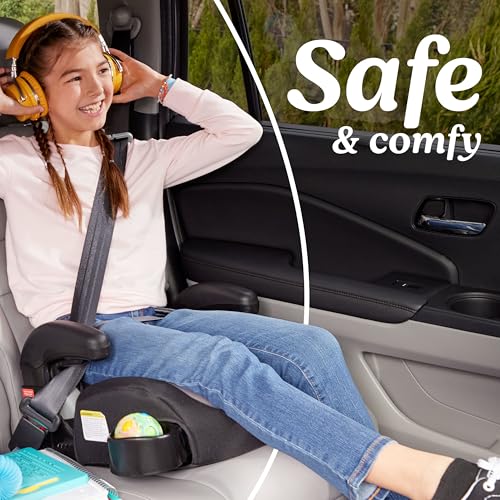
This is the most affordable Graco backless booster and a step up from the Cosco Topside in build and comfort. It includes height-adjustable armrests and a machine-washable pad, small perks that matter for busy families. Like the LX model, it lacks LATCH, so it doesn’t stay put when unoccupied, but it’s still a stable seat when in use.
Owners appreciate the easy cleanup and the fact that it’s a top-rated backless booster in consumer tests. But again, it’s for kids 40+ pounds and offers no head or side protection. Compared to the LATCH-equipped LX, it’s less convenient for shared vehicles. Still, for a primary backless seat in a single car, it’s a smarter budget pick than the Cosco.
Product photos


Graco TurboBooster LX with LATCH
Strengths
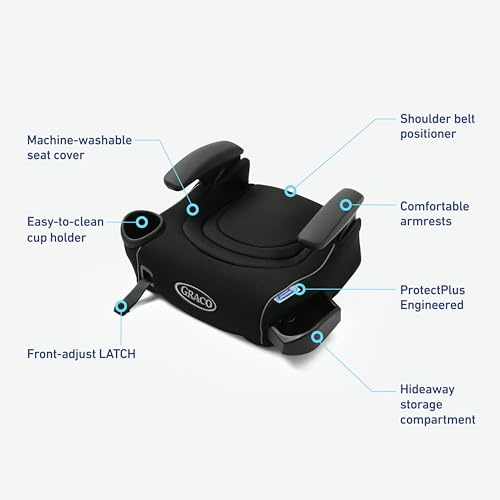
- Front-adjust LATCH
- Stays securely in place
- Easy self-buckling
Trade-offs
- Backless = no head support
- Not for small kids
- Requires compatible vehicle
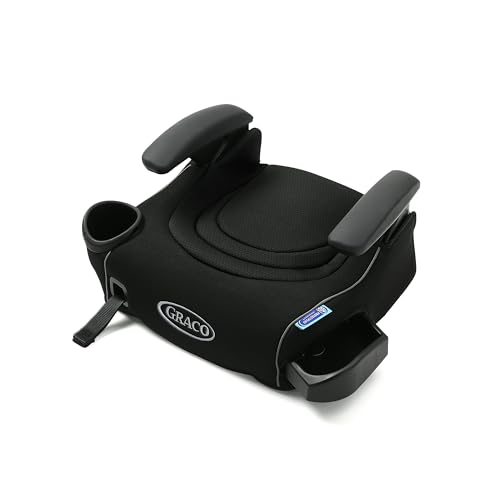
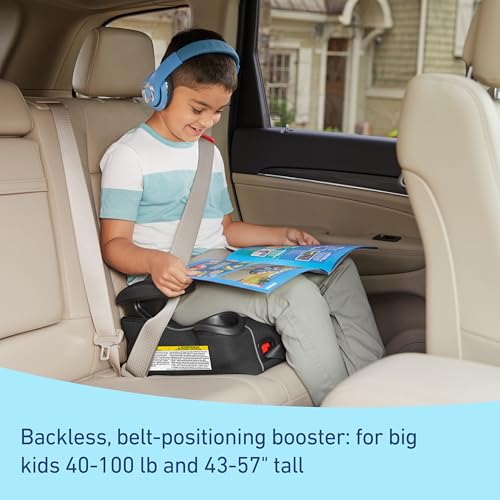
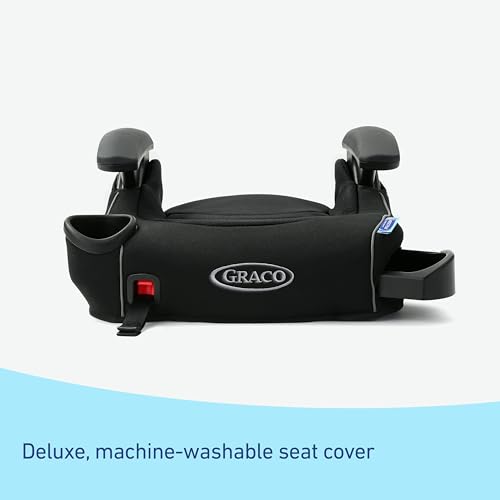
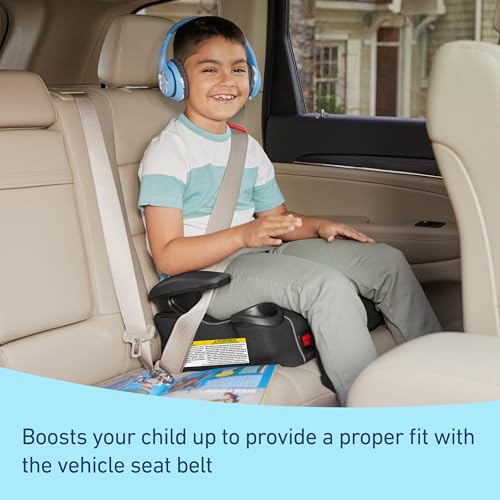
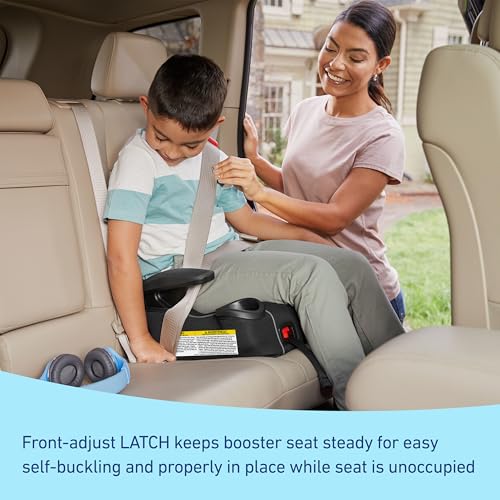
This is the only backless booster here with front-adjust LATCH, and that changes everything for convenience. The Affix Latch system keeps the seat anchored when unoccupied, so it doesn’t slide around or fall between seats, a common complaint with backless models. For carpooling or multi-car families, that’s a standout. It’s rated for 40-100 pounds and up to 57 inches, so it’s not for most 3-year-olds unless they’re on the bigger side.
Owners love that it stays put and makes self-buckling easier for kids. But without a back or head support, it’s not safe for any child whose vehicle head restraint doesn’t fully cover their head. Compared to the Cosco Topside, it’s more stable thanks to LATCH, but also more expensive. If your child is ready for a backless booster and you want reliability, this is the smarter buy.
Product photos
Cosco Topside Backless Booster

Strengths
- Very affordable
- Lightweight and portable
- Plush padding
Trade-offs
- No LATCH or side wings
- Backless design
- Not for daily use
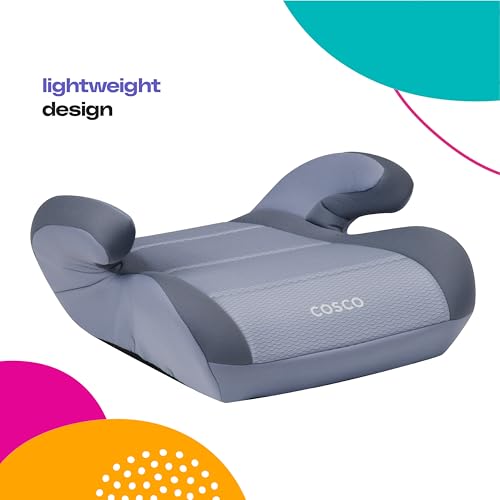
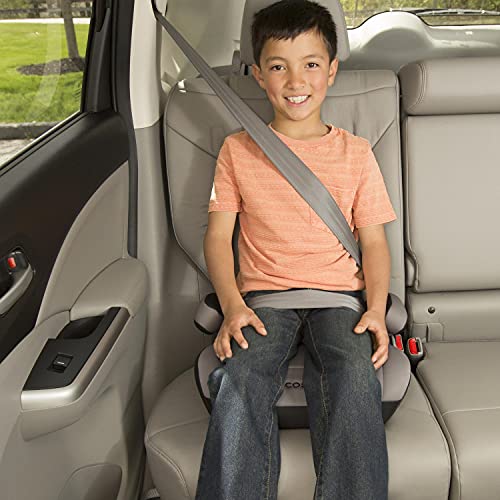
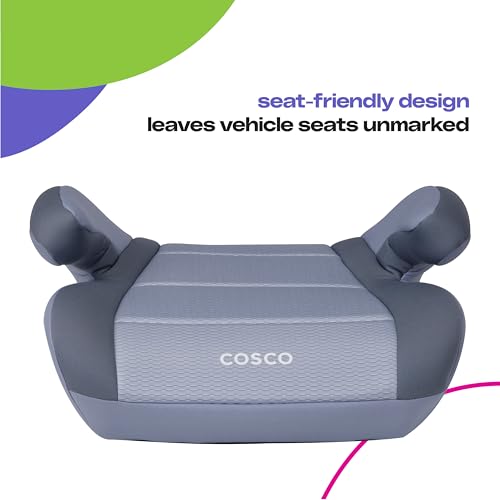
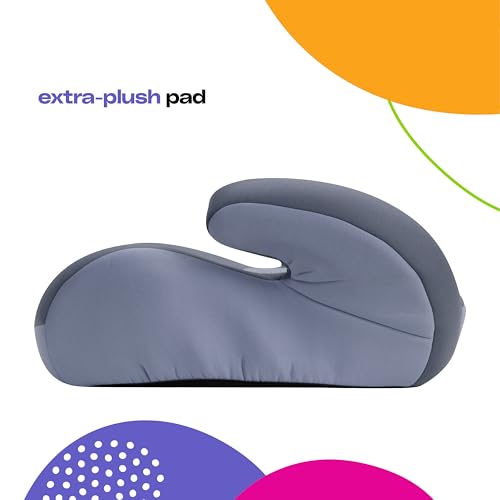
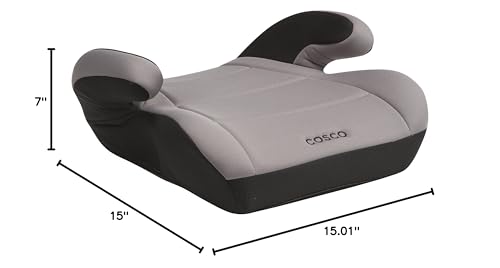
At this price, the Cosco Topside does the bare minimum, and that’s okay if you need a spare or travel booster. It’s lightweight, simple, and gets the job done for kids 40+ pounds. The plush padding is a nice touch for a seat this cheap, and owners say it’s easy to toss in the trunk for grandparents or carpool duty. But it’s backless, so it depends entirely on your vehicle’s head restraint, and it offers zero side-impact protection.
There’s no LATCH, so it moves around when not in use. Compared to the Graco TurboBooster LX with LATCH, it’s far less secure. But for occasional use or budget-conscious families with older kids, it makes sense. I wouldn’t use it as a primary seat for a 3-year-old, it’s just not built for that.
Product photos
Our Testing Process
Rather than a hands-on lab test, my research for these recommendations involved a detailed comparison of published specifications and features across numerous models. I then weighed owner reviews from major retailers alongside expert opinions from sources like Consumer Reports and the NHTSA. As a child safety advocate, I applied my understanding of car seat safety standards and developmental needs to rank these options based on what matters most for this age group.
For 3-year-olds transitioning to booster seats, safety and adjustability are paramount. I focused heavily on features indicating strong side-impact protection and a harness system that can be easily adjusted to grow with the child. A secure and properly fitting booster is useless if it’s uncomfortable or doesn’t adjust well, so ease of use and long-term usability were also key considerations.
Specifications reliably detail weight and height limits, as well as the type of LATCH system (if any). However, real-world comfort and ease of installation are best gleaned from owner feedback. I paid close attention to comments about how easily the harness adjusted, how well the booster fit in different vehicles, and the overall build quality reported by parents using the seats daily.
What To Look For In booster seats for 3 year olds
Selecting the right booster seat for a three-year-old requires careful consideration to prioritize safety and comfort as your child grows.
A good booster seat transitions effectively with a growing child, offering appropriate restraint at each stage. It must meet or exceed all federal safety standards, feature easily adjustable components for a correct fit, and provide side-impact protection. Prioritize models with clear labeling regarding weight and height limits, and consider ease of cleaning for inevitable messes.
Harness vs. Highback vs. Backless
The biggest decision revolves around the type of booster. For a three-year-old, a 3-in-1 combination seat that starts as a forward-facing harness is the safest bet. These grow with your child, transitioning to a highback booster and finally to a backless option. Don’t rush into a highback or backless seat too soon; your child needs to consistently meet the weight and maturity requirements before moving beyond a five-point harness. A harness distributes crash forces across the body, offering more security than a seatbelt alone.
Side-Impact Protection Features
Side-impact crashes are a significant concern, yet often overlooked. Many boosters focus on frontal impact testing, but a child’s head and torso are particularly vulnerable in a side collision. Look for boosters with enhanced headrests that extend wider and have deep side wings. The Baby Trend Hybrid SI 3-in-1 Booster is specifically designed with side-impact in mind, but even standard highback boosters provide more protection than backless models.
- A basic backless booster offers minimal side protection.
- A highback booster with adjustable headrests is a good intermediate step, offering more head and neck support.
- A 3-in-1 seat with deep side wings and energy-absorbing foam, like some of the Graco models, provides the most thorough protection, although these can be bulkier.
Budget and Convenience Considerations
Booster seat prices vary considerably. While it’s tempting to opt for the cheapest option, safety shouldn’t be compromised. However, spending a fortune isn’t always necessary either. The Graco TurboBooster 2.0 Backless is a well-regarded, affordable option once your child has outgrown the harness stage. Features like machine-washable seat pads (found on many Graco models) and easy-to-use LATCH connectors (Graco TurboBooster LX with LATCH) greatly improve everyday usability.
Don’t buy a booster seat based on how cute it is. Focus on fit, features, and crash test ratings. A properly fitted, safe booster is always the best choice.
Booster Seats for 3 Year Olds Compared
This table provides a spec-by-spec comparison of several booster seats suitable for 3 year olds.
| Product Name | Min Weight (lb) | Max Weight (lb) | Harness Mode | Highback to Backless | LATCH Compatible |
|---|---|---|---|---|---|
| Graco Tranzitions 3-in-1 | 26.5 | 100 | Yes | Yes | No |
| Baby Trend Hybrid SI 3-in-1 | N/A | N/A | Yes | Yes | No |
| Graco TurboBooster 2.0 Highback | N/A | 100 | No | Yes | No |
| Evenflo GoTime LX | 40 | 120 | No | Yes | No |
| Graco TurboBooster 2.0 Backless | 40 | 100 | No | No | No |
| Graco TurboBooster LX with LATCH | 40 | 100 | No | No | Yes |
| Cosco Topside Backless | 40 | 100 | No | No | No |
Frequently Asked Questions
What’s the safest type of booster seat for my 3-year-old?
A 3-in-1 combination seat that begins as a forward-facing harness is the safest option. These seats allow you to keep your child in a five-point harness for as long as possible, distributing crash forces more effectively than a seatbelt alone.
How do I know when my child is ready to move out of the harness?
Your child is ready when they consistently exceed the harness weight and height limits specified by the seat manufacturer, and demonstrate maturity to sit properly in the seat without fidgeting. Rushing this transition compromises safety.
Are LATCH connectors necessary for a booster seat?
No, LATCH connectors aren’t required for booster seat installation. Most boosters are secured with the vehicle’s seatbelt, and this is perfectly safe when done correctly; however, LATCH can provide a more secure and easier installation, particularly when the seat is moved between vehicles.
How much should I expect to spend on a good booster seat?
Prices range widely, but a safe and functional booster can be found between $80 and $200. While more expensive models may offer extra features, focus on meeting safety standards and proper fit over brand prestige.
What’s the difference between a highback and backless booster, and which should I choose?
A highback booster provides more head and neck support, which is preferable for younger or smaller children. A backless booster is suitable once your child’s head and ears are fully contained within the vehicle’s seat headrest, but generally isn’t recommended until they’re older and larger.
The Bottom Line
Choosing a booster seat often comes down to balancing immediate needs with future growth. While a backless booster might seem convenient now, a 3-in-1 combination seat like the Graco Tranzitions 3-in-1 offers the longest usability and starts with the safest five-point harness for your three-year-old. It’s an investment in continued protection as they grow.
For parents prioritizing advanced safety features, the Baby Trend Hybrid SI 3-in-1 Booster stands out with its focus on side-impact protection. If budget is a primary concern, the Graco TurboBooster 2.0 Backless is a well-rated, affordable option to consider once your child has safely outgrown the harness stage.
Ultimately, remember that weight and height limits are essential, but a secure fit is even more critical. Don’t rush to move your child out of a harnessed booster seat, and always prioritize a model that adjusts easily to accommodate their growth and ensure a snug, comfortable, and safe ride.
