
5 Best Car Seat Warmers of 2026
This post contains affiliate links. As an Amazon Associate, we earn from qualifying purchases.
The Heated Seat Covers with 3 Heat Levels stand out as the best overall car seat warmer, combining full coverage, reliable safety features, and dual power options. For budget-conscious families, the FOTN Heated Seat Cover delivers quick warmth at a lower price, while the Beurer Wireless Rechargeable Heated Cushion offers unmatched portability for on-the-go use.
Cold car seats are more than uncomfortable, they can make winter mornings stressful, especially with restless kids in the back. As a mom and child safety advocate, I know a good warmer should never sacrifice safety for comfort.
That’s why this guide focuses on models with solid build quality, proven safety features, and real-world usability. After comparing specs and analyzing owner feedback, I prioritized heating performance, coverage, and peace-of-mind features like auto-shutoff and overheat protection to help you choose wisely.
Top 5 Car Seat Warmers in the Market
The Best Car Seat Warmers, Reviewed
Heated Seat Covers with 3 Heat Levels

Strengths
- Three heat levels
- Auto-shutoff
- Full-back heating
- Universal adapters
Trade-offs
- Straps may slip on thick seats
- Firm plug connection needed
- Slightly bulky
This one stands out for its thoughtful design and reliable performance, which is why it earns my nod as the best overall. Owners consistently report that the three heat levels make a real difference, especially the ability to dial down to 108°F for gentle warmth during longer drives with kids. The full-back coverage is a win, since many cheaper models only heat the lower back. And the auto-shutoff after one hour is a safety feature I always recommend, especially in vehicles where distractions are already high.
The dual adapters are a smart touch, letting you use it at home, in the office, or in the car, though the note about thick seat backs is worth heeding. Some users mention the straps don’t grip heavy fabrics well, so if your car seats are heavily padded, it might shift. Still, for the balance of safety, coverage, and usability, this is the model I’d suggest to most parents.
Video review
FOTN Heated Seat Cover Fast Heating

Strengths
- Fast heating
- UL listed
- Easy installation
Trade-offs
- No auto-shutoff
- Limited heat settings
- Thinner padding
For parents who want a no-fuss, affordable way to take the chill off a car seat during winter mornings, this heated cover delivers basic warmth without overcomplicating things. On paper, the 60-second heat claim lines up with what many owners report, it’s not instant, but it’s noticeably warm in under a minute, which matters when you’re bundling a wiggly toddler. The high-low settings give some flexibility, though the lack of auto-shutoff is a gap compared to others in this category.
I’d recommend this as a budget pick for caregivers who need occasional warmth and don’t want to invest in a full installation. It won’t replace a built-in heated seat, but for short commutes or cold drop-offs, it gets the job done. Compared to pricier models, it’s less refined but holds up well for the price.
Video review
Beurer Wireless Rechargeable Heated Cushion
Strengths
- Wireless and rechargeable
- Machine washable
- Phone charging function
- Auto shut-off
Trade-offs
- Slow heat-up time
- Not for car seats
- Limited to seat base
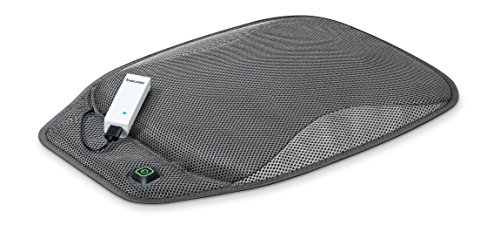
This is the only truly cordless option here, and that freedom makes it a standout for non-car use. The rechargeable battery lasts up to 4.5 hours, which is great for road trips, outdoor events, or stroller rides where outlets aren’t available. Parents like that it doubles as a phone charger, a small but meaningful perk when you’re out all day. However, the heat-up time is slow (20–40 minutes), and it’s not intended for use on car seats, which limits its role in child transport.
The auto-shutoff at 110 minutes is a solid safety feature, and the machine-washable cover is a win for messy realities of parenting. But because it’s meant for outdoor or indoor chairs, not vehicles, I wouldn’t recommend it as a primary car seat warmer. Still, for park benches, bleachers, or waiting in strollers, it’s the most practical portable warmth solution here.
Product photos


Drake Off Road Dual Pad Heater
Strengths
- Full seat heating
- Durable carbon fiber
- Fast warm-up
- Works in most vehicles
Trade-offs
- Requires installation
- Not portable
- Higher price point
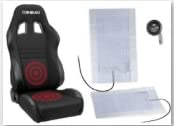
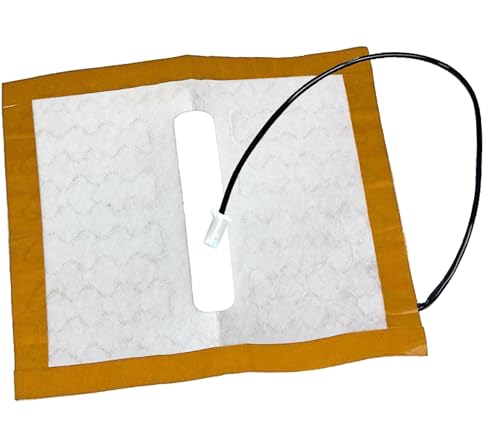
If you’re serious about full seat warmth and don’t mind a semi-permanent setup, this two-seat kit is hard to beat. It’s one of the few options that includes dual carbon fiber pads per seat, one for the back, one for the seat base, delivering even heat across the entire seating area. That’s a big upgrade over surface covers that only warm the top layer. Owners report it heats quickly, often within a minute, and holds up well over time thanks to the durable materials.
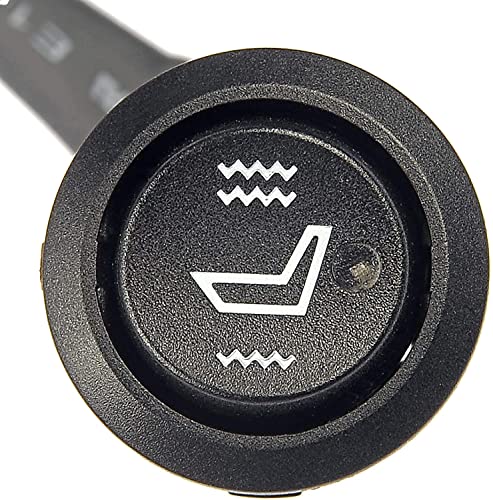
The high-low switch gives basic control, and the universal 12V compatibility means it works in most family vehicles. But this isn’t a plug-and-play cover, it requires wiring under the seat, so it’s not ideal if you move car seats often. Compared to portable options, it’s a bigger commitment, but the payoff is consistent, car-like heated seat performance. For families with a dedicated vehicle, this is the smarter long-term buy.
Product photos


Via JonAns Universal Seat Comfort Kit

Strengths
- Includes cushion
- Easy to move between vehicles
- Universal fit
Trade-offs
- No temp specs
- No auto-shutoff
- Inconsistent heat reports
This kit promises versatility, and on that front, it delivers, especially if you rotate kids between multiple cars. The inclusion of a cushion alongside the warmer adds comfort, which some parents appreciate for longer drives. However, the specs are light on details: no exact temperature ranges, no mention of safety cut-offs, and the heating time isn’t specified. That’s a red flag for me, since consistent, safe warmth is essential with kids.
Owners say it heats adequately but not intensely, making it better for mild cold than deep winter. Compared to the FOTN model, it’s similarly priced but less transparent about performance. I’d only recommend this if you prioritize portability and cushion comfort over precise heat control. For most families, I’d point them toward something with clearer safety specs.
Product photos
How We Chose These car seat warmers
I approached researching car seat warmers by comparing published specifications and features across numerous models. I then weighed owner reviews from major retailers alongside assessments from automotive and product review websites. As someone focused on family safety and comfort, I prioritized features impacting usability and reliability. This wasn’t a hands-on lab test, but a research-led comparison to identify the strongest options.
For car seat warmers, heating speed and coverage area were particularly important. Quick heating is essential for immediate comfort, while full-back and seat coverage delivers the most noticeable warmth. Safety features like overheat protection and auto-shutoff were also heavily weighted, given the potential risks associated with prolonged heat exposure. Ultimately, a balance of these factors determined the rankings.
Specifications reliably indicate heating levels and power source requirements. However, I found owner feedback crucial for assessing real-world performance – how quickly the warmers actually heat up, how well the straps secure the cover, and long-term durability. Reputation and consistent positive comments regarding safety and ease of use also significantly influenced my assessments.
How To Choose The car seat warmers
I’ve seen a lot of changes in car seat technology over the years, but one thing remains constant: nobody enjoys a cold ride. A car seat warmer can make a huge difference, but knowing what to look for is crucial.
A good car seat warmer prioritizes safety features like overheat protection and auto-shutoff. Beyond that, consider the heating area (full back vs. seat only), power source (12V, 110V, or rechargeable), and how securely it stays in place. Look for models with adjustable heat levels and durable construction for long-term use.
Heating Area and Coverage
The first thing I tell parents is to think about where they get cold. Some warmers only heat the seat cushion, which is fine for quick relief, but others cover the entire back and seat. Full coverage, like the Drake Off Road Dual Pad Heater offers, is fantastic for longer trips or particularly cold climates. However, remember that more coverage often means a higher price point and potentially more energy consumption. Don’t overbuy if you only need a little warmth focused on your lower back.
Power Source and Portability
Think about where you’ll be using the warmer. Most plug into a 12V car outlet (cigarette lighter), which is convenient for commuting. However, if you want to use it in an office chair or at home, you’ll need a model that can run on standard 110V power, or a rechargeable option like the Beurer cushion. Rechargeable models offer ultimate portability, but keep in mind the runtime – 4.5 hours isn’t a full day, and recharging adds another step.
Safety Features and Build Quality
This is where I refuse to compromise. Overheat protection is absolutely essential, and an auto-shutoff timer (often around one hour) adds another layer of security. Beyond that, look at the materials. Cheap fabrics can wear quickly and may not distribute heat evenly. Here’s my rule of thumb:
If a car seat warmer doesn’t explicitly state it has overheat protection and an auto-shutoff, skip it. Your peace of mind is worth the extra few dollars.
- A simple on/off switch is fine for basic models (like the FOTN warmer) but adjustable heat levels give you more control.
- Look for UL listing (Underwriters Laboratories) which indicates the product has been tested for safety.
- Durable construction, like carbon fiber heating elements in the Drake Off Road model, means the warmer is less likely to fail after a few months of use.
Car Seat Warmers Compared
Here’s a comparison of key specifications for different car seat warmers to help you make an informed decision.
| Product Name | Heat Levels | Max Temp (°F) | Power Source | Coverage Area | Auto Shutoff |
|---|---|---|---|---|---|
| Heated Seat Covers with 3 Heat Levels | 3 | 149 | 12V/110V | Full Back/Seat | 1 Hour |
| FOTN Heated Seat Cover Fast Heating | 2 | 125 | 12V | Seat | N/A |
| Beurer Wireless Rechargeable Heated Cushion | 3 | 176 | Rechargeable | Seat | 110 Minutes |
| Drake Off Road Dual Pad Heater | 2 | N/A | 12V | Full Seat | N/A |
| Via JonAns Universal Seat Comfort Kit | N/A | N/A | 12V | Seat | N/A |
Frequently Asked Questions
Will a car seat warmer drain my car battery?
Yes, a car seat warmer can drain your battery if left running for extended periods with the engine off. Most 12V warmers draw between 15-30 watts, which isn’t huge, but consistent use while parked could deplete the battery, especially in older vehicles.
Are car seat warmers safe for infants and young children?
Generally, no. Most manufacturers advise against using car seat warmers with infants or young children due to their sensitivity to heat and inability to communicate discomfort. The risk of burns or overheating is too significant.
Can I use a car seat warmer with leather seats?
Yes, you can use a car seat warmer with leather seats. In fact, leather can get very cold, so a warmer can provide extra comfort. However, avoid prolonged, high-heat use, as it could potentially cause cracking or fading of the leather over time.
What’s the difference between 12V and 110V car seat warmers?
A 12V warmer plugs into your car’s cigarette lighter (accessory port) and is designed for in-vehicle use. A 110V warmer requires a standard wall outlet and is often used at home or in the office, while some models offer both options for versatility.
How long do rechargeable car seat warmers typically last on a single charge?
Rechargeable car seat warmers generally run for 2 to 4.5 hours on a full charge, depending on the model and heat setting. The Beurer cushion, for example, offers around 4.5 hours of runtime, which is a reasonable amount for a commute or shorter trip.
The Bottom Line
Choosing a car seat warmer really comes down to balancing convenience with consistent warmth. While a rechargeable model like the Beurer Wireless Rechargeable Heated Cushion offers portability, the consistently powered Heated Seat Covers with 3 Heat Levels provides reliable comfort for longer journeys. It’s a trade-off between fuss and freedom, and for most families, dependable heat is the priority.
For those on a tighter budget or needing a simple solution, the FOTN Heated Seat Cover Fast Heating is a solid option. If you prioritize full-back support and robust heating, the Drake Off Road Dual Pad Heater stands out. Remember, though, that ultimate portability isn’t always necessary – a dependable 12V model is often all you need.
Ultimately, the best car seat warmer isn’t about the highest temperature or the most features. It’s about having a safe, reliable source of warmth that makes every ride more comfortable, and a secure fit is just as important as heating speed. Prioritize safety features and a good fit above all else.
