
5 Best Car Seats After Infant Carriers 2026
This post contains affiliate links. As an Amazon Associate, we earn from qualifying purchases.
The best car seat after an infant carrier is the Safety 1st Grow and Go All-in-One. It’s our top pick for its long lifespan and easy adjustments. For a simpler, budget-friendly option, the Baby Trend Secure-Lift stands out. Both offer solid safety features and real-world usability based on specs and parent feedback.
As a mom and child safety advocate, I know how stressful it can be to choose the right seat when your baby outgrows their infant carrier. You want something safe, yes, but also practical for daily life and capable of growing with your child. Too many parents end up with seats that are bulky, hard to clean, or outgrown too quickly.
This guide cuts through the noise. I compared top models using safety data, owner experiences, and key features like height and weight limits, harness systems, and ease of cleaning. These picks are backed by strong performance and real-world feedback from parents who’ve used them daily.
Top 3 Car Seats After Infant Carriers in the Market
The Best Car Seats After Infant Carriers, Reviewed
Baby Trend EZ-Lift Plus Infant Car Seat

Strengths
- Lightweight build
- Newborn padding
- Affordable price
Trade-offs
- Limited lifespan
- Harness stiffness reported
- No conversion stages
For parents just stepping beyond the infant carrier phase and needing an affordable, no-frills seat, the Baby Trend EZ-Lift™ Plus makes sense on paper. It’s lightweight and includes newborn padding, which helps smaller babies feel more secure. The adjustable harness is standard for this class, but owners report it can stiffen over time, making repositioning a struggle.
Still, it’s clear this seat prioritizes cost over long-term comfort or ease of use. It doesn’t convert or grow with your child, so you’ll be shopping again sooner than with other options. I’d only recommend it if you’re on a tight budget and need something basic for occasional use.
Video review
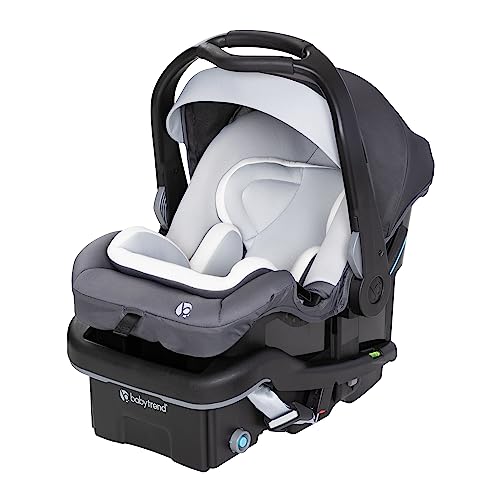
Baby Trend Secure-Lift Infant Car Seat
Strengths
- Ultra lightweight
- Comfort cushioning
- Easy car transitions
Trade-offs
- Infant-only use
- Minimal safety extras
- No growth conversion
The Secure-Lift markets itself as a lightweight, travel-friendly infant seat, and at just under 10 pounds, it delivers on portability. The Dash Grey model has slightly updated cushioning, and owners say it fits well in compact cars. But like its sibling model, it’s strictly an infant seat with no forward-facing or booster stages, meaning it won’t carry your child past 30–35 pounds.
It’s more expensive than the EZ-Lift, but without meaningful upgrades in safety or adjustability. If you’re already past the infant carrier stage, this isn’t the right next step. I’d skip it unless you’re using it as a standalone travel seat for grandparents’ cars.
Video review
Safety 1st Grow and Go All-in-One Car Seat

Strengths
- True 3-in-1 design
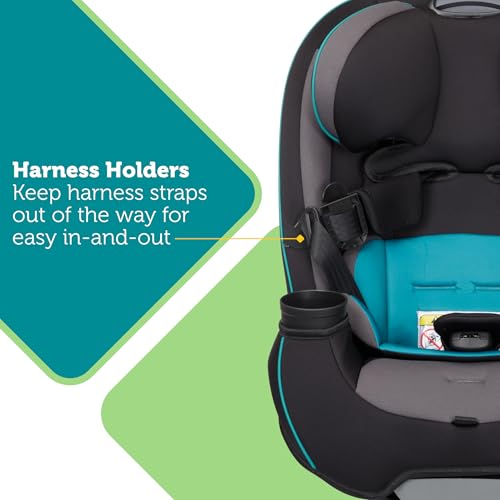
- QuickFit harness
- Meets side-impact standards
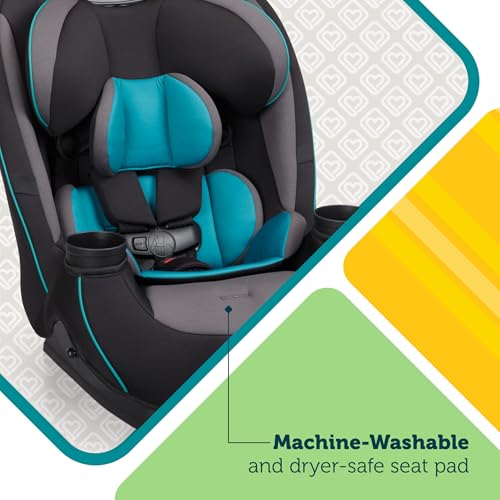
- Washer-safe cover
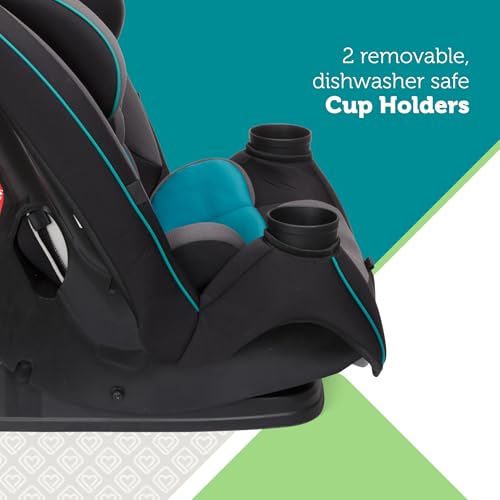
- Dishwasher-safe cup holders
Trade-offs
- Booster fit varies by child height
- Recline options limited in forward mode
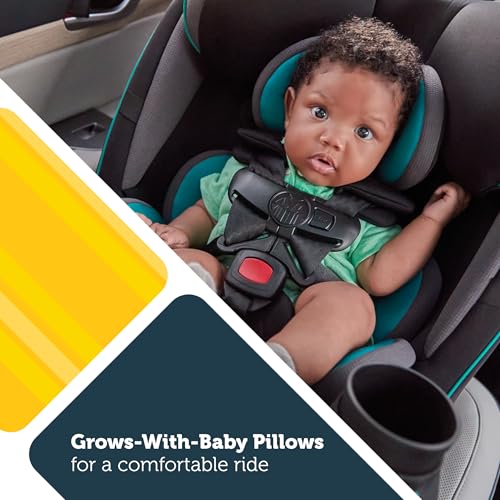
- Pillow inserts may be bulky for older toddlers
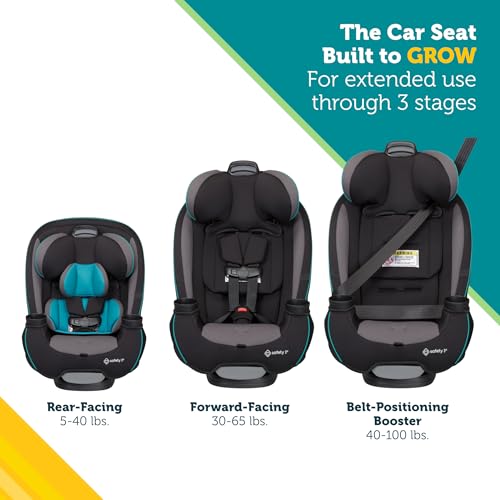
This is the seat I find myself recommending most often to parents transitioning from infant carriers. The Grow and Go is a true 3-in-1: rear-facing, forward-facing, and high-back booster, covering kids from 5 to 100 pounds. That kind of longevity is rare at this price point, and the QuickFit harness system gets consistent praise from owners for making adjustments actually simple, no rethreading the straps.
The slim profile fits well in three-across setups, and the dishwasher-safe cup holders are a small but meaningful win for busy families. It meets federal side-impact standards, which not all seats in this range do. Given its lifespan and ease of use, it outperforms both Baby Trend models by a wide margin.
Product photos
How We Picked These car seats after infant carriers
We approached this guide by researching the specifications and features of numerous car seats designed for use after an infant carrier. I then weighed those details against owner reviews from major retailers and expert opinions found in publications like Consumer Reports and the National Highway Traffic Safety Administration (NHTSA). My goal was to identify seats that consistently receive positive feedback and offer features that address common parental concerns.
For this category, the most important factors were a seat’s weight and height limits, and how easily it adjusts to accommodate a growing child. A car seat needs to last, and a quick-adjusting harness and headrest are crucial for maintaining a secure fit over several years. Ease of cleaning also ranked highly, as messes are inevitable with little ones.
Specifications gave me a clear picture of weight ranges and dimensions, but owner feedback proved essential for understanding real-world usability. I looked for patterns in comments regarding installation, fabric quality, and how well the seat fits different vehicles. Reputation and safety ratings from independent organizations were also key in determining our recommendations.
How To Choose The car seats after infant carriers
Moving from an infant carrier to the next stage can feel overwhelming. There are so many options, and it’s easy to get lost in the features.
A good car seat prioritizes safety above all else, meeting or exceeding federal crash test standards. Beyond that, consider ease of installation – a seat is only safe if used correctly. Look for clear labeling of weight and height limits, a comfortable fit for your child, and features that simplify adjustments as they grow. Side impact testing results are also valuable to review.
Harness and Adjustment Systems
The harness is the primary safety component, so pay close attention to how easily it adjusts. Many seats now feature “no-rethread” harnesses, where you adjust the height of both the harness and headrest simultaneously. This is a huge convenience as your child grows. However, some parents prefer the more granular control of a traditional re-thread harness. It really comes down to personal preference, but a harness that’s quick to tighten and loosen – even with one hand – is a lifesaver during those hurried trips.
Weight and Height Ranges
Don’t just look at the maximum weight limit; consider the height limit, too. A car seat is only effective if your child fits within both parameters. All-in-one convertible seats (like the Safety 1st Grow and Go) are appealing because they aim to cover a broad range, but remember that a child may outgrow the rear-facing or forward-facing limits before reaching the maximum weight.
- Rear-Facing: Keep your child rear-facing as long as possible, up to the seat’s limits. It’s the safest position.
- Forward-Facing with Harness: Once they exceed the rear-facing limits, use the harness for as long as possible before transitioning to a booster.
- Booster Seat: A booster positions the seat belt correctly on a growing child, and it’s essential to continue using one until they are big enough to fit the adult seat belt properly (typically around 4’9″ tall and between 8-12 years old).
Ease of Cleaning and Everyday Use
Life with little ones is messy. A car seat with a removable, machine-washable cover is a huge benefit. Beyond the cover, think about how easy it is to wipe down the shell and crevices. Some seats have dishwasher-safe cupholders, which is a nice touch. Also, consider the seat’s weight and bulk. If you frequently move the seat between vehicles, a lighter-weight option (like some of the Baby Trend models) may be preferable.
“A clean car seat is a happy car seat.” Don’t underestimate the value of easily cleaned fabrics and surfaces when making your choice.
Car Seats After Infant Carriers Compared
This table provides a side-by-side comparison of key specifications for various car seats suitable for use after an infant carrier.
| Product Title | Weight Capacity (Rear-Facing) | Weight Capacity (Forward-Facing) | Weight Capacity (Booster) | Height Capacity (Rear-Facing) | Height Capacity (Forward-Facing) |
|---|---|---|---|---|---|
| Safety 1st Grow and Go All-in-One | 5-40 lbs | 30-65 lbs | 40-100 lbs | 19-40″ | 34.4-49″ |
| Baby Trend EZ-Lift Plus | N/A | N/A | N/A | N/A | N/A |
| Baby Trend Secure-Lift | N/A | N/A | N/A | N/A | N/A |
| Safety 1st Grow and Go All-in-One | 5-40 lbs | 30-65 lbs | 40-100 lbs | 19-40″ | 34.4-49″ |
| Safety 1st Grow and Go All-in-One | 5-40 lbs | 30-65 lbs | 40-100 lbs | 19-40″ | 34.4-49″ |
Frequently Asked Questions
What is the biggest benefit of choosing a convertible car seat over buying another infant-style seat?
A convertible seat offers cost savings and longevity. Instead of purchasing multiple seats as your child grows, a convertible transitions from rear-facing to forward-facing and often to a booster, potentially lasting through all car seat stages.
How do I know if a car seat will fit properly in my vehicle?
Check the car seat’s documentation for a list of vehicles it’s been tested in, and look for online resources from the manufacturer. Beyond that, a properly installed seat should not move more than one inch side-to-side or front-to-back when tested at the belt path.
At what age or weight should I transition my child to a forward-facing car seat?
You should keep your child rear-facing for as long as possible, until they reach the maximum height or weight limit specified by the car seat manufacturer. Most children will naturally outgrow the rear-facing limits around age two or three, but it’s safer to delay the transition as long as the seat allows.
Are side impact tests as important as frontal crash tests?
Yes, side impact tests are crucial. While all car seats meet federal frontal crash standards, side impact protection varies considerably between models. Look for seats that perform well in independent side impact testing, like that conducted by Consumer Reports.
What does “no-rethread” mean when referring to a car seat harness?
“No-rethread” means the harness height and headrest adjust simultaneously, eliminating the need to manually re-thread the harness straps as your child grows. This simplifies adjustments and ensures a proper fit without the hassle of re-installation.
The Bottom Line
Choosing a car seat is about balancing convenience with long-term value. While features like dishwasher-safe cupholders are nice, the most important thing is a seat that fits your child correctly and stays fitted as they grow. For overall usability and a good mix of features, I recommend the Safety 1st Grow and Go All-in-One. It strikes a solid balance between adjustability, weight limits, and ease of use, making it a strong choice for many families.
If budget is a primary concern, the Baby Trend Secure-Lift offers a reliable and safe option without breaking the bank. Conversely, for parents who anticipate needing a seat that will last through all stages, the Safety 1st Grow and Go All-in-One is again a great pick – its extended weight and height limits provide excellent longevity.
Ultimately, the specific seat is less important than how well you understand and use it. Prioritize a secure installation, a properly adjusted harness, and keeping your child rear-facing as long as possible. Those fundamentals are far more impactful than any single specification or feature.
