
7 Best Car Seats for 18 Month Olds 2026
This post contains affiliate links. As an Amazon Associate, we earn from qualifying purchases.
The Graco Extend2Fit is the best car seat for 18-month-olds, offering the longest rear-facing capacity and smart design. For a budget-friendly option, the Safety 1st Ellaris delivers solid safety and ease of use. If you want a 3-in-1 with long-term value, the Graco TriRide is a strong pick.
Choosing the right car seat at this stage isn’t just about safety, it’s about practicality for years ahead. An 18-month-old is growing fast, and you need a seat that keeps them rear-facing as long as possible while fitting your vehicle and lifestyle.
Based on specs, owner feedback, and my focus on child passenger safety, I compared rear-facing limits, ease of installation, harness adjustability, and long-term usability. These picks balance proven performance, real-world usability, and features that make daily life easier for parents.
Top 7 Car Seats For 18 Month Olds in the Market
The Best Car Seats For 18 Month Olds, Reviewed
Graco Turn2Me Rotating Car Seat

Strengths
- 360-degree rotation
- SnugLock install
- No-rethread harness
- Graco ProtectPlus safety
- Smooth mode transitions
Trade-offs
- Heavy once installed
- Higher price point
- Rotation locks in forward mode
If budget allows, the Turn2Me is the most user-friendly convertible seat on this list for parents of 18-month-olds. Its one-hand rotation is a standout for getting a wiggly toddler in and out, especially in tight parking lots or narrow back seats. It’s rear-facing only in rotation mode (up to 40 lbs), which aligns perfectly with an 18-month-old still safely rear-facing. The SnugLock installation is consistently praised for being fast and secure, and the No-Rethread harness means growth adjustments take seconds.
Owners report high satisfaction with comfort and durability, though the seat is on the heavier side. Compared to the Graco Extend2Fit, it doesn’t offer extra legroom for extended rear-facing, but the rotation feature makes daily use far more convenient. For most parents, this is the smarter buy if you value ease of use and long-term versatility, even at the higher price.
Video review
Graco Extend2Fit Convertible Car Seat
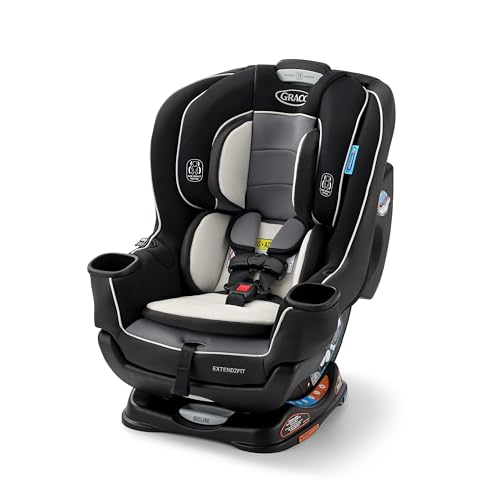
Strengths
- Rear-facing up to 50 lb
- Extend2Fit legroom panel
- No-rethread harness
- Graco safety engineering
- Simple LATCH install
Trade-offs
- Wider footprint
- No booster mode
- Heavier than average
For parents committed to keeping their 18-month-old rear-facing as long as possible, the Extend2Fit is unmatched. Its 4-position extension panel gives up to 5 inches of extra legroom, letting kids ride rear-facing up to 50 pounds, well beyond the 40 lb limit of most seats. That’s a big deal, since rear-facing is safest for toddlers. The seat is wider than slim models, but the trade-off is worth it for extended protection.
Owners consistently report their kids fit comfortably with room to stretch, and the No-Rethread harness makes adjustments simple. Compared to the Graco TriRide, it lacks booster mode, but if your priority is rear-facing longevity, that’s a fair compromise. I’d pick this over most others for a growing toddler who still has room to go in a rear-facing seat.
Video review
Safety 1st Ellaris 3-in-1 Car Seat
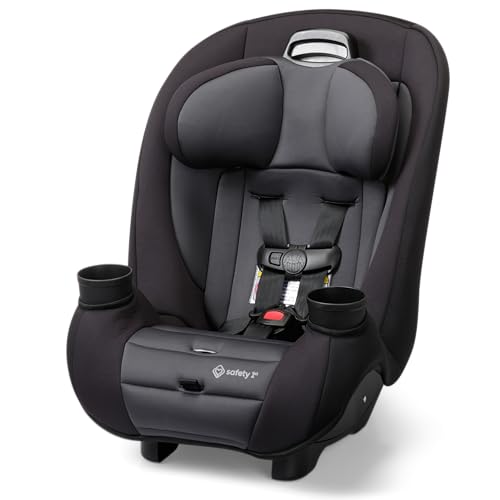
Strengths
- Affordable 3-in-1
- Slim fit for tight spaces
- Airplane approved
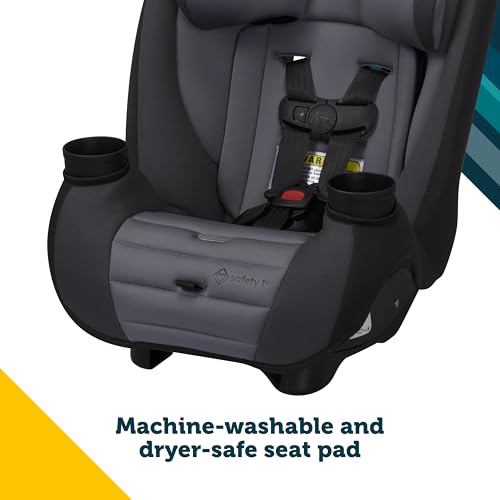
- Washable seat pad
- Dishwasher-safe cup holders
Trade-offs
- Basic padding
- Fewer harness adjustments
- Lower rear-facing limit than top models
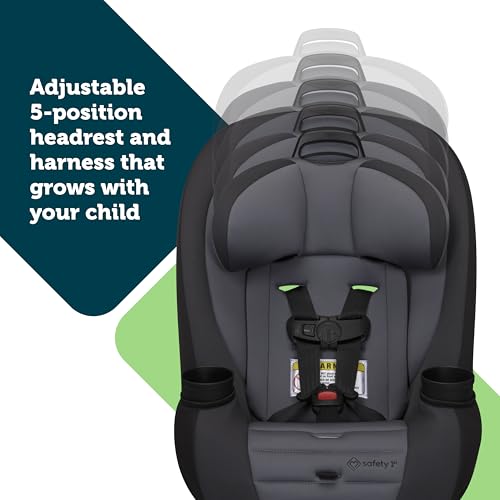
At under $100, the Safety 1st Ellaris punches above its weight for budget-conscious families. It’s a true 3-in-1 with rear-facing (5–40 lbs), forward-facing, and booster modes, and its slim design is a win for smaller cars or three-across setups. The 5-position headrest isn’t as smooth as Graco’s No-Rethread system, but it gets the job done. Owners say it installs easily with hook-style LATCH and holds up well over time, though the padding is thinner than pricier models.
What stands out is its airplane approval and machine-washable cover, real perks for travel and mess-prone toddlers. Compared to the Baby Trend Trooper, it has a slightly lower rear-facing max (40 lbs vs 50 lbs on the Extend2Fit), but it’s more affordable and still safe. For families needing a no-frills, space-saving seat that lasts years, this is a strong value.
Product photos


Graco TriRide 3-in-1 Car Seat

Strengths
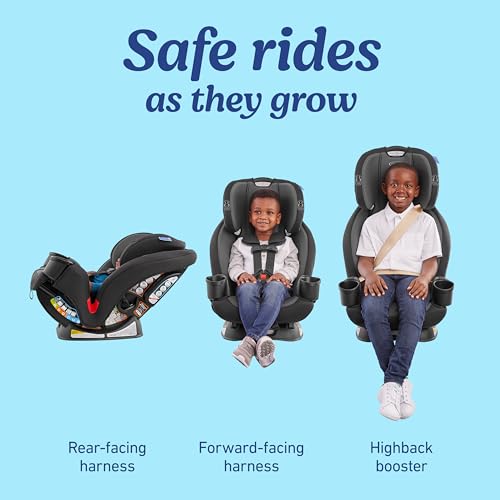
- 3-in-1 longevity
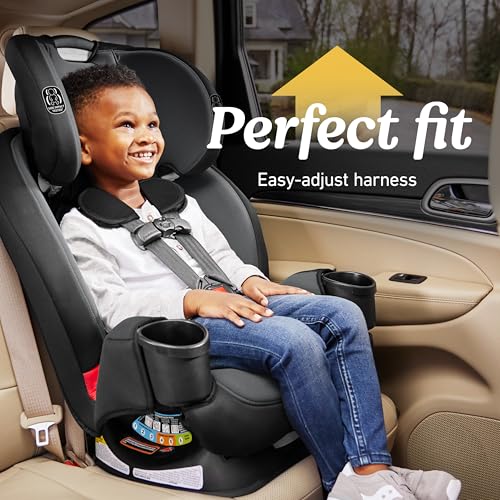
- No-rethread harness
- 10-position headrest
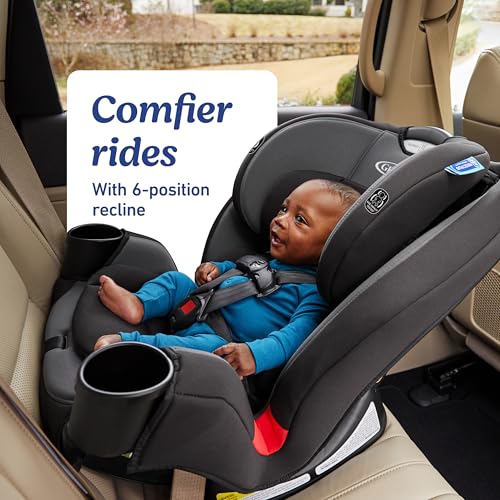
- 6-position recline
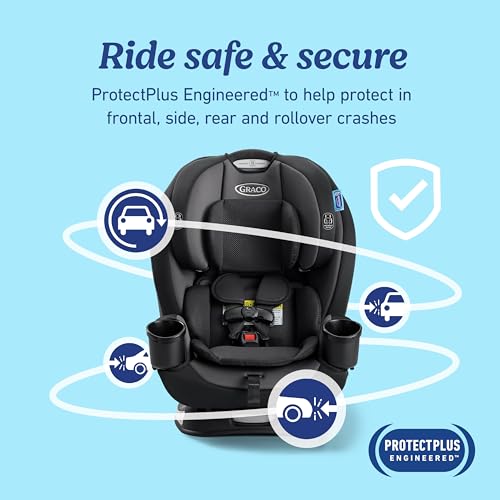
- Graco safety standards
Trade-offs
- Bulkier than slim models
- Padding loses loft
- Not ideal for tight rows
The Graco TriRide is a solid mid-tier pick for parents who want one seat to last from infancy through elementary school. On paper, its 3-in-1 design covers all the bases, rear-facing for babies, forward-facing for toddlers, and a highback booster for older kids up to 100 pounds. The 10-position headrest and No-Rethread harness system make adjustments quick, which matters when you’re dealing with a squirmy 18-month-old. Owners consistently report it installs securely and holds up well over years of use, though some note the padding flattens over time.
It doesn’t have the premium touches of higher-end models, but for the price, it delivers reliable safety with Graco ProtectPlus engineering and a 6-position recline that helps younger kids nap comfortably. Compared to the Safety 1st Ellaris, it supports a higher rear-facing weight limit (40 lbs vs 40 lbs, but starts lower at 5 lbs), making it slightly more flexible for smaller babies. I’d recommend this over budget models if you plan to rear-face longer.
Product photos

Baby Trend Trooper Slim Car Seat
Strengths
- Slim design for tight cars
- Lightweight for moving between cars
- 3-in-1 growth modes
- Adjustable comfort padding
- Fits many vehicle types
Trade-offs
- Basic safety features
- No advanced harness system
- Padding may flatten over time
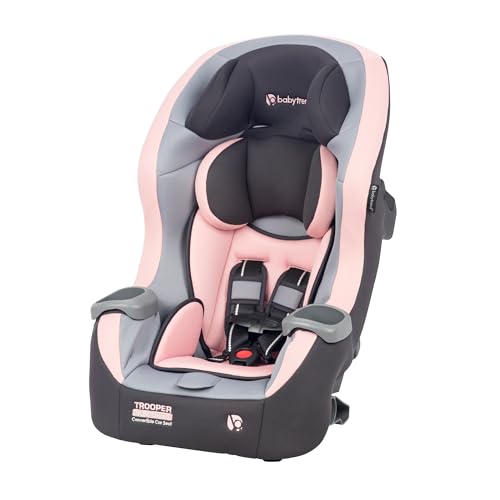
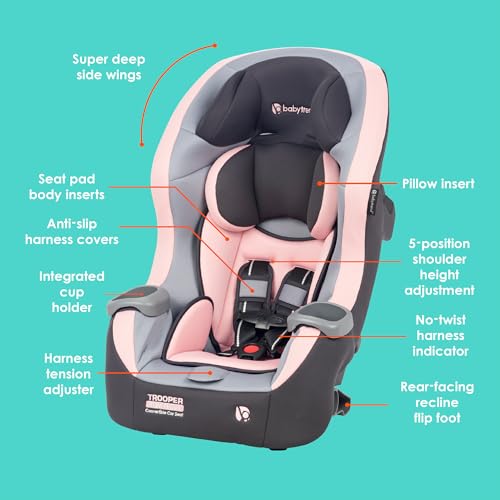
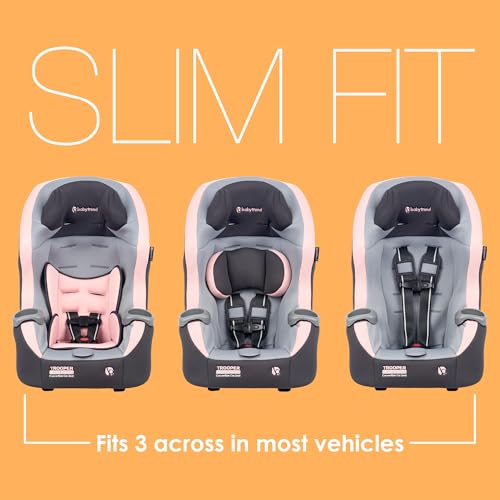
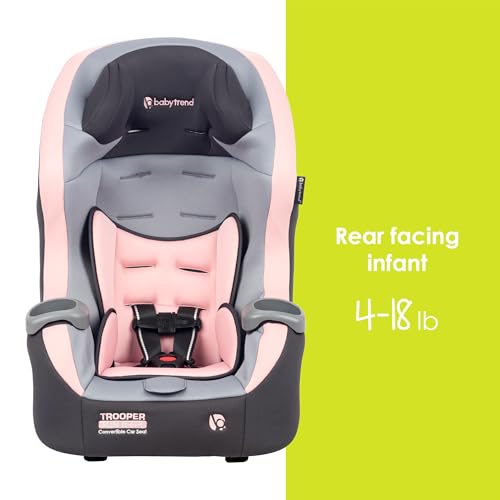
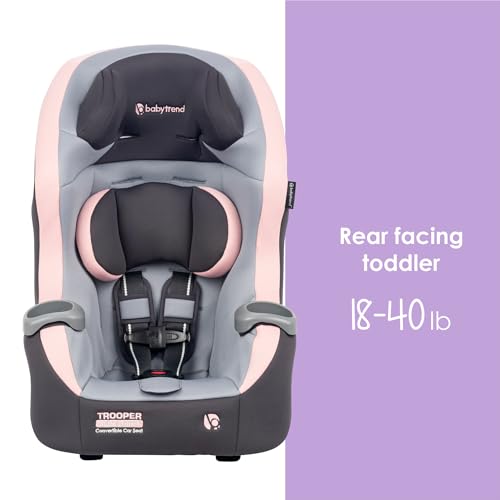
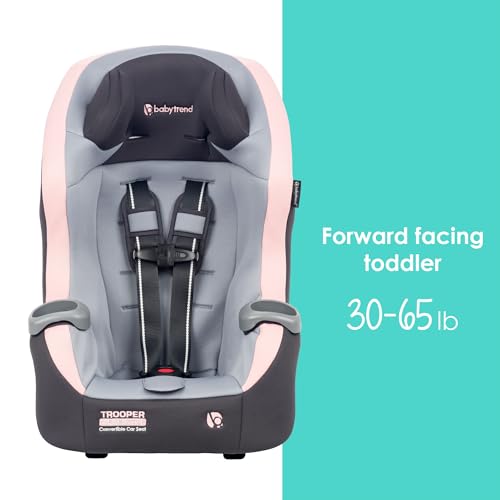
The Trooper stands out for one reason: its slim profile. At just 17.5 inches wide, it’s one of the narrowest 3-in-1 seats available, making it ideal for compact cars or families installing three seats across. For an 18-month-old in a rear-facing setup, that space-saving design can be a lifesaver. It transitions to forward-facing and booster modes, supporting kids up to 100 pounds, and the adjustable padding helps maintain comfort as they grow.
It doesn’t have premium features like rotation or advanced side-impact tech, but owners say it installs securely and holds up well. Compared to the Safety 1st Ellaris, it’s slightly more expensive but offers a lighter build and better fit in tight spaces. If your car is small, this is the smarter pick, even if it means fewer bells and whistles.
Product photos
Graco SnugRide Lite Infant Seat

Strengths
- Extremely lightweight
- Easy base install
- Level indicator
- ProtectPlus safety
- Compact fit
Trade-offs
- Short lifespan for most
- Not forward-facing
- Max 30 lb limit
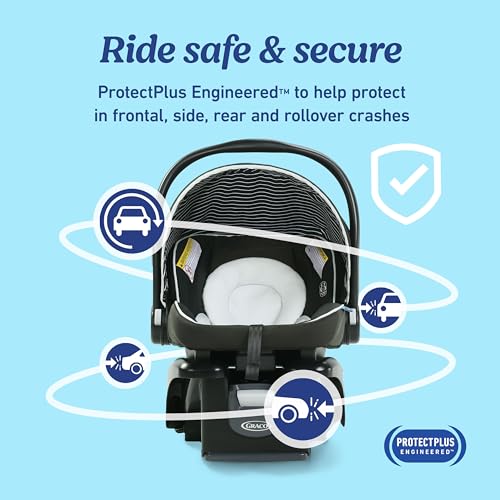
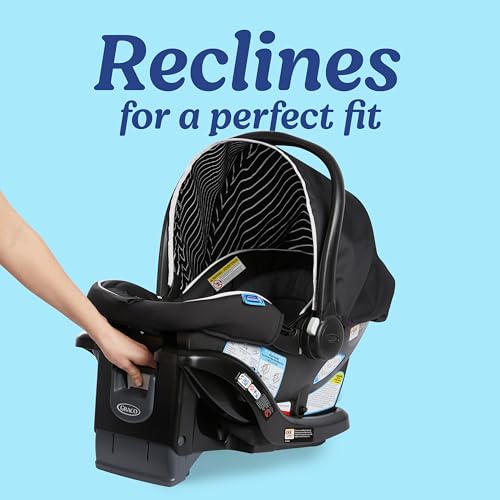
This is a great infant seat, but only if your 18-month-old is still under 30 pounds and hasn’t outgrown it. Most 18-month-olds have surpassed that limit, especially in height. The 7.2 lb weight makes it incredibly easy to carry, and the 4-position base with level indicator helps ensure correct installation, which many parents struggle with. It’s also ProtectPlus engineered, so safety isn’t compromised.
However, for a child at or near 18 months, this is likely a short-term solution. Owners love it for newborns but usually transition out by 9–12 months. Compared to the Safety 1st Ellaris or Graco TriRide, it lacks forward-facing or booster stages. I’d only recommend this if you’re still comfortably within the weight and height limits and need a lightweight, travel-friendly rear-facing option.
Product photos



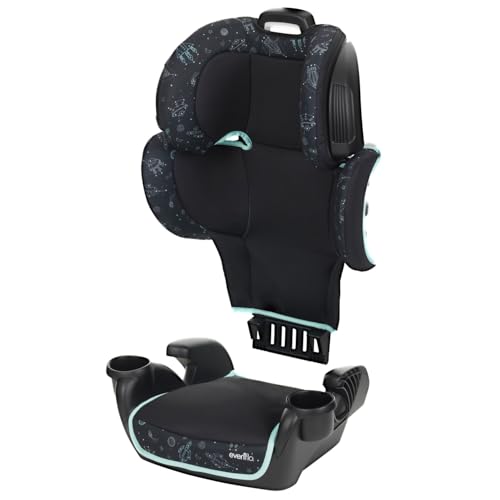
Evenflo GoTime LX Booster
Strengths
- Affordable booster
- 7-position adjust
- Cup holders included
- Easy mode transition
- Meets safety standards
Trade-offs
- Too advanced for 18-month-olds
- No harness system
- Not rear-facing capable
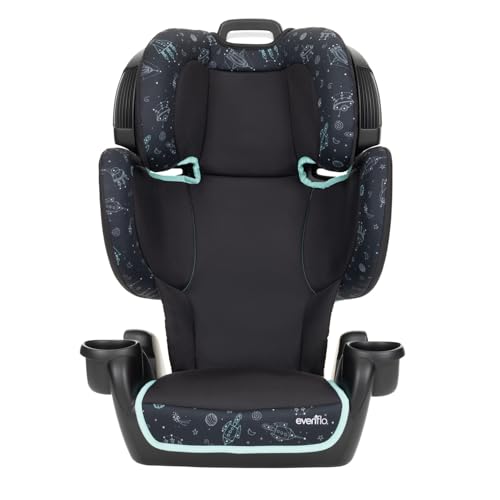
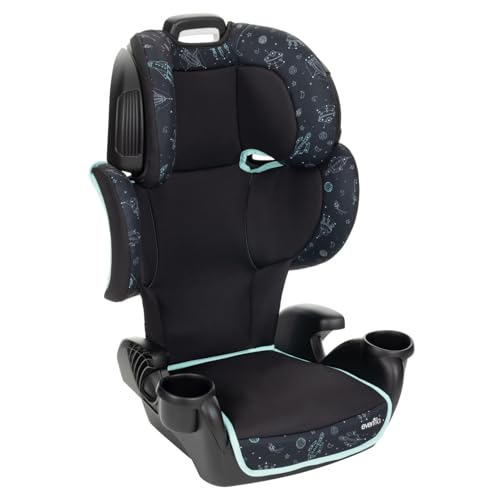
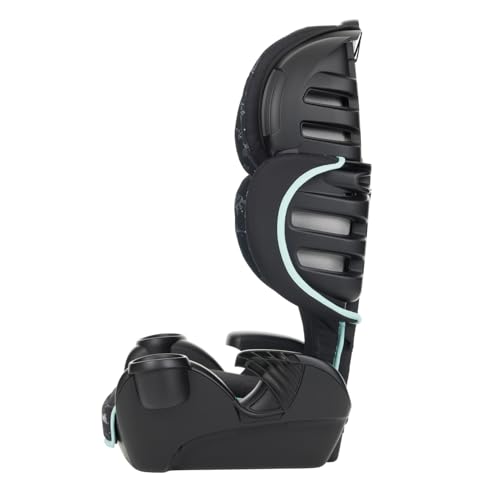
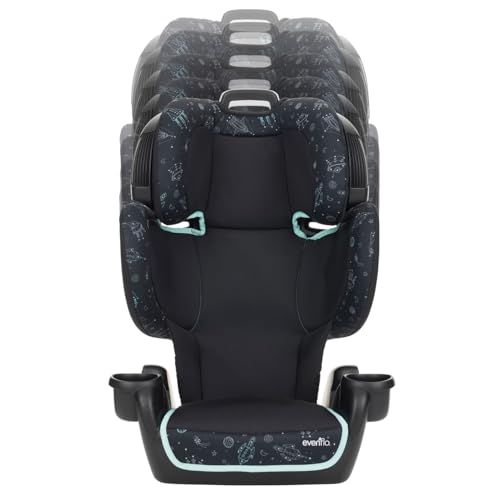
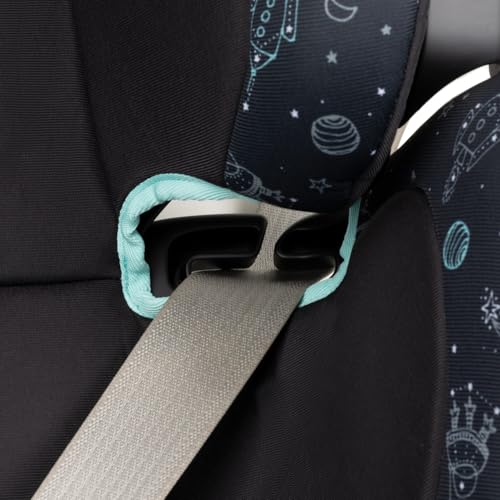
This booster makes sense only if your 18-month-old is already close to 40 pounds, which is rare. Most kids at that age are still rear-facing and far from needing a booster. The GoTime LX is well-built for its class, with a deep side wing design and 7-position height adjustment, plus two cup holders that parents appreciate. It transitions from highback to backless mode, extending usability for older kids. But for an 18-month-old, this is premature unless you have an unusually large toddler.
Reviewers praise its ease of use and value, but the real limitation here is developmental appropriateness. Evenflo recommends this for kids 5 years and up. I wouldn’t recommend it for an 18-month-old unless you’re buying years in advance. Compared to the Graco Turn2Me, it lacks harness support and real safety containment for toddlers.
Product photos
How We Evaluated car seats for 18 month olds
Rather than a hands-on lab test, my research focused on comparing published specifications and features across numerous car seat models. I weighed owner reviews from multiple retailers alongside expert assessments from sources like the National Highway Traffic Safety Administration (NHTSA) and independent consumer organizations. This allowed me to build a ranking based on real-world feedback and established safety standards, applying my experience in child passenger safety to identify key differentiators.
For this age group, rear-facing capability and longevity were paramount. An 18-month-old still benefits greatly from extended rear-facing, so I prioritized seats offering higher weight and height limits for this position. Beyond that, ease of installation – a common pain point for parents – was a significant factor, alongside overall versatility to grow with the child over several years.
Specifications clearly show weight and height limits, harness adjustability, and impact testing certifications. However, owner feedback proved invaluable for understanding real-world usability. Reports on installation difficulty, fabric comfort, and build quality heavily influenced my assessment, as these aspects aren’t always apparent from product sheets. Reputation for brand safety and customer service also played a role in the final rankings.
Choosing The Right car seats for 18 month olds
Choosing a car seat feels overwhelming, but focusing on fit and longevity can simplify the process.
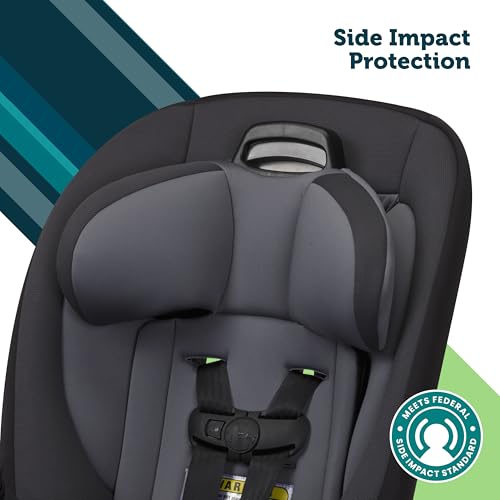
A quality car seat prioritizes a secure installation, appropriate weight and height limits for the child, and a design that accommodates growth. Look for models with clear instructions, easily adjustable harnesses, and robust side-impact protection, features that contribute to consistent safety and peace of mind.
Rear-Facing Capacity is Key
For an 18-month-old, rear-facing is still the safest position. Don’t rush to turn them forward-facing. I strongly recommend looking for a convertible car seat that allows for extended rear-facing use, ideally up to 50 pounds or more. The Graco Extend2Fit is a prime example, with its adjustable extension panel buying you valuable time in this safer position. Don’t assume all “convertible” seats offer the same rear-facing weight limit; some cap out much lower.
Harness Adjustments and Ease of Use
Adjusting the harness as your little one grows is something you’ll do constantly. A “no-rethread” harness system, like those found in Graco models, is a lifesaver. These allow you to adjust both the headrest and harness height simultaneously, saving a lot of frustration. Beyond the harness, think about how easy the seat is to install. SnugLock technology (as seen in some Graco seats) can make a secure installation with a vehicle seat belt incredibly quick.
- Installation: A seat that’s difficult to install correctly won’t protect your child effectively.
- Fabric: Machine-washable fabrics (like those on the Safety 1st Ellaris) are a huge plus for dealing with spills and messes.
- Recline: Multiple recline positions (the Graco TriRide offers six) can help ensure a comfortable and secure fit, especially for younger babies.
Consider Your Vehicle and Budget
Not every car seat fits every vehicle. If you have a smaller car, a slim-profile seat like the Baby Trend Trooper Slim might be a better choice. While high-end features are nice, the Safety 1st Ellaris proves you don’t have to spend a fortune to get a safe and functional car seat.
A properly fitted car seat is far more important than the price tag. Prioritize a secure installation and a seat that suits your vehicle and your child’s needs.
Car Seats for 18 Month Olds Compared
This table provides a spec-by-spec comparison of car seats suitable for an 18-month-old, focusing on weight limits and modes of use.
| Product Title | Rear-Facing Min. Weight (lb) | Rear-Facing Max. Weight (lb) | Forward-Facing Min. Weight (lb) | Forward-Facing Max. Weight (lb) | Booster Mode Max. Weight (lb) |
|---|---|---|---|---|---|
| Graco Turn2Me Rotating Car Seat | 4 | 40 | 26.5 | 65 | 100 |
| Graco Extend2Fit Convertible Car Seat | 4 | 50 | 26.5 | 65 | N/A |
| Safety 1st Ellaris 3-in-1 Car Seat | 5 | 30 | 30 | 65 | N/A |
| Graco TriRide 3-in-1 Car Seat | 5 | 40 | 26.5 | 65 | 100 |
| Baby Trend Trooper Slim Car Seat | N/A | N/A | N/A | N/A | N/A |
| Graco SnugRide Lite Infant Seat | 4 | 30 | N/A | N/A | N/A |
| Evenflo GoTime LX Booster | N/A | N/A | N/A | N/A | 120 |
Frequently Asked Questions
What’s the biggest mistake parents make when installing a car seat?
Incorrectly tightening the harness is the most common error. A loose harness doesn’t provide adequate protection in a crash; you should not be able to pinch any webbing at the shoulder.
How long can my 18-month-old realistically stay rear-facing?
Many convertible seats now allow children to rear-face until at least 40 pounds, and some even up to 50. Extending rear-facing as long as possible – until they meet the seat’s height or weight limit – provides the best protection.
Are expensive car seats always safer?
Not necessarily. While premium seats may offer added convenience features, all car seats sold in the US must meet the same federal safety standards. A correctly installed and appropriately sized, more affordable seat is safer than an expensive one that is used incorrectly.
What does “no-rethread” harness mean, and why is it helpful?
“No-rethread” means you adjust the harness height by simply changing the headrest position, eliminating the need to disassemble and re-thread the straps. This saves considerable time and ensures a properly adjusted harness as your child grows.
Can I use a car seat that’s been in a minor accident?
Generally, no. Car seat manufacturers recommend replacing a car seat after any crash, even a minor one, because hidden damage could compromise its structural integrity and protective capabilities.
The Bottom Line
Choosing a car seat always comes down to balancing convenience with thorough protection. While features like rotating designs (Graco Turn2Me) are nice, the most important thing is a secure install and a seat that fits your child and your vehicle. For most families, the Graco Extend2Fit strikes that balance exceptionally well, offering extended rear-facing capability and a straightforward design.
If budget is a primary concern, the Safety 1st Ellaris doesn’t compromise on safety fundamentals. And for those needing a narrower fit, the Baby Trend Trooper Slim provides peace of mind without sacrificing space. However, remember that those are specific needs – the Extend2Fit remains the strongest all-around choice for an 18-month-old.
Ultimately, the best car seat isn’t about the highest price or the flashiest features. It’s about proper installation, a correct fit for your child’s size and weight, and a commitment to keeping them rear-facing for as long as possible. Focus on those fundamentals, and you’ll be well-equipped to navigate every journey with confidence.
