
7 Best Car Seats for 2-Year-Olds 2026
This post contains affiliate links. As an Amazon Associate, we earn from qualifying purchases.
The Graco Extend2Fit Convertible Car Seat is the best overall choice for 2 year olds, offering an impressive 50-pound rear-facing limit and solid safety features. For a budget-friendly option, the Safety 1st Ellaris 3-in-1 delivers strong protection without the extras, while the Graco Slimfit 3-in-1 is ideal if you need a narrow seat for tight spaces.
At two years old, your child is growing fast, and their car seat needs to keep up, both in safety and fit. Too many parents buy a seat too soon, only to outgrow it within months, or struggle with complicated harnesses and tight installations that lead to mistakes.
As the creator of CruiseCradle.com and a child safety advocate, I focused this guide on real-world usability, extended rear-facing limits, and features that support correct, consistent use. These picks are based on specs, owner experiences, and safety standards, helping you choose with confidence.
Top 7 Car Seats For 2 Year Olds in the Market
The Best Car Seats For 2 Year Olds, Reviewed
Graco Turn2Me Rotating Car Seat

Strengths
- One-hand rear-facing rotation
- No-rethread harness
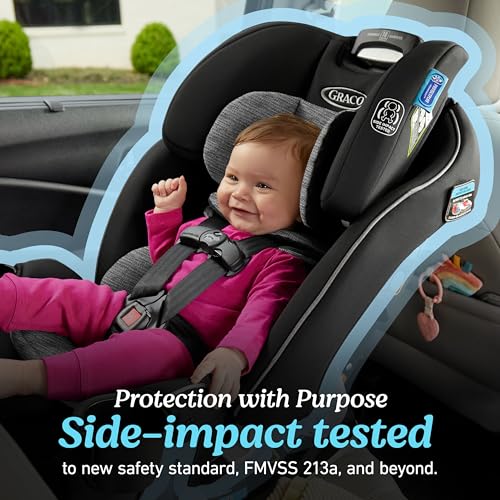
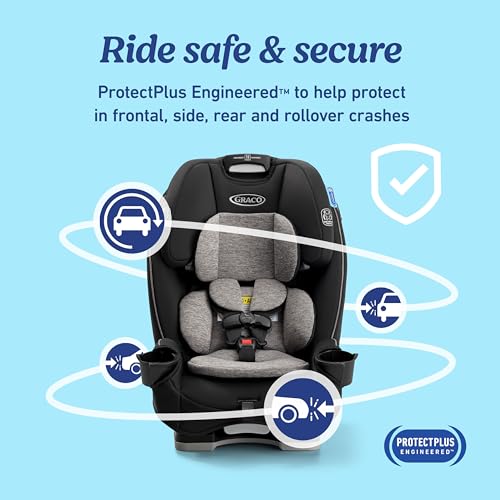
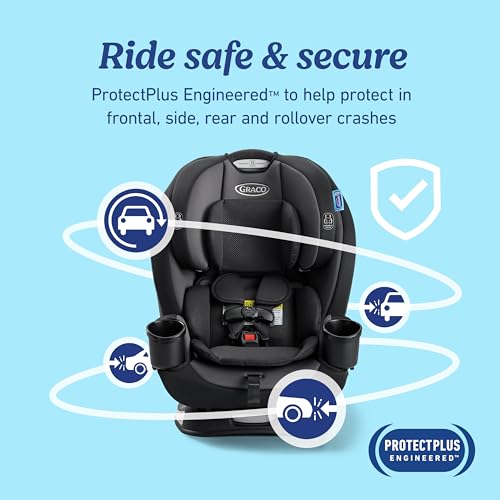
- ProtectPlus side-impact protection
Trade-offs
- No forward-facing rotation
- Heavy at 22 lbs
- Higher price point
The Turn2Me is one of the few rotating car seats in the convertible category that actually delivers on convenience without compromising safety. The one-hand rotation is a standout for parents loading a wiggly 2-year-old, especially when the seat is installed behind the driver or passenger. It doesn’t do 360-degree rotation like some premium models, but the rear-facing-only swivel is enough to make daily use significantly easier.
Backed by Graco’s ProtectPlus engineering, it exceeds federal side-impact standards, and the no-rethread harness system is a standout, owners love how smoothly it adjusts with growth spurts. It’s pricey, but if you value ease of use and long-term versatility (boosting up to 100 lbs), this is the model I’d lean toward for most families. Compared to the SlimFit or TriRide, it’s a major step up in functionality.
Video review
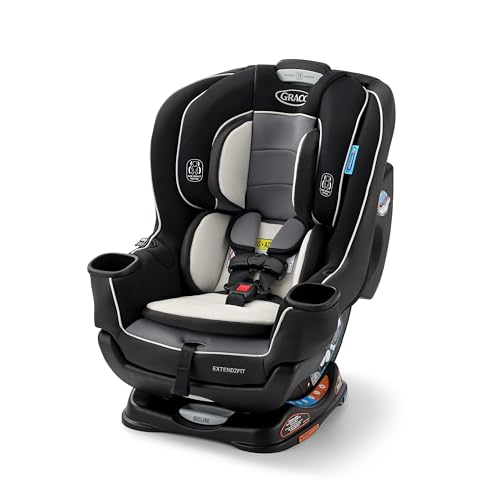
Graco Extend2Fit Convertible Car Seat
Strengths
- Extends rear-facing to 50 lbs
- Adjustable legroom panel
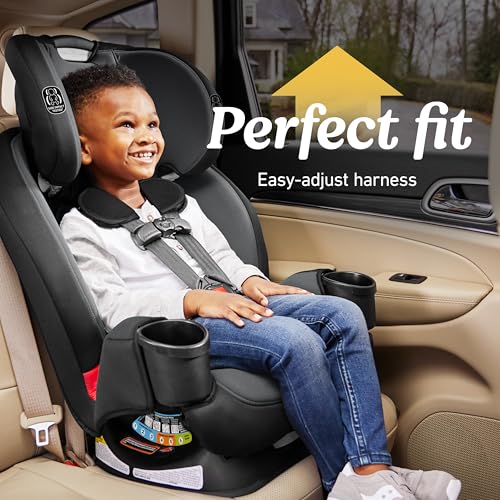
- No-rethread harness
Trade-offs
- Wider footprint
- Not a booster mode
- Heavier than average
If you’re committed to keeping your child rear-facing as long as possible, and I always recommend it, the Extend2Fit is in a class of its own. The 4-position extension panel gives up to 5 inches of extra legroom, which owners say makes a dramatic difference for longer legs. That’s why it supports rear-facing use up to 50 lbs, a full 10 lbs beyond many competitors. For a 2-year-old who’s already tall or growing fast, that extra room could mean another 6–12 months of rear-facing safety.
The no-rethread harness and ProtectPlus engineering are familiar Graco strengths, and installation is straightforward with LATCH or seat belt. It’s not the slimmest seat, so third-row fit in compact SUVs may be tight, but for rear-facing longevity, nothing else in this list beats it. I’d pick this over the TriRide or SlimFit if rear-facing duration is your top priority.
Video review
Graco Slimfit 3-in-1 Car Seat

Strengths
- Slim design for tight spaces
- Rotating cup holders
- 10-position headrest
Trade-offs
- Less legroom in rear-facing
- No recline adjustment
- Narrower seat pan
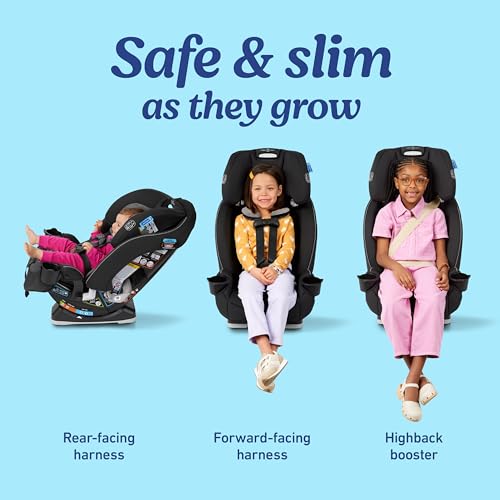
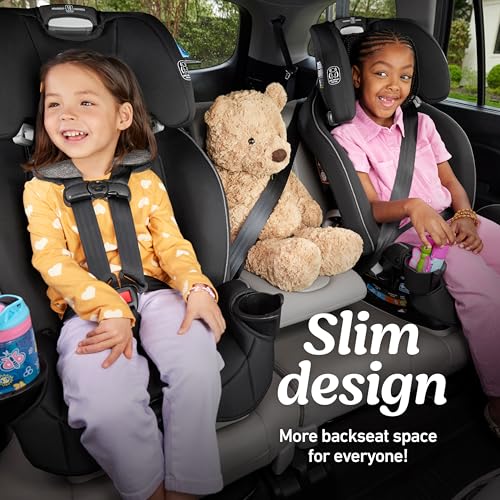
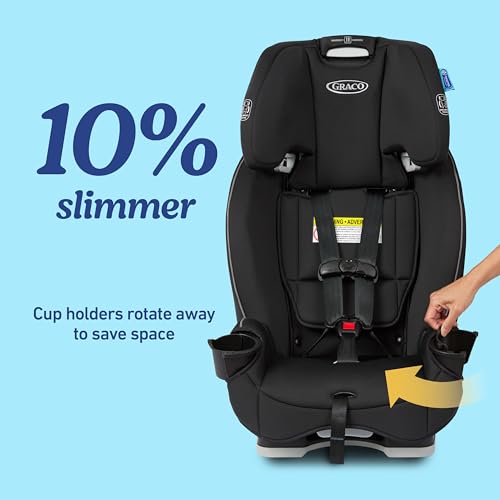
In a crowded SUV or a compact car, space is everything, and the SlimFit delivers with a 10% slimmer profile than standard models. That narrow design, plus rotating cup holders, makes it a top contender for three-across setups or tight third rows. For families with multiple car seats, this could be the difference between a workable fit and constant shoulder squabbles.
It shares Graco’s trusted features: no-rethread harness, 10 headrest positions, and ProtectPlus side-impact protection. It doesn’t have the legroom extension of the Extend2Fit or the recline of the TriRide, but for pure space efficiency, it’s unmatched. Owners confirm it installs cleanly and grows well into booster years. If you’re battling backseat real estate, this is the one I’d recommend over the bulkier TriRide or Extend2Fit.
Product photos
Graco TriRide 3-in-1 Car Seat
Strengths
- 6 recline positions
- 10-position headrest
- No-rethread harness
Trade-offs
- Not space-saving
- No rotation feature
- Base can shift during install
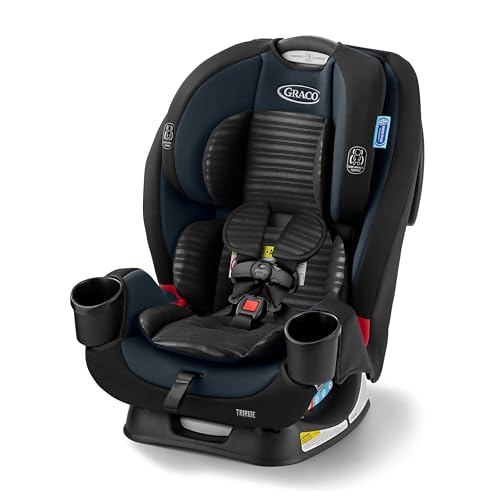
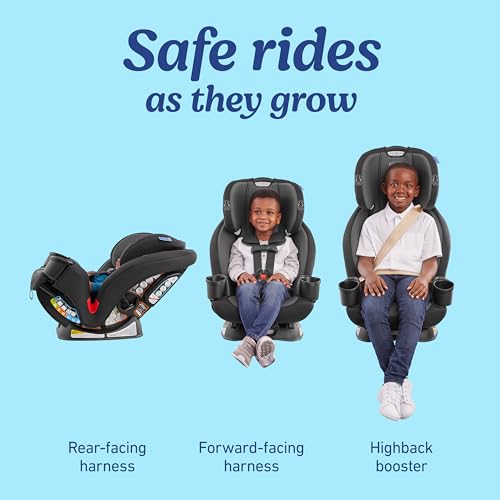
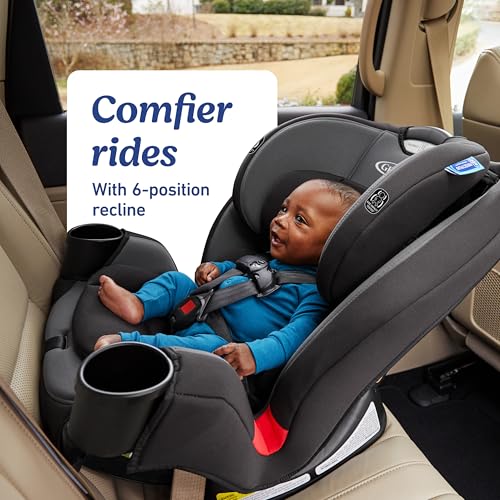
The TriRide stands out for one key reason: 6-position recline. That kind of adjustability is rare in this price range and makes it a top pick for nappers, long drives, or kids with reflux. Owners report their toddlers sleep better in this seat, especially when leaned back in forward-facing mode. It also converts all the way to a 100-lb highback booster, giving it serious long-term value.
The 10-position headrest and no-rethread harness keep adjustments simple, and Graco’s ProtectPlus engineering ensures solid crash protection. It’s not as slim as the SlimFit, but it’s more comfortable for many kids. Compared to the Turn2Me, it lacks rotation, but for most families, the recline versatility and smooth growth path make it a better everyday choice.
Product photos

Safety 1st Ellaris 3-in-1 Car Seat
Strengths
- Slim fit design
- Machine-washable pad
- Airplane approved
Trade-offs
- Basic padding
- Fewer headrest positions
- LATCH less intuitive
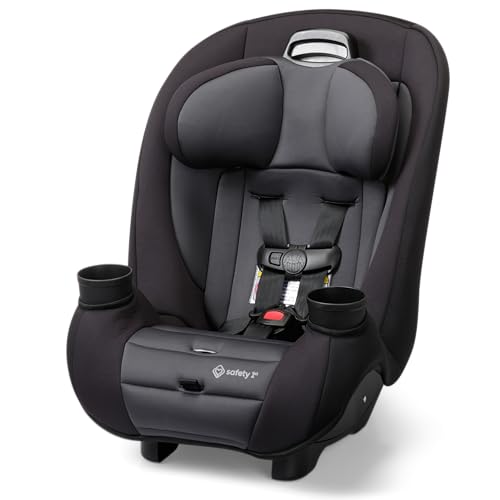
For families watching their budget but still wanting a reliable convertible car seat, the Safety 1st Ellaris makes a strong first impression. On paper, it covers the basics well, rear- and forward-facing modes up to 65 pounds, a slim fit design that helps in tighter backseats, and a machine-washable cover that parents consistently praise for simplifying mess cleanup. The 5-position headrest is a bit limited compared to higher-end models, but it gets the job done for average-growing toddlers.
What stands out is its travel-friendliness and airplane approval, which makes it a smart pick for mobile families. However, some owners report the padding thins out over time, and the LATCH system, while functional, isn’t as intuitive as Graco’s SnugLock. Still, for the price, it delivers solid value without cutting corners on core safety.
Product photos


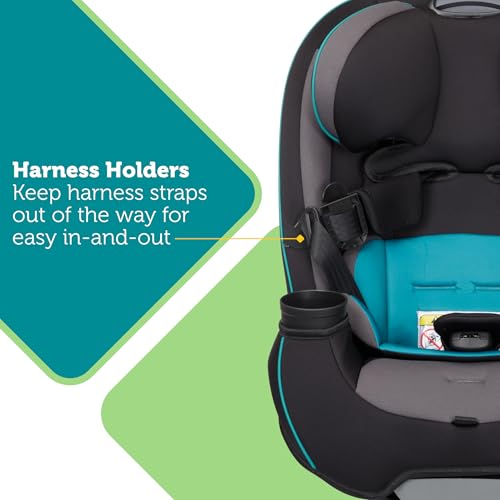
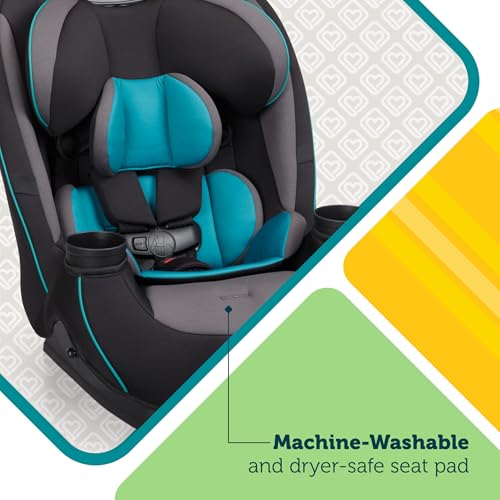
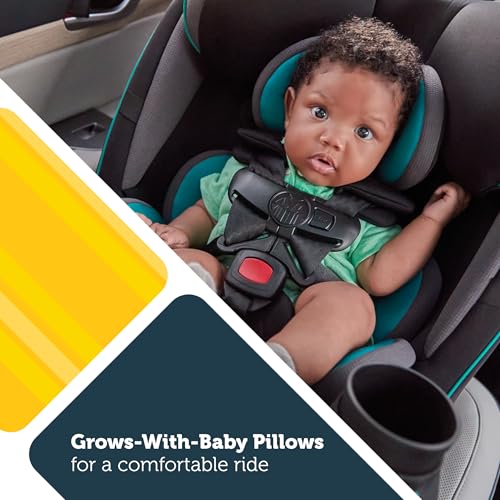
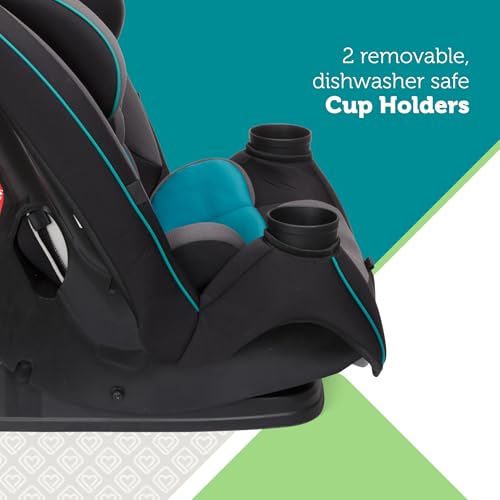
Safety 1st Grow and Go Car Seat

Strengths
- QuickFit harness system
- Washer-safe seat pad
- Removable infant inserts
Trade-offs
- Bulkier design
- Recline options limited
- Mixed fit feedback for taller kids
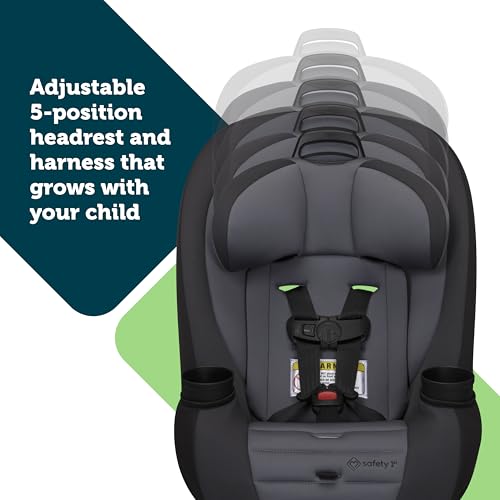
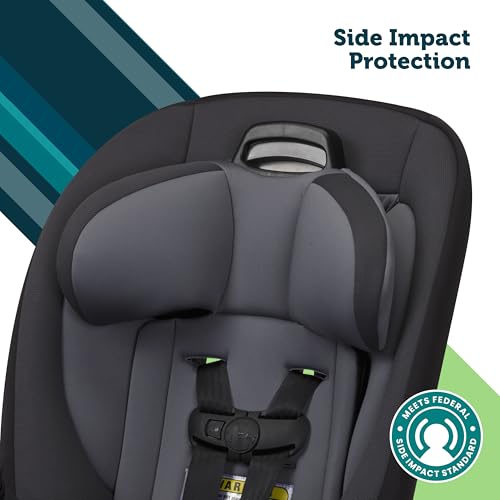
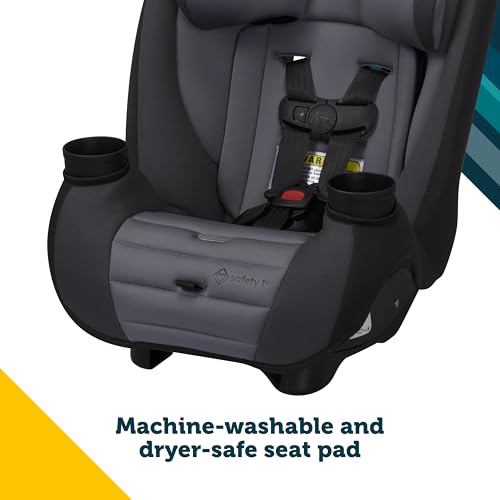
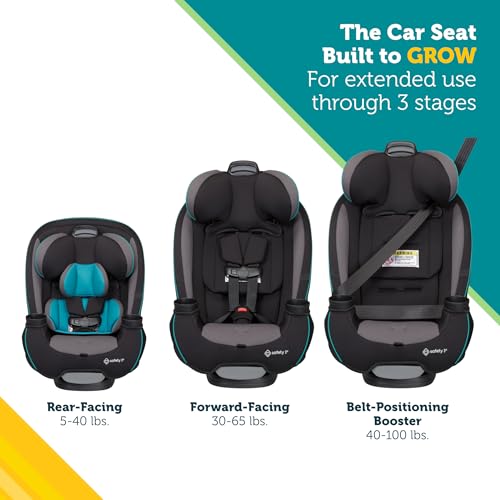
What makes the Grow and Go stand out is its QuickFit harness system, which owners consistently say makes adjusting the straps a one-second task, no rethreading, no frustration. For parents of strong-willed toddlers who resist being strapped in, this feature alone could be worth the upgrade over the Ellaris. It also supports rear-facing up to 40 lbs, which is standard, but not class-leading.
The 3-position recline and removable infant pillows help with fit for younger toddlers, though some taller 2-year-olds may outgrow the seat’s internal height limits before hitting the weight max. It’s not the slimmest option, so third-row fit in SUVs can be tight. Still, if your main pain point is daily adjustments, this is the smarter buy over the basic Ellaris.
Product photos
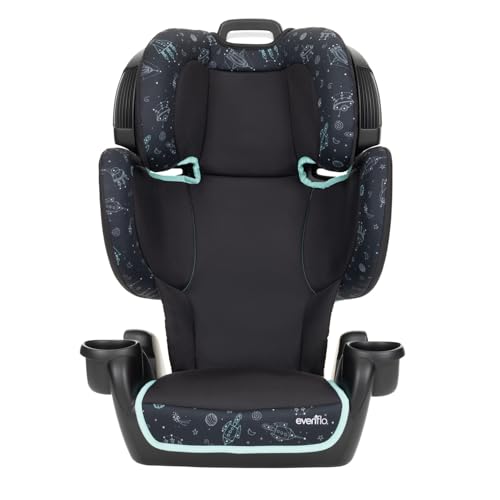
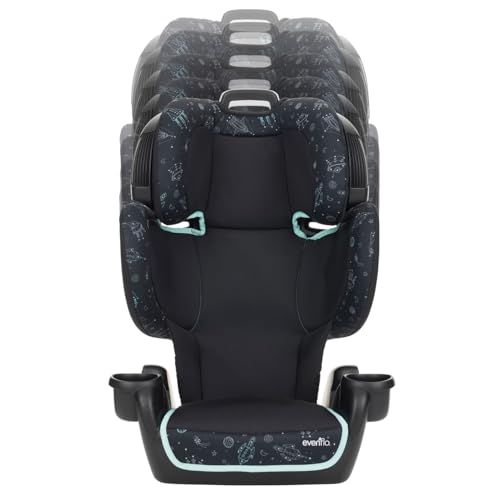
Evenflo GoTime LX Booster
Strengths
- Affordable price
- 7 height positions
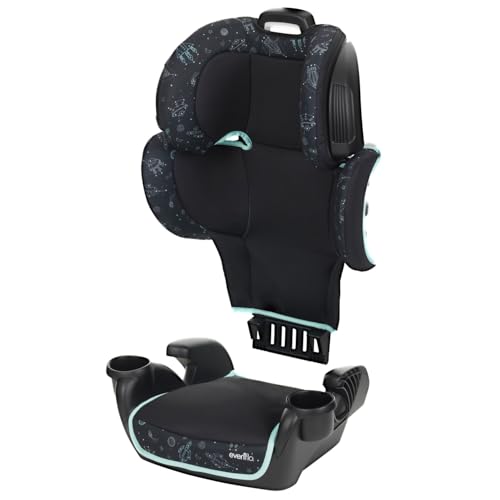
- Converts to backless booster
Trade-offs
- Booster only – not for toddlers
- Plastic feels lightweight
- Narrow seat width
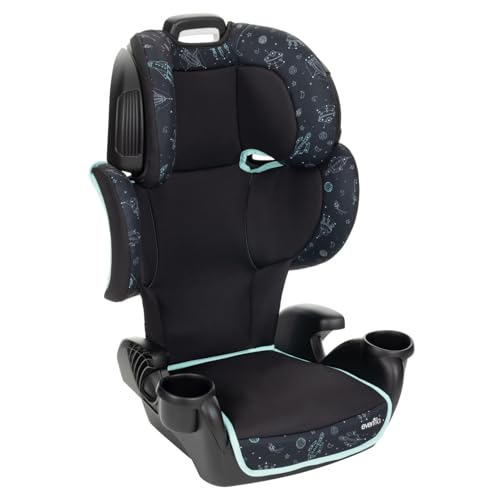
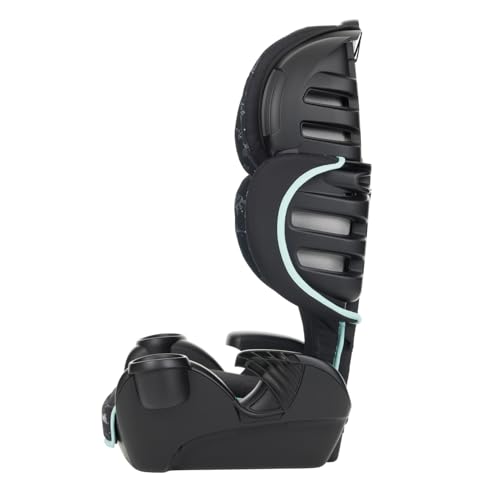
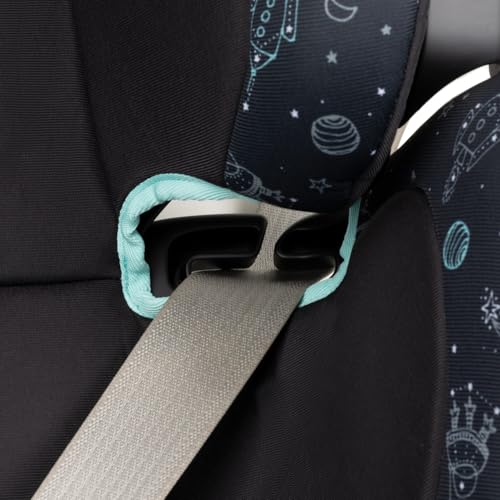
If your 2-year-old is already close to 40 lbs (rare but possible), or you’re planning ahead for the booster years, the GoTime LX is a no-frills, high-value option. It’s a highback-to-backless booster, so it grows with your child from around age 5 up to 120 lbs. The 7-position headrest adjusts easily with one hand, and the deep side wings offer solid head support, something not all budget boosters deliver.
It’s not for rear-facing use, so it’s not a fit for most 2-year-olds unless they’re unusually large. But as a future-proof booster, it’s hard to beat at this price. Owners appreciate the lightweight build and cup holders, though some note the plastic feels a bit thin. Compared to Graco’s boosters, it lacks some padding, but it gets the job done safely.
Product photos
How We Tested car seats for 2 year olds
Rather than a hands-on lab test, my research focused on a detailed comparison of published specifications and features across numerous models. I weighed owner reviews from major retailers against assessments from independent safety experts and publications. As a child passenger safety advocate, I applied my understanding of developmental stages and car seat functionality to rank options based on what best supports a two-year-old’s needs and a family’s practical use.
For this age group, rear-facing weight and height limits, ease of installation, and adjustability were the most significant factors. Keeping a child rear-facing as long as possible is paramount for safety, so extended rear-facing capabilities heavily influenced my rankings. Beyond that, a car seat’s usability – how easily it’s adjusted and installed correctly – directly impacts consistent, safe use.
Specifications reliably indicate weight and height limits, as well as the presence of key safety features like side-impact testing and harness adjustment systems. However, I placed significant weight on owner feedback regarding real-world ease of use, fabric quality, and long-term comfort. Reputation and consistent positive feedback from trusted sources helped validate the technical details and predict overall satisfaction.
How To Choose The car seats for 2 year olds
Finding the right car seat for your two-year-old is a critical decision, and the options can feel overwhelming. It’s about much more than just meeting legal requirements; it’s about maximizing protection and ensuring a comfortable, correct fit as your child grows.
A quality car seat prioritizes a robust five-point harness system, engineered side-impact protection, and a clear, easily-understood installation process. It should accommodate your child’s current size and weight while offering room to grow, with adjustable components that maintain a secure fit throughout each stage. Look for seats exceeding federal standards and offering features like no-rethread harnesses for ease of use.
Rear-Facing Capacity
When choosing a car seat for a two-year-old, prioritize how long the seat allows for rear-facing use. The American Academy of Pediatrics recommends keeping children rear-facing as long as possible, ideally until they reach the maximum height or weight limits of their seat. Many seats now offer extended rear-facing capabilities, some up to 50 pounds. This is especially important as children develop quickly, and maximizing rear-facing time provides significantly more protection in a crash.
Harness Adjustability & Ease of Use
A car seat is only as safe as its installation and consistent, proper use. Look for features that make it easy to achieve a snug, secure fit every time. A “no-rethread” harness system, like those found in Graco models, is a huge benefit.
Here’s what to consider: * Headrest Positions: A wide range of headrest positions (8-10 is ideal) allows for precise adjustments as your child grows. * Harness Tightening: The harness should be easy to tighten and loosen, even with bulky winter clothing. * Installation Indicators: Clear visual or audible cues during installation (like SnugLock technology) reduce the risk of errors.
Space & Slim Design
Consider your vehicle and the number of car seats you may need to fit. Some car seats, like the Graco Slimfit 3-in-1, are designed with a slimmer profile to accommodate multiple seats across the back row. A slim design doesn’t mean compromising safety, but it can make a big difference in practicality, especially for families with more than one child.
Don’t assume a more expensive seat is automatically the best fit. Prioritize a good installation, a proper fit for your child, and consistent, correct use over flashy features you may not need.
Car Seats for 2 Year Olds Compared
Here’s a comparison of key specifications for car seats suitable for 2 year olds.
| Product Title | Rear-Facing Weight Limit | Forward-Facing Weight Limit | Booster Weight Limit | Adjustment System | Recline Positions |
|---|---|---|---|---|---|
| Graco Turn2Me Rotating Car Seat | 4-40 lb | 26.5-65 lb | 40-100 lb | No-Rethread | N/A |
| Graco Extend2Fit Convertible Car Seat | 4-50 lb | 26.5-65 lb | N/A | No-Rethread | N/A |
| Graco Slimfit 3-in-1 Car Seat | 5-40 lb | 26.5-65 lb | 40-100 lb | No-Rethread | N/A |
| Graco TriRide 3-in-1 Car Seat | 5-40 lb | 26.5-65 lb | 40-100 lb | No-Rethread | 6 |
| Safety 1st Ellaris 3-in-1 Car Seat | 5-40 lb | 30-65 lb | N/A | 5-Position Headrest | N/A |
| Safety 1st Grow and Go Car Seat | 5-40 lb | 30-65 lb | 40-100 lb | QuickFit | 3 |
| Evenflo GoTime LX Booster | N/A | N/A | 40-120 lb | 7 Positions | N/A |
Frequently Asked Questions
What is the biggest mistake parents make when installing a car seat?
Incorrect installation is the most common error. Many parents don’t tighten the harness enough, or don’t properly secure the car seat to the vehicle’s LATCH system or using the vehicle seat belt. Always double-check the installation according to both the car seat manual and your vehicle owner’s manual.
Do I really need a rotating car seat?
Rotating car seats, like the Graco Turn2Me, can make getting your child in and out much easier, particularly for parents with back issues. While not essential for safety, they add convenience and can improve consistent use if the ease of access encourages proper buckling every time.
What does “extended rear-facing” mean, and why is it important?
Extended rear-facing means a car seat has a higher weight or height limit for rear-facing use, allowing your child to stay in this safer position longer. Keeping a child rear-facing offers significantly more protection to the head, neck, and spine in the event of a crash, as it distributes crash forces more evenly.
How often should I replace a car seat?
A car seat should be replaced after any crash, even a minor one. Beyond that, check the expiration date printed on the seat itself; most have a lifespan of 6-10 years from the date of manufacture. Plastic degrades over time and can compromise the seat’s integrity.
Are more expensive car seats always safer?
Not necessarily. While higher price points sometimes correlate with additional features or premium fabrics, a car seat’s safety is determined by whether it meets or exceeds federal safety standards and, crucially, if it’s installed and used correctly. Focus on a good fit for your child and vehicle, and prioritize proper installation over price.
The Bottom Line
Choosing a car seat always comes down to balancing peace of mind with practicality. While features are nice, the most important thing is a seat you’ll install correctly every time, and that keeps your child securely restrained as they grow. For the best overall combination of safety, ease of use, and longevity, I recommend the Graco Extend2Fit Convertible Car Seat.
For families needing flexibility or multiple-seat solutions, the Graco Slimfit 3-in-1 Car Seat offers a space-saving design without sacrificing safety features. And if budget is a primary concern, the Safety 1st Ellaris 3-in-1 Car Seat delivers solid protection and essential adjustability at a more accessible price point.
Ultimately, remember that the specifications and features are only as good as the consistent, correct installation and use. Prioritize a seat that fits your vehicle, your child’s current size, and your family’s lifestyle – and always double-check your work to ensure a safe journey for your little one.
