
8 Best Car Seats for 4-Year-Olds and Up (2026)
This post contains affiliate links. As an Amazon Associate, we earn from qualifying purchases.
The Graco TriRide 3-in-1 is our top pick for most families, it’s adjustable, reliable, and built to last. For a budget-friendly yet solid option, the Evenflo GoTime LX stands out, especially for older kids who only need a high-back booster. If you want maximum versatility, the Safety 1st Grow and Go All-in-One offers multiple modes to grow with your child over years.
As a mom and child safety advocate, I know how overwhelming it can be to choose the right car seat when your child outgrows their toddler harness. Many parents struggle with knowing when, and how, to make the switch to a booster, and they often underestimate how fast their child will outgrow a seat.
This guide cuts through the confusion. Based on specs, owner feedback, and safety performance, I’ve selected models that offer real adjustability, proven safety, and ease of use. I’ll walk you through what actually matters when shopping so you can make a confident, informed choice that keeps your child safe and comfortable for the long haul.
Top 8 Car Seats For 4 Year Old And Up in the Market
The Best Car Seats For 4 Year Old And Up, Reviewed
Graco TriRide 3-in-1 Reclining Car Seat

Strengths
- 10-position headrest
- 6 recline positions
- ProtectPlus engineering
- Smooth harness adjust
- Long use range
Trade-offs
- Wide design
- Heavy
- Higher price
If you want the full package, rear-facing, forward-facing, and highback booster, the TriRide is hard to beat. Its 10-position headrest and No-Rethread Simply Safe Adjust system make growing with your child effortless, and the 6-position recline is a comfort win for long rides. Graco’s ProtectPlus engineering covers all crash types, and owners consistently rate it highly for security and durability.
It’s not the slimmest seat, so three-across setups might be tight, and it’s on the heavier side, but the build quality feels solid. At nearly $200, it’s the most expensive here, but you’re paying for the longest usable life and the smoothest transitions. For most families, this is the smartest long-term investment.
Video review
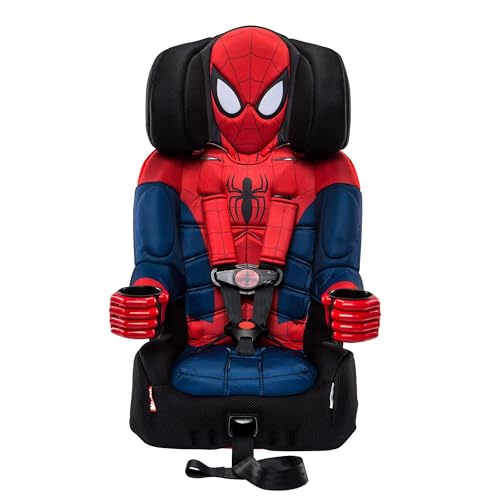
KidsEmbrace 2-in-1 Car Seat Marvel
Strengths
- IIHS Best Bet rated
- Plush foam padding
- LATCH + tether
- Easy adjustments
- Fun character designs
Trade-offs
- Very expensive
- No rear-facing
- Heavy for a booster
Priced at a premium, the KidsEmbrace 2-in-1 delivers in comfort and safety ratings. It’s forward-facing only (26.5–65 lbs.) but transitions to a highback and then backless booster, and it’s earned an ‘Best Bet’ rating from the IIHS for booster mode, a rare distinction that speaks volumes. The thick foam padding and contoured shape make it one of the most comfortable seats in this class.
Parents love the LATCH system for secure installs, and kids enjoy the fun designs like Spider-Man. But at $230, it’s the most expensive option, and it doesn’t support rear-facing. If you’re starting with a 4-year-old and want the safest, most cushioned ride possible, this is worth considering, but you’re paying for premium materials and branding.
Video review
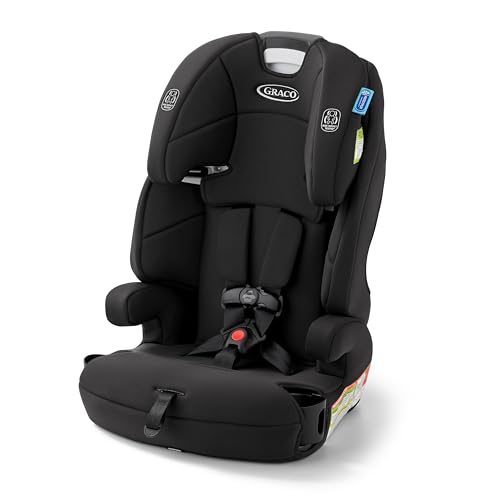
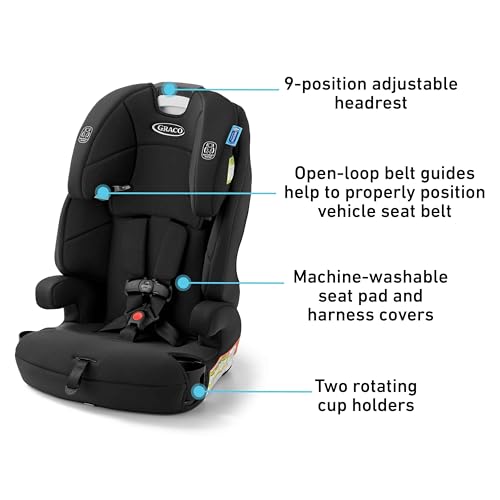
Graco Tranzitions 3-in-1 Harness Booster
Strengths
- No-rethread harness
- Lightweight
- 9-position headrest
- Backless conversion
- ProtectPlus safety
Trade-offs
- No rear-facing mode
- Basic seat padding
- Not for infants
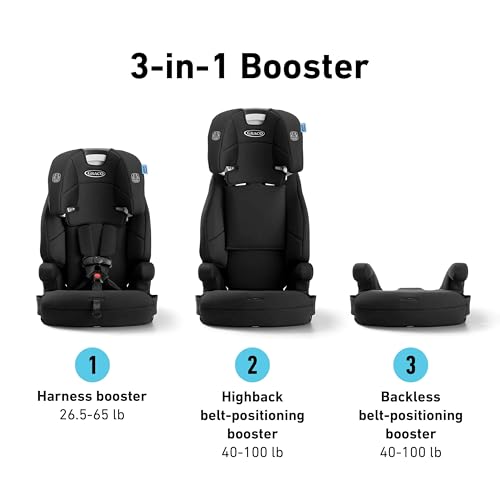
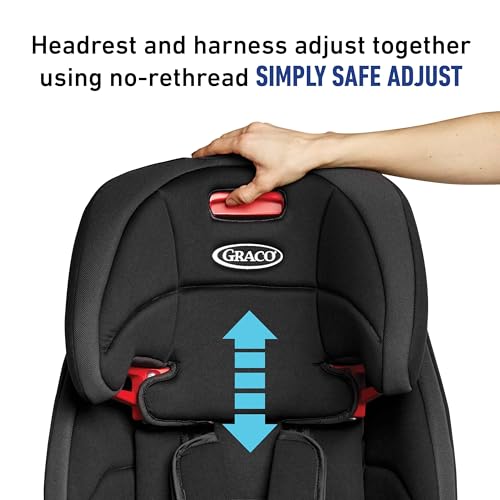
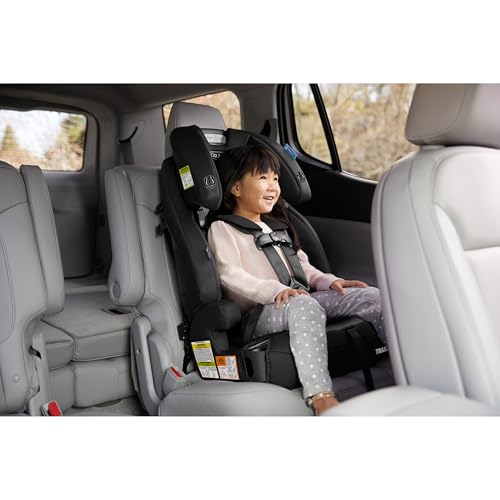
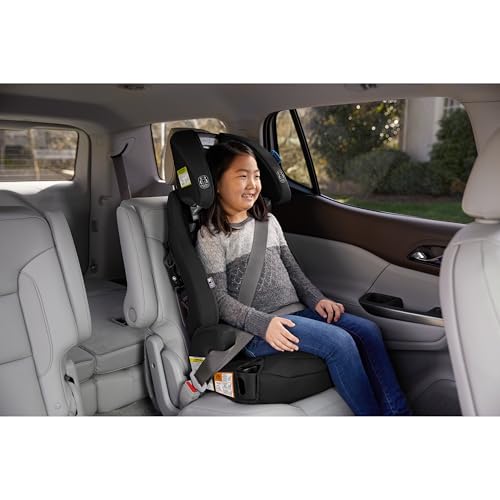
The Tranzitions hits the sweet spot between cost and capability. It skips rear-facing use but covers forward-facing harness (26.5–65 lbs.) and both highback and backless booster modes, making it ideal for a 4-year-old who’s ready to move up. The No-Rethread harness system is a standout, adjusting the headrest and straps together saves so much time.
It’s lighter than many competitors and easy to install, though it lacks some of the plush padding you’d find in premium models. Owners say it holds up well over years of use, and the 9-position headrest fits most kids comfortably. For value, performance, safety, and longevity, this one stands out.
Product photos
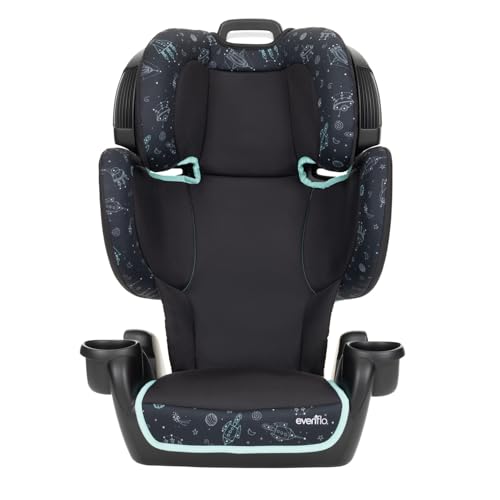
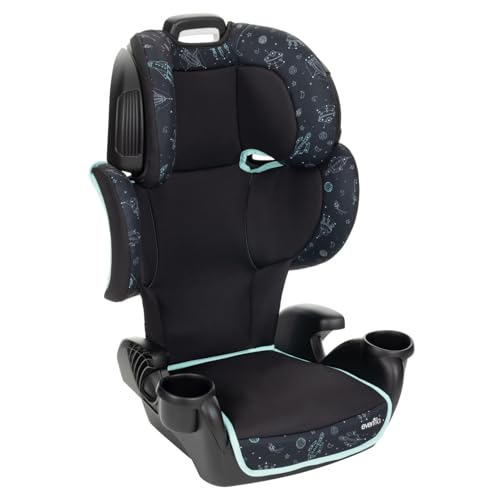
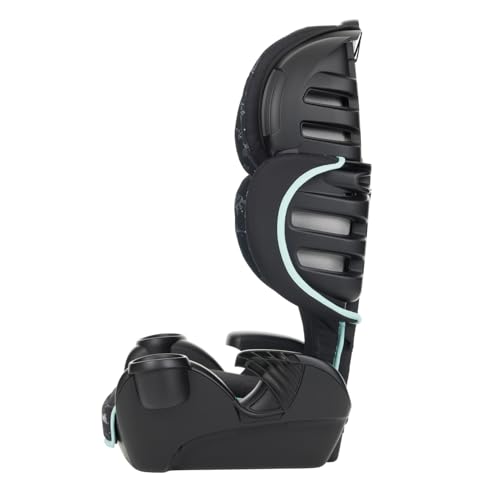
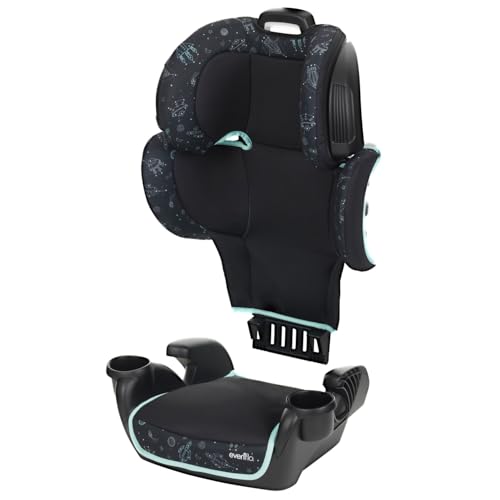
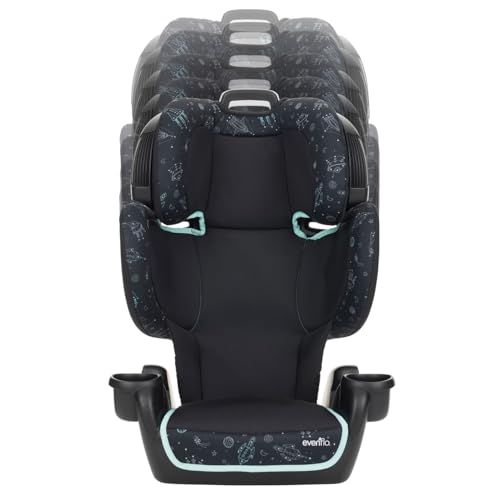
Evenflo GoTime LX Booster Seat
Strengths
- Affordable
- Deep side support
- One-hand height adjust
- Durable cup holders
- Meets safety standards
Trade-offs
- No LATCH in booster mode
- Plastic feel
- Not for rear-facing use
At this price, the GoTime LX delivers more than you’d expect. It’s built strictly as a highback-to-backless booster for kids 40–120 lbs., so it’s not for younger toddlers, but for a 4-year-old who’s ready for a booster, it’s a smart budget pick. The deep side wings offer decent head support, and the one-hand height adjustment is genuinely useful as your child grows.
Reviewers note it installs securely and stays put during rides, though it lacks LATCH in booster mode, which some parents miss. The build feels a bit hollow compared to pricier models, but it meets all federal safety standards and holds up well over time. If you’re looking for a no-frills, reliable booster that won’t break the bank, this one earns its keep.
Product photos
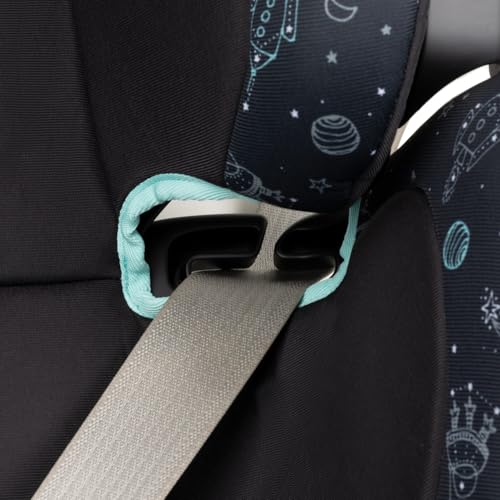
Graco TurboBooster 2.0 Backless Booster

Strengths
- Ultra lightweight
- Low cost
- Hide-away cup holders
- Adjustable armrests
- Easy to clean
Trade-offs
- No highback mode
- No side impact wings
- Requires vehicle headrest
The TurboBooster 2.0 is about as simple as it gets, and that’s the point. At under $35, it’s the most affordable way to get a Graco-branded booster that’s ProtectPlus Engineered for multiple crash types. It’s backless, so it only works in vehicles with headrests, but it’s incredibly lightweight and easy to toss in the car for carpools or grandparents’ rides.
Reviewers praise its durability and low-profile design, and the hide-away cup holders are a clever touch. The armrests adjust for comfort, but there’s no side impact protection, and younger kids may feel exposed without highback support. I’d recommend this as a secondary seat, not a primary one for daily use.
Product photos



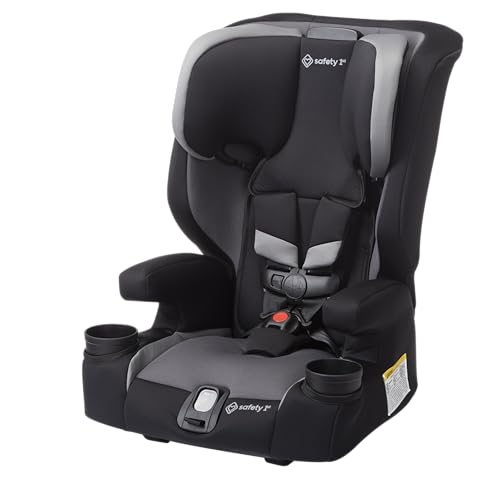
Safety 1st Boost-and-Go 3-in-1 Booster
Strengths
- Lightweight
- Narrow design
- Easy conversion
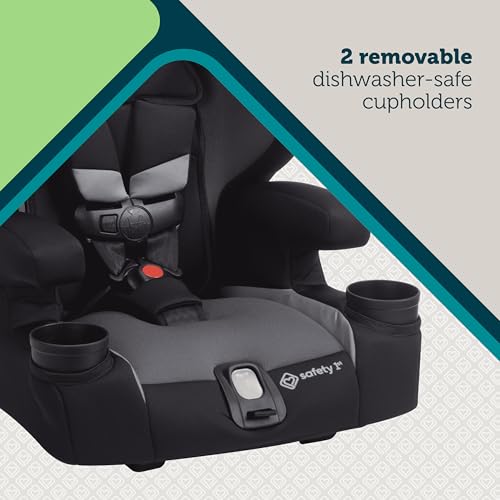
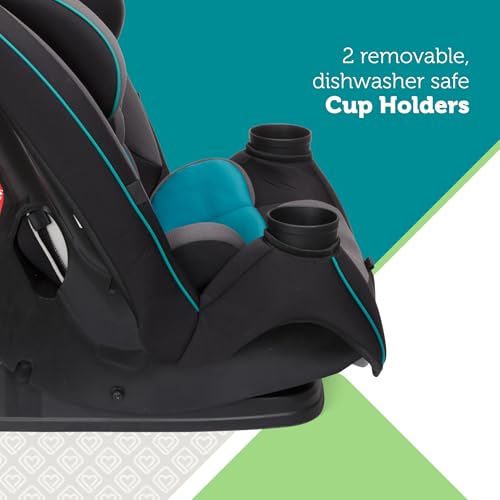
- Dishwasher-safe cup holders
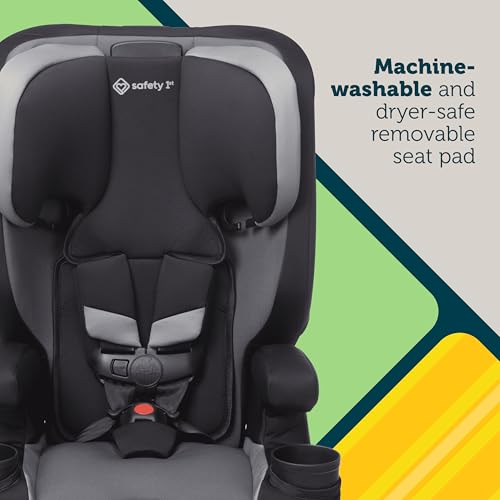
- Machine-washable pad
Trade-offs
- Thin padding
- Headrest limits taller kids
- Lower harness weight start
For families who need a no-fuss booster that’s easy to move between cars and grows with their child, the Boost-and-Go Essential checks a lot of boxes. Its lightweight build and simple conversion from highback to backless make it a practical choice, especially if you’re carpooling or using rental vehicles. On paper, it covers the key stages for kids 30–100 lbs., but the real sweet spot is from around age 4 onward, once they’ve outgrown a harnessed seat.
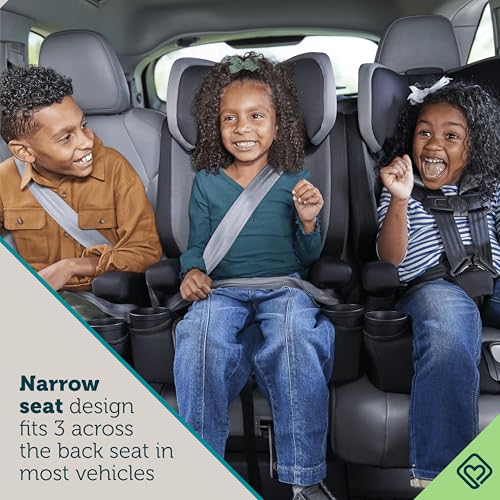
Owners consistently report it’s a breeze to install and adjust, and the narrow profile is a big win for three-across setups. However, the padding is thinner than some competitors, and taller kids may outgrow the head support before hitting the weight limit. Still, for its price and simplicity, it’s a solid mid-tier option.
Product photos

Safety 1st Grow and Go All-in-One

Strengths
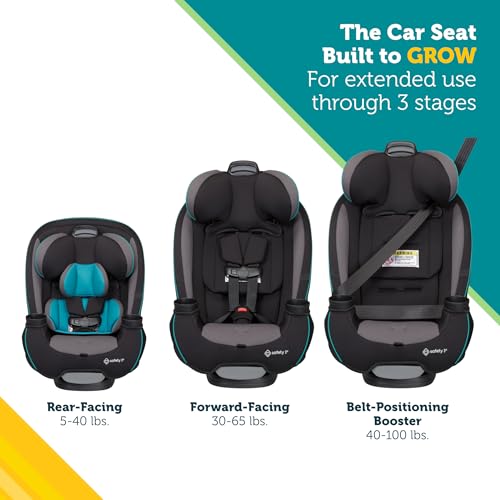
- Longest use range
- QuickFit harness
- Recline positions
- Dishwasher-safe cup holders
- Washable seat pad
Trade-offs
- Tight legroom in booster
- Basic padding
- Bulky in rear-facing
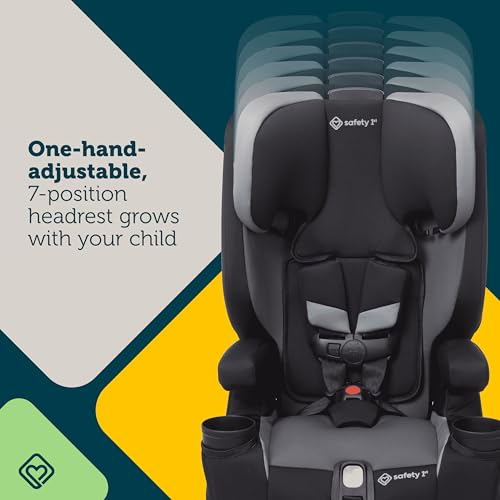
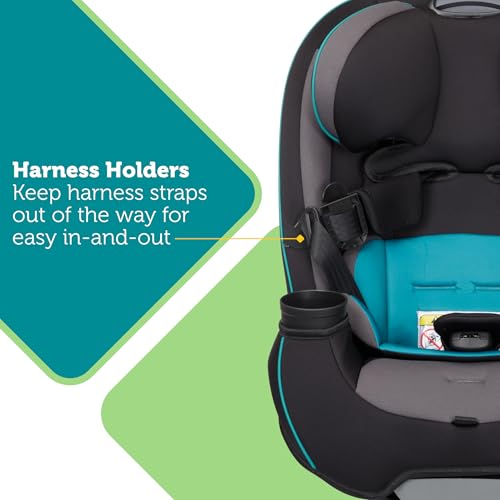
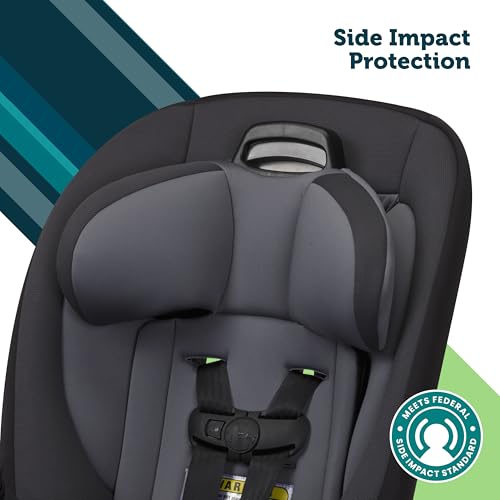
This is one of the few All-in-One seats that truly goes the distance, rear-facing from 5 lbs., forward-facing, then highback booster up to 100 lbs. The QuickFit harness is a standout feature, letting you adjust the headrest and harness in one motion, which saves time and reduces struggle during daily use.
On paper, it’s a great value for long-term use, but some owners report the seat depth becomes tight for older kids in booster mode. The padding is functional but not plush, and the overall build feels more utilitarian than premium. Still, if you want a single seat from infancy through grade school, and especially if you value ease of adjustment, this one makes sense.
Product photos
Safety 1st Ellaris 3-in-1 Convertible
Strengths
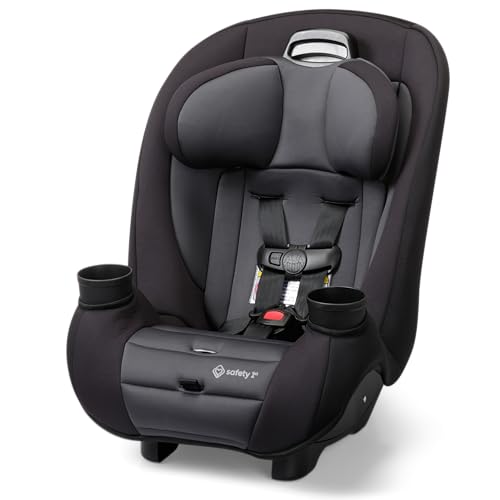
- Slim design
- Rear- and forward-facing
- LATCH included
- Travel-friendly
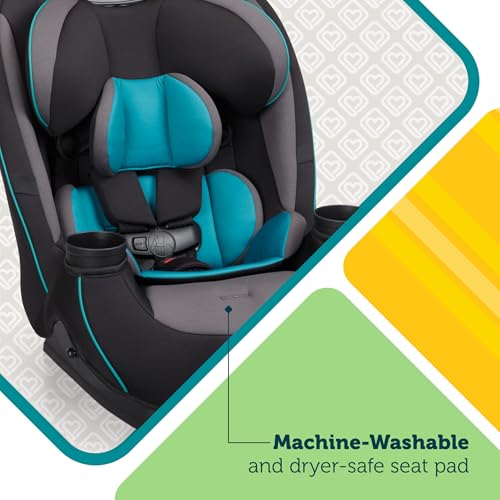
- Washable cover
Trade-offs
- Lower rear-facing limit
- Fewer headrest positions
- Not for older/larger kids
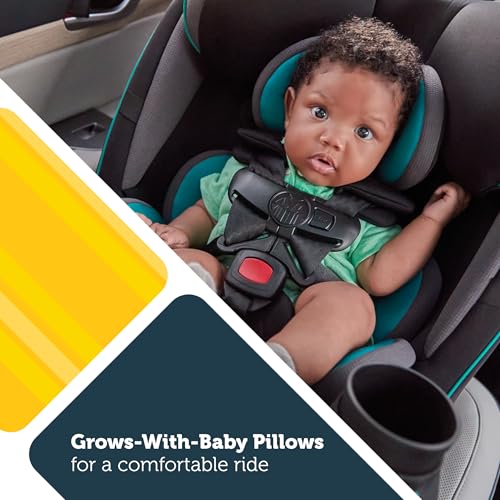
The Ellaris stands out for one reason: its slim fit. In compact cars or when you’re squeezing three seats across, this one’s narrow frame is a standout. It transitions from rear-facing (5–40 lbs.) to forward-facing (30–65 lbs.), so it’s ideal for starting young and going strong through the preschool years.
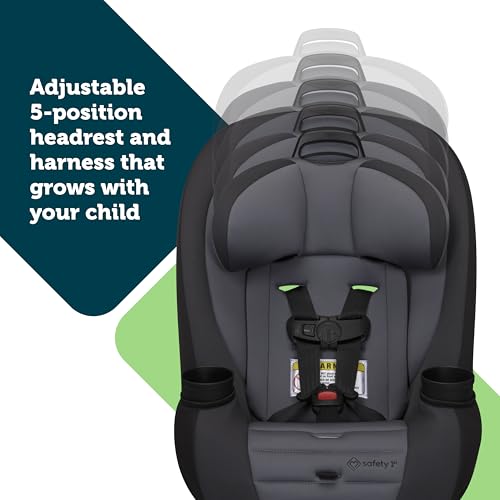
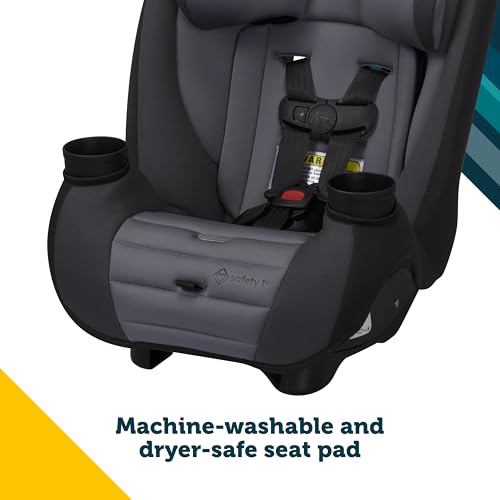
The 5-position headrest isn’t as smooth as some, but it gets the job done, and the airplane-ready design is a plus for traveling families. Owners appreciate the machine-washable cover and easy LATCH setup. However, the lower rear-facing weight limit (40 lbs.) means some kids may outgrow it earlier than expected. Still, for small cars or tight rows, it’s a top contender.
Product photos


How We Evaluated car seats for 4 year old and up
Rather than a hands-on lab test, my research focused on a detailed comparison of published specifications and features across numerous models. I weighed owner reviews from major retailers alongside assessments from independent experts, prioritizing safety ratings and ease of use. As a child safety advocate, I applied my understanding of car seat technology and current best practices to rank options against clear criteria – growth capacity, safety features, and overall value.
For this age group, the factors that most heavily influenced my recommendations were a car seat’s adjustability and longevity, and its demonstrated safety record. A seat that can truly grow with a child, minimizing the need for frequent replacements, offers significant value. Equally crucial is a proven commitment to safety standards, backed by rigorous testing and positive performance in crash simulations, as reported by organizations like the IIHS.
Specifications reliably indicate a seat’s weight and height limits, as well as the type of installation system (LATCH, belt). However, I placed greater emphasis on owner feedback regarding real-world usability – how easy the seat is to install correctly, adjust as the child grows, and clean. Reputation and expert reviews helped assess the quality of construction and the long-term reliability of each model.
What To Look For In car seats for 4 year old and up
Choosing a car seat for a four-year-old and up feels different than infant seat shopping. You’re shifting from full containment to a focus on proper positioning with the vehicle’s seatbelt system.
A good car seat in this age group prioritizes a secure fit with the vehicle’s belt, adjustability to accommodate growth, and a design that encourages consistent use. Look for clear labeling of weight and height limits, a robust belt-fitting system, and features that make the seat comfortable enough your child wants to use it. Avoid seats with complicated installation procedures or flimsy construction.
Harness vs. Booster: Knowing When to Switch
The biggest decision is whether to stay with a harnessed seat or move to a booster. Most children will benefit from remaining in a five-point harness as long as possible, up to the seat’s height and weight limits. Don’t rush the transition to a booster just because your child is four. A harness offers more protection in a crash. If your child has outgrown their harnessed seat, a combination harness-booster is a good intermediate step.
Understanding Adjustment Mechanisms
Beyond the basic harness or booster style, pay close attention to how easily the seat adjusts. A “no-rethread” harness system, like those found in the Graco Tranzitions and Graco TriRide, is worth the investment. These allow you to raise the harness height and adjust the headrest simultaneously, without dismantling the seat. Similarly, look for a simple, one-handed headrest adjustment on booster seats, such as the Evenflo GoTime LX.
- A complex adjustment process is a barrier to a proper fit.
- Multiple positions for the headrest are crucial (at least 7-9) to accommodate rapid growth spurts.
- The ability to recline the seat (even slightly) can make a big difference in comfort on longer trips, and can also aid in installation in vehicles with steeply angled seats.
Value Beyond the Price Tag
While budget-friendly options like the Evenflo GoTime LX are tempting, don’t automatically equate price with value. Consider longevity. A 3-in-1 seat, like the Safety 1st Grow and Go All-in-One, can potentially last for years, saving you money in the long run.
A car seat isn’t a purchase you should skimp on. Prioritize a model that fits your vehicle and your child’s needs, even if it means spending a bit more upfront. Proper fit and consistent use are paramount.
Car Seats for 4 Year Old and Up Compared
This table provides a side-by-side comparison of key specifications for various car seats designed for children aged four years and up.
| Product Name | Harness Weight Range (lb) | Booster Weight Range (lb) | Height Range – Harness (in) | Height Range – Booster (in) | Modes |
|---|---|---|---|---|---|
| Graco TriRide 3-in-1 | 26.5-65 | 40-100 | N/A | N/A | 3 |
| KidsEmbrace 2-in-1 Marvel | 26.5-65 | 40-100 | 29-49 | 38-57 | 2 |
| Graco Tranzitions 3-in-1 | 26.5-65 | 40-100 | N/A | N/A | 3 |
| Evenflo GoTime LX | N/A | 40-120 | N/A | N/A | 2 |
| Graco TurboBooster 2.0 | N/A | 40-100 | N/A | Up to 57 | 1 |
| Safety 1st Boost-and-Go 3-in-1 | 30-65 | 40-100 | 34.4-49 | 43.4-57 | 3 |
| Safety 1st Grow and Go All-in-One | 30-65 | 40-100 | 34.4-49 | 43.4-52 | 3 |
| Safety 1st Ellaris 3-in-1 | 30-65 | 40-100 | N/A | N/A | 3 |
Frequently Asked Questions
How long should my child stay in a five-point harness?
A child should remain in a five-point harness as long as possible, up to the car seat’s height and weight limits. Harnesses offer superior crash protection compared to boosters, so delaying the switch is beneficial for safety.
What is a combination car seat, and is it a good option?
A combination car seat transitions from a harnessed seat to a belt-positioning booster. They are a good intermediate step for children who have outgrown their harnessed seat but aren’t quite ready for a booster alone, extending the seat’s usability.
What does “no-rethread” mean when describing a harness adjustment?
“No-rethread” means the harness height and headrest can be adjusted simultaneously without having to remove and re-thread the harness straps. This simplifies adjustments and helps ensure a proper fit as your child grows.
Are 3-in-1 car seats really more economical in the long run?
Yes, 3-in-1 car seats can be more economical. These seats convert from a harnessed seat to a booster, and sometimes include a backless booster mode, potentially eliminating the need to purchase multiple seats as your child grows.
How important is it that a car seat reclines?
While not essential, a reclining feature can significantly increase comfort, especially on long trips. Reclining can also aid in achieving a proper installation angle in vehicles with steeply sloped seats, improving fit and safety.
The Bottom Line
Choosing a car seat for a growing child often comes down to balancing upfront cost with long-term value. While a basic high-back booster like the Graco TurboBooster 2.0 gets the job done, I believe the Graco TriRide 3-in-1 offers the best overall combination of features, longevity, and safety for most families. It’s designed to adapt as your child grows, potentially eliminating the need to buy another seat for several years.
For parents prioritizing a budget-friendly option, the Evenflo GoTime LX is a solid choice as a high-back booster. If you need a versatile option that can transition between harness and booster modes, the Safety 1st Grow and Go All-in-One is a strong contender. These seats allow you to delay the booster transition, keeping your child in a five-point harness for longer.
Ultimately, the best car seat isn’t the one with the most bells and whistles, but the one that fits your vehicle, your child, and is installed and used correctly on every trip. A secure fit, adjustability, and consistent use are far more important than any single specification or feature.
