
6 Best Car Seats for Air Travel 2026
This post contains affiliate links. As an Amazon Associate, we earn from qualifying purchases.
The best car seat for air travel is the WAYB Pico, it’s lightweight, FAA-approved, and built for safety. For older kids, the BubbleBum inflatable booster is a smart, packable choice. If you need a seat that grows with your child, the Graco Contender Slim offers solid value without sacrificing approval for plane use.
Traveling with a car seat shouldn’t mean lugging around a heavy, awkward seat that barely fits in the overhead bin. Most parents want something safe, approved for planes, and easy to carry through the terminal, but finding that balance isn’t always simple.
I compared FAA-compliant models based on weight, packed size, safety ratings, and real-world usability, using specs, owner feedback, and child safety standards. This guide cuts through the noise to highlight the ones that actually make flying with a child easier, without cutting corners on protection.
Top 6 Car Seats For Air Travel in the Market
The Best Car Seats For Air Travel, Reviewed
WAYB Pico Travel Car Seat

Strengths
- Fits in overhead bin
- FAA approved
- Ultra lightweight
- Aerospace frame
Trade-offs
- Very expensive
- Only for 26.5–50 lbs
- Not for infants
The WAYB Pico is in a class of its own, expensive, yes, but engineered like nothing else in the travel car seat market. At just 8 pounds and folding down to fit in an overhead bin, it’s built for families who fly often and refuse to compromise on safety or convenience. It’s FAA-approved, meets all NHTSA standards, and uses aerospace-grade materials that make it both strong and featherlight. The AstroKnit fabric is breathable and easy to clean, which matters when you’re dealing with spills on a long flight.
Owners consistently say it’s worth the investment if you travel more than a few times a year. Compared to inflatable boosters, it offers full back and side support, and unlike convertible seats, it’s designed from the ground up for portability. The biggest downside? The price. But if you value durability, safety, and ease of transport, the Pico is the best overall travel seat available. I’d pick it over any inflatable or full-size convertible for frequent flyers.
Video review
BubbleBum Inflatable Travel Booster
Strengths
- Crash tested
- Extremely compact
- Award winning
- Fits 3 across
Trade-offs
- No back support
- Seat belt fit critical
- Not for daily use
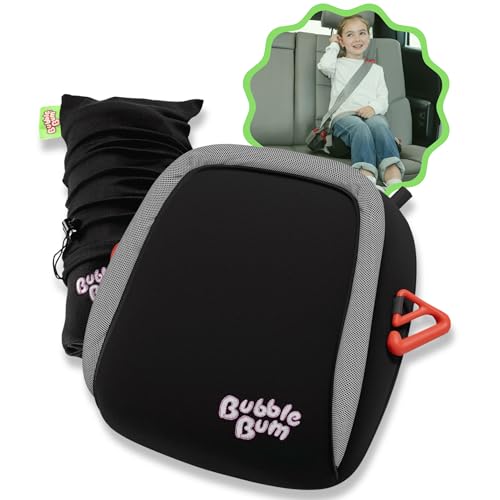
If you’re looking for the most compact booster that still meets U.S. safety standards, the BubbleBum is hard to beat. It’s not just small, it’s remarkably small when deflated, slipping into a diaper bag or glove compartment with ease. The fact that it’s independently crash tested and exceeds federal requirements gives it real credibility, which many inflatable boosters lack. Parents I’ve seen in forums praise how their kids actually like sitting in it, thanks to the soft cushioning that avoids the hard edges of rigid models.
It’s not perfect. Like all backless boosters, it depends heavily on proper seat belt fit, so it won’t work well in vehicles with poor shoulder belt geometry. And while it’s great for travel, I wouldn’t choose it as a primary seat. But for a family that travels often or needs a reliable backup, the BubbleBum is the smarter buy over the UberBoost thanks to its proven safety record and ultra-portable design.
Video review
UberBoost Inflatable Booster Seat
Strengths
- Portable
- FMVSS213 certified
- Fits 3 across
Trade-offs
- Less structural support
- Takes breaths to inflate
- Not for daily use
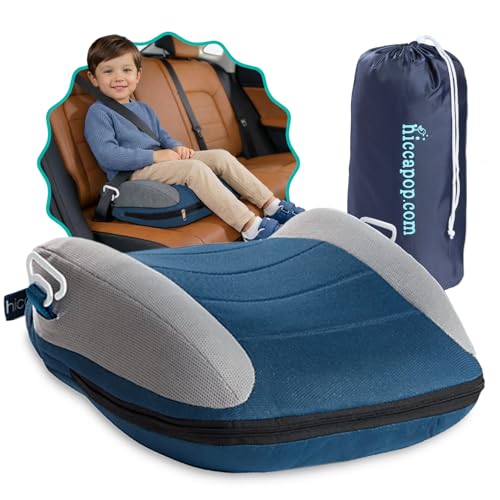
The UberBoost inflatable booster stands out for families who need a no-fuss, packable solution for occasional car use. On paper, it delivers exactly what it promises: a booster that inflates in seconds, packs into a small bag, and meets federal safety standards (FMVSS213). Owners consistently report it’s a lifesaver for rideshares, rental cars, and grandparents’ vehicles where a full car seat isn’t practical. The non-skid base adds confidence, and the positioning clips help keep the seat belt properly aligned across the lap and shoulder.
Still, I’d be cautious about relying on it for long-term or daily use. While it’s certified safe, it lacks the structural rigidity of a traditional booster. For kids on the smaller side of the 40–100 lb range, it may feel less supportive over time. Compared to the BubbleBum, it’s bulkier when deflated and doesn’t have the same award-winning reputation.
Product photos


Graco TriRide 3-in-1 Car Seat
Strengths
- 3-in-1 use
- 10-position headrest
- 6 recline positions
- ProtectPlus safety
Trade-offs
- Heavy
- Bulky design
- Not FAA approved
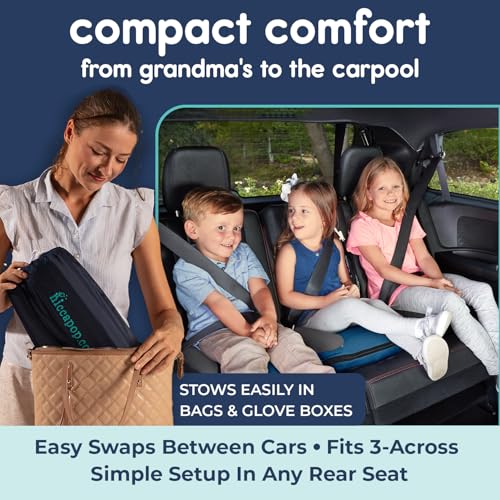
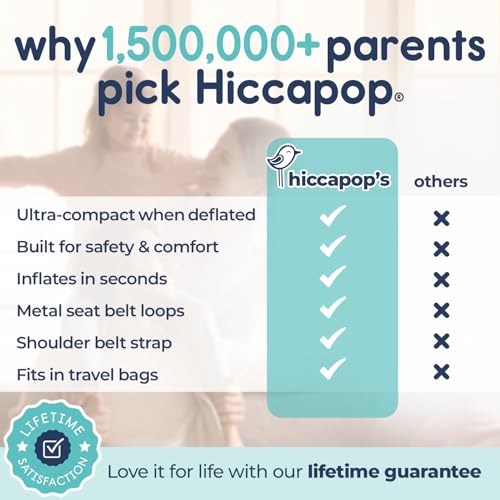
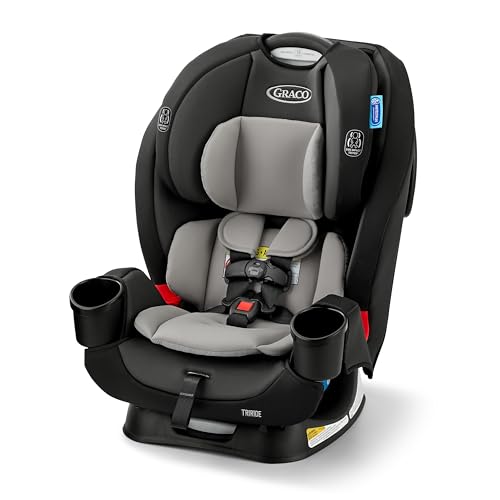
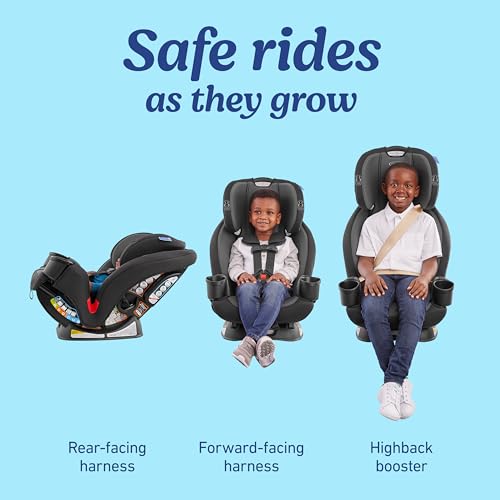
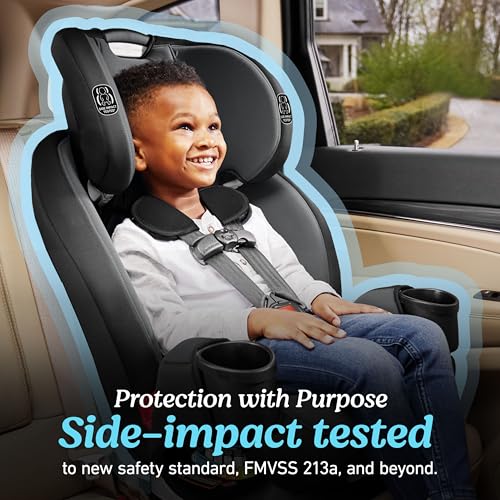
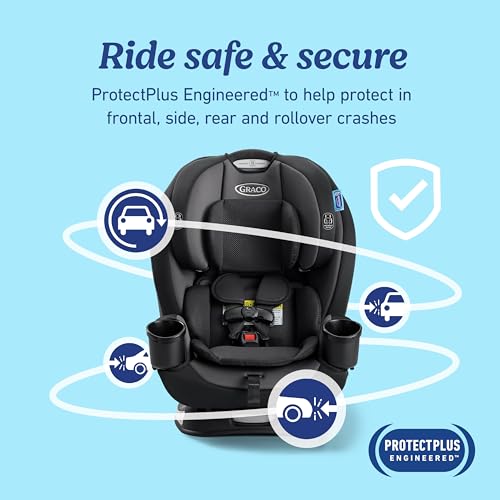
The Graco TriRide is built to last, from newborn to preschooler and beyond, thanks to its 3-in-1 design that transitions from rear-facing to highback booster. The 10-position headrest and no-rethread harness make adjustments effortless, and the 6-position recline helps keep kids comfortable on long trips. It’s not the lightest or most compact option, but if you’re looking for a single seat that grows with your child and handles everything from airport rides to cross-country road trips, this one delivers.
It’s heavier than the Contender Slim and doesn’t fold, so it’s not ideal for frequent air travel. But for families who want long-term value and don’t want to buy multiple seats, the TriRide is a strong contender. It lacks the ultra-portable appeal of the Pico or BubbleBum, but makes up for it in versatility. I’d recommend it over the Safety 1st Ellaris for its smoother harness adjustment and broader weight range.
Product photos
Graco Contender Slim Car Seat
Strengths
- FAA approved
- Lightweight
- Slim design
- ProtectPlus safety
Trade-offs
- No booster mode
- Shorter use span
- Limited padding
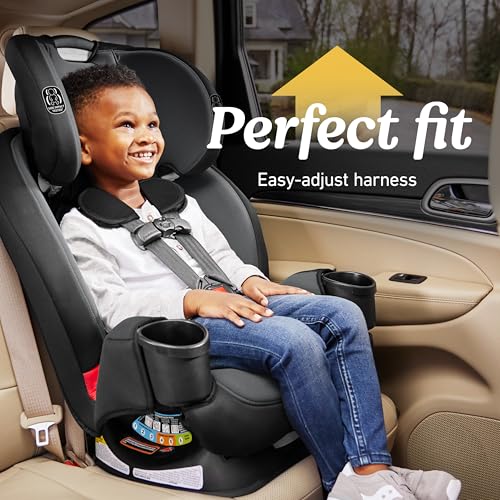
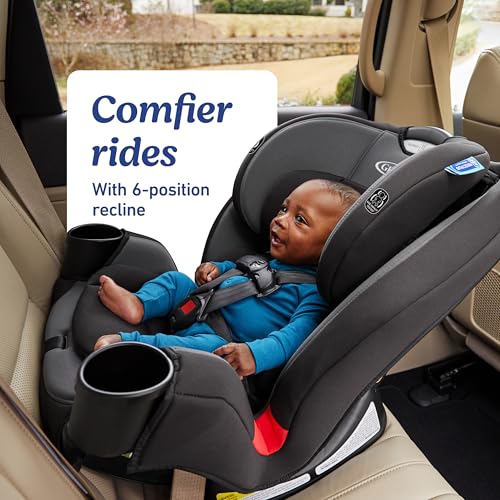
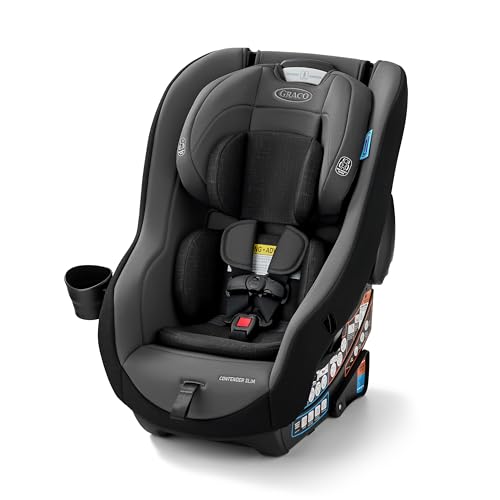
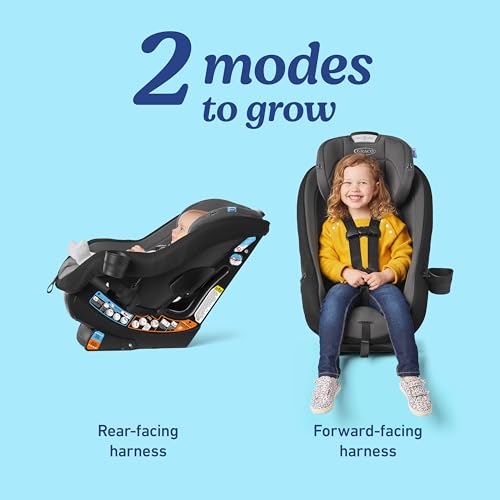
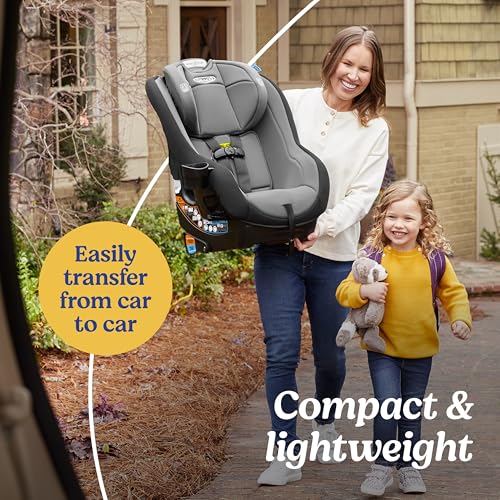
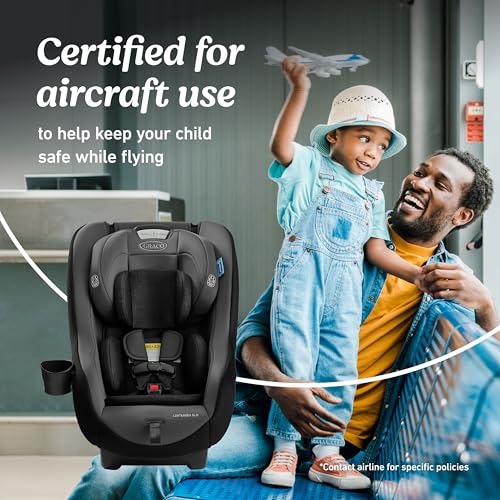
The Graco Contender Slim is one of the rare convertible seats that feels genuinely travel-friendly. At just over 10 pounds, it’s light enough to carry through an airport, and its narrow profile means it won’t dominate the back seat. It’s FAA-approved, so you can use it on a plane, and it covers a wide weight range, rear-facing from 5–40 lbs and forward-facing up to 65 lbs. That makes it a solid pick for families who want one seat that handles early travel needs without buying multiple products.
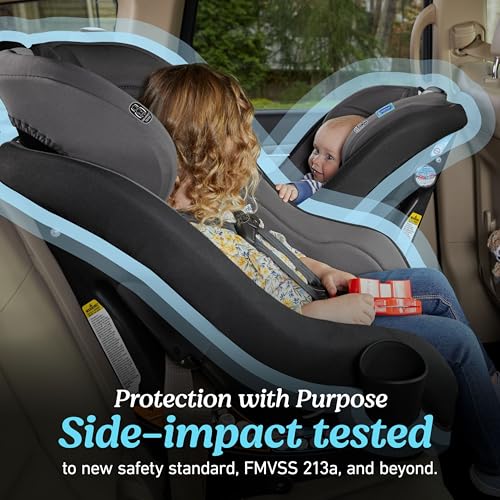
Owners note it’s easy to install and surprisingly comfortable for long flights or car rides. It doesn’t have the bells and whistles of higher-end models, but Graco’s ProtectPlus engineering adds real peace of mind in side and rollover crashes. Compared to the Safety 1st Ellaris, it’s lighter and slimmer, though it lacks a highback booster mode. For a baby-to-toddler travel seat, this is one of the most practical choices under $200.
Product photos

Safety 1st Ellaris 3-in-1 Seat

Strengths
- Budget priced
- FAA approved
- Slim design
- Machine-washable pad
Trade-offs
- Basic harness system
- Heavier than rivals
- Less padding
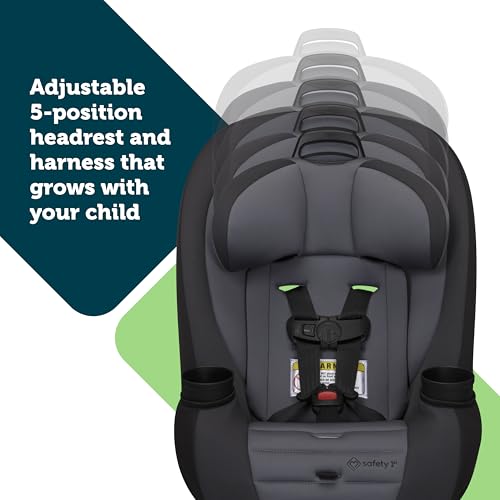
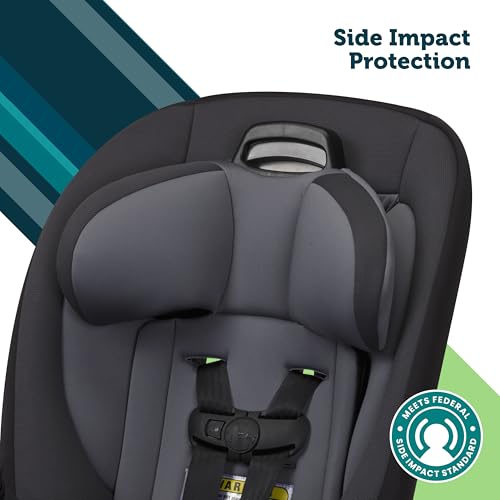
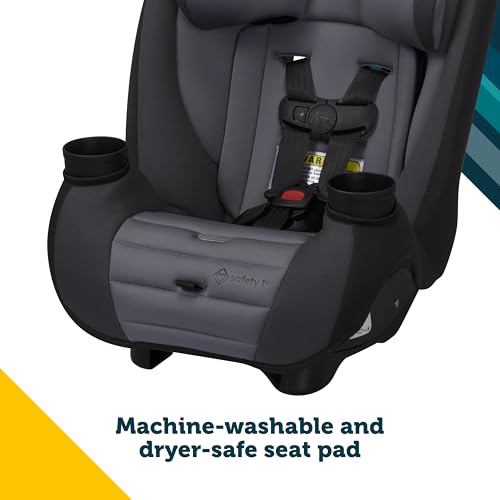
The Safety 1st Ellaris is a solid budget-friendly convertible seat that doesn’t cut major corners. It’s FAA-approved, has a slim fit for tight cars, and transitions from rear-facing to forward-facing to highback booster, covering kids from 5 lbs all the way to 65 lbs. The machine-washable cover and dishwasher-safe cup holders are thoughtful touches parents appreciate. It meets federal side impact standards, which not all budget seats do, and the hook-style LATCH makes installation easier than many in this price range.
Still, it’s not as refined as the Graco TriRide. The harness system isn’t as smooth, and the padding is thinner. Owners report it works well for occasional travel but feels less durable over time. For families on a tight budget who still want a travel-capable seat with long-term use, it’s a smart pick. But if you fly often, the lack of a lightweight build or foldable design holds it back.
Product photos


How We Tested car seats for air travel
We approached researching car seats for air travel by comparing published specifications and features across numerous models. I then weighed owner reviews from major retailers alongside expert opinions found in publications focused on child passenger safety. My assessment considered real-world usability for travel – things like weight, folded size, and ease of inflation (where applicable) – applying my experience with family travel and car seat safety standards. The goal was to rank options based on a combination of safety, convenience, and value.
For this category, portability and FAA compliance were the biggest deciding factors. A car seat’s weight and packed size directly impact travel ease, especially navigating airports. FAA approval is essential for use on airplanes, but I also looked at how well a seat could function in ride-sharing services or rental cars at your destination. Safety ratings were, of course, a baseline requirement for any seat considered.
Specifications provide reliable information about weight limits, dimensions, and safety certifications. However, I found owner feedback crucial for understanding real-world experiences. Reviews highlighted issues like ease of inflation for inflatable models, the actual fit in various aircraft, and long-term durability. Reputable sources like Consumer Reports and the National Highway Traffic Safety Administration (NHTSA) informed my understanding of safety standards and testing procedures.
How To Pick The Right car seats for air travel
Choosing a car seat for air travel requires a bit more thought than a standard model. We want something that prioritizes both safety and convenience, given the unique challenges of navigating airports and fitting into airplane seats.
A good travel car seat balances FAA approval with portability. Key considerations include weight, folded size, ease of installation in both cars and planes, and adherence to all relevant safety standards (NHTSA and FAA). Look for features like a carry bag and a quick inflation/deflation system if applicable.
Weight and Portability
One of the biggest frustrations with travel is excess baggage. When it comes to car seats, weight and packed size are critical. Inflatable boosters like the BubbleBum and UberBoost are incredibly lightweight and fold down to almost nothing, making them ideal for throwing in a backpack. However, these are booster seats, so they’re only suitable for older children (typically 40+ pounds). If you have a younger child, you’ll need to consider a more traditional, FAA-approved car seat. The WAYB Pico is a standout in this category, weighing in at only 8 pounds.
FAA Compliance and Safety Standards
Just because a car seat is allowed on a plane doesn’t mean it’s the safest option. Always verify FAA approval – look for a sticker on the seat itself. But FAA compliance is a minimum, not a maximum. I also strongly suggest prioritizing seats that meet or exceed U.S. safety standards regulated by the National Highway Traffic Safety Administration (NHTSA). Independently crash-tested models, like the BubbleBum, offer an extra layer of reassurance.
Growth and Versatility
Think about how long you’ll need the seat. A convertible car seat like the Graco Contender Slim or Safety 1st Ellaris offers more long-term value, growing with your child from rear-facing to forward-facing. However, these seats are typically bulkier and heavier than inflatable options.
A good rule of thumb: if you anticipate frequent air travel with a child under 40 pounds, prioritize a lightweight, FAA-approved convertible seat. If your child is older and you only travel occasionally, an inflatable booster might be a better fit.
Car Seats for Air Travel Compared
Here’s a comparison of key specifications to help you choose the right car seat for air travel.
| Product Title | Weight (lbs) | Age/Weight Range | FAA Approved | Inflatable | Modes |
|---|---|---|---|---|---|
| WAYB Pico Travel Car Seat | 8 | 2+ / 26.5-50 lbs & 33.5-45 in | Yes | No | Car Seat |
| BubbleBum Inflatable Travel Booster | N/A | 40-100 lbs | N/A | Yes | Booster |
| UberBoost Inflatable Booster Seat | N/A | N/A | N/A | Yes | Booster |
| Graco TriRide 3-in-1 Car Seat | N/A | 5-100 lbs | N/A | No | 3 (Harness/Booster) |
| Graco Contender Slim Car Seat | N/A | 5-65 lbs | Yes | No | 2 (Harness/Booster) |
| Safety 1st Ellaris 3-in-1 Seat | N/A | 5-65 lbs | Yes | No | 3 (Harness/Booster) |
Frequently Asked Questions
What’s the difference between FAA approval and FAA compliance for a car seat?
FAA approval means the car seat has been tested and meets specific safety standards for use on aircraft. Compliance simply means the seat meets the size requirements to fit on an airplane seat; it hasn’t necessarily undergone the same level of scrutiny.
Are inflatable car seats as safe as traditional ones?
Inflatable boosters like the BubbleBum are independently crash-tested and meet federal safety standards, making them a safe option for children who have outgrown a harnessed seat. However, they are only appropriate for children 40 pounds and up.
Can I check a car seat at the gate or baggage counter?
Yes, you can usually check a car seat at the gate or baggage counter, but it counts towards your checked baggage allowance. Checking at the gate can be convenient, allowing you to use the seat during boarding and deplaning.
What does “convertible” mean when describing a car seat?
A convertible car seat can be used rear-facing for infants and toddlers, and then converted to a forward-facing harness seat as the child grows. This offers extended use and value, though they are typically heavier than booster seats.
How do I know if a car seat will actually fit on my specific airplane?
While FAA approval guarantees a seat can fit on a plane, seat dimensions vary. Reviewing owner feedback for specific airlines and aircraft types is the most reliable way to confirm fit before your trip.
The Bottom Line
Choosing a car seat for air travel always comes down to balancing convenience with the need for robust safety. While inflatable boosters have their place, for overall peace of mind and versatility, the WAYB Pico stands out. It’s remarkably lightweight and FAA-approved, making it a practical choice for families on the go.
For those needing a seat that grows with their child, the Graco Contender Slim and Safety 1st Ellaris are excellent options. And if you’re looking for a super-portable booster for an older child, the BubbleBum Inflatable Travel Booster remains a widely-used and affordable solution.
Ultimately, remember that FAA approval is just the starting point. Prioritize a seat that fits your child’s current weight and height, meets or exceeds safety standards, and, perhaps most importantly, gives you confidence knowing your little one is secure and protected throughout your journey.
