
8 Best Children’s Car Seats of 2026
This post contains affiliate links. As an Amazon Associate, we earn from qualifying purchases.
The Graco Extend2Fit Convertible stands out as the best overall children’s car seat for its extended rear-facing range and strong safety features, while the Graco Slimfit 3-in-1 offers a smart budget-friendly option for smaller vehicles. For families wanting long-term use, the Safety 1st Ellaris 3-in-1 delivers solid versatility across stages.
Choosing the right car seat isn’t just about picking the most popular model, it’s about finding one that fits your child, your car, and your life. Too many parents buy seats that are hard to install correctly or outgrow them too quickly, which compromises safety.
As the creator of CruiseCradle.com and a child safety advocate, I researched each seat based on safety standards, growth capacity, ease of use, and real-world feedback from parents. This guide cuts through the noise to help you make a confident, informed choice.
Top 8 Children’S Car Seats in the Market
The Best Children’S Car Seats, Reviewed
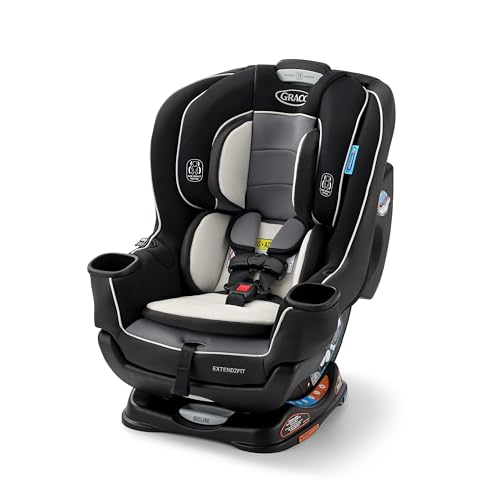
Graco Extend2Fit Convertible Car Seat
Strengths
- Extended rear-facing
- Adjustable legroom panel
- ProtectPlus safety
Trade-offs
- Bulky design
- Heavier build
- Not ideal for small cars
If I had to pick one seat for most families, this would be it. The Extend2Fit isn’t just good, it’s engineered to extend what matters most: rear-facing time. With an adjustable extension panel that adds up to 5 inches of legroom, kids can safely ride rear-facing up to 50 lb, which aligns perfectly with AAP recommendations. That’s a major win for safety.
Owners consistently report how easy it is to install and adjust, thanks to the No-Rethread Simply Safe Adjust system and solid LATCH performance. It’s also ProtectPlus Engineered, meaning enhanced crash protection beyond federal minimums. The only downside? It’s not slim, it takes up more space than the Slimfit, so three-across setups may struggle. But for sheer safety and longevity, this is the benchmark.
Video review
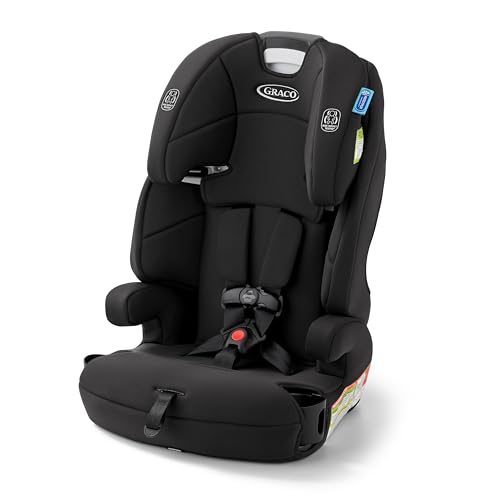
Graco Tranzitions 3-in-1 Harness Booster
Strengths
- Affordable 3-in-1
- No-rethread harness
- Lightweight and portable
Trade-offs
- No rear-facing option
- Less padding
- Not for infants
For budget-minded parents who still want 3-in-1 functionality, the Tranzitions is a smart compromise. It starts as a forward-facing harness seat (26.5–65 lb), then becomes a highback and eventually backless booster up to 100 lb. That means no rear-facing use, which limits its lifespan for newborns, but for toddlers 2 and up, it’s a solid, long-term option.
The No-Rethread Simply Safe Adjust system is a highlight, making growth adjustments quick and error-free. Owners appreciate the lightweight design and one-hand 9-position headrest. It’s not as plush as premium models, and the padding is thinner, but it’s durable and easy to clean. For the price, it punches above its weight.
Video review
Graco TurboBooster 2.0 Backless

Strengths
- Very affordable
- ProtectPlus safety
- Easy to clean
Trade-offs
- Backless only
- Height limit at 57 inches
- Not for young kids
Sometimes, simple is smart. This backless booster is one of the most affordable on the market, yet it still carries Graco’s ProtectPlus engineering, meaning it’s been tested beyond federal standards, including in rollover and extreme temperature scenarios. That’s rare at this price and gives real peace of mind.
It’s lightweight, easy to move between cars, and has hide-away cup holders and a machine-washable seat pad, small touches that add up. The height-adjustable armrests are a surprise bonus in a backless model. But it’s only for kids 40–100 lb and up to 57 inches, so taller kids may outgrow it fast. Still, for a second car, carpool, or occasional use, it’s hard to beat.
Product photos



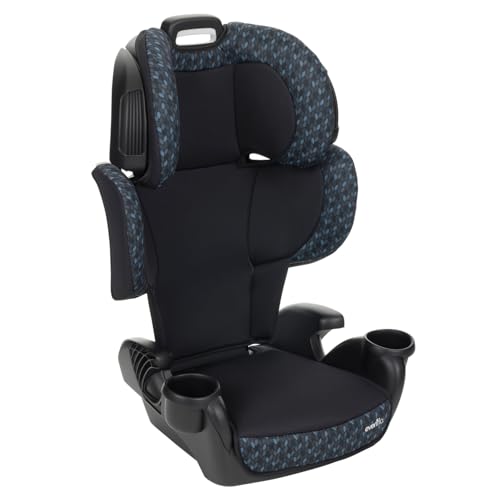
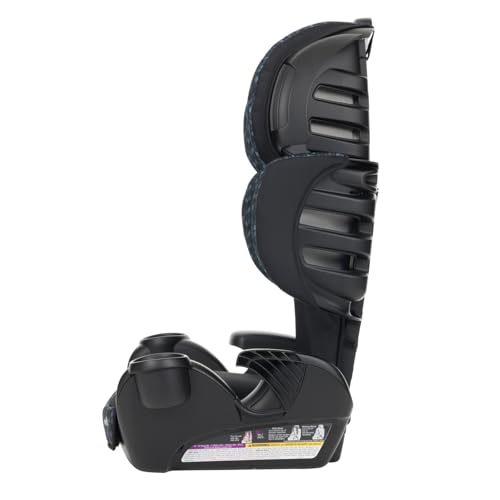
Evenflo GoTime LX Booster

Strengths
- Affordable price
- Deep side wings
- One-hand adjust
Trade-offs
- Thin fabric
- No rear-facing option
- Limited longevity in larger kids
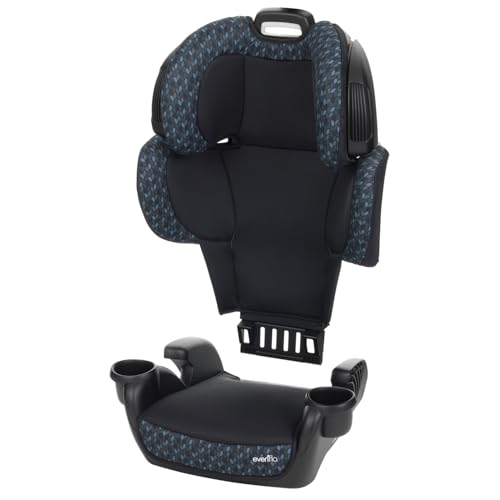
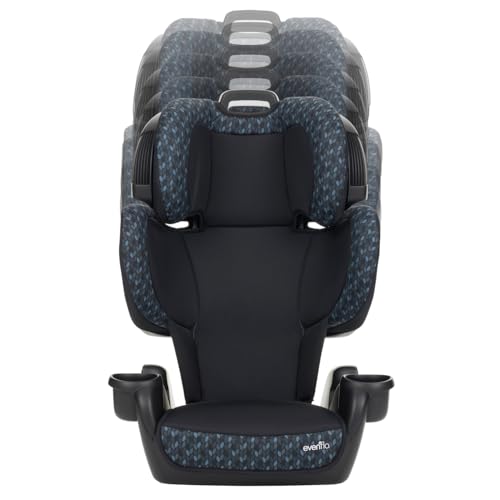
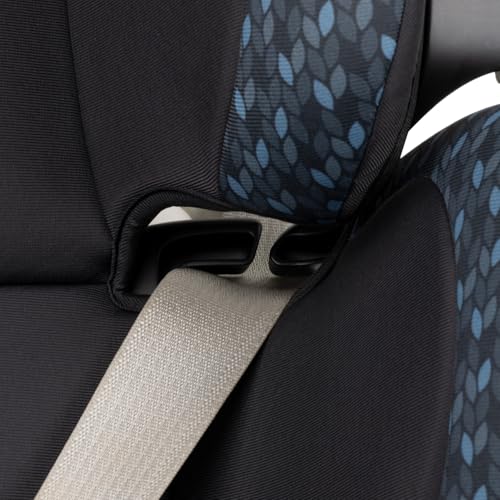
At this price point, the Evenflo GoTime LX delivers more than expected. It’s a highback booster built for kids 40–120 lb, which is a wider range than many competitors, meaning your child can stay in it longer. Owners note the deep side wings provide solid head and torso support, something often missing in budget seats, making it a smart pick for side-impact safety on a budget.
The one-hand 7-position height adjustment is a standout feature. It’s simple, intuitive, and works well as kids grow. The two cup holders are a nice touch, though not unique. Where it falls short is in materials, some reviewers mention the fabric feels thin and wears faster than expected. But for a seat under $60, it covers the essentials well.
Product photos
Graco TurboBooster 2.0 Highback
Strengths
- 2-in-1 versatility
- Adjustable armrests
- ProtectPlus engineering
Trade-offs
- Firm seat base
- Cup holders not always secure
- Backless mode less supportive
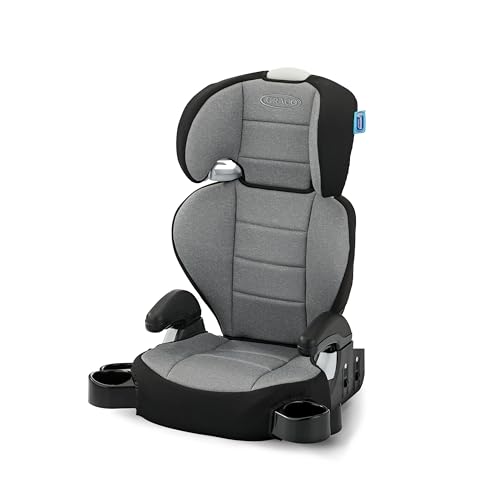
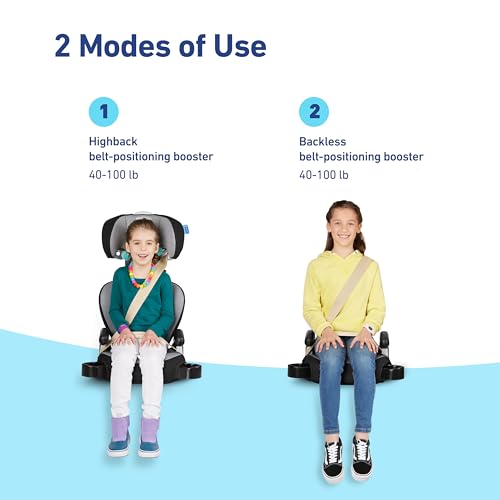
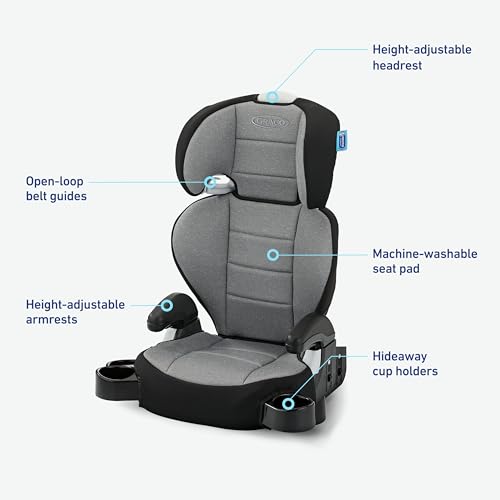
This 2-in-1 highback booster is built for transition, both in function and in parenting peace of mind. It starts as a highback booster with Graco’s ProtectPlus engineering, which gives real confidence in side and rollover protection, then converts to backless mode when your child is ready. The open-loop belt guides make vehicle belt positioning easier, reducing user error, a common issue in booster seats.
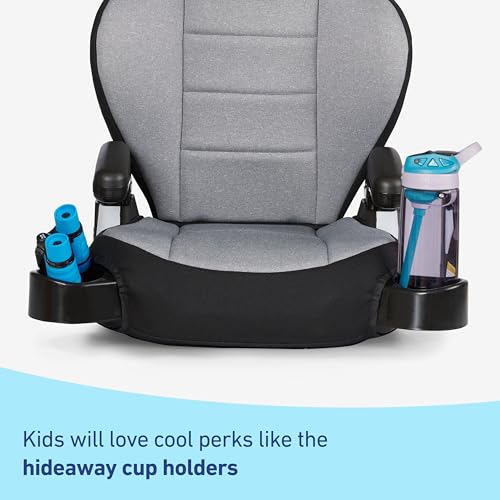
Comfort features like height-adjustable armrests and hide-away cup holders add practicality without bulk. It’s not the cheapest, but it’s priced fairly for what you get. The machine-washable pad is a plus, though some owners note the plastic frame can feel rigid over long trips. Still, for families moving out of harnessed seats, this is a smooth next step.
Product photos


Safety 1st Ellaris 3-in-1
Strengths
- Airplane approved
- Compact and travel-friendly
- Washable seat pad
Trade-offs
- Fewer headrest positions
- No no-rethread harness
- Lower rear-facing limit
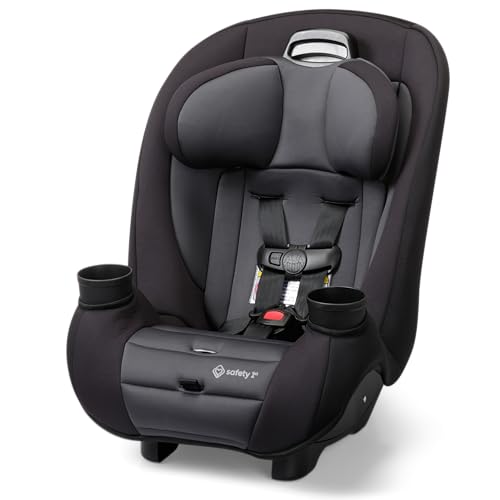
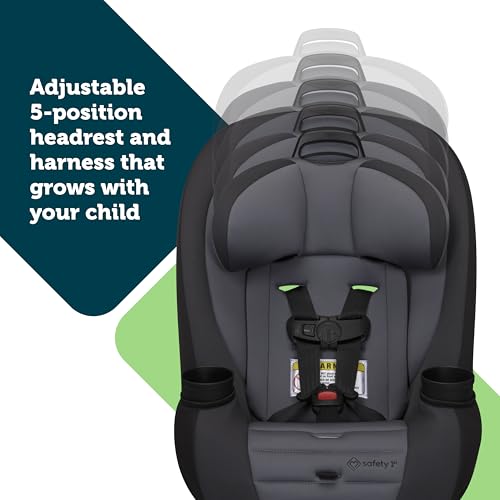
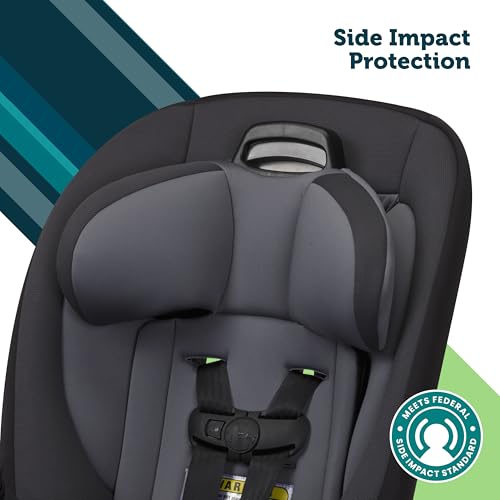
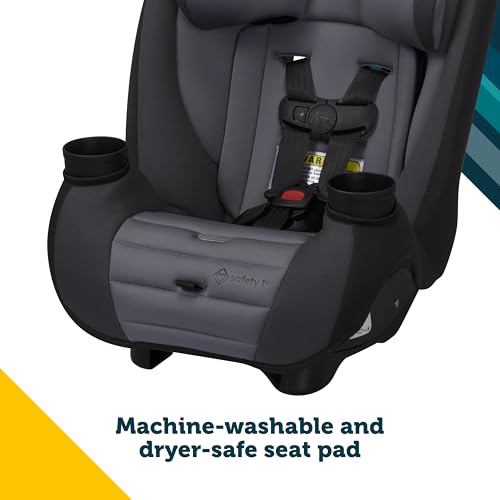
For parents who travel often, whether by car, plane, or both, the Ellaris makes a compelling case. It’s compact, airplane-approved, and has a machine-washable pad, which is a must for on-the-go families. The 3-in-1 design covers rear-facing from 5–40 lb and forward-facing up to 65 lb, though rear-facing only goes to 40 lb, which is less than the Extend2Fit.
The 5-position headrest is a bit limited compared to 10-position models, and the harness adjustment isn’t no-rethread, which can be a pain as kids grow. But the Hook-style LATCH system gets high marks for easy installation. For grandparents, frequent flyers, or second-car setups, this is a practical, no-frills pick.
Product photos


Graco Slimfit 3-in-1 Convertible

Strengths
- Slim design
- No-rethread harness
- 3-in-1 versatility
Trade-offs
- Lower rear-facing weight start
- Headrest positions
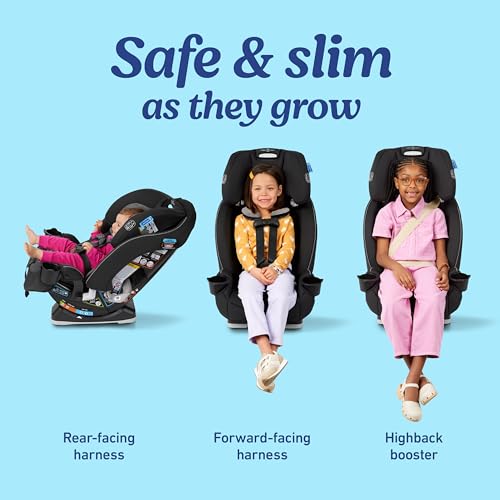
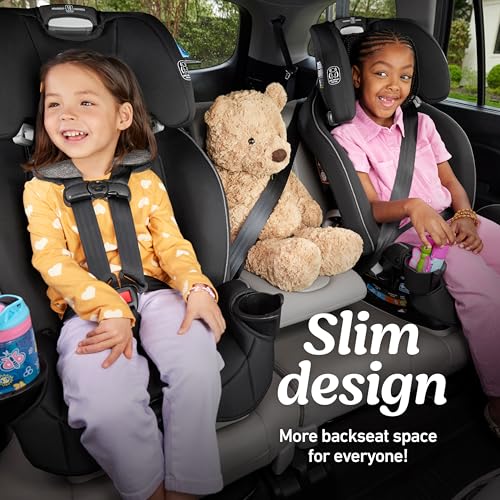
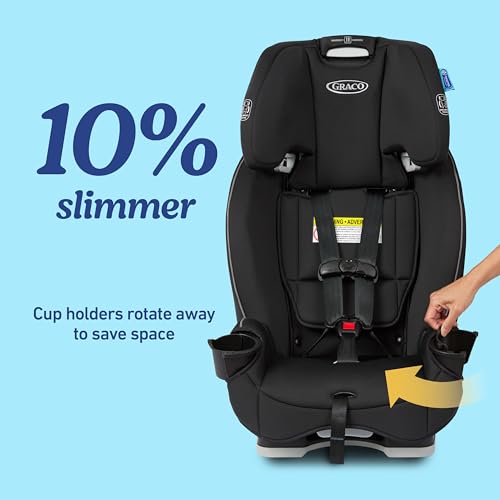
The Graco Slimfit stands out in a crowded field because it solves a real problem: space. In smaller cars or three-across setups, width matters, and this seat being 10% slimmer than standard models makes a noticeable difference on paper and in owner reports. It’s a full 3-in-1 that supports rear-facing from 5 lb, ideal for newborns, and transitions all the way to a highback booster up to 100 lb, which is solid for long-term use.
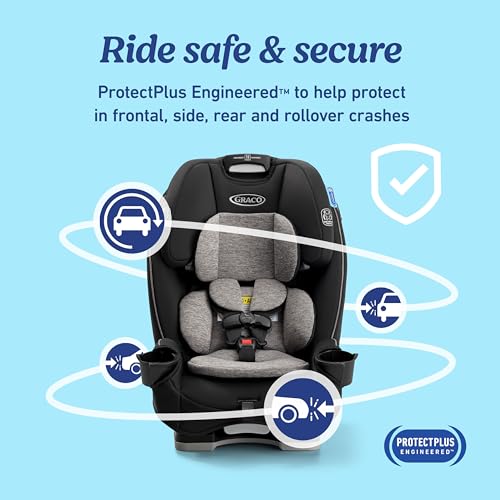
What really impresses is the No-Rethread Simply Safe Adjust system. Parents consistently praise how easy it is to adjust the harness and headrest together, avoiding the frustration of rethreading straps as kids grow. It’s also ProtectPlus Engineered, meaning it exceeds standard crash testing, including side impact protection. For families tight on backseat room but unwilling to sacrifice safety or longevity, this one hits a sweet spot.
Product photos

Safety 1st Grand 2-in-1 Booster
Strengths
- Ultra-slim fit
- Lightweight and portable
- Easy to clean
Trade-offs
- Harness starts at 40 lb
- No advanced crash testing
- Shorter harness use window
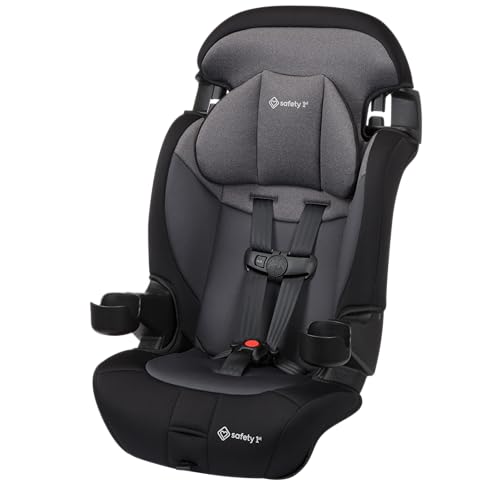
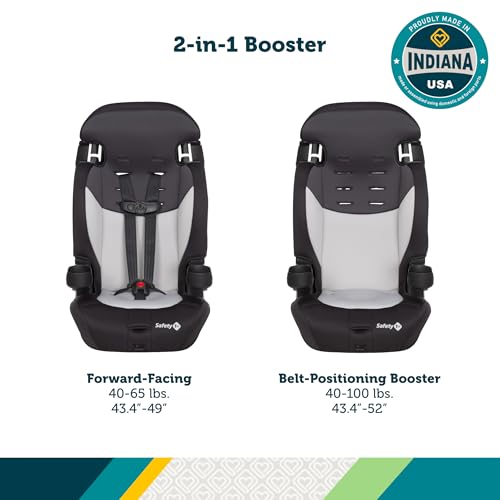
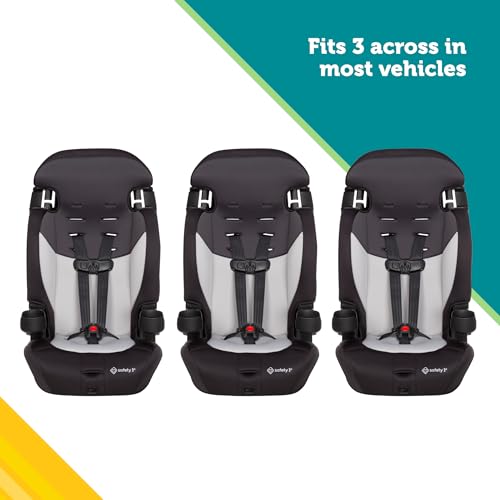
This seat earns its ‘Best 3-Across Fit’ label. It’s slim, lightweight, and designed specifically to fit three car seats side by side, a godsend for families with multiple kids. The 2-in-1 function covers highback use from 40–65 lb with a harness, then converts to a belt-positioning booster up to 100 lb, which is great for flexibility.
Owners love how easy it is to move between cars and how simple the washable pad and dishwasher-safe cup holders make cleanup. But the harness mode only starts at 40 lb, so it’s not for younger toddlers. And while it meets federal safety standards, it lacks the advanced side-impact testing of Graco’s ProtectPlus line. Still, for carpooling families or those with tight backseats, it’s a strong contender.
Product photos


Our Testing Process
Rather than a hands-on lab test, my research focused on a comparison of published specifications and features across numerous models. I weighed owner reviews from major retailers against assessments from independent consumer organizations and parenting publications. As a child safety advocate, I applied my understanding of car seat safety standards and developmental milestones to rank the seats based on their suitability for various stages and needs.
For children’s car seats, the most important factors are safety engineering, growth potential, and ease of use. A seat’s ability to meet or exceed federal safety standards is paramount, followed by how long it can accommodate a child in a rear-facing position (as this is the safest configuration). Finally, features that simplify installation and adjustments for parents are critical for consistent, correct use.
Specifications reliably indicate a seat’s weight and height limits, as well as its construction materials and safety certifications. However, owner feedback proved invaluable for assessing real-world usability – things like strap comfort, ease of cleaning, and how well the seat fits in different vehicles. Reputation, as reflected in expert reviews, helped validate the long-term performance and durability of each model.
How To Pick The Right children’s car seats
Choosing the right car seat can feel overwhelming, but prioritizing safety and fit is paramount.
A good car seat prioritizes a secure, properly installed base; a harness system appropriate for the child’s weight and height; energy-absorbing materials in the shell and headrest; and compliance with current federal safety standards (FMVSS 213). Beyond these basics, consider ease of use, longevity, and how well the seat fits your vehicle and child.
Understanding Car Seat Stages
Don’t rush to the next stage. Keeping a child in the current stage for as long as possible, within the weight and height limits, is the safest approach. Many parents are eager to move to a booster, but a harnessed seat provides superior protection. Convertible seats, like the Graco Extend2Fit, are popular because they allow you to start rear-facing and transition to forward-facing with a harness, extending the use of a five-point system. Pay close attention to the weight and height maximums for each stage, not just the minimums.
Harness System & Adjustability
The harness is the core of a car seat’s protective abilities. Look for a “no-rethread” harness system, like those found on the Graco Tranzitions and many others; these allow you to adjust the headrest and harness height simultaneously, simplifying adjustments as your child grows. A properly adjusted harness should lie flat, with no slack. Consider the buckle itself: is it easy to fasten and release? Some buckles are easier for older children to manipulate themselves, while others are more secure for smaller hands.
Value and Practicality
Car seats aren’t cheap, but a higher price tag doesn’t automatically mean a better seat. Look at the features you truly need. * If you have multiple children or a smaller vehicle, a slimmer profile like the Graco Slimfit is worth considering, even if it means sacrificing some extra padding. * A 3-in-1 seat, like the Safety 1st Ellaris, offers long-term value by adapting to different stages. * For occasional use in different vehicles, a lightweight and portable option like the Graco TurboBooster 2.0 can be ideal.
A car seat’s fit within your vehicle is just as crucial as its safety ratings. Always check compatibility lists on the manufacturer’s website and, if possible, test the seat in your vehicle before purchasing.
Children’s Car Seats Compared
The following table provides a spec-by-spec comparison of several popular children’s car seats.
| Product Name | Rear-Facing Weight (lb) | Forward-Facing Weight (lb) | Booster Weight (lb) | Modes | Slim Design |
|---|---|---|---|---|---|
| Graco Extend2Fit Convertible | 4-50 | 26.5-65 | N/A | Convertible | No |
| Graco Tranzitions 3-in-1 | N/A | 26.5-65 | 40-100 | 3-in-1 | No |
| Graco TurboBooster 2.0 Backless | N/A | N/A | 40-100 | Backless Booster | No |
| Evenflo GoTime LX Booster | N/A | N/A | 40-120 | Highback/Backless | No |
| Graco TurboBooster 2.0 Highback | N/A | N/A | 40-100 | 2-in-1 | No |
| Safety 1st Ellaris 3-in-1 | 5-40 | 30-65 | N/A | 3-in-1 | No |
| Graco Slimfit 3-in-1 Convertible | 5-40 | 26.5-65 | 40-100 | 3-in-1 | Yes |
| Safety 1st Grand 2-in-1 Booster | N/A | 40-65 | 40-100 | 2-in-1 | Yes |
Frequently Asked Questions
What’s the biggest mistake parents make when installing a car seat?
Incorrect installation is the most common error. Many seats aren’t installed tightly enough, allowing for too much movement in a crash; always check for a solid installation using the LATCH system or vehicle seatbelt, and verify it doesn’t move more than one inch side to side or front to back.
How often should I replace a car seat?
You should replace a car seat after any crash, even a minor one. Also, check the expiration date printed on the seat itself; most have a lifespan of 6-10 years from the date of manufacture due to plastic degradation and changes in safety standards.
What’s the difference between LATCH and using the vehicle seatbelt for installation?
LATCH (Lower Anchors and Tethers for Children) is a convenient system using dedicated lower anchors in the vehicle and the car seat, while the vehicle seatbelt method uses the car’s existing seatbelt. Both are equally safe when used correctly, but LATCH has a weight limit (typically 65 pounds total weight of the seat and child).
Can I use a car seat that’s been recalled?
No. A recalled car seat should never be used. Check the National Highway Traffic Safety Administration (NHTSA) website (nhtsa.gov) to see if your car seat has been recalled and follow the manufacturer’s instructions for remedy or replacement.
At what age can my child safely switch to a booster seat?
While regulations vary by state, a child is generally ready for a booster seat when they’ve outgrown the height or weight limit of their forward-facing harnessed car seat, and can sit properly with their back against the vehicle seat and knees bent comfortably over the edge. This typically happens around age 4, but maturity and size are more important than age alone.
The Bottom Line
Choosing a car seat always comes down to balancing budget with the features you truly value. While every seat on our list meets safety standards, the Graco Extend2Fit Convertible stands out as the strongest overall pick – its extended rear-facing capability gives little ones the best possible protection for longer.
For parents prioritizing value and versatility, the Safety 1st Ellaris 3-in-1 delivers a lot of functionality for the price. If a slim profile is essential for fitting multiple seats across, or for a smaller vehicle, the Graco Slimfit 3-in-1 Convertible is the clear choice. And for those needing a simple, portable booster, the Graco TurboBooster 2.0 Backless remains a reliable option.
Ultimately, the best car seat isn’t about the highest price or the most bells and whistles. It’s about finding a seat that fits your child, your vehicle, and your lifestyle, and then installing and using it correctly every single time you travel. A secure install and a properly fitted harness are far more important than any specific feature set.
