
6 Best Combination Car Seats of 2026
This post contains affiliate links. As an Amazon Associate, we earn from qualifying purchases.
The Graco Turn2Me Rotating Convertible is the best overall combination car seat for its long rear-facing range and easy rotation feature, while the Graco Nautilus 2.0 LX 3-in-1 stands out as a top versatility pick with its high weight limits and smooth no-rethread harness. For a solid budget-friendly option, the Safety 1st Grow and Go All-in-One delivers strong long-term value without breaking the bank.
As a mom and child safety advocate, I know how stressful it can be to pick a car seat that will last through multiple growth stages without compromising safety. Parents don’t want to buy new seats every year, they need one that adapts as their child grows, installs reliably, and holds up over time.
This guide cuts through the noise by focusing on real-world usability, safety specs, and owner experiences. I compared top models based on adjustability, longevity, ease of transition between modes, and how well they fit in everyday family life. These picks reflect what matters most after reviewing the data and feedback from parents who’ve used them daily.
Top 6 Combination Car Seats in the Market
The Best Combination Car Seats, Reviewed
Graco Turn2Me Rotating Convertible Car Seat

Strengths
- One-hand rotation
- ProtectPlus engineering
- SnugLock install
Trade-offs
- Very expensive
- Heavy to move
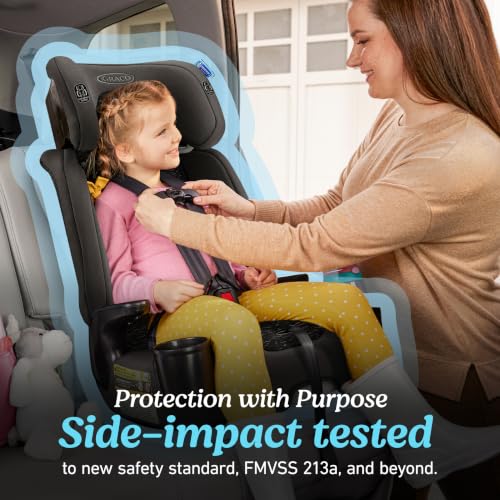
This is the most parent-friendly seat on the list, hands down. The one-hand rotation from rear-facing to forward-facing makes loading and unloading so much easier on your back and shoulders, owners with chronic pain or tight spaces especially love this. It’s built for real life, with a steel-reinforced frame and Graco’s ProtectPlus engineering, which goes beyond federal standards in side impact testing.
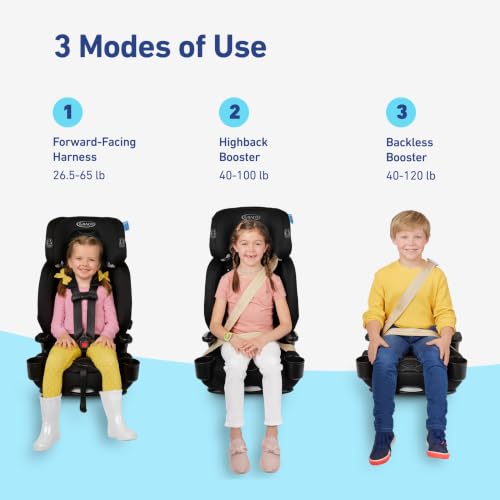
It’s not cheap, but you’re paying for convenience and longevity. The 3-in-1 design covers rear-facing (4–40 lbs), forward-facing (26.5–65 lbs), and high-back booster (40–100 lbs), so it grows well with your child. SnugLock install is fast and secure, and the No-Rethread Simply Safe Adjust harness is a time-saver. For most families, this is the smartest long-term investment.
Video review
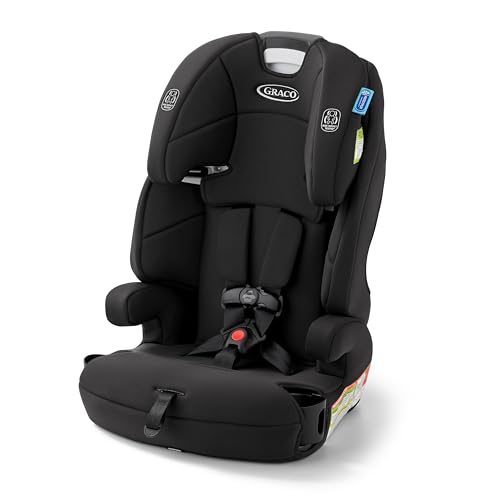
Graco Tranzitions 3-in-1 Harness Booster
Strengths
- Backless booster mode
- One-hand headrest
- Lightweight
Trade-offs
- No LATCH in booster
- Basic fabric quality
At this price, it’s hard to beat the Tranzitions for pure value. It gives you the full 3-in-1 progression, harnessed seat to high-back to backless booster, all the way to 100 lbs, and the one-hand, 9-position headrest is a standout for growing kids. It’s also lightweight, which owners appreciate when shuttling between cars or packing for trips.
It doesn’t have LATCH in booster mode or advanced rotation, but it’s not trying to. This is a no-nonsense, durable seat that gets the job done. The Simply Safe Adjust harness system works well, though some note the padding isn’t as plush as on pricier models. For most families, this is the smarter buy over basic 2-in-1s.
Video review
Safety 1st Grow and Go All-in-One

Strengths
- Rear-facing from 5 lbs
- QuickFit harness
- 3-in-1 use
Trade-offs
- No backless booster
- Recline only in rear-facing
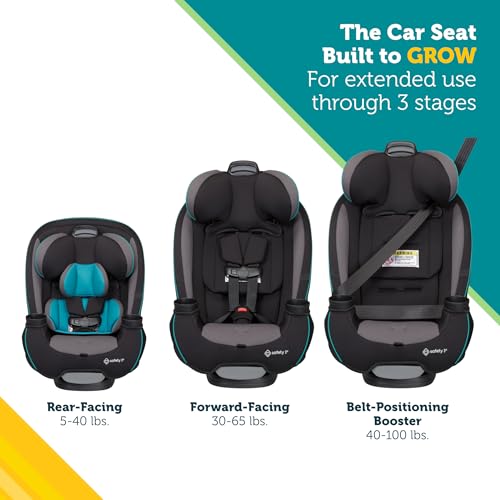
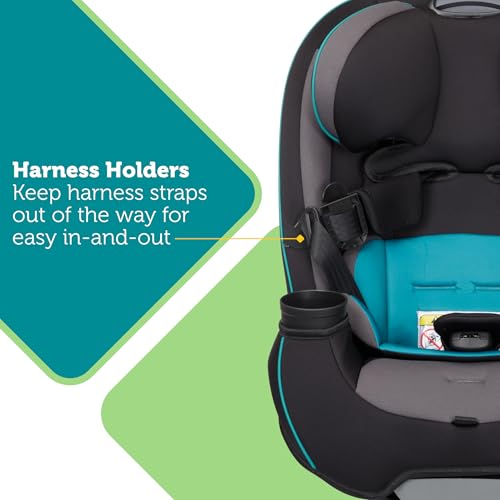
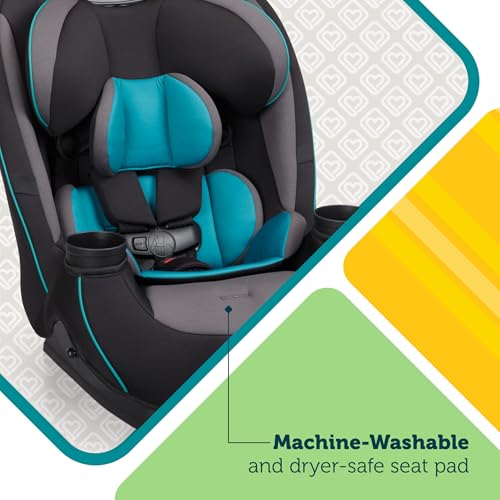
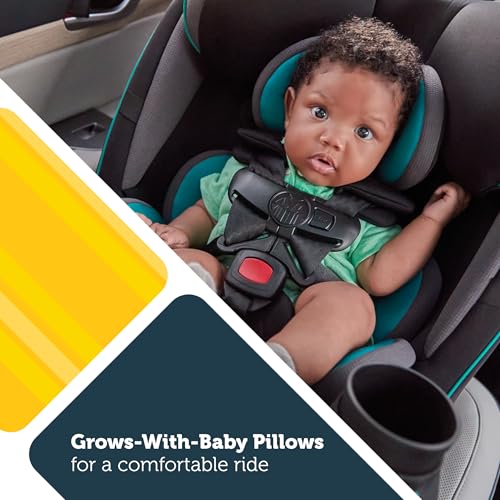
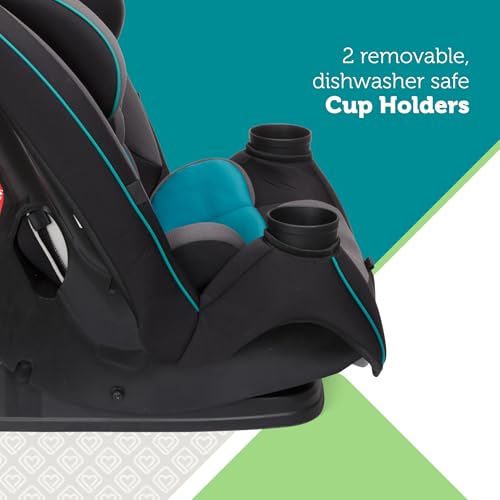
This is one of the few seats in the mix that supports rear-facing from 5 lbs, making it a strong contender for parents who want one seat from infancy through booster years. The QuickFit harness simplifies adjustments, and owners say it really does save time during daily use, no wrestling with straps or rethreading. It’s not the slimmest, but it still fits well in many midsize cars.
With three modes, rear-facing, forward-facing, and high-back booster, it covers all stages, though it stops at 100 lbs in booster mode, unlike the Graco Nautilus 2.0. Still, for the price, the versatility is impressive. Some taller kids hit the height limit before reaching 100 lbs, but for average-sized children, it’s a reliable all-in-one solution.
Product photos
Safety 1st Grand 2-in-1 Booster Seat
Strengths
- Lightweight
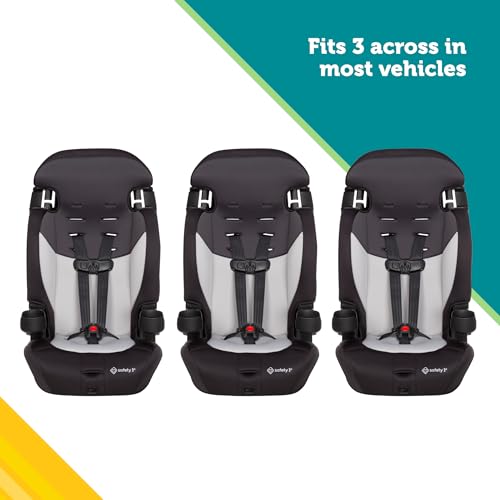
- Fits 3 across
- Easy to clean
Trade-offs
- Basic harness adjustment
- No LATCH for booster mode
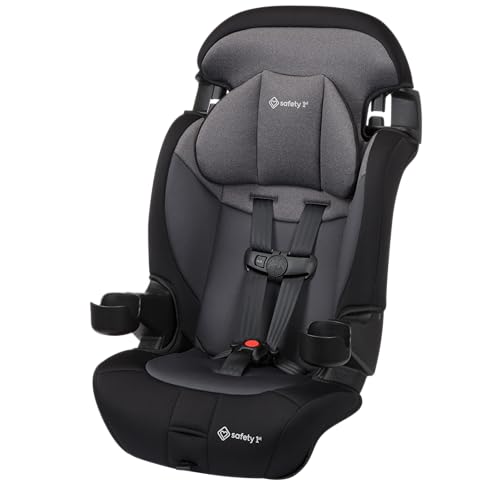
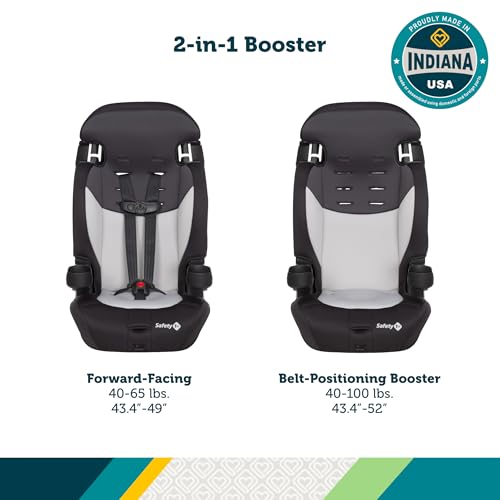
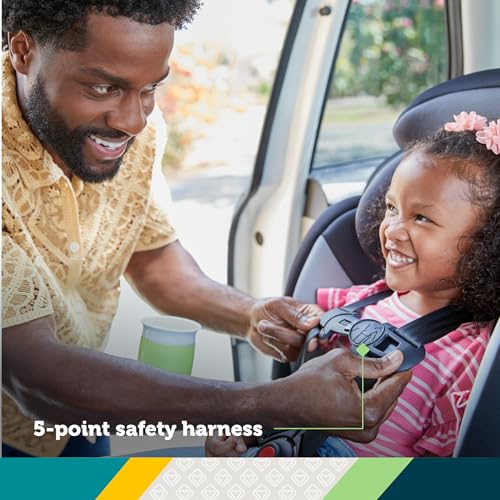
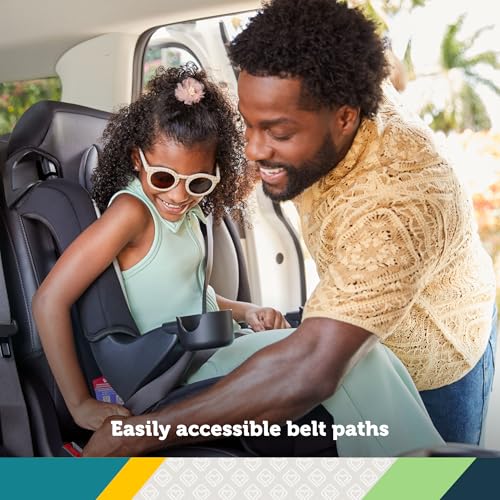
This is a no-frills booster that does exactly what it promises: grow with your child from a harnessed seat into a belt-positioning booster. On paper, the 40–100 lb range in booster mode makes it a solid pick for older kids, and owners consistently report it’s a breeze to move between vehicles thanks to how lightweight it is. For families who carpool or have multiple caregivers, that portability is a real win.
The slim design is another standout, many reviewers confirm it truly fits three across in midsize SUVs and sedans, which isn’t always the case with boosters. While it lacks some of the premium touches like advanced harness adjusters or extended side impact protection, it clears federal standards and delivers where it counts for budget-focused buyers.
Product photos
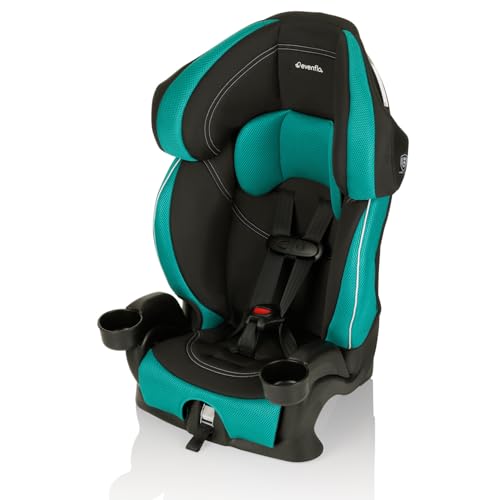
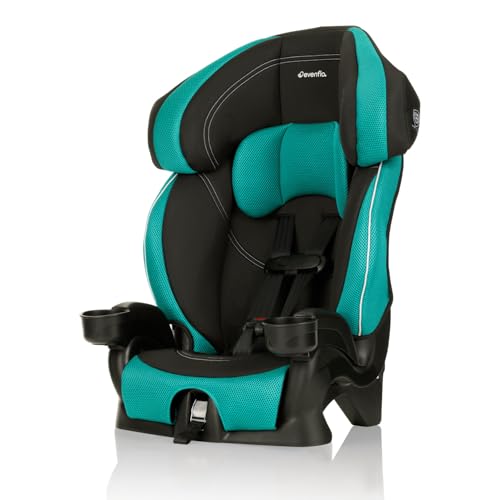
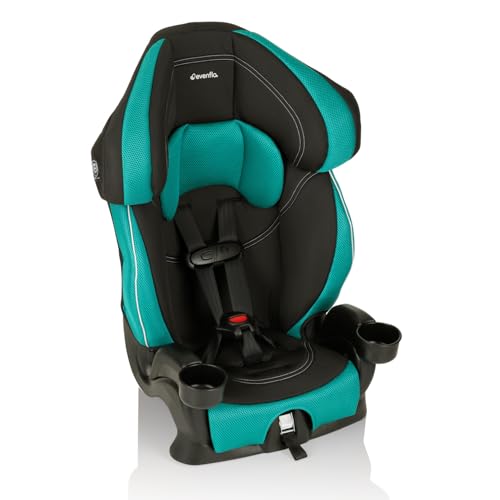
Evenflo Chase LX Harnessed Booster

Strengths
- Up-front harness adjust
- Dual cup holders
- Side impact tested
Trade-offs
- No backless mode
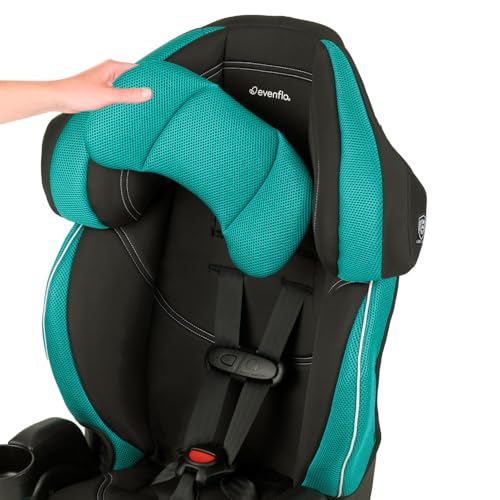
- Head pillow not adjustable
What stands out here is the up-front harness adjuster, a rare and genuinely useful feature that lets you tighten the harness without reaching behind the headrest. Parents navigating busy mornings with wiggly kids will appreciate how much faster and easier this makes securing a child. The dual cup holders are a small touch, but they’re sturdy and actually get used, according to owner feedback.
It’s a 2-in-1, so you lose the backless booster stage that some competitors offer, capping out at 100 lbs in high-back mode. But for families who prioritize ease of use and don’t need that final backless phase, this hits a sweet spot. The seat meets Evenflo’s own side impact test standard, which is reassuring, though it doesn’t go as far as some top-tier models in crash energy management.
Product photos
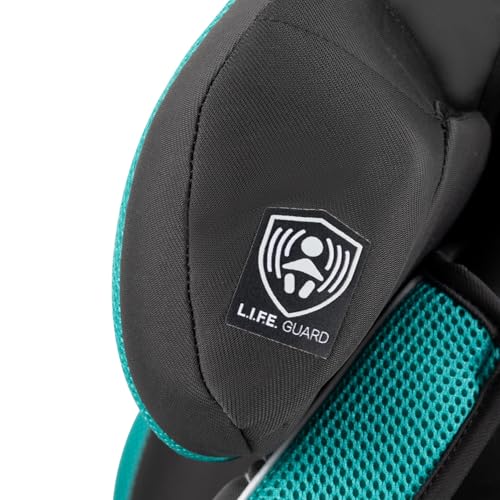
Graco Nautilus 2.0 LX 3-in-1

Strengths
- Backless mode to 120 lbs
- InRight LATCH
- No-rethread harness
Trade-offs
- Bulky footprint
- Higher price
If you’re planning ahead for a seat that lasts through elementary and middle school years, this one deserves attention. The jump to a 120 lb backless booster limit is a major differentiator, few models go that high, and owner reviews confirm it still fits taller kids comfortably. The No-Rethread Simply Safe Adjust system gets consistent praise for making harness adjustments fast, which matters when you’re juggling growing kids.
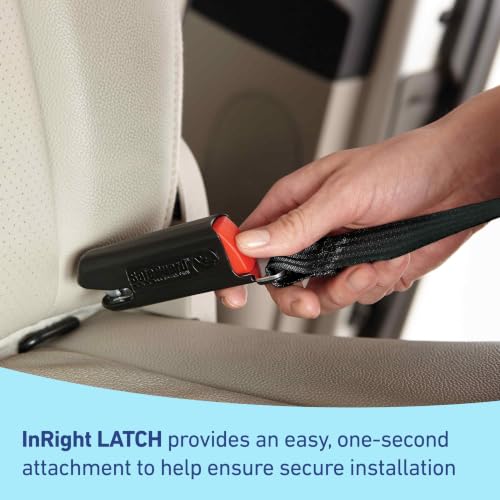
It’s also one of the few in this category with InRight LATCH, giving a secure, one-second install that most parents prefer over seat belt routing. While it’s pricier, the long lifespan balances the cost over time. Some note the seat feels bulkier than others, but the trade-off is more support and padding for older children who spend hours in the car.
Product photos
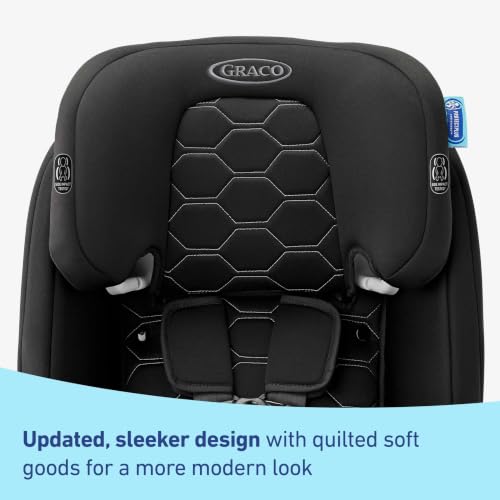

How We Picked These combination car seats
We approached this guide by researching the specifications and features of numerous combination car seats currently available. I then weighed these details against owner reviews from major retailers and expert opinions published by organizations focused on child passenger safety. My goal was to identify the models that consistently receive positive feedback and offer the most practical features for a range of families and budgets. Rather than a hands-on lab test, this is a research-led comparison.
For combination car seats, the most important factors are longevity and ease of use. A seat that can transition smoothly from a harnessed booster to a belt-positioning booster extends its useful life, saving parents money. Equally crucial is how easily the seat can be adjusted, installed, and cleaned – features that impact daily convenience. These elements heavily influenced our rankings.
Specifications provide a clear understanding of weight and height limits, as well as safety features like side-impact testing. However, owner feedback proved invaluable for assessing real-world usability. Comments regarding harness adjustability, fabric quality, and installation difficulty were key differentiators. Reputation and reviews also helped to gauge long-term durability and customer satisfaction.
What To Look For In combination car seats
Choosing a combination car seat can feel overwhelming, but finding the right one means years of use and peace of mind.
A good combination car seat transitions smoothly between stages, prioritizing safety with robust construction and easy-to-use adjustments. Look for clear weight and height limits, a simple installation process (LATCH and/or vehicle belt), and a harness system that’s easy to tighten and loosen as your child grows. Consider how easy it is to clean and whether it fits comfortably in your vehicle.
Harness Adjustment Simplicity
The “no-rethread” harness systems found in many models (like the Graco Nautilus 2.0 LX and Tranzitions 3-in-1) are a huge benefit. Constantly rethreading the harness as your child grows is a pain, and it introduces potential for error. However, even with these systems, pay attention to how easy it is to actually adjust the harness. Some are smoother than others, and a stiff or awkward adjustment mechanism defeats the purpose.
Understanding Mode Transitions
Combination seats are designed to grow with your child, but the transition between modes isn’t always intuitive. Consider how easily the seat converts from a harnessed seat to a booster. Some require significant effort to reconfigure, while others (like the Graco Turn2Me) offer simpler adjustments. Think about how often you anticipate making these changes.
- If you have a newborn, a seat that stays rear-facing for a long time is valuable.
- For families needing portability, a lightweight option (like the Safety 1st Grand 2-in-1) is a plus.
- Long-term value is often found in “all-in-one” seats (like the Safety 1st Grow and Go) that cover a very wide range of weights and heights, potentially eliminating the need to buy another seat.
Installation and Vehicle Fit
A car seat is only as safe as its installation. Look for models with clear instructions and features that simplify the process, like LATCH connectors and belt guides. Before buying, check the seat’s dimensions and read reviews to see if it fits well in your vehicle. Some combination seats are quite wide and may not fit three across in the back seat.
A properly installed car seat should not move more than one inch side to side or front to back when tested at the belt path.
Combination Car Seats Compared
Here’s a comparison of key specifications for several combination car seats to help you make an informed decision.
| Product Name | Rear-Facing Weight (lbs) | Forward-Facing Weight (lbs) | Harness to Booster | Booster Weight (lbs) | Adjustability |
|---|---|---|---|---|---|
| Graco Turn2Me Rotating Convertible | 4-40 | 26.5-65 | Yes | 40-100 | No-Rethread |
| Graco Tranzitions 3-in-1 | N/A | 26.5-65 | Yes | 40-100 | No-Rethread |
| Safety 1st Grow and Go All-in-One | 5-40 | 30-65 | Yes | 40-100 | QuickFit |
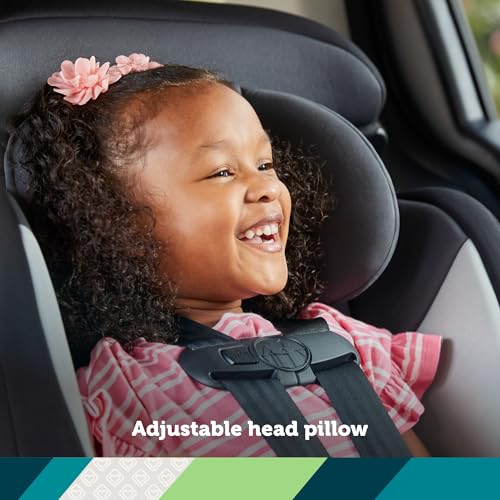
| Safety 1st Grand 2-in-1 | N/A | 40-65 | Yes | 40-100 | Adjustable Headrest |
| Evenflo Chase LX Harnessed Booster | N/A | 26.5-65 | Yes | 40-120 | Up-Front |
| Graco Nautilus 2.0 LX 3-in-1 | N/A | 26.5-65 | Yes | 40-120 | No-Rethread |
Frequently Asked Questions
What is the typical lifespan of a combination car seat?
A good combination car seat generally lasts for around 6-10 years, depending on the build quality and how often it’s used. This is due to the seat growing with your child from harnessed to booster mode, and the plastic components degrading over time with UV exposure.
Are all “no-rethread” harness systems truly easy to adjust?
While convenient in theory, the ease of adjusting a no-rethread harness varies significantly between models. Some have stiff mechanisms or require awkward maneuvering, so reading reviews focused on harness adjustability is crucial.
How do I know if a combination car seat will fit in my vehicle?
Check the seat’s dimensions (width, depth, height) and compare them to the available space in your back seat. Beyond that, user reviews often mention vehicle compatibility, particularly regarding fitting three across or in smaller cars.
What is the difference between a harnessed booster and a belt-positioning booster?
A harnessed booster still uses a five-point harness to restrain your child, while a belt-positioning booster uses the vehicle’s seat belt. Combination seats transition from the harnessed mode to the belt-positioning booster as your child outgrows the harness weight or height limits.
What safety certifications should I look for when purchasing a combination car seat?
All car seats sold in the United States must meet Federal Motor Vehicle Safety Standards (FMVSS) 213. Beyond that, looking for seats that have exceeded side-impact testing standards can offer additional peace of mind, though this isn’t a legal requirement.
The Bottom Line
Choosing a combination car seat often comes down to balancing upfront cost with long-term convenience. While many options exist, the Graco Nautilus 2.0 LX 3-in-1 consistently stands out as a well-rounded choice, offering a no-rethread harness, a comfortable design, and a high weight limit to accommodate years of growth.
For parents prioritizing budget-friendliness, the Safety 1st Grand 2-in-1 delivers excellent value without sacrificing essential safety features. If you need a seat that will truly last, the Safety 1st Grow and Go All-in-One is a strong contender, covering a wider range of weights and heights than many competitors.
Ultimately, the best car seat is the one that fits your child and your vehicle correctly, and that you will use consistently and correctly. Don’t get too caught up in specific features or brands; focus on a secure installation, a properly adjusted harness, and a seat that allows your child to ride safely and comfortably.
