
8 Best Economical Car Seats 2026
This post contains affiliate links. As an Amazon Associate, we earn from qualifying purchases.
The Graco Extend2Fit Convertible is the best overall economical car seat, offering an impressive rear-facing limit up to 50 pounds. For budget-focused families, the Graco TriRide 3-in-1 delivers strong value with three modes and solid safety features. If you’re looking for a reliable high-back booster, the Evenflo GoTime LX stands out for its adjustability and side impact protection.
As a mom and child safety advocate, I know how tough it can be to balance safety, comfort, and cost when shopping for car seats. Too many parents end up with seats that are hard to install, don’t last through multiple stages, or lack critical protection features, all while paying more than they should.
This guide cuts through the noise. I researched each seat based on longevity, safety performance, real-world usability, and owner feedback. These picks give you the most reliable protection and adaptability without stretching your budget.
Top 8 Economical Car Seats in the Market
The Best Economical Car Seats, Reviewed
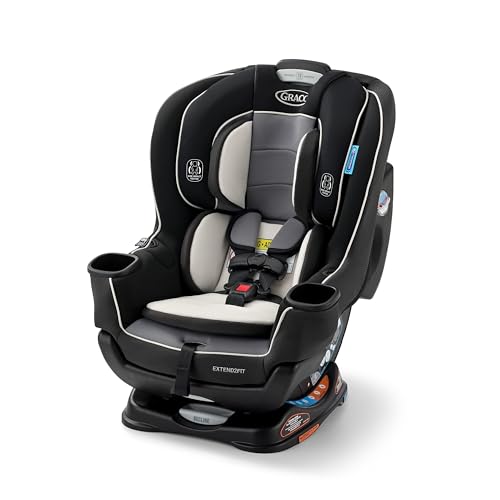
Graco Extend2Fit Convertible Car Seat
Strengths
- Extended rear-facing to 50 lbs.
- Adjustable legroom panel
- Superior side impact protection
Trade-offs
- No booster mode
- Heavier and bulkier
- Higher price point
This is the seat I most often recommend when safety and rear-facing duration are top priorities. The Extend2Fit panel gives kids up to 5 inches more legroom, which means they can stay rear-facing safely up to 50 lbs., a critical advantage, since rear-facing is safest for young spines. Owners consistently say this feature alone justifies the price, especially for longer-legged toddlers.
It doesn’t convert to a booster, so you’ll need a second seat later, but the trade-off is exceptional rear-facing support. The No-Rethread harness and ProtectPlus engineering make it a standout in crash protection. Compared to the TriRide, it sacrifices long-term booster use for superior early-stage safety. My take? If you want the best protection for infancy and toddlerhood, this is worth the investment.
Video review
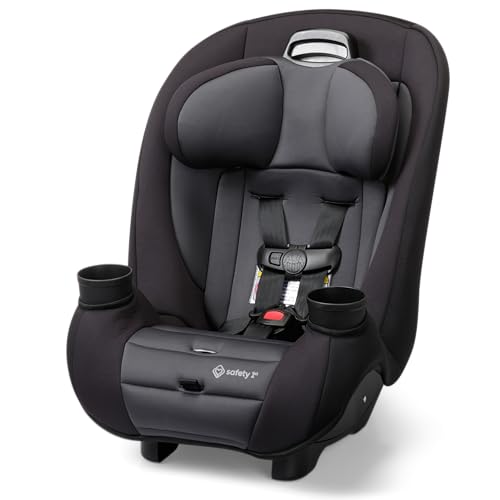
Safety 1st Ellaris 3-in-1 Car Seat
Strengths
- Rear-facing from 5 lbs.
- Slim design
- Airplane approved
Trade-offs
- Basic side impact protection
- No backless mode
- Only 5 harness positions
This is one of the few sub-$100 seats that actually gives you rear-facing use from 5 lbs., which is rare at this price. That alone makes it a strong contender for budget-conscious parents who want to follow AAP rear-facing guidelines without overspending. The slim profile helps with three-across setups, and owners appreciate the airplane-friendly design, a subtle but meaningful perk for traveling families.
It doesn’t have the plush padding or advanced side-impact features of premium models, but it meets federal crash standards and includes LATCH for easier installation. While it lacks the multi-position recline of Graco’s TriRide, it covers the same core stages: rear-facing, forward-facing, and highback booster. For most families, this is the most practical budget seat that doesn’t sacrifice critical safety stages.
Video review
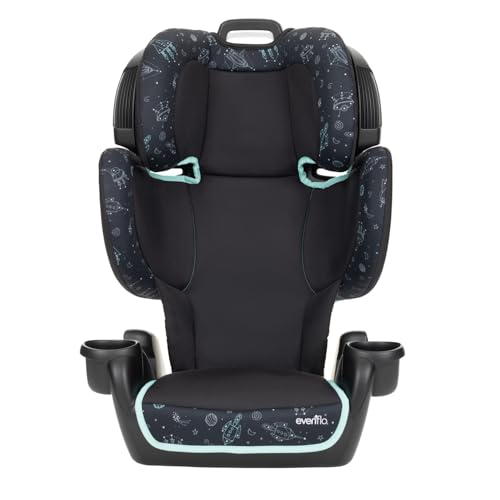
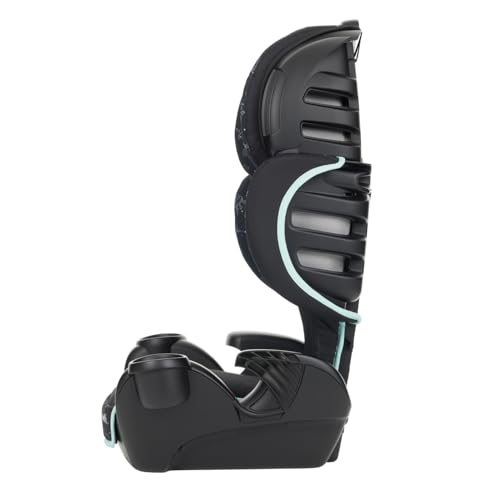
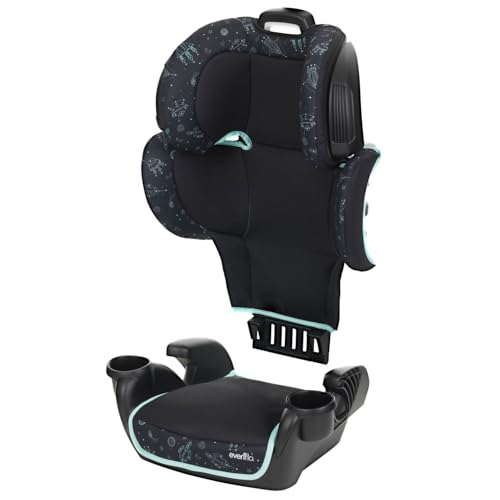
Evenflo GoTime LX Booster
Strengths
- Extremely affordable
- 120 lb weight limit
- Simple adjustment
Trade-offs
- Booster only
- Basic fabric quality
- No LATCH
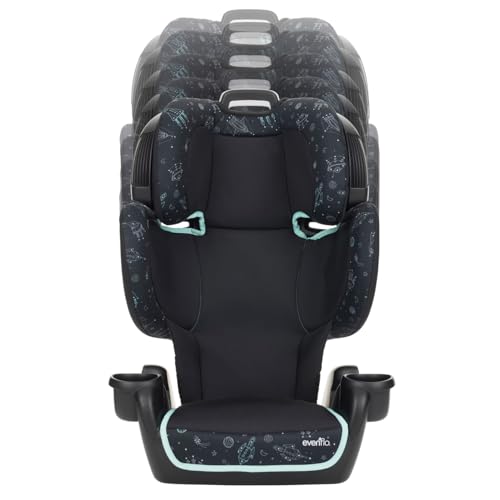
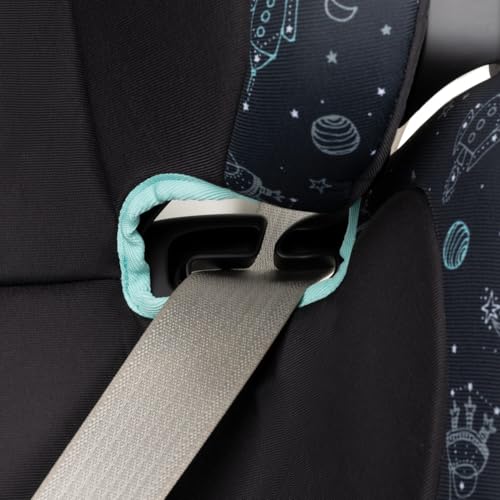
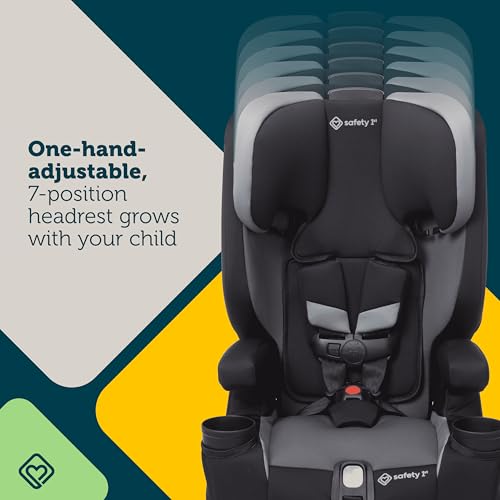
At under $60, this is the most wallet-friendly booster here, and it still delivers core safety features. It transitions smoothly from highback to backless mode, and the 7-position headrest adjusts easily with one hand, which parents appreciate during quick car switches. Owners note the deep side wings offer solid head support, and the 120 lb weight limit means it lasts longer than most competitors.
It’s not a convertible seat, so you’ll need something else for younger kids, but as a dedicated booster, it punches above its price. Compared to the Safety 1st Grand, it starts at the same 40 lbs. but supports heavier kids, a real plus for bigger tweens. I’d pick this as the go-to second car or hand-me-down seat where value and longevity matter most.
Product photos
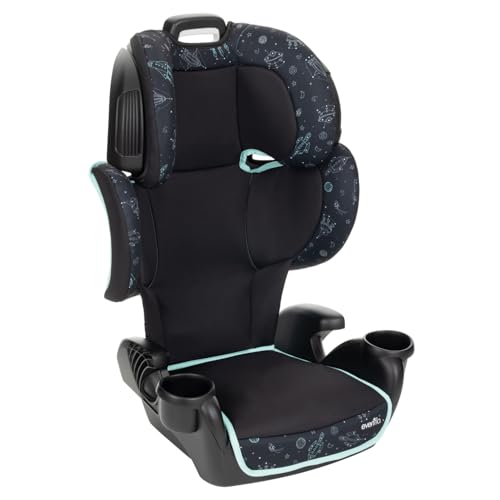
Graco TriRide 3-in-1 Car Seat

Strengths
- Full rear to booster range
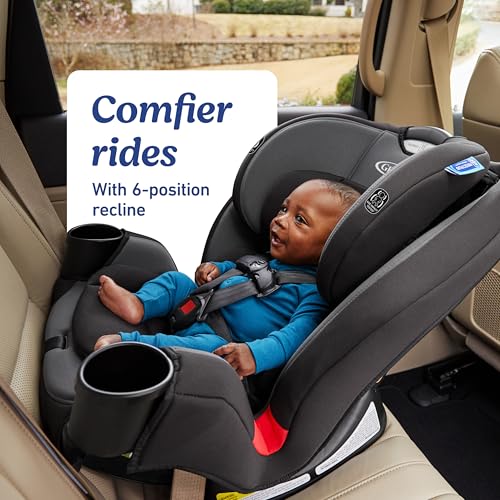
- 6-position recline
- ProtectPlus engineering
Trade-offs
- Wider than slim models
- No backless mode
- Heavier build
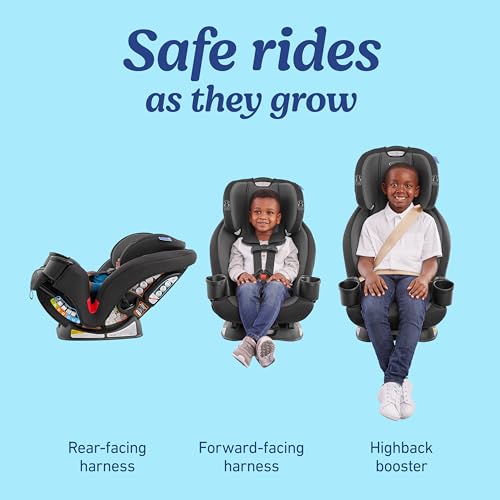
If you want one seat to last from infancy to adolescence, the TriRide delivers, and then some. With rear-facing from 5 lbs., forward-facing use, and highback booster mode up to 100 lbs., it’s one of the longest-lasting 3-in-1s in this lineup. The 6-position recline is a standout for napping kids, and owners consistently praise how well it installs and stays put.
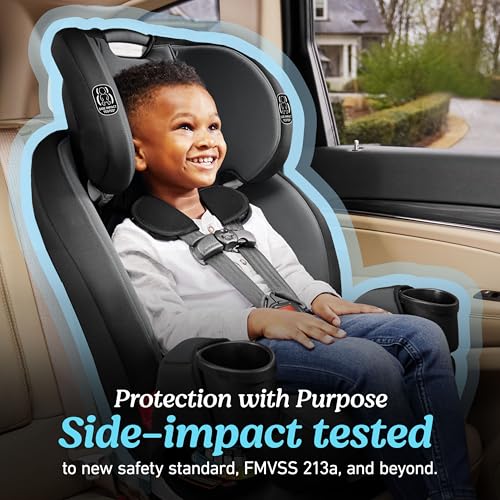
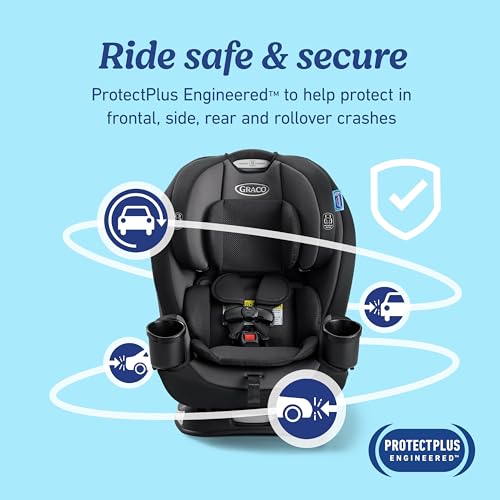
Graco’s ProtectPlus engineering adds confidence, especially in side-impact scenarios, and the 10-position headrest ensures a precise fit over years of use. It’s not the slimmest seat, so three-across setups might be tight. But for a seat that covers every stage, it’s surprisingly compact. Compared to the Slimfit, it’s less about space-saving and more about long-term versatility, and that’s where it shines.
Product photos
Graco Slimfit 3-in-1 Car Seat

Strengths
- Space-saving design
- Rotating cup holders
- ProtectPlus safety
Trade-offs
- No recline feature
- Expensive for budget category
- Booster mode only with back
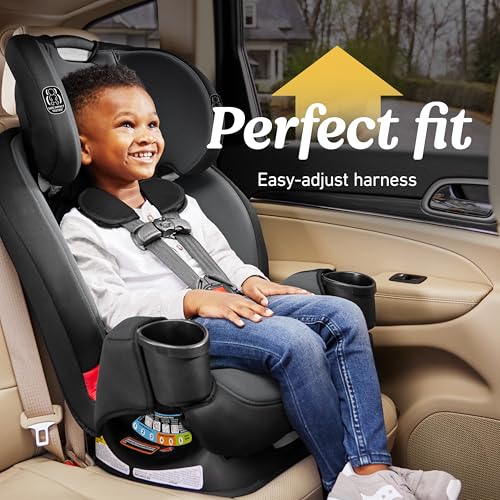
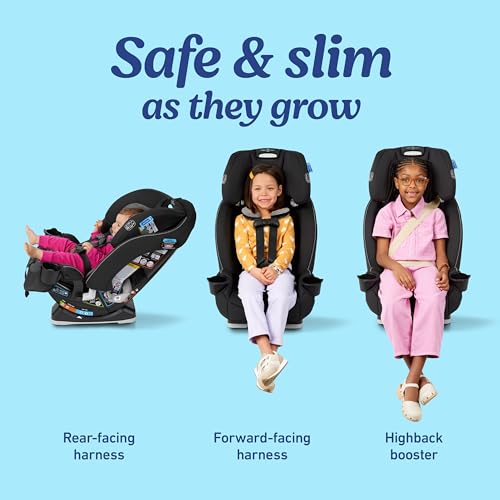
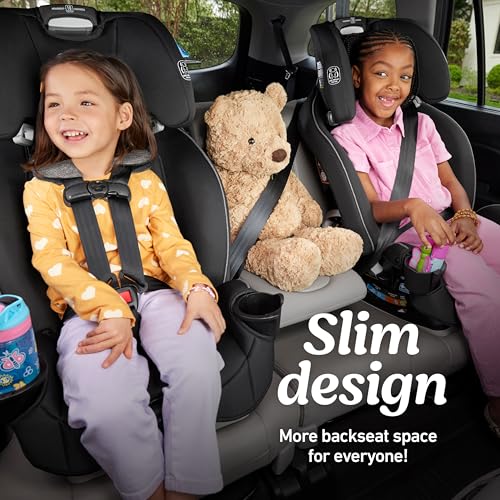
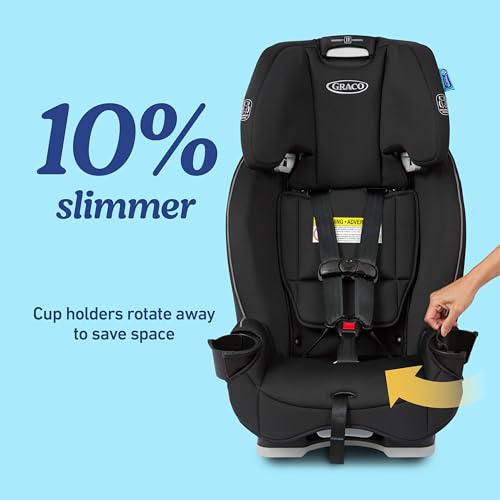
The Slimfit is built for real-world family logistics. That 10% slimmer frame with rotating cup holders makes a noticeable difference when you’re squeezing three seats in a minivan or SUV. It covers all the essential stages, rear-facing, forward-facing, and highback booster, and the 10-position headrest with No-Rethread harness makes adjustments effortless.
Owners love how stable it feels in booster mode, and the ProtectPlus engineering adds meaningful side-impact protection beyond basic federal standards. It’s one of the pricier budget-adjacent options, but you’re paying for smart design, not just safety. Compared to the TriRide, it trades recline for width savings, a fair trade for many. I’d recommend this for families where space is the biggest challenge.
Product photos
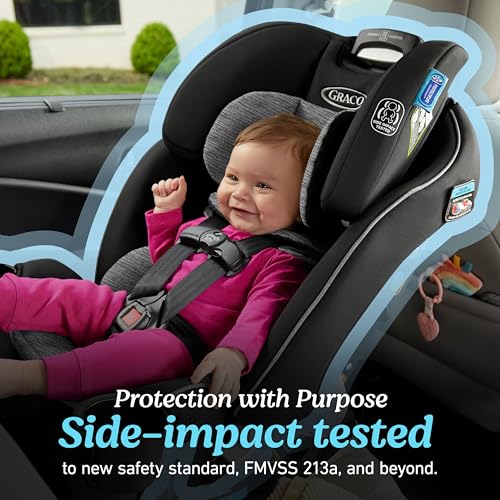
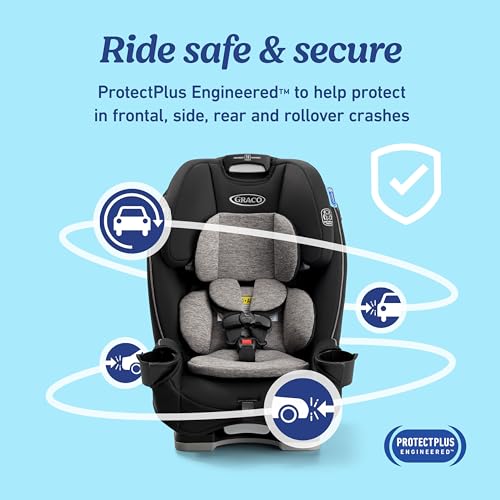
Graco Tranzitions 3-in-1 Booster

Strengths
- No-rethread harness
- Lightweight
- 9-position headrest
Trade-offs
- No rear-facing mode
- Thin padding
- No recline
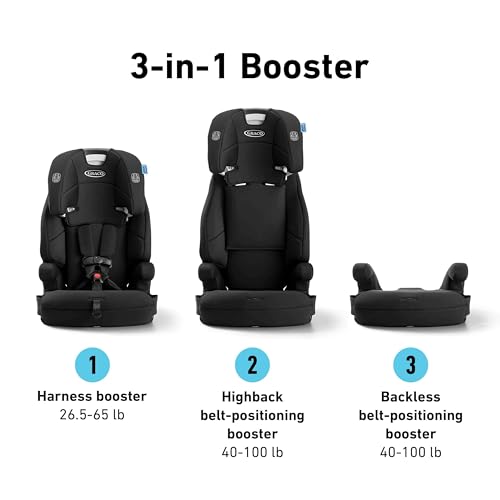
The Tranzitions wins on simplicity and ease of use, especially that No-Rethread harness system. Parents who hate wrestling with harness slots will love that the headrest and straps adjust together with one hand. At 9 positions, the headrest offers excellent range, and the lightweight build makes it easy to move between cars, a real plus for shared custody or dual-household families.
It starts at 26.5 lbs. in harnessed mode, which is earlier than the Safety 1st Grand but later than the Ellaris. Owners note the padding isn’t plush, but it’s durable. Compared to the TriRide, it lacks recline and rear-facing use, but it’s nearly $60 cheaper. I’d call this the smarter buy if you only need forward-facing through booster years and value hassle-free adjustments.
Product photos


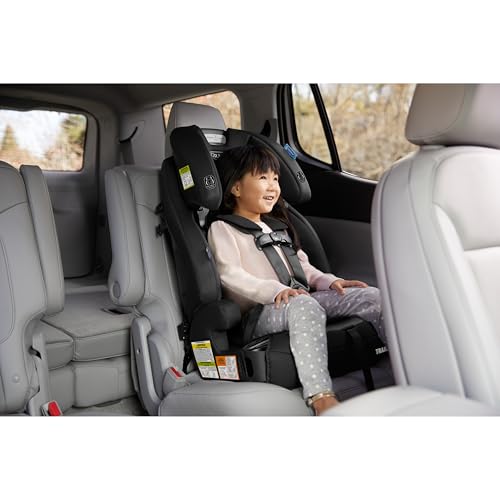
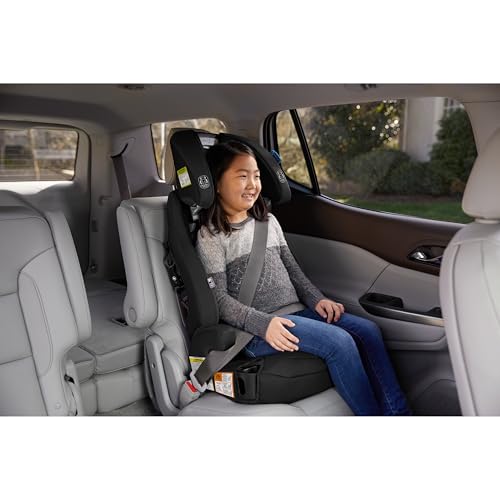
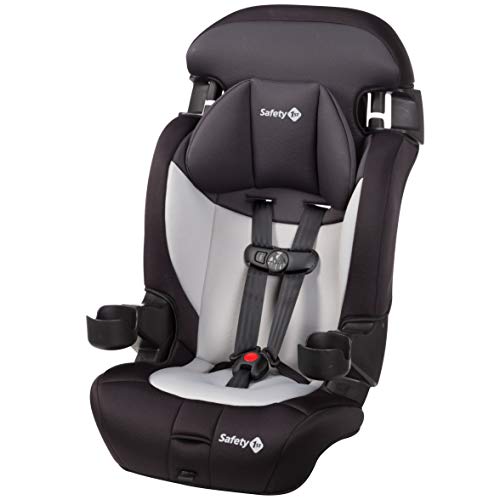
Safety 1st Grand 2-in-1 Booster
Strengths
- Slim fit
- Easy cleaning
- Affordable
Trade-offs
- No rear-facing use
- Harness mode starts at 40 lbs.
- Basic padding
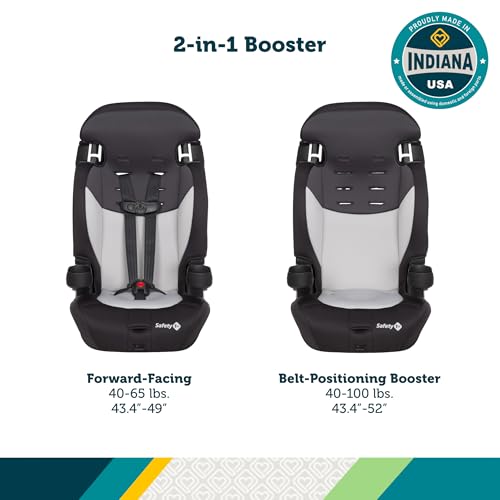
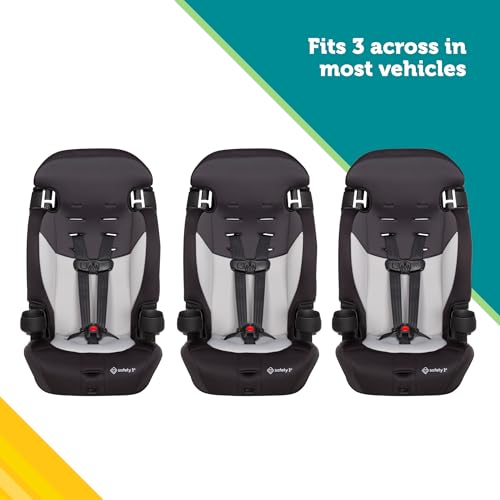
If you’re juggling multiple car seats and need something that won’t crowd the middle row, this Grand 2-in-1 is built for that job. The slim design is its strongest selling point, and reviewers confirm it fits neatly beside other seats in compact SUVs and sedans alike. It starts at 40 lbs. in harnessed mode, so it won’t help with younger toddlers, but for kids already past the infant stage, the transition to a highback booster is smooth.
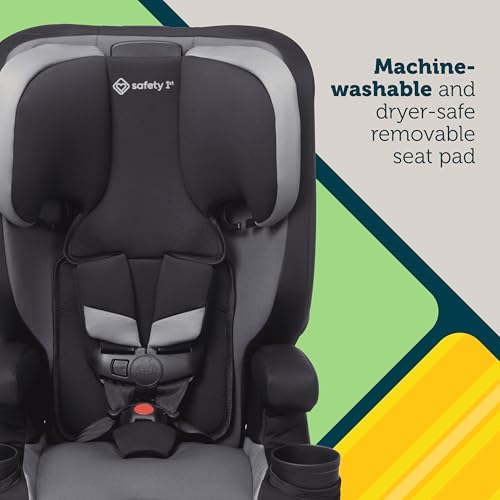
The build feels no-frills but functional, and the machine-washable pad is a must-have for messy kids. Compared to the Boost-and-Go, it skips the rear-facing harness option and starts later developmentally, but it’s $16 cheaper and still delivers on core safety standards. I’d pick this over the Boost-and-Go only if you’re certain your child won’t need a harness before 40 lbs.
Product photos
Safety 1st Boost-and-Go 3-in-1
Strengths
- Lightweight
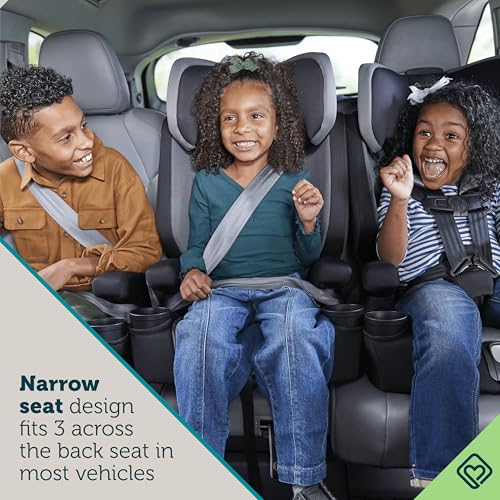
- Fits 3 across
- Easy conversion
Trade-offs
- No rear-facing mode
- No LATCH in booster mode
- Narrow harness fit for larger toddlers
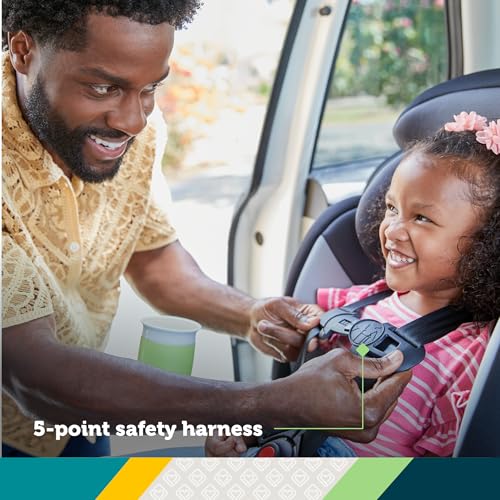
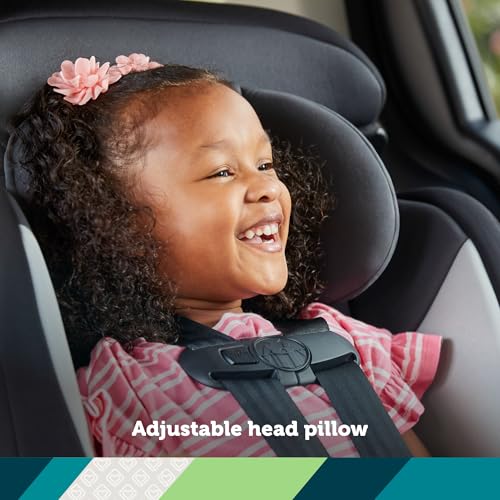
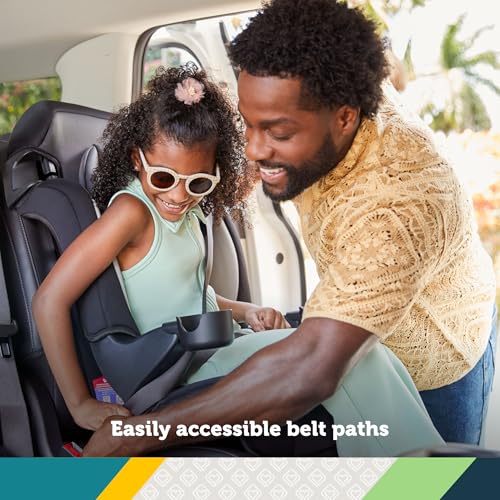
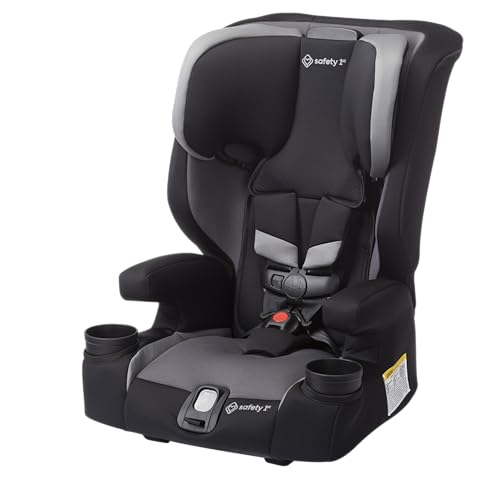
This 3-in-1 booster stands out in the budget space because it covers so many stages without breaking the bank. On paper, the ability to start as a forward-facing harnessed seat at 30 lbs. and grow all the way to a backless booster for kids up to 100 lbs. makes it a solid long-term bet. Owners consistently report that the lightweight build and narrow frame make it a no-brainer for families who carpool or need to fit three seats across, a real win in tight vehicles.
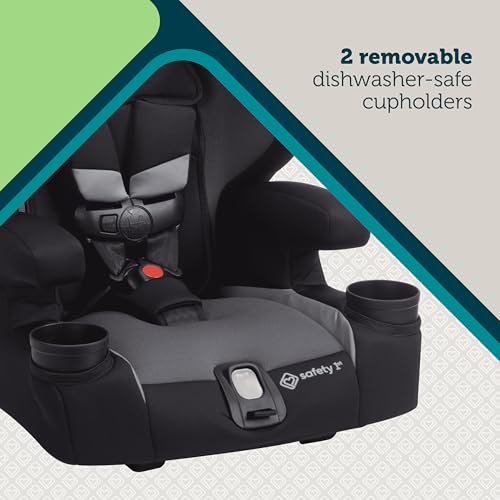
The one-motion switch to backless mode is a practical touch, and the dishwasher-safe cup holders are a small but appreciated perk. Still, it lacks LATCH for booster mode, which some parents find inconvenient. Compared to pricier Graco models, it doesn’t offer rear-facing use, so it’s not a full infant-to-youth solution, but for a seat this affordable, that’s expected.
Product photos

How We Evaluated economical car seats
Rather than a hands-on lab test, my research focused on a detailed comparison of published specifications and features across a range of economical car seats. I weighed owner reviews from multiple retailers alongside expert opinions from sources like the National Highway Traffic Safety Administration (NHTSA) and independent testing labs. This allowed me to build a ranking based on real-world feedback and established safety standards.
For this category, the most important factors were longevity – how long a child can safely use the seat in each mode – and safety features. A car seat’s ability to adapt as a child grows (rear-facing, forward-facing, booster) offers the best value. Equally vital is engineering designed to exceed minimum safety standards, especially side impact protection, as this directly impacts crash performance.
Specifications clearly indicate weight and height limits, and the type of harness system. However, I relied heavily on owner feedback to assess ease of installation, fabric quality, and overall comfort. Reputation, particularly regarding a brand’s history with safety recalls or positive test results, played a significant role in evaluating the inherent reliability of each model.
What To Look For In economical car seats
Finding the right car seat can feel overwhelming, but prioritizing safety and fit is key.
A good car seat prioritizes robust safety engineering (meeting or exceeding federal standards is baseline, but look for brands that go further with side impact testing). It also needs to appropriately fit your child’s weight and height at each stage, and crucially, fit your vehicle correctly. Installation ease and adjustability are vital for consistent, correct use.
Rear-Facing Length
Many parents transition to forward-facing too soon. Keeping your child rear-facing for as long as possible, within the car seat’s limits, is the safest option, as it distributes crash forces more evenly. Look for convertible car seats (like the Graco Extend2Fit) that offer higher rear-facing weight and height limits. Don’t assume your child “needs” to turn around at a certain age; focus on their size relative to the seat’s specifications.
Harness Adjustability & Ease of Use
A car seat is only as good as its consistent use. A complicated harness system or difficult adjustments mean you’re less likely to use it correctly every time. The “Simply Safe Adjust” systems found on many Graco models are excellent because they allow simultaneous headrest and harness height adjustment.
Here’s what to consider: * Headrest positions: More positions (10 like on the Graco TriRide) mean a more tailored fit. * No-rethread harness: Avoid seats that require re-threading the harness as your child grows. It’s a pain and introduces opportunity for error. * Buckle quality: A sturdy, easy-to-fasten buckle is essential. Read owner reviews to see if there are complaints about the buckle being difficult to use or breaking easily.
Booster Seat Features & Longevity
When your child outgrows a harnessed car seat, a booster seat properly positions the vehicle’s seat belt. Look beyond basic belt positioning. Consider features like adjustable headrests (the Evenflo GoTime LX offers 7 positions) and side impact protection.
A booster seat isn’t “done” when your child reaches a certain age. It’s done when the vehicle’s seat belt fits correctly – the lap belt lies flat across the upper thighs, and the shoulder belt crosses the middle of the shoulder and chest.
Economical Car Seats Compared
Here’s a comparison of key specifications for various economical car seats to help you make an informed decision.
| Product Name | Rear-Facing Min. Weight (lb) | Rear-Facing Max. Weight (lb) | Forward-Facing Min. Weight (lb) | Forward-Facing Max. Weight (lb) | Booster Mode Max. Weight (lb) |
|---|---|---|---|---|---|
| Graco Extend2Fit Convertible | 4 | 50 | 26.5 | 65 | N/A |
| Safety 1st Ellaris 3-in-1 | 5 | 30 | 30 | 65 | 100 |
| Evenflo GoTime LX Booster | N/A | N/A | N/A | N/A | 120 |
| Graco TriRide 3-in-1 | 5 | 40 | 26.5 | 65 | 100 |
| Graco Slimfit 3-in-1 | 5 | 40 | 26.5 | 65 | 100 |
| Graco Tranzitions 3-in-1 Booster | N/A | N/A | 26.5 | 65 | 100 |
| Safety 1st Grand 2-in-1 Booster | N/A | N/A | 40 | 65 | 100 |
| Safety 1st Boost-and-Go 3-in-1 | 30 | 65 | N/A | N/A | 100 |
Frequently Asked Questions
What is the longest a child can safely stay rear-facing?
A child can stay rear-facing until they reach the car seat’s maximum rear-facing weight and height limits, which on some models like the Graco Extend2Fit can be up to 50 pounds and beyond 40 inches. Prioritizing rear-facing as long as possible is always the safest option.
Are all “3-in-1” car seats created equal?
No, the transition points between modes vary significantly. Some, like the Safety 1st Ellaris, offer a higher forward-facing weight limit (65 pounds) before transitioning to a booster, providing a longer harnessed stage.
How important is the LATCH system for installation?
While LATCH (Lower Anchors and Tethers for Children) is convenient, it’s not always the safest method. A vehicle seatbelt installation is equally safe, and often recommended, especially for heavier children or seats. Always follow the car seat and vehicle manuals.
What should I do if my child dislikes being in a car seat?
Comfort is important, but safety is paramount. Ensure the car seat fits your child’s current size and that the harness is snug but not too tight. Distraction with appropriate toys or music can help, but never compromise on safety features.
What’s the difference between a high-back and backless booster seat?
A high-back booster (like the Evenflo GoTime LX) provides more head and side impact protection, making it a safer choice for younger or smaller children transitioning from a harnessed seat. Backless boosters are suitable for older children who have outgrown the height limitations of a high-back booster and fit properly with the vehicle’s seat.
The Bottom Line
Choosing a car seat always comes down to balancing budget with the features you truly need, and prioritizing safety above all else. While all the seats we looked at meet federal safety standards, the Graco Extend2Fit Convertible stands out as the strongest overall choice, offering exceptional longevity in rear-facing mode – a key factor for maximizing child safety. It provides a lot of value without sacrificing essential features.
For parents specifically seeking a budget-friendly booster, the Evenflo GoTime LX Booster is an excellent pick, providing a high weight limit and adjustable headrest for a comfortable and secure ride. If you require a single seat that will cover all stages, from toddler to booster, the Safety 1st Ellaris 3-in-1 offers impressive versatility at a reasonable price point.
Ultimately, the best car seat is the one that fits your child correctly, fits your vehicle properly, and that you will use consistently on every trip. Don’t get too caught up in chasing the latest gadgets or highest weight limits; focus on a secure installation, a proper fit for your growing child, and a commitment to safe travel practices.
