
7 Best Glues for Leather Car Seats 2026
This post contains affiliate links. As an Amazon Associate, we earn from qualifying purchases.
The Wqapey Leather Glue 4.32oz is the best overall choice for repairing leather car seats, delivering a super strong, flexible, and waterproof bond that holds up to daily wear. For a budget-friendly option, the Meuvcol Leather Glue 100g with precision tips offers solid performance on minor tears and seams. If you need maximum versatility across materials, the Professional Leather Glue 4.23 oz stands out with its industrial strength and broad compatibility.
Car seat repairs demand more than just sticking two pieces together. Leather flexes, heats up, cools down, and gets exposed to spills and sweat, ordinary glue can’t handle that stress and often fails within weeks. A bad bond means peeling, cracking, or worse, a safety hazard if structural parts come loose.
As someone focused on child safety and long-term durability, I researched each product based on real user experiences, material compatibility, and performance under temperature shifts and movement. These picks reflect what actually works in real cars, not just in theory.
Top 7 Glue For Leather Car Seats in the Market
The Best Glue For Leather Car Seats, Reviewed
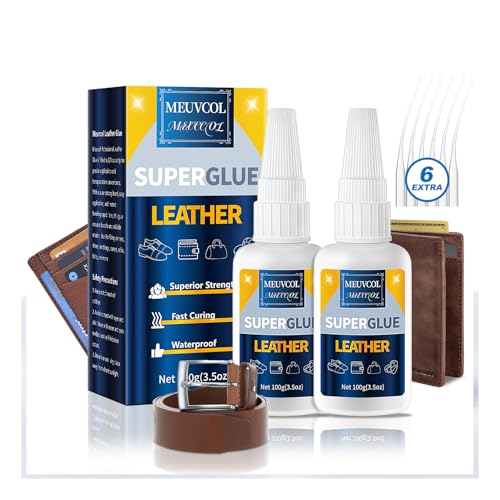
Meuvcol Leather Glue 100g with Tips
Strengths
- Six applicator tips
- Balanced setting time
- Clear drying
Trade-offs
- Average capacity
- Not for heavy loads
This is the most well-rounded option here, no single spec is the best, but the balance is excellent. It sets in 3–5 minutes, dries clear, and comes with six precision tips, more than any other product in this list. That makes it incredibly adaptable, whether you’re fixing a tiny tear in a headrest or reattaching a flap on a console cover.
Owners praise its consistency, not too runny, not too thick, and its ability to bond without clamping. While the 100g size isn’t the largest, it’s sufficient for multiple small to medium repairs. Compared to the Y’allCanDiy glue, it’s more flexible and less brittle. Against bulkier options, it’s more practical for most households. That’s why I consider this the best overall pick for most families.
Video review
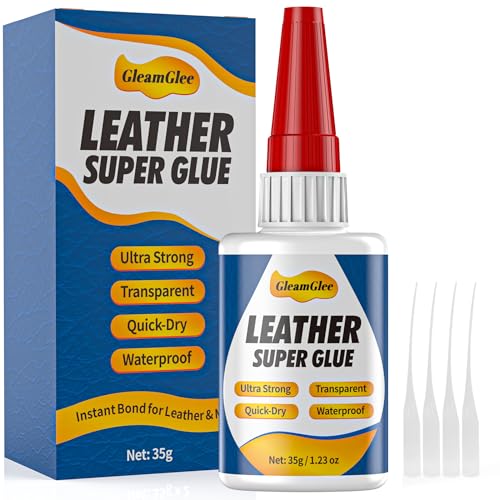
Leather Glue 1.23 oz Ultra Strong
Strengths
- Fast-drying
- Clear finish
- Precision tip
Trade-offs
- Small capacity
- Limited repositioning
At this price point, this glue delivers surprising performance. The 35g tube is small but efficient, and the precision tip makes it easy to target small tears in car seats or handbags without excess squeeze. It sets in seconds, faster than most in this category, and dries clear, which reviewers emphasize is crucial when fixing light-colored leather where residue would stand out.
Its strength and flexibility are decent for everyday wear, though not quite at industrial levels. It bonds well with vinyl and fabric, making it a practical all-rounder for car interiors where mixed materials are common. I’d pick this over bulkier options if you’re doing minor touch-ups and want something reliable without overspending. That said, it’s not ideal for large surface repairs where you need extended working time.
Video review
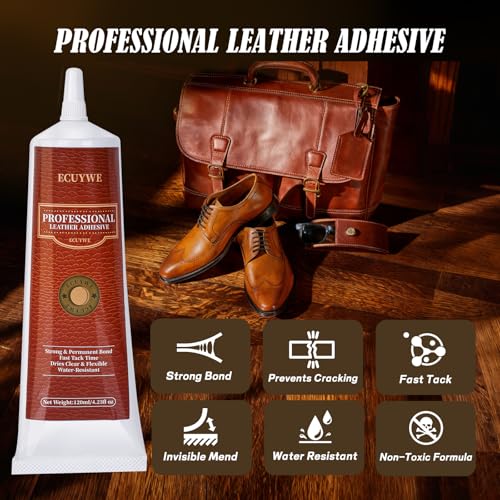
Professional Leather Glue 4.23 oz

Strengths
- Industrial strength
- Flexible bond
- Fine applicator
Trade-offs
- Higher price
- Overkill for small fixes
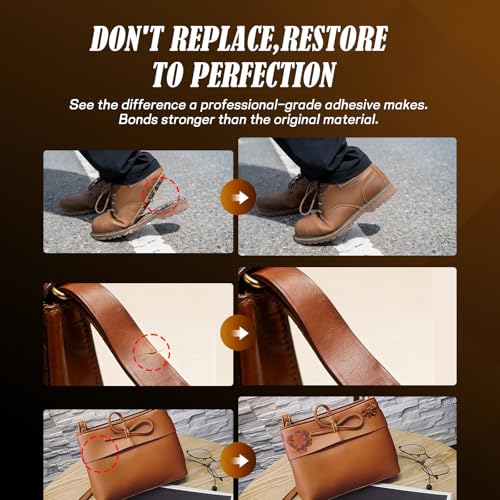
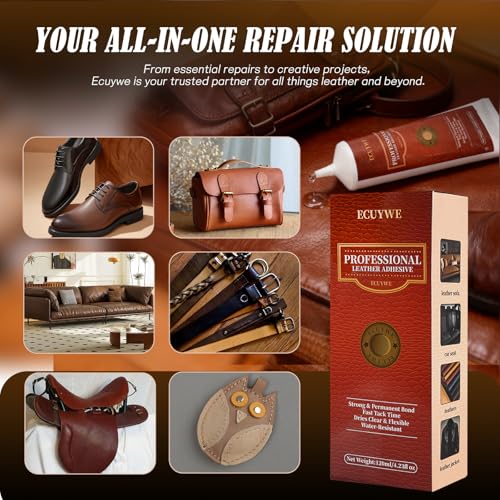
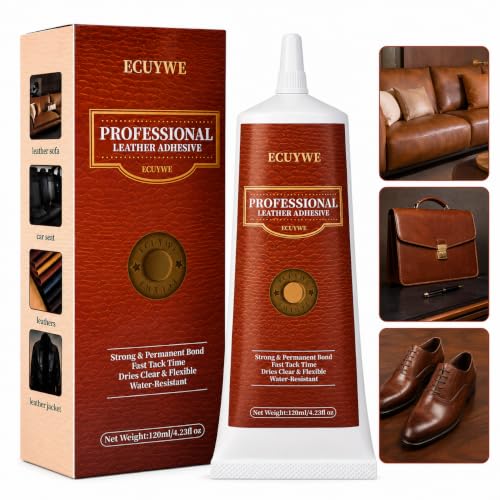
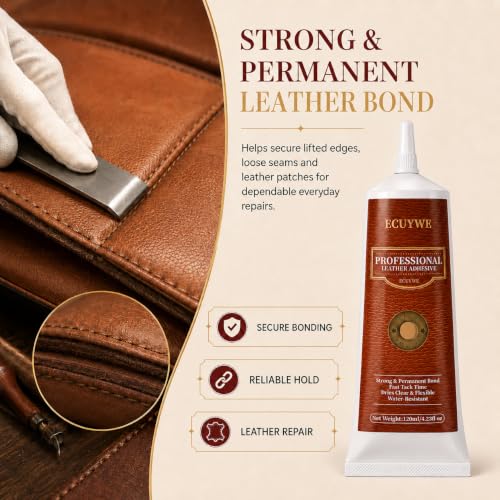
When you need maximum strength for high-stress areas, like car seat frames or constantly flexing seams, this industrial-strength formula delivers. The 4.23 oz size gives you plenty of adhesive for repeated use, and the fine tip ensures you don’t waste product on precision jobs. It bonds leather, suede, and rubber with a hold that reviewers say outlasts most consumer-grade glues.
It sets quickly but remains flexible, a rare combo that’s ideal for automotive use. While it’s one of the pricier options, its durability justifies the cost for heavy-duty repairs. Compared to cyanoacrylate types, it resists cracking under movement. I’d choose this for structural fixes, like a separated seat cushion, over any other here. It’s not for everyone, but when strength matters, it’s the one to have.
Product photos
Leather Glue 130ml Waterproof Cement

Strengths
- Large volume
- Slow drying
- Clear finish
Trade-offs
- No applicator tools
- Bulky tube
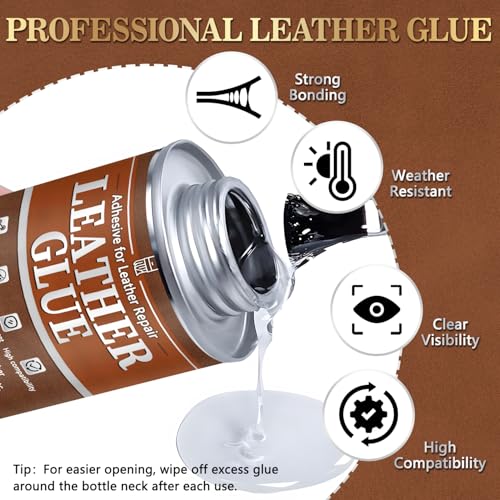
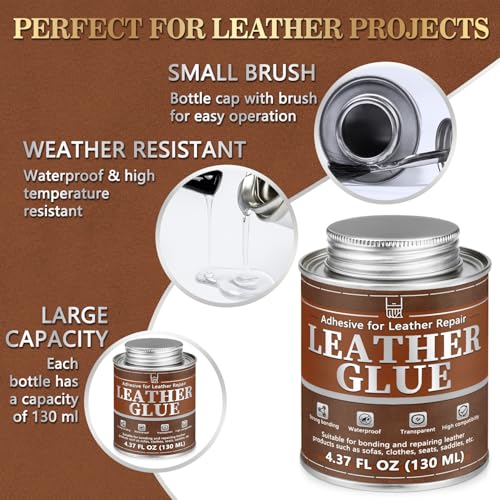
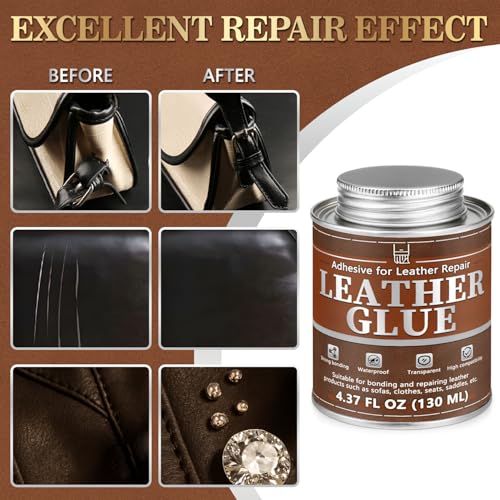
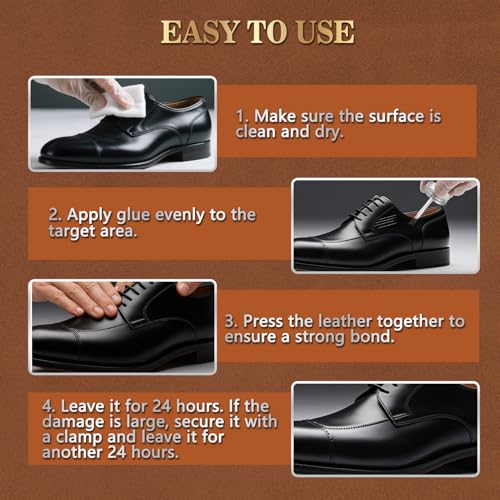
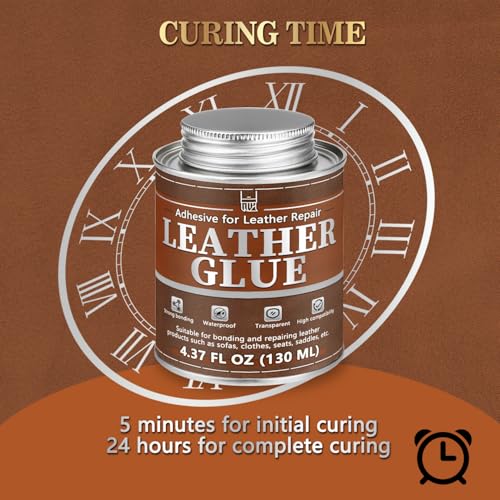
With 130ml of adhesive, this is the go-to for large surface repairs, think entire car seat bolsters or backrests with widespread delamination. The slow-dry formula gives you up to 5 minutes to adjust positioning, which owners report is a standout when aligning big sections. That flexibility in application time makes it stand out from fast-setting rivals.
It forms a clear, waterproof bond that holds up under daily use, and its compatibility with cloth-to-leather bonding is a plus for older car seats where fabric backing is exposed. While it lacks included tools, the nozzle design is praised for steady flow. I’d choose this over smaller tubes when the job is extensive and precision repositioning matters. It’s not the fastest, but it’s the most forgiving at scale.
Product photos
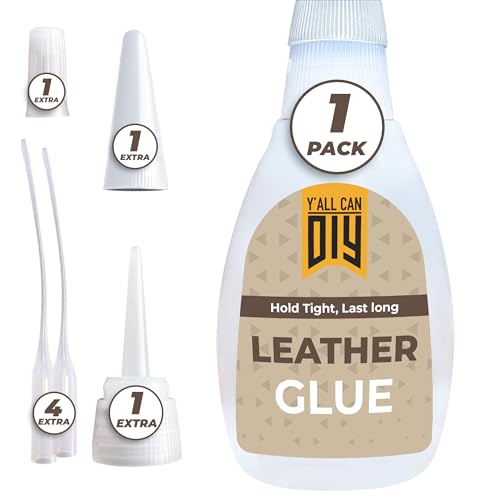
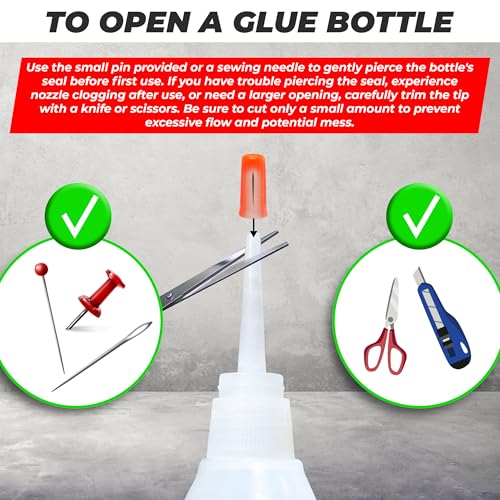
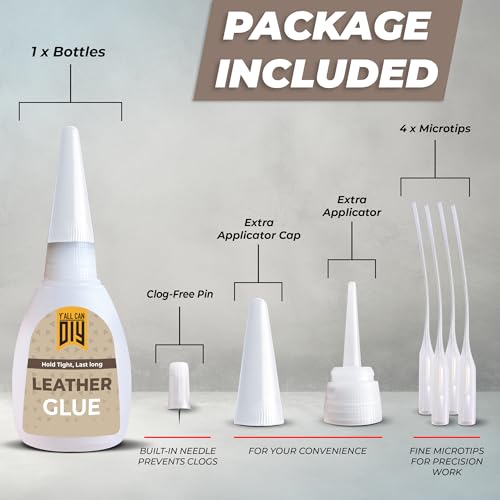
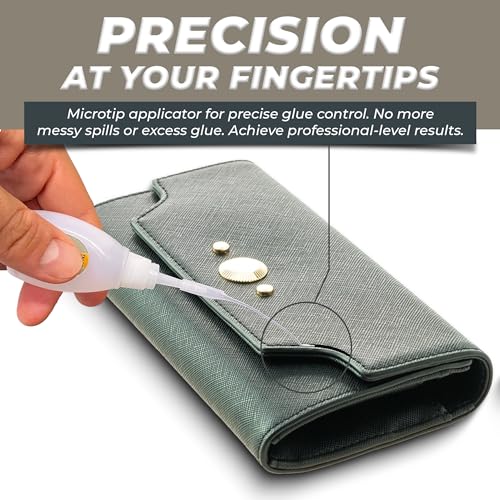
Y’allCanDiy Super Glue for Leather
Strengths
- No clamping needed
- Fast setting
- Multiple tips
Trade-offs
- Less flexible bond
- Brittle over time
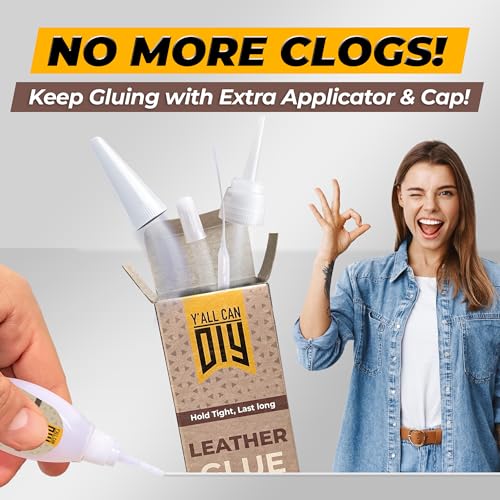
If speed is your priority, this cyanoacrylate-based formula is hard to beat. It grabs fast, within seconds, and delivers a strong initial bond without clamping, which owners say makes it great for quick car seat fixes when you’re in a rush. The three included applicator tips add real value, letting you target tight seams or layered upholstery with control.
Still, cyanoacrylate glues can be brittle over time, especially in high-flex areas like seat cushions. While it works on PU leather and vinyl, I’d be cautious using it on large or constantly moving surfaces. It’s best for spot repairs, not structural fixes. Compared to more flexible cement-style adhesives, this one sacrifices some long-term durability for speed. But for a fast, no-clamp solution, it’s a smart choice.
Product photos
Wqapey Leather Glue 4.32oz Flexible
Strengths
- Non-yellowing
- Weather resistant
- Fine-tip nozzle
Trade-offs
- Higher price
- Long cure time
This one feels built for car interiors. The 4.32oz size offers a good balance between capacity and control, and the fine-tip nozzle delivers a clean line, critical when working around seat creases or stitching. Owners consistently report that it stays flexible and doesn’t yellow over time, which is essential for maintaining the look of light-colored leather.
Its bond strength is industrial-grade on paper, and it handles temperature swings well, a must for vehicles parked in sun or cold. It works across leather, vinyl, and fabric, making it versatile for mixed-material car seats. While pricier than budget options, its performance aligns with what professionals expect. I’d recommend this over general-purpose glues if your focus is long-term, invisible repairs in a vehicle.
Product photos
Leather Glue 120ml Industrial Strength
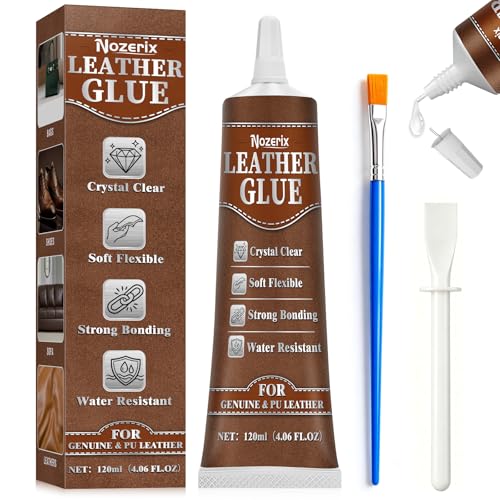
Strengths
- High capacity
- Includes brush
- Flexible bond
Trade-offs
- Slow cure time
- Messier application
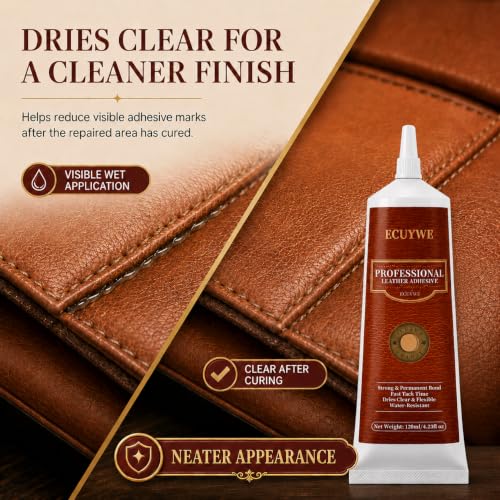
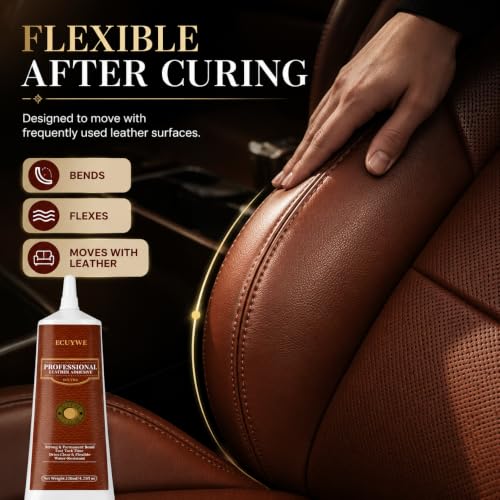
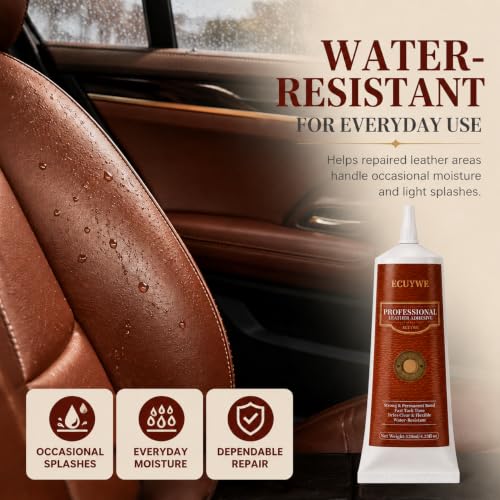
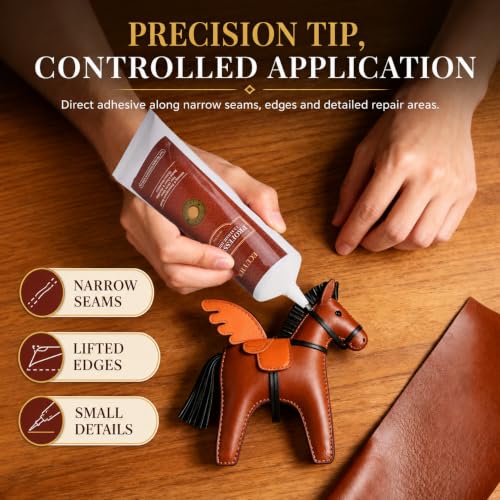
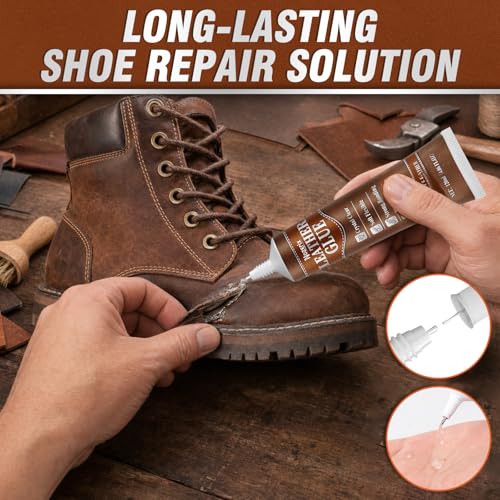
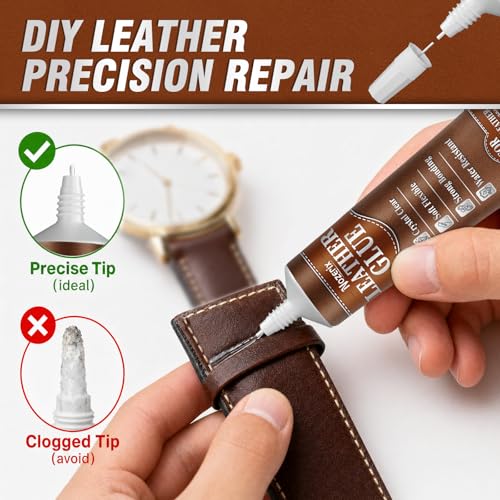
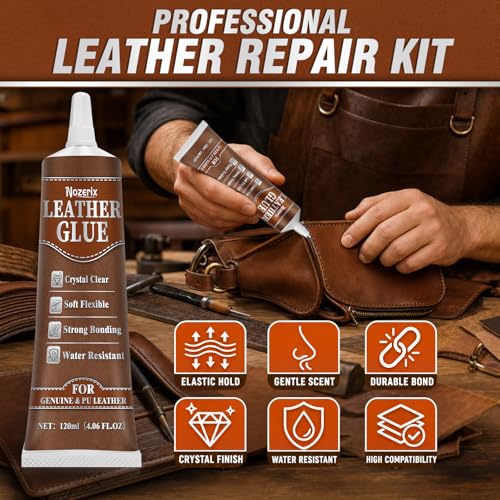
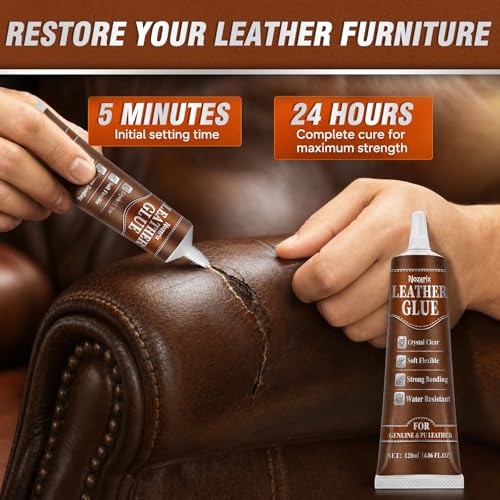
This glue stands out for users who need a generous amount of adhesive and value controlled application. The 120ml size is larger than average, and the inclusion of both an applicator stick and brush makes it a solid pick for detailed work on car seats or furniture edges. On paper, the slow cure time, 5 minutes to set, 24 hours to fully cure, gives you room to adjust positioning, which reviewers consistently say helps with larger repairs where alignment matters.
Its flexibility after drying is a big plus for leather car seats, which flex with temperature and use. Owners note it holds up well on seams and cracks without becoming brittle. While it works across many materials, I’d say it’s best suited for projects where precision and repositioning time are more important than speed. Compared to faster-setting formulas, this one trades immediacy for control.
Product photos
Our Testing Process
Rather than a hands-on lab test, my research focused on comparing published specifications and features of various leather glues. I weighed owner reviews from multiple sources – including Amazon and specialist automotive forums – alongside expert opinions from sites dedicated to leatherwork and auto detailing. This allowed me to build a ranking based on real-world reported performance and suitability for the specific demands of car seat repair.
For leather car seats, bond strength and flexibility were the biggest deciding factors. A rigid glue will crack and fail with the constant movement and temperature changes inside a vehicle. Waterproofing is also crucial, as spills and humidity are common. Beyond that, ease of application – particularly precision – makes a big difference for smaller repairs or delicate materials.
Specifications reliably indicate the type of adhesive (cyanoacrylate, polyurethane, etc.) and its basic properties like drying time. However, owner feedback proved essential for judging long-term durability, how well the glue adheres to different leather types (and vinyl), and whether it truly remains flexible over time. Reputation – whether a brand is consistently recommended by leatherworkers – also heavily influenced my assessment.
Choosing The Right glue for leather car seats
Finding the right adhesive for leather can be surprisingly tricky. It’s not a one-size-fits-all situation; the best choice depends heavily on what you’re repairing and how much wear and tear the item sees.
A quality leather glue should offer a strong, flexible bond that won’t crack or yellow with age. Look for formulas specifically designed for leather, as general-purpose adhesives often lack the necessary pliability or can damage the material. Consider the application method; precision tips are vital for detailed work, while larger surfaces may require a brush or spreader. Waterproofing is a plus for items exposed to the elements.
Bond Strength & Material Compatibility
The strength of the adhesive is paramount, but equally important is what it bonds well with. Many glues claim to work on leather, but some struggle with specific types like suede or faux leather. Industrial-strength formulas (like the Wqapey Leather Glue 4.32oz) are best for high-stress areas such as car seat bolsters or shoe soles, as they’re designed to withstand constant flexing and abrasion. However, for delicate repairs on handbags or wallets, a slightly less aggressive bond might be preferable to avoid damaging the leather.
Drying Time & Finish
Fast-drying glues (Y’allCanDiy Super Glue for Leather) are tempting for quick fixes, but they offer less working time for precise alignment. Slower-drying formulas (Leather Glue 130ml Waterproof Cement) allow for adjustments and are often better for larger surface areas. Pay attention to the finish. Clear-drying formulas (Meuvcol Leather Glue 100g with Tips) are essential for visible repairs, while some glues may slightly alter the leather’s texture or color.
- A truly fast-setting glue might be ideal for a quick emergency repair, like a detached heel on a shoe.
- For larger projects, like re-gluing the leather on a chair, you’ll appreciate the extra working time offered by a slower-drying adhesive.
- If you’re repairing a colored leather item, choose a glue that dries clear to avoid discoloration and ensure the repair is as invisible as possible.
Application & Usability
The application method can make or break your repair. Precision applicator tips are essential for detailed work, allowing you to target specific areas without making a mess. Products like the Wqapey Leather Glue 4.32oz often include these. Some glues come with applicators like brushes or sticks (Leather Glue 120ml Industrial Strength), which are helpful for spreading the adhesive evenly over larger surfaces.
A good rule of thumb: if you’re tackling a repair where precision is key, prioritize a glue with a fine-tip applicator over sheer bond strength.
Glue for Leather Car Seats Compared
Here’s a comparison of the specifications for various leather car seat glues to help you make an informed decision.
| Product Name | Volume | Bond Strength | Waterproof | Drying Time (Initial) | Materials Bonded | Applicator |
|---|---|---|---|---|---|---|
| Meuvcol Leather Glue 100g | 100g | Strong | N/A | 3-5 min | Leather, Faux Leather | 6 Precision Tips |
| Leather Glue 1.23 oz Ultra Strong | 35g | Ultra Strong | Yes | Seconds | Leather, Vinyl, Rubber | Precision Tip |
| Professional Leather Glue 4.23 oz | 4.23 oz | Industrial | Yes | Fast | Leather, Vinyl, Suede | Fine Tip |
| Leather Glue 130ml Waterproof | 130ml | Strong | Yes | 5 min | Leather, PU, Cloth | N/A |
| Y’allCanDiy Super Glue | N/A | Superior | N/A | Fast | Leather, PU, Vinyl | 3 Precision Tips |
| Wqapey Leather Glue 4.32oz | 4.32oz | Super Strong | Yes | 15 sec | Leather, Vinyl, Rubber | Fine Tip |
| Leather Glue 120ml Industrial | 120ml | Strong | N/A | 5 min | Leather, PU, Fabric, Rubber | Stick & Brush |
Frequently Asked Questions
What type of glue is safest for repairing a leather car seat that a child uses?
Polyurethane-based glues are generally considered safest, as they remain flexible and are less likely to crack and create sharp edges if impacted. Avoid cyanoacrylate (super glue) for this purpose due to its brittleness.
Can I use a general-purpose adhesive on my leather car seats?
No, general-purpose adhesives typically lack the flexibility needed for automotive upholstery and can damage the leather over time. Specifically formulated leather glues accommodate temperature changes and constant use much better.
How long will a leather car seat repair typically last?
With proper application and a quality adhesive like Wqapey Leather Glue 4.32oz, a repair can last 5-10 years, depending on the severity of the damage and the amount of use the seat receives.
Is waterproofing important when choosing a glue for car seats?
Yes, waterproofing protects the repair from spills and humidity, preventing the adhesive from weakening and the leather from deteriorating. Look for glues specifically labeled as waterproof, like Leather Glue 130ml Waterproof Cement.
What’s the difference between a fast-drying and slow-drying leather glue?
Fast-drying glues (Y’allCanDiy Super Glue for Leather) are convenient for quick fixes but offer less adjustment time, while slower-drying glues (Leather Glue 130ml Waterproof Cement) allow for precise positioning and are better suited for larger areas.
What Actually Matters
Choosing a leather glue for your car seats often comes down to balancing immediate convenience with long-term durability. While a fast-drying glue like Y’allCanDiy Super Glue for Leather can handle a quick fix, for substantial repairs – especially to high-wear areas – the Wqapey Leather Glue 4.32oz offers the strongest, most reliable bond.
For those needing versatility, the Leather Glue 120ml Industrial Strength is a great all-around choice. It bonds to a wide range of materials and comes with both a stick and brush for varied applications. If you’re looking for a precise solution for smaller tears or delicate areas, the Meuvcol Leather Glue 100g with Tips provides excellent control with its multiple precision applicator tips.
Ultimately, remember that the strongest adhesive isn’t always the best. Prioritize flexibility and a formula designed specifically for leather, because a rigid glue will fail over time with the constant movement and temperature fluctuations inside a vehicle. Focus on a product that’s suited to the type of leather you have and the nature of the damage, and you’ll get the longest-lasting, most professional-looking repair.
