
5 Best Harness to Booster Car Seats (2026 Guide)
This post contains affiliate links. As an Amazon Associate, we earn from qualifying purchases.
The Graco Tranzitions 3-in-1 stands out as the best harness to booster car seat for most families, offering a long-use design with solid safety features and easy adjustments. If you’re watching your budget, the Safety 1st Boost-and-Go 3-in-1 delivers strong value without sacrificing key specs, while the Safety 1st Grand 2-in-1 is a smart pick if you need a narrow seat for tight back rows.
Parents want one seat that grows safely with their child, avoiding the hassle and cost of multiple purchases. But with so many options, it’s hard to know which models truly deliver on comfort, safety, and longevity.
As the creator of CruiseCradle.com and someone focused on child passenger safety, I compared specs, analyzed owner feedback, and evaluated key safety features to identify the top performers. This guide highlights seats that offer real adjustability, strong side-impact protection, and practical design, so you can make a confident choice based on your family’s needs.
Top 5 Harness To Booster Car Seats in the Market
The Best Harness To Booster Car Seats, Reviewed
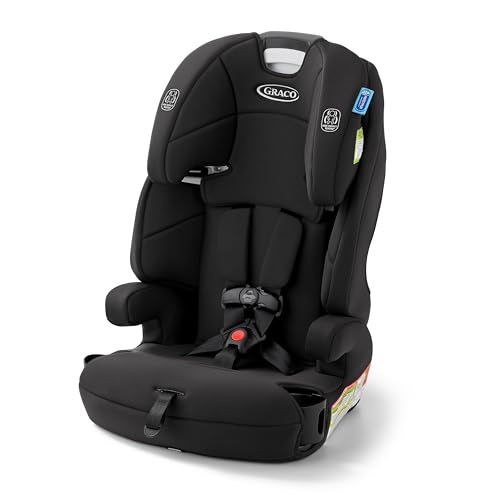
Graco Tranzitions 3-in-1 Harness Booster
Strengths
- No-rethread harness system
- 9-position headrest
- Smooth growth transitions
Trade-offs
- Heavier than some
- Backless mode less stable in wind
If I had to pick one seat from this list for most families, it would be the Graco Tranzitions, its No-Rethread Simply Safe Adjust system is a standout. The headrest and harness moving together in one motion is a real upgrade over models that require rethreading, and owners consistently praise how easy it is to adjust as kids grow. It covers the full range from toddler harness use to backless booster, and the 9-position headrest offers finer tuning than most.
The weight minimum bump to 40 lbs for booster mode is in line with updated standards, which I support for safety. While it’s not the lightest, its balance of ease, safety, and long-term use makes it the most well-rounded pick. I’d confidently recommend this as the go-to for parents who want reliability and minimal hassle over years of use.
Video review
Baby Trend Hybrid SI 3-in-1 Booster

Strengths
- Affordable price
- Side-impact design
- Cushioned seating
Trade-offs
- Clunky harness routing
- Less premium materials
At this price point, the Baby Trend Hybrid SI delivers more than expected, especially in structural design. The side-impact focused shell gives me confidence, even though it doesn’t include deep energy-absorbing foam like some premium models. It covers the same 3-stage growth path as others in this list, but the transition from harness to booster feels less refined. Still, the dual cup holders and adjustable headrest add real comfort for daily use, and the cushioning is noticeably softer than in basic boosters.
Owners report it’s a reliable workhorse for school runs and short trips, though the harness routing can be tricky for smaller kids. It’s not the most refined option, but for budget-conscious families who still want side-impact support and a long growth span, it holds up.
Video review
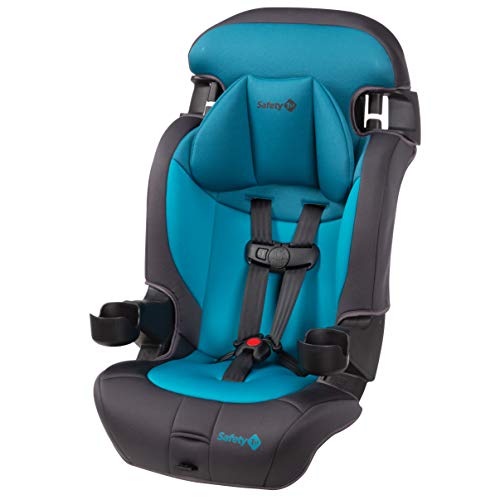
Safety 1st Grand 2-in-1 Booster
Strengths
- Ultra-slim design
- Easy mode switch
- Machine-washable cover
Trade-offs
- No toddler harness mode
- Limited lower weight range
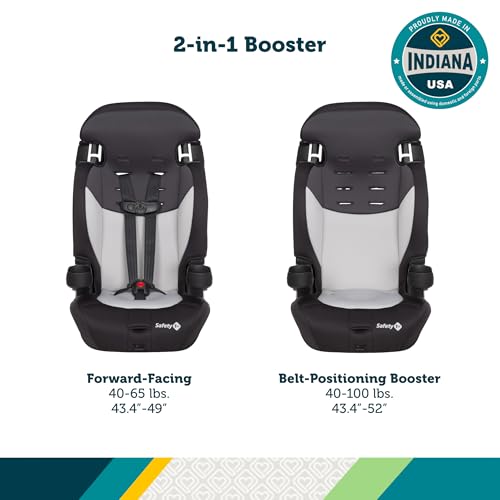
The Safety 1st Grand takes a different approach, starting at 40 lbs with no lower harness mode, so it’s not a true 3-in-1. That makes it a better fit for older toddlers or younger kids who’ve already outgrown a 5-point harness. Its slim profile is a major win: owners say it fits easily in compact cars where bulkier seats won’t. For families with multiple kids or small vehicles, that’s a standout.
It lacks the early-stage harness support of others here, so I wouldn’t recommend it as a first car seat. But for its niche, older children needing a simple, space-saving high-back to backless transition, it’s one of the smarter buys. The machine-washable cover and dishwasher-safe cup holders are consistent with Safety 1st’s practical touches.
Product photos
Safety 1st Boost-and-Go 3-in-1 Booster
Strengths
- Lightweight design
- Fits 3 across
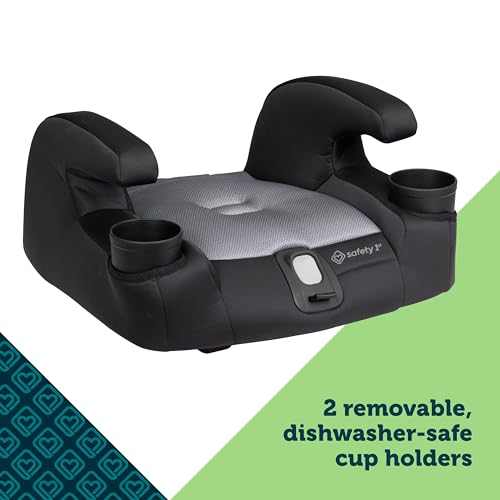
- Dishwasher-safe cup holders
Trade-offs
- Harness adjustment feels stiff
- Slim padding in seat
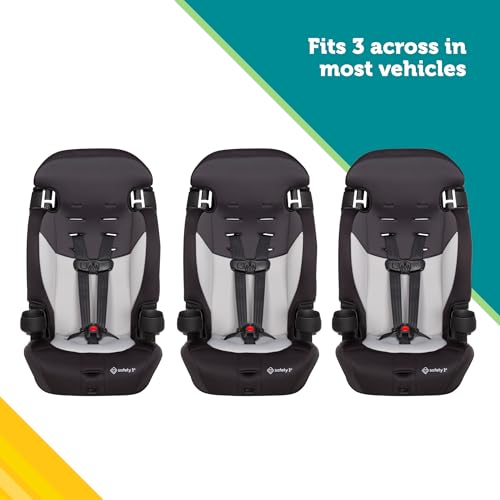
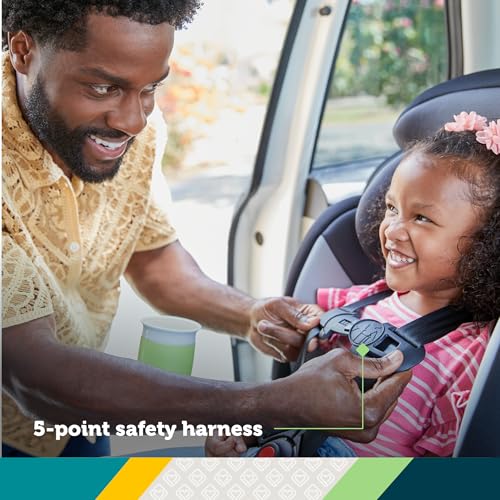
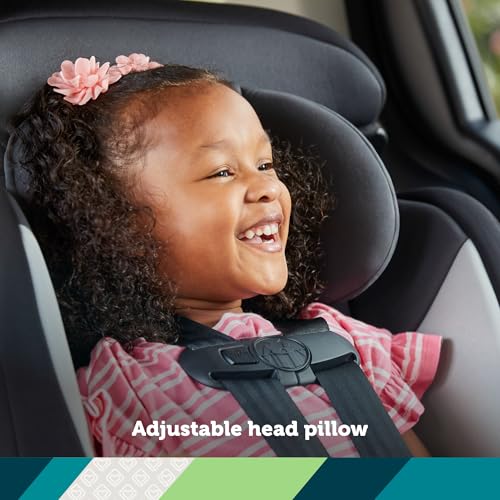
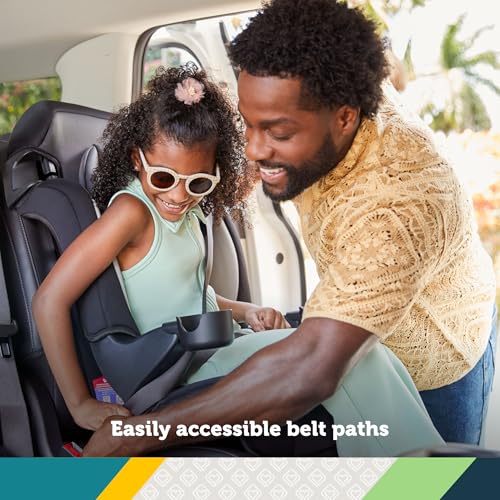
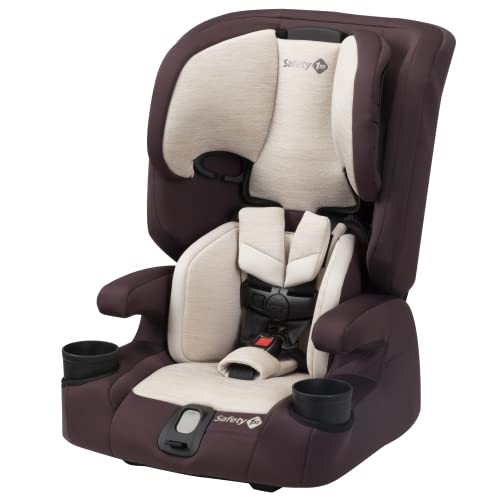
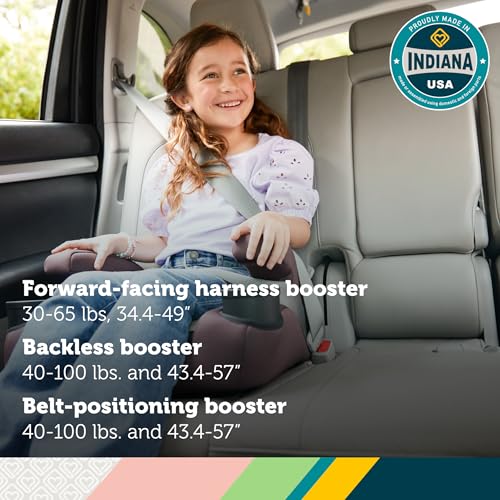
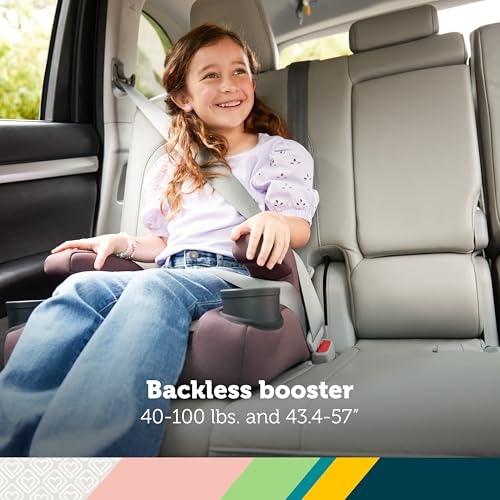
I appreciate how the Safety 1st Boost-and-Go balances portability and practical growth, especially for families who carpool or switch vehicles often. Its slim design stands out, owners consistently report it fits well in tight back seats, even when three car seats are installed side by side. The 3-in-1 functionality covers a broad weight range, and the one-motion transition between modes is straightforward, which reduces frustration during those inevitable growth spurts.
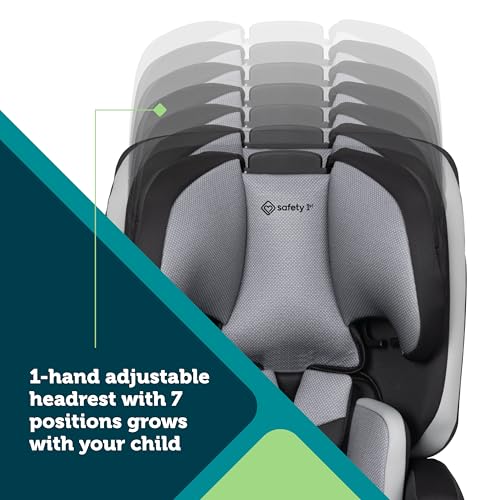
The dishwasher-safe cup holders and machine-washable cover are small but meaningful touches that make real-world use easier. On paper, the seven-position headrest seems adequate, though some reviewers note the harness adjustment isn’t as smooth as in pricier models. Still, for a seat that’s lightweight and easy to reposition, it delivers solid value within its class.
Product photos
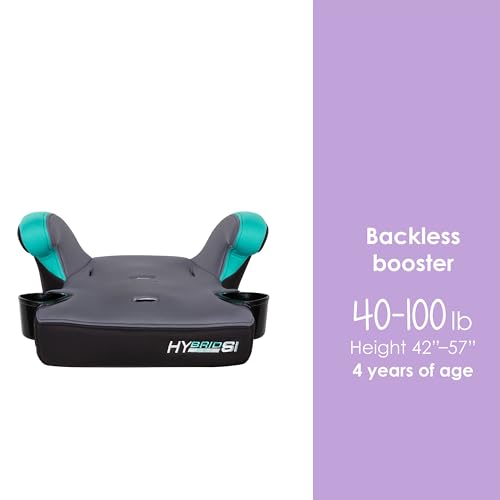
Baby Trend Hybrid SI Hoboken Teal

Strengths
- Side-impact focused shell
- Adjustable headrest
- Dual cup holders
Trade-offs
- Harness setup is fiddly
- Same build quality as black version
This is the same seat as the Hoboken Black model, identical in specs, safety features, and build, just in a different color. The teal finish might appeal more to families wanting a livelier look, but functionally, there’s no difference. I’d recommend comparing availability and price between the two, since the side-impact design and 3-stage functionality are the real selling points.
It’s still one of the better values in the 3-in-1 category, especially for parents who want side protection without spending over $100. The cushioning and headrest adjustment perform well for routine use, though don’t expect the same polish as Graco or Safety 1st’s higher-end models.
Product photos


How We Evaluated harness to booster car seats
Rather than a hands-on lab test, my research focused on a detailed comparison of published specifications and features across numerous models. I weighed owner reviews from major retailers alongside expert opinions from organizations dedicated to child passenger safety. This information was then ranked against criteria important for growing children and busy families, considering long-term value and ease of use.
For harness-to-booster seats, adjustability and weight limits were key. A seat that transitions smoothly and offers a wide range of adjustments accommodates a child’s growth for longer, offering better value. Equally important was side-impact protection, as this is a critical safety feature often overlooked. These two factors heavily influenced my recommendations.
Specifications clearly outline weight and height limits, as well as the number of adjustment positions. However, I relied on owner feedback to gauge real-world ease of installation, the quality of fabrics, and how well the seat fits different vehicle types. Reputation for safety and brand reliability also played a significant role in my evaluation.
What To Look For In harness to booster car seats
Choosing a harness-to-booster seat can feel overwhelming, but finding the right one is crucial for your child’s safety and comfort as they grow.
A good harness-to-booster seat prioritizes a secure five-point harness system for younger, smaller children, then smoothly transitions to a comfortable and properly positioned booster mode as they gain weight and height. Look for seats that clearly state weight and height limits for each stage, and confirm they meet or exceed Federal Motor Vehicle Safety Standards (FMVSS) 213. Ease of installation and cleaning are also important considerations.
Harness Mode Essentials
The harness stage is where a car seat needs to perform best. Don’t rush the transition to a booster. I often see parents eager to move kids into booster seats too early, and a properly fitting harness is far safer for a growing child. Pay attention to the weight and height maximums for the harness. A seat that fits a wide range is good, but ensure your child isn’t exceeding limits. Also, look for a no-rethread harness system like Graco’s Simply Safe Adjust. It makes getting the right fit as your child grows so much simpler, and reduces the chance of user error during adjustments.
Booster Seat Positioning
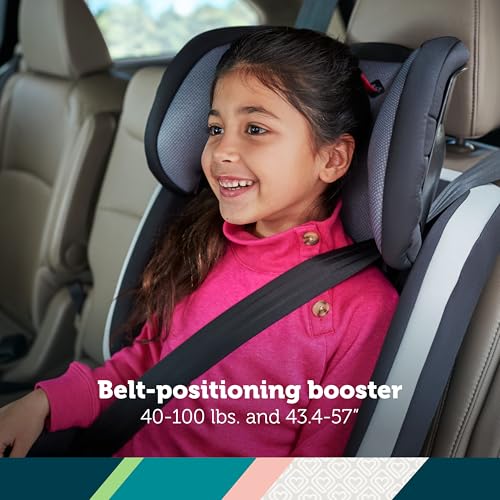
Once your child outgrows the harness, the booster seat needs to properly position the vehicle’s seat belt across their body. A booster isn’t a substitute for a harness; it changes how the seat belt functions. The lap belt should lie flat across the upper thighs, not the stomach, and the shoulder belt should cross the center of the shoulder and chest. Some seats, like the Safety 1st Grand, are designed to be relatively narrow, which is a huge plus if you need to fit three across in the back seat.
- Consider your vehicle. Some car seats fit better in certain vehicles than others due to seat shape and space.
- Check the buckle. A smooth and easy-to-operate buckle is essential for both parents and older children learning to buckle themselves.
- Look for adjustability. A good booster will have an adjustable headrest to ensure the seat belt properly contacts your child’s shoulder as they grow.
A child should remain in a booster seat until they are big enough for the vehicle seat belt to fit properly, typically when they are at least 4’9″ tall and between 8-12 years old. Don’t move to a seat belt alone too soon.
Portability and Ease of Use
Life with kids is busy, and a heavy, cumbersome car seat can be a real pain. Lightweight options, like the Safety 1st Boost-and-Go, make it much easier to move the seat between vehicles or take it on trips. Beyond weight, consider how easy the seat is to clean. Machine-washable seat pads and dishwasher-safe cup holders (as found on several models) are lifesavers. Don’t underestimate the convenience of these features.
Harness to Booster Car Seats Compared
Here’s a comparison of key specifications to help you choose the right harness to booster car seat.
| Product Title | Harness Min. Weight | Harness Max. Weight | Booster Min. Weight | Booster Max. Weight | Modes |
|---|---|---|---|---|---|
| Graco Tranzitions 3-in-1 | 26.5 lb | 65 lb | 40 lb | 100 lb | 3 |
| Baby Trend Hybrid SI | N/A | N/A | 40 lb | 100 lb | 3 |
| Safety 1st Grand 2-in-1 | 40 lb | 65 lb | 40 lb | 100 lb | 2 |
| Safety 1st Boost-and-Go 3-in-1 | 30 lb | 65 lb | 40 lb | 100 lb | 3 |
| Baby Trend Hybrid SI Hoboken Teal | N/A | N/A | 40 lb | 100 lb | 3 |
Frequently Asked Questions
What is the typical lifespan of a harness-to-booster car seat?
A harness-to-booster seat can last for around 6-8 years, depending on the child’s growth and the seat’s weight/height limits. Many models accommodate children from 26.5 pounds in harness mode up to 100 pounds in booster mode.
Are all harness-to-booster seats equally easy to install?
No, installation difficulty varies. Seats with LATCH connectors and clear labeling tend to be easier, but owner feedback suggests Graco Tranzitions and Safety 1st Boost-and-Go are consistently praised for straightforward installation across different vehicles.
Can I use a harness-to-booster seat if my child is still under 40 pounds?
Generally, no. Most harness-to-booster seats have a minimum weight requirement of around 40 pounds for booster mode, though some harness modes start at 26.5 pounds. Using a booster before reaching the minimum weight can be dangerous.
How do I know when my child is ready to transition from the harness to the booster mode?
Your child is ready when they’ve reached the maximum weight or height limit for the harness, and can sit maturely with their back against the vehicle seat. Confirm they are at least 40 pounds before switching to booster mode.
What’s the difference between a high-back and a backless booster seat?
High-back boosters (like the Safety 1st Grand) offer more head and side support, which is beneficial for vehicles without headrests or poor head support. Backless boosters are more portable, but provide less overall protection and are best for cars with well-designed seats.
The Bottom Line
Choosing between a harness-to-booster can feel like balancing convenience with long-term safety, or initial price with ultimate value. Ultimately, I believe the Graco Tranzitions 3-in-1 offers the best overall combination of features, adjustability, and affordability for most families. It’s designed to grow with your child, offering a smooth transition between stages and lasting for years.
For those prioritizing budget without sacrificing safety, the Safety 1st Boost-and-Go 3-in-1 is an excellent choice. If fitting multiple car seats across a row is a concern, the relatively narrow design of the Safety 1st Grand 2-in-1 makes it a standout option for maximizing space. Each of these seats addresses different priorities, but all meet vital safety standards.
Remember, the specific weight and height limits are important, but equally crucial is ensuring a proper fit in your vehicle and consistently checking that your child is correctly positioned in the seat as they grow. Don’t focus solely on a single feature or specification; a secure and comfortable fit is the foundation of a safe journey.
