7 Best High Back Booster Seats of 2026
This post contains affiliate links. As an Amazon Associate, we earn from qualifying purchases.
The Britax Skyline 2-Stage Booster is the best overall high back booster seat, offering excellent safety features and long-term value. For a more budget-friendly option, the Evenflo GoTime LX Booster delivers solid performance. If you want maximum adaptability, the Chicco KidFit ClearTex Plus stands out with its superior adjustability and side-impact protection.
Choosing the right high back booster seat can feel overwhelming, especially when you’re trying to balance safety, comfort, and how long your child can actually use it. As a mom and child safety advocate, I know how critical it is to find a seat that fits your child properly and works in your vehicle without constant struggle.
This guide breaks down the top options based on safety standards, real parent feedback, and key features like adjustability, weight limits, and ease of use. I looked at how well each model supports growing kids, how it installs in different cars, and what owners say about daily use, so you can make a confident choice for your family.
Top 7 High Back Booster Seats in the Market
The Best High Back Booster Seats, Reviewed
Britax Skyline 2-Stage Booster

Strengths
- Extended weight range
- Color-coded belt guides
- Superior crash protection
- Plush comfort
Trade-offs
- Heavier than average
- Bulkier for travel
If you’re after the most well-rounded highback booster on the market, the Britax Skyline earns its ‘Best Overall’ label without question. It’s built to last, supporting kids up to 120 pounds and 63 inches, far beyond what most boosters offer. The 10-position headrest adjusts with one hand, and the color-coded belt guides are a small but brilliant touch that removes guesswork for proper seat belt fit.
Reviewers frequently praise its durability and comfort, noting the plush foam and wide armrests make long drives more bearable. The two layers of energy management in the shell and headrest add meaningful frontal impact protection, which isn’t common at this tier. While it’s heavier than some, that trade-off makes sense given its robust build. I’d pick this over most others for its extended usability and thoughtful safety design.
Video review
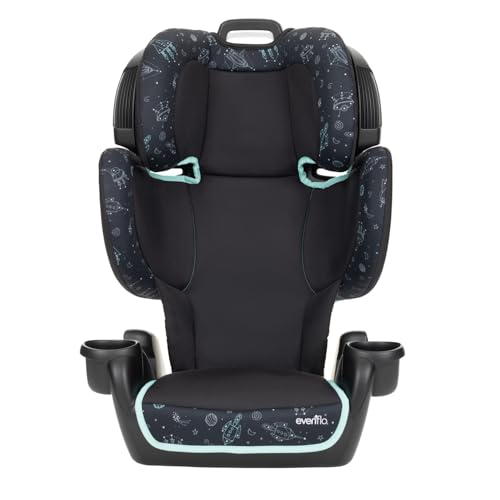
Evenflo GoTime LX Booster
Strengths
- Very affordable
- Deep side wings
- Simple conversion
Trade-offs
- Basic materials
- No advanced safety tech
- Cup holders feel flimsy
At the lowest price point in this lineup, the Evenflo GoTime LX delivers surprising value. It’s simple, meets all federal safety standards, and offers a deep seat with overlapping sides that give decent head and torso coverage. The 7-position headrest is easy to adjust, and the dual-mode design means it lasts from age 5 through the booster years.
But simplicity comes with trade-offs. The plastic shell feels thin, and the lack of premium touches, like color-coded guides or energy-absorbing foam, means it’s not as refined as the Britax or Chicco. Still, for a second car, a hand-me-down, or a budget-conscious family, it’s a responsible choice. I see it as the minimum viable booster: safe, functional, and affordable.
Video review
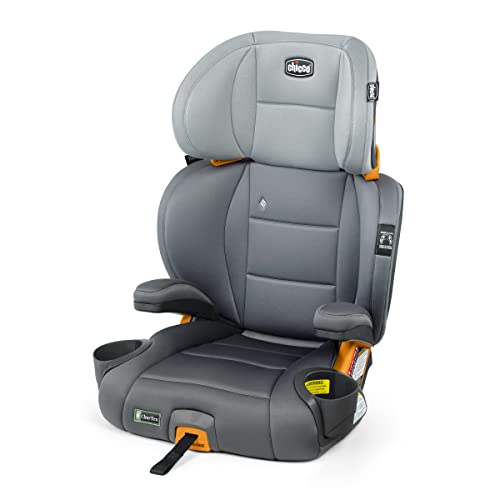
Chicco KidFit ClearTex Plus
Strengths
- Flame retardant-free fabric
- Excellent LATCH system
- Superior side impact protection
- Plush ergonomic seat
Trade-offs
- Heavier than average
- Pricier upfront
- Backrest removal requires tools
The Chicco KidFit ClearTex Plus hits a sweet spot between safety, comfort, and ease of use. Its DuoGuard system provides extra head and torso protection, and the 10-position headrest adjusts from the waist up, a rare feature that keeps the shoulder belt properly aligned. The LATCH system with SuperCinch tightener makes installation rock-solid, and the quick-release clip lets you remove the seat with one hand, which parents really appreciate.
It’s also one of the few boosters with flame-retardant-free fabrics that still meet federal standards, a big win for health-conscious families. The double foam padding and reclining backrest add comfort, and the CupFolders stay out of the way when not in use. While it’s not the cheapest, it justifies its price with thoughtful design. I’d pick this over the Graco and Evenflo models for daily use.
Product photos


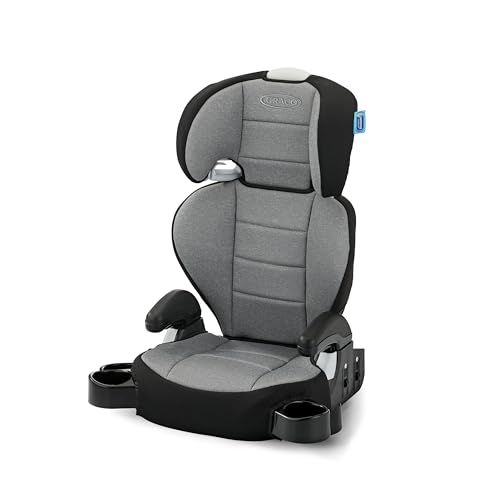
Graco TurboBooster 2.0 Highback
Strengths
- Affordable
- Lightweight
- Easy belt routing
Trade-offs
- Basic padding
- Limited headroom
- Fewer adjustments
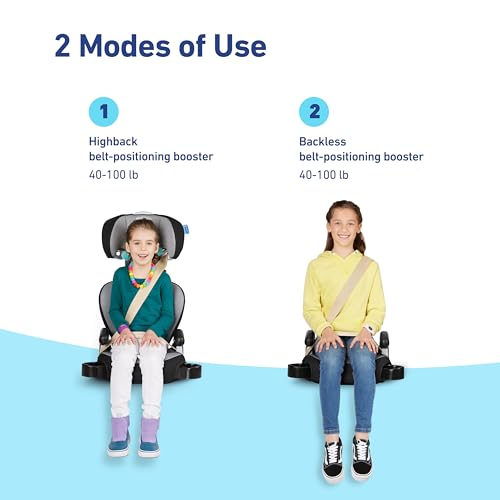
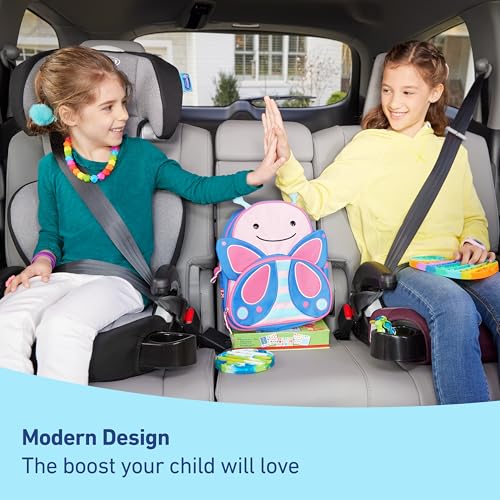
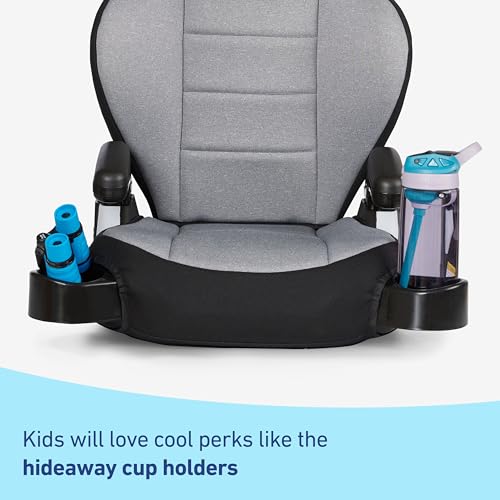
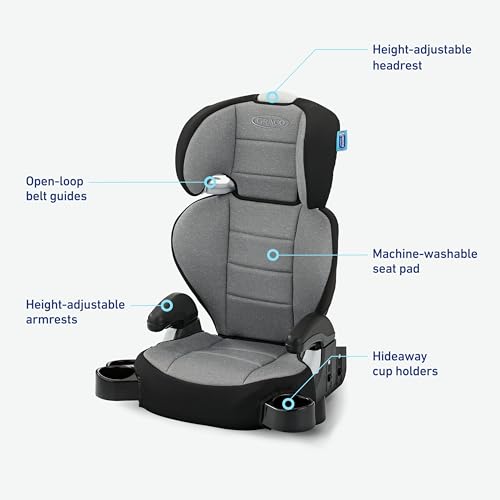
For families who want a no-frills booster that gets the job done without breaking the bank, the Graco TurboBooster 2.0 stands out as a solid value pick. On paper, it covers the essentials, convertible from highback to backless, with adjustable head support and open-loop belt guides that help older kids buckle themselves in safely. Owners consistently report it’s lightweight and easy to move between cars, which is a win for carpooling or multi-vehicle households.
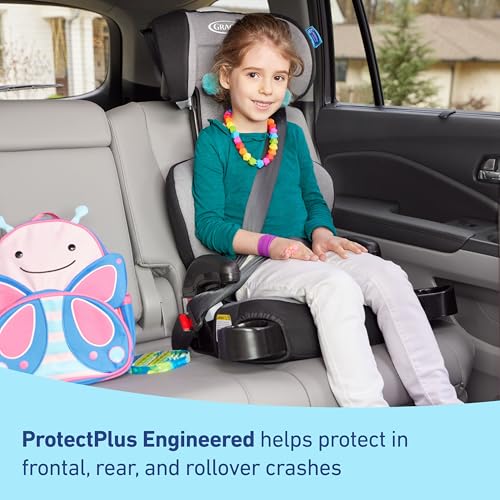
Where it falls short is in long-haul comfort and adjustability. Compared to pricier models like the Britax Skyline, the padding feels thinner and the headrest doesn’t lift as high, so taller kids may outgrow it sooner. But for the price, it delivers reliable safety through Graco’s ProtectPlus engineering, and I’d consider it a smart entry-level choice for average-sized kids.
Product photos
Diono Airi Lightweight Booster
Strengths
- Ultra-lightweight
- Folds flat
- 3-across compatible
- Meets latest safety standards
Trade-offs
- Limited headrest adjustment
- Thin padding
- Not for daily long-term use
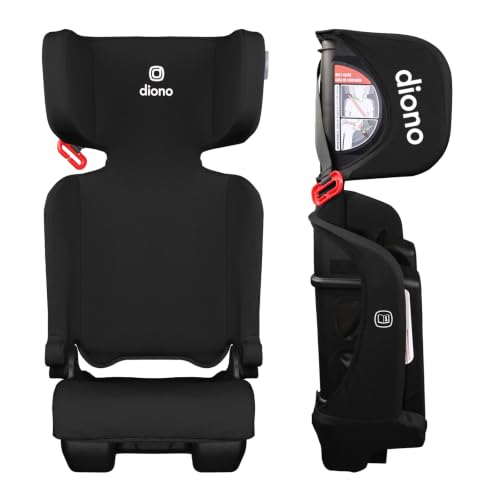
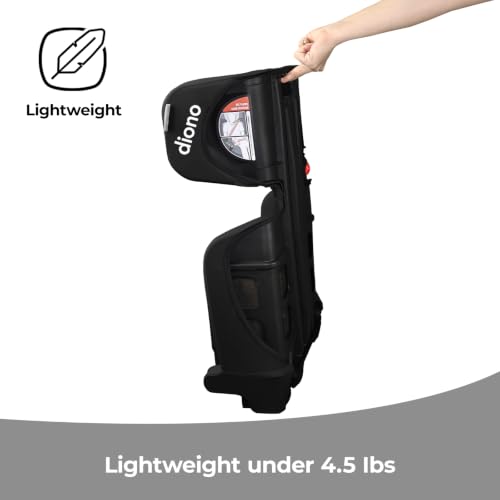
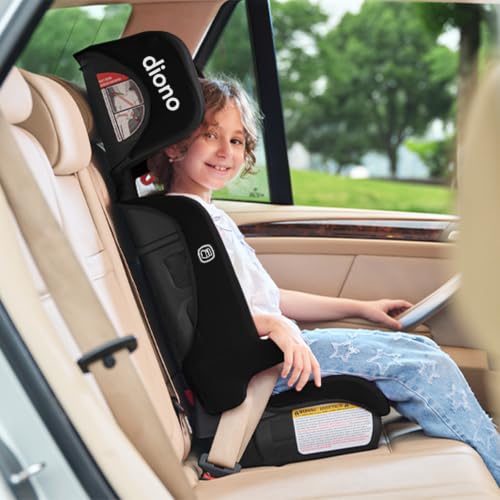
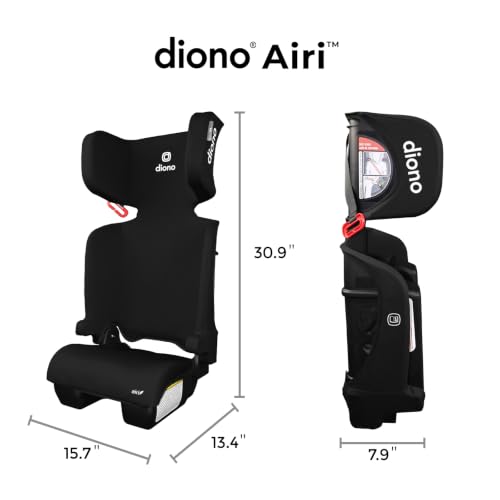
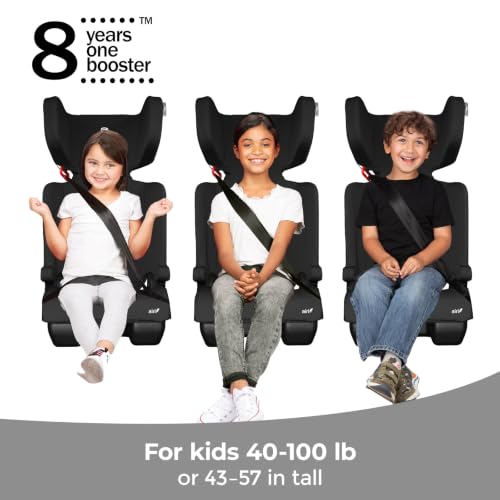
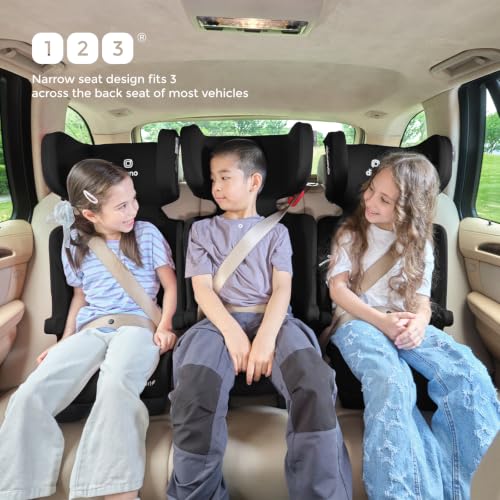
The Diono Airi is the clear winner for portability. At just 4.1 pounds and foldable into a compact shape, it’s built for travel, perfect for grandparents’ cars, rideshares, or vacations. Despite its light weight, it still meets the latest frontal impact standards, and the precision belt guides help maintain proper positioning. Owners love that it fits three across in tight rows, thanks to its narrow 17-inch profile.
Comfort is decent, though not luxurious. The padding is minimal, and the headrest only has one adjustment point, so you’ll need to reposition it often as your child grows. But for a travel-specific booster, those are reasonable compromises. I’d pack this over any other if I were constantly moving seats between vehicles.
Product photos
Graco Tranzitions 3-in-1 Booster
Strengths
- 3-in-1 versatility
- Easy harness adjustment
- Long lifespan
- Lightweight
Trade-offs
- Thin padding
- Average side impact protection
- Belt routing can snag
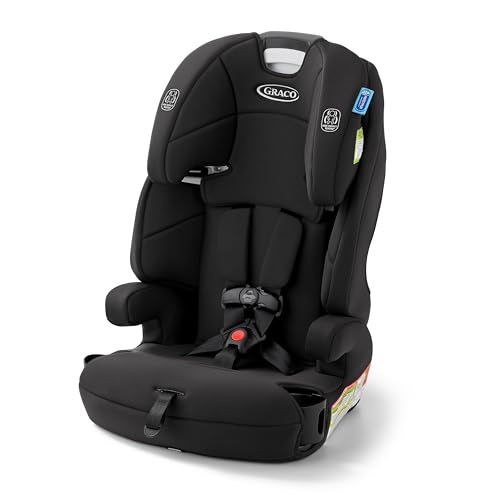
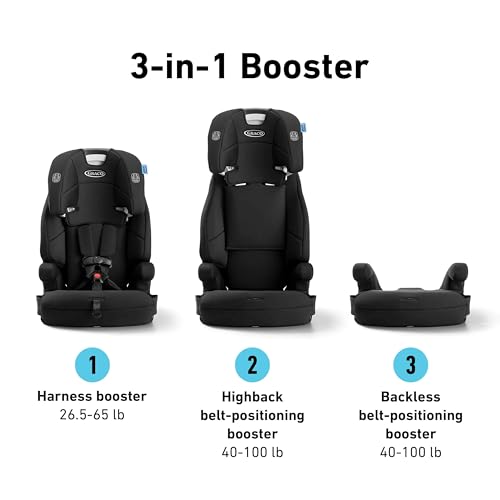
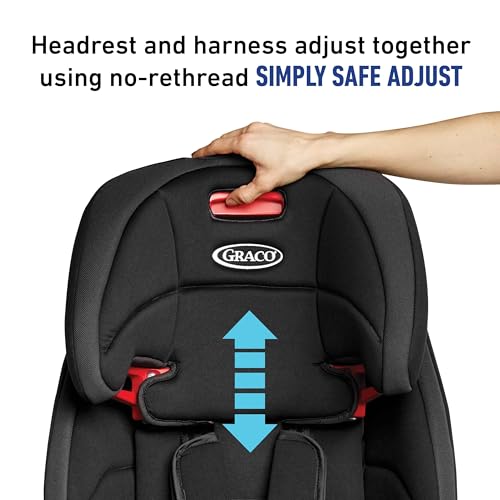
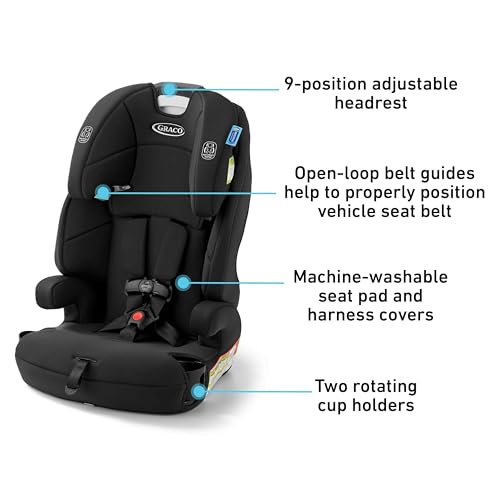
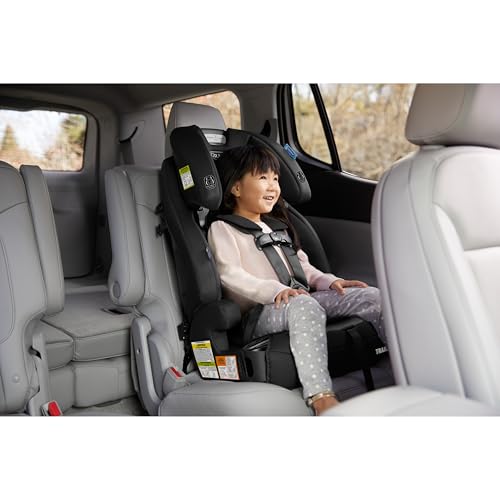
What makes the Tranzitions unique is its 3-in-1 design, it starts as a harnessed seat for toddlers as light as 26.5 pounds, then converts to highback and finally backless booster. That kind of longevity is a big deal for parents trying to minimize seat swaps. The No-Rethread Simply Safe Adjust system lets you raise the harness and headrest together, which owners say is faster and less frustrating than rethreading straps.
But it’s not the most comfortable in highback mode. The seat cushion is minimal, and once your child hits the 40-pound mark and moves to booster mode, the shell doesn’t offer as much side protection as the Britax or Chicco. Still, for a family with a younger toddler who wants one seat to cover multiple stages, this is a strong contender. I’d choose it over the basic TurboBooster if you need that harness phase.
Product photos
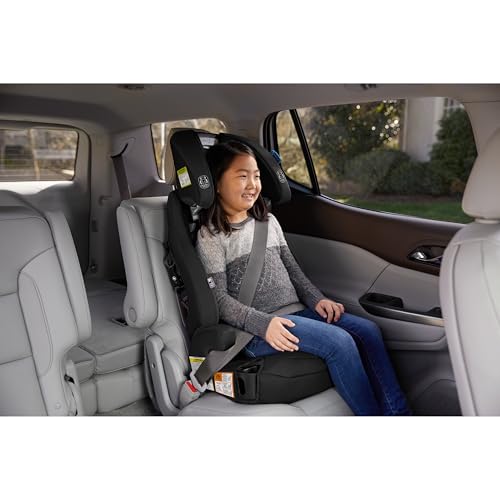
Safety 1st Grow and Go

Strengths
- Lateral headrest expansion
- Narrow base
- Foldable design
Trade-offs
- Flimsy plastic build
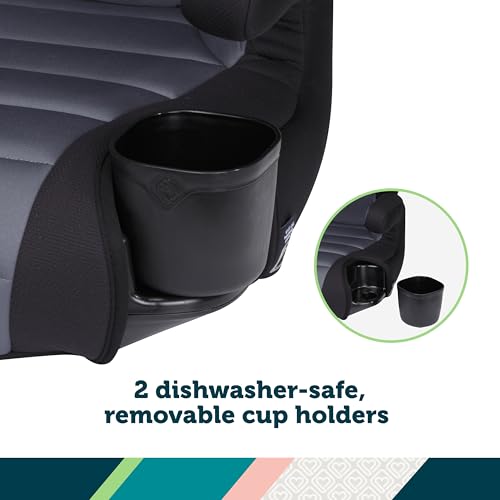
- Cup holders wobble
- Not truly slim when expanded
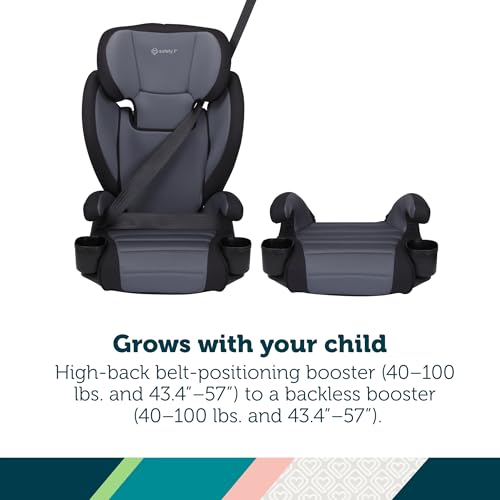
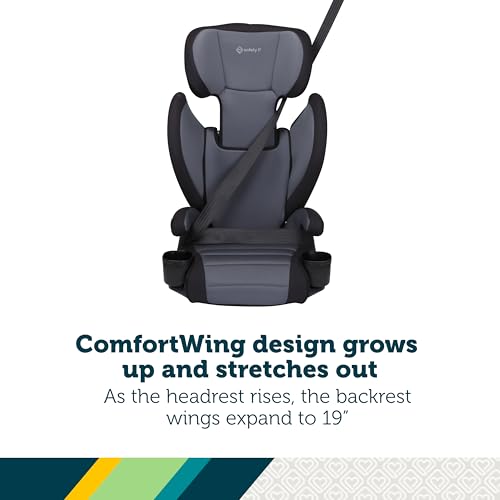
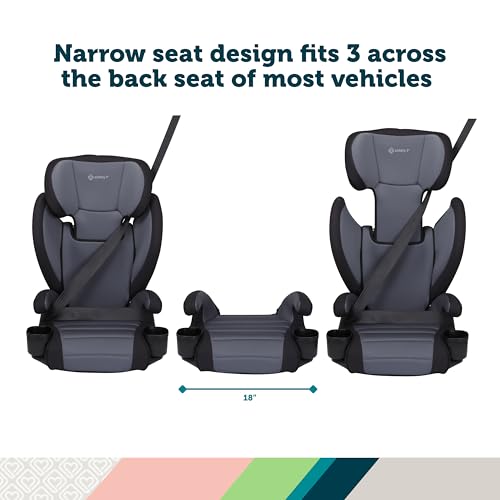
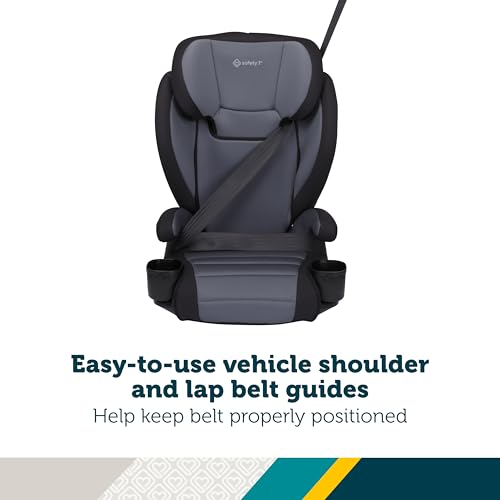
The standout here is the ComfortWings design, this seat actually expands laterally as the headrest rises, which is rare in this category. For wider kids who usually feel pinched in standard boosters, that stretch-out feature makes a real difference. Owners appreciate the slim profile too, since it leaves more room for siblings in the back, and the foldable frame adds portability points.
It’s not without quirks. The 19-inch width might be too wide for some three-across setups despite the ‘slim’ claim, and the plastic feels a bit hollow compared to Britax or Chicco. Still, the 10-position headrest and machine-washable pad add practical value. I’d recommend this for families with broad-shouldered kids who need room to grow in both directions, up and out.
Product photos
How We Picked These high back booster seats
Rather than a hands-on lab test, my research focused on a detailed comparison of published specifications and features across numerous high back booster seat models. I weighed owner reviews from major retailers alongside expert assessments from sources like Consumer Reports and the National Highway Traffic Safety Administration (NHTSA). This process allowed me to rank seats based on a combination of safety features, comfort indicators, and practical usability, reflecting real-world parent needs.
For high back boosters, safety, adjustability, and longevity are paramount. I prioritized seats with robust safety features, specifically those offering side-impact protection and clear belt-positioning systems. Adjustability is key, as children grow quickly, and a seat that adapts well will offer better value. Finally, a booster that transitions from a high-back to a backless model extends its useful life, making it a more sustainable purchase.
Specifications reliably indicate a seat’s weight and height limits, plus the number of adjustment points. However, owner feedback proved crucial in assessing real-world comfort and ease of use. I paid close attention to comments about fabric quality, cup holder placement, and how easily the seat fits into various vehicles. Reputation, based on expert reviews and brand history, also factored into my final assessments.
How To Choose The high back booster seats
Choosing the right high back booster seat requires a bit more thought than simply picking a cute pattern.
A good high back booster seat prioritizes a secure fit with the vehicle’s seatbelt system, offers adjustable features to accommodate a growing child (typically 40-120 lbs and 43-63” tall), and is constructed with durable materials and energy-absorbing technology to maximize safety in the event of a collision. Look for clear labeling indicating weight and height limits, and confirm the seat has passed all relevant safety standards.
Head and Torso Protection
Beyond simply lifting a child to the correct height for the seatbelt, a booster’s head and torso protection is critical. Many models offer side impact protection, but pay attention to the overall design of the headrest. A wraparound headrest, like those found on the Chicco KidFit ClearTex Plus, provides more thorough support than a simple, upright design. Consider how the headrest adjusts – a single-hand adjustment is a convenience, but the quality of the ratchet mechanism matters. A flimsy adjustment system won’t hold its position securely.
Adjustability and Growth
Kids grow quickly, so a booster seat’s ability to adapt is essential. Don’t underestimate the importance of a high-position headrest. Many boosters adjust height, but some, like the Safety 1st Grow and Go, feature expanding ComfortWings that accommodate wider shoulders as a child grows. This prevents a child from outgrowing the width of the booster before reaching the height limit.
- A basic height-adjustable headrest is the minimum.
- Look for a seat that adjusts both headrest height and backrest width to truly grow with your child.
- A booster that converts to a backless model offers the most long-term value, but ensure the transition is straightforward and doesn’t compromise safety.
Portability and Convenience
If you frequently travel or switch vehicles, portability becomes a major factor. The Diono Airi Lightweight Booster stands out here, weighing just 4.1 lbs and folding for easy storage. However, lightweight often means less padding, so there’s a trade-off. Consider if you prioritize a compact, easy-to-move booster, or one with more substantial cushioning and features.
A booster seat should be easy to install and uninstall in different vehicles. Regularly check the seat’s stability and ensure the vehicle seatbelt fits snugly through the belt guides.
High Back Booster Seats Compared
This table provides a reference comparison of key specifications for popular high back booster seats.
| Product Title | Weight Capacity (lbs) | Height Capacity (in) | 2-in-1 Convertible | Cup Holders | Adjustable Headrest |
|---|---|---|---|---|---|
| Britax Skyline 2-Stage Booster | 40-120 | Up to 63 | Yes | Yes | Yes (10 positions) |
| Evenflo GoTime LX Booster | 40-120 | N/A | Yes | Yes | Yes (7 positions) |
| Chicco KidFit ClearTex Plus | N/A | N/A | Yes | Yes | Yes (10 positions) |
| Graco TurboBooster 2.0 Highback | N/A | N/A | Yes | Yes | Yes |
| Diono Airi Lightweight Booster | 40-100 | 43-57 | No | No | Yes |
| Graco Tranzitions 3-in-1 Booster | 26.5-100 | N/A | Yes | Yes | Yes (9 positions) |
| Safety 1st Grow and Go | 40-100 | 43.4-57 | Yes | Yes | Yes (10 positions) |
Frequently Asked Questions
What’s the average lifespan of a high back booster seat?
A high back booster seat typically lasts 4-6 years, depending on a child’s growth rate and the seat’s adjustability features. Convertible models that transition to backless boosters offer the longest use, potentially extending beyond the high-back stage.
Are all high back booster seats equally easy to install?
No, installation ease varies significantly. Seats with clearly marked LATCH connectors and straightforward belt guides (like the Britax Skyline) are generally easier to install securely than those relying solely on the vehicle’s seatbelt.
How much does the weight of the booster seat matter?
Weight matters if you plan to move the booster between vehicles frequently. The Diono Airi, at only 4.1 lbs, is exceptionally lightweight, but heavier seats often have more padding and features.
What is the benefit of a 2-in-1 convertible booster seat?
A 2-in-1 booster extends its usefulness by converting to a backless booster when a child outgrows the high-back portion. This saves money and reduces the need to purchase a separate booster later, although it does not change the weight or height limits.
What safety features should I prioritize when choosing a booster?
Side-impact protection and a secure belt-positioning system are the most important safety features. Look for a seat with a wraparound headrest and adjustable shoulder guides to ensure the seatbelt fits correctly across your child’s body.
What Actually Matters
Choosing a high back booster seat often comes down to balancing immediate comfort with long-term value. While features like cup holders and lightweight designs are nice-to-haves, the most important aspect is a secure fit and adjustability. For overall performance and a blend of features, the Britax Skyline 2-Stage Booster consistently rises to the top, it’s a well-respected seat with excellent adjustability and a strong safety record.
If you’re looking for specific solutions, we have recommendations too. For parents prioritizing portability, the Diono Airi Lightweight Booster is a clear winner. Those needing a budget-friendly option that still delivers on safety should consider the Graco TurboBooster 2.0 Highback. And for growing children, the Safety 1st Grow and Go’s expanding ComfortWings will help extend its useful life.
Ultimately, the best booster seat isn’t about the flashiest features or the lowest price. It’s about finding a seat that fits your child, your vehicle, and your lifestyle, and using it correctly every single time. Prioritize a secure installation, proper belt positioning, and regular adjustments as your child grows, those fundamentals matter far more than any individual specification.
