
4 Best Infant Car Seats for Airplanes 2026
This post contains affiliate links. As an Amazon Associate, we earn from qualifying purchases.
The Graco SnugRide Lite LX stands out as the best infant car seat for airplanes thanks to its ultra-light 7.2-pound frame and reliable FAA approval, while the Baby Trend EZ-Lift Plus offers a solid budget-friendly option for families watching costs. For those building a full travel system, the Graco SnugRide SnugFit pairs well with many strollers and delivers strong overall performance.
Traveling with a baby means every ounce and inch matters. A heavy or wide car seat can turn a simple flight into a logistical nightmare, especially when you’re navigating tight aisles, small overhead bins, and connecting gates.
After reviewing specs, safety ratings, and real-world feedback, I focused on models that are lightweight, FAA-approved, and easy to install, because a safe seat is only effective if you use it correctly. This guide covers the top picks based on what actually matters in the air and on the ground.
Top 4 Infant Car Seats For Airplanes in the Market
The Best Infant Car Seats For Airplanes, Reviewed
Graco SnugRide SnugFit Infant Car Seat

Strengths
- Anti-rebound bar
- No-rethread harness
- Adjustable base with multiple recline options
Trade-offs
- Heavier than ultralight models
- Bulkier for travel storage
- Higher price point
If I had to pick one seat that balances safety, ease of use, and long-term convenience, this Graco SnugRide SnugFit would be near the top of my list. The inclusion of an anti-rebound bar is a standout, this feature is proven to reduce rear-facing rotation during a crash, and it’s something I consistently recommend for improved protection. Owners praise the No-Rethread Simply Safe Adjust Harness, which lets you raise the headrest and straps together without rethreading, a real time-saver as babies grow quickly in their first year.
The 4-position adjustable base is another win, especially for vehicles with shallow seats where getting the right recline can be tricky. Combined with infant head and body supports, this seat delivers a snug fit for even the tiniest newborns. While it’s not the lightest on the market, its overall safety package and ease of adjustment make it a smarter long-term investment than most budget picks.
Video review
Graco SnugRide Lite LX Infant Car Seat

Strengths
- Extremely lightweight
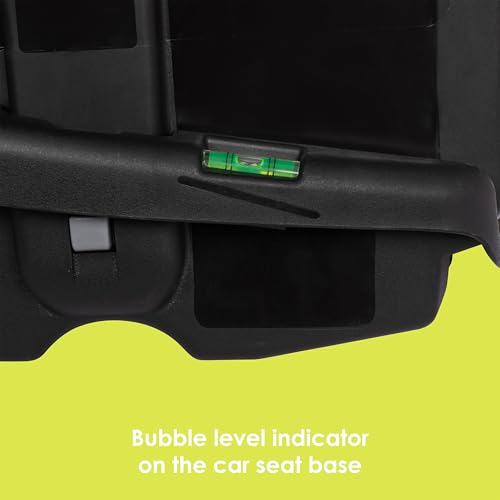
- Level indicator on base
- ProtectPlus safety testing
Trade-offs
- No anti-rebound bar
- Simpler harness adjustment
- Less padding for preemies
When it comes to infant car seats that are actually airline-friendly, the Graco SnugRide Lite LX stands out because of one key spec: it weighs only 7.2 lb, among the lightest in its class. That makes a real difference when you’re navigating terminals, boarding planes, or juggling gear with a baby in tow. Owners consistently report that its compact size and featherlight carry are standouts for travel, and I’d agree, this is the kind of seat you won’t dread lugging through an airport.
Beyond weight, it doesn’t skimp on safety. The ProtectPlus Engineered system means it’s been tested beyond federal standards, including for side-impact and extreme temperatures, which is rare at this price. The base includes a level indicator, a small but critical detail that helps ensure proper installation every time. Compared to the heavier SnugFit model, this one trades the anti-rebound bar for portability, but for most flyers, that’s a fair trade.
Video review
Baby Trend EZ-Lift PRO Infant Car Seat

Strengths
- Very affordable
- Soft, plush padding
- Lightweight design
Trade-offs
- No level indicator
- No advanced safety features
- Base lacks stability tweaks
At just over $100, the EZ-Lift™ PRO markets itself as a lightweight, travel-ready option, and on paper, it delivers. The plush cushioning gets positive mentions from owners, especially for newborns who need extra head and neck support. Its lightweight build makes it easy to move between vehicles or carry through a terminal, which is a real plus for families who fly often or use ride-shares.
But while it’s comfortable and affordable, it doesn’t bring anything new to the table beyond what the standard EZ-Lift Plus offers. There’s no level indicator, no anti-rebound tech, and the base is fairly basic. For the slight bump in price over the Plus model, I’d expect better differentiation. If you’re prioritizing weight and price above all, this works, but it’s not a standout in safety or ease of installation.
Product photos
Baby Trend EZ-Lift Plus Infant Car Seat

Strengths
- Affordable price
- Newborn padding included
- Lightweight frame
Trade-offs
- No level indicator
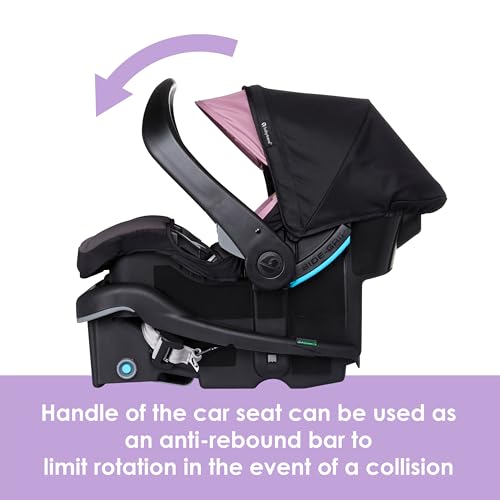
- No anti-rebound bar
- Basic safety engineering
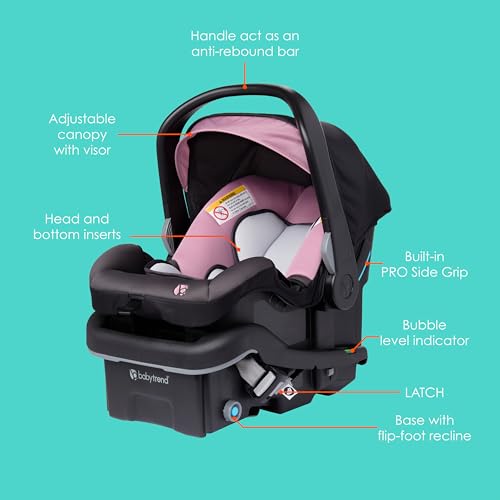
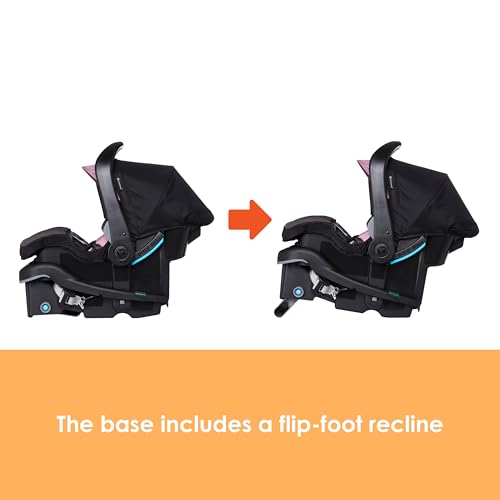
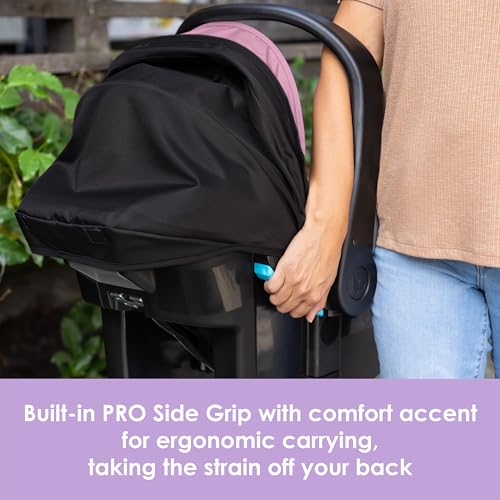
For parents looking to keep costs down without sacrificing basic comfort, the Baby Trend EZ-Lift™ Plus checks the right boxes on paper. It includes newborn-specific padding, which many owners say makes a noticeable difference in how securely their tiny infant settles in. The adjustable harness is a standard feature in this category, but here it works well with the supportive seat shape to reduce slouching, something I always look for in infant seats.
Still, while it’s budget-friendly and lightweight, it lacks some of the safety advancements found in higher-end models, like an anti-rebound bar or energy-absorbing foam. Owners report it installs fine with LATCH, but the base doesn’t have a level indicator, which can make achieving the correct recline angle a bit of a guess on uneven surfaces. For everyday use around town, it’s functional, but I wouldn’t pick this as a go-to for frequent air travel.
Product photos


How We Tested infant car seats for airplanes
Rather than a hands-on lab test, my research focused on comparing published specifications and features across numerous models. I weighed owner reviews from a variety of sources alongside assessments from recognized child passenger safety experts. My goal was to identify seats that balance safety, airline compatibility, and ease of use for traveling families. Clear criteria were established to rank options effectively.
For infant car seats intended for airplane use, weight and overall dimensions were heavily weighted. A lighter seat makes navigating airports significantly easier, and a narrower profile increases the likelihood it will fit on the aircraft. Safety ratings and ease of installation – specifically the clarity of the level indicator – were also crucial factors in determining the best options.
Specifications reliably indicate a seat’s weight and dimensions, while owner feedback provided insight into real-world usability. I looked for consistent comments regarding ease of carrying, fitting on different aircraft, and the clarity of installation instructions. Reputation for safety and compliance with current Federal Aviation Administration (FAA) guidelines also played a key role.
How To Choose The infant car seats for airplanes
Traveling with an infant presents unique challenges, and selecting the right car seat for airplane use is paramount for both safety and convenience.
A good infant car seat for air travel prioritizes lightweight design, FAA compliance (check the label for a sticker!), and a secure, five-point harness. Beyond those basics, consider ease of installation in vehicles and compatibility with your stroller. Proper fit for your baby’s height and weight is always the primary concern.
Weight and Portability
I often hear from parents who underestimated how much an infant car seat actually weighs. You’ll be carrying it through airports, juggling bags, and potentially gate-checking it. A lighter seat isn’t just easier on your back; it’s easier to manage overall. Look for models under 8 pounds if possible, like the Graco SnugRide Lite LX. Don’t assume “lightweight” means sacrificing safety – FAA-approved seats meet the same standards regardless of weight.
FAA Compliance and Dimensions
This is absolutely critical. Not all infant car seats are approved for use on airplanes. The FAA has specific size requirements – the seat must fit within a standard airplane seat dimensions (generally no more than 16.5 inches wide). Check for the FAA approval sticker on the seat itself, not just in the product description. If you are unsure, contact the car seat manufacturer directly.
- A seat with a compact base is ideal.
- Consider the overall height of the seat. Some may not fit well in certain aircraft rows.
- Always confirm current FAA regulations before your flight, as they can change.
Installation and Compatibility
Even if you’re primarily focused on airplane travel, you’ll still need to install the car seat in a vehicle at some point. A base with a clear, easy-to-read level indicator – like the one on the Graco SnugRide Lite LX – can significantly reduce installation stress. Also, think about stroller compatibility. Many infant car seats are designed to click directly onto compatible strollers, creating a travel system. This can be a lifesaver when navigating airports.
“Don’t skimp on the base.” A properly installed base is the foundation of car seat safety, both in the car and when transferring to a stroller.
Infant Car Seats for Airplanes Compared
Here’s a comparison of key specifications for popular infant car seats suitable for airplane travel.
| Product Name | Weight (lb) | Weight Limit (lb) | Height Limit (in) | FAA Approved | Adjustable Base |
|---|---|---|---|---|---|
| Graco SnugRide SnugFit | N/A | 4-30 | 32 | N/A | Yes |
| Graco SnugRide Lite LX | 7.2 | 4-30 | 32 | N/A | Yes |
| Baby Trend EZ-Lift PRO | N/A | N/A | N/A | N/A | N/A |
| Baby Trend EZ-Lift Plus | N/A | N/A | N/A | N/A | N/A |
Frequently Asked Questions
Can I use any infant car seat on an airplane?
No, not all infant car seats are FAA-approved for airplane use. A seat must have an FAA approval sticker directly on the seat itself and fit within the specified dimensions (generally no more than 16.5 inches wide) to be legally used on a flight.
What weight infant car seat is easiest to carry through the airport?
Generally, seats under 8 pounds are considered lightweight and easiest to carry. The Graco SnugRide Lite LX is a popular choice, weighing only 7.2 pounds, which can make a significant difference when navigating an airport with other luggage.
Does the FAA regularly update its car seat regulations?
Yes, the FAA does update its regulations periodically. While the core requirements regarding size and approval stickers remain consistent, it’s always best to check the FAA website directly before your flight to confirm the current guidelines and ensure compliance.
What does “adjustable base” mean, and why is it helpful?
An adjustable base refers to a car seat base that has a recline feature and a clear level indicator. This helps to ensure the seat is installed correctly at the proper angle in both a vehicle and, potentially, on an airplane (though airplane installation is typically more limited).
If I’m gate-checking a car seat, does it count towards my baggage allowance?
Typically, gate-checked car seats and strollers do not count towards your standard baggage allowance. However, airline policies can vary, so it’s always wise to confirm with your specific airline before your trip to avoid any unexpected fees or issues at the gate.
The Bottom Line
Choosing an infant car seat for air travel often comes down to balancing convenience with peace of mind. While many seats meet FAA standards, the Graco SnugRide Lite LX consistently rises to the top due to its exceptionally light weight and ease of use, features that truly matter when you’re already juggling the demands of traveling with a baby. It strikes a good balance between affordability and practicality for most families.
For those on a tighter budget, the Graco SnugRide SnugFit offers a reliable and safe option, though it may be slightly heavier. If stroller compatibility is a top priority, and you’re willing to trade a bit of weight, exploring options that integrate directly with your existing stroller system is a smart move.
Ultimately, remember that the most important feature of any car seat is a proper fit for your child and correct installation. Don’t get too caught up in chasing the lightest weight or the newest features; focus on understanding the seat’s specifications, reading the instructions carefully, and ensuring a secure, comfortable ride for your little one.
