
7 Best Lightweight Travel Car Seats 2026
This post contains affiliate links. As an Amazon Associate, we earn from qualifying purchases.
The WAYB Pico stands out as the best overall lightweight travel car seat for its rock-solid safety, true portability, and FAA approval, while the UberBoost offers a smart budget-friendly option for older kids who need a booster. For families wanting long-term use, the Safety 1st Ellaris 3-in-1 adds versatility without major bulk.
Traveling with a car seat shouldn’t mean lugging a heavy, awkward seat through airports or struggling to install it in a rental car. Too many parents end up choosing between safety and convenience, only to realize too late that their seat doesn’t fly or won’t fit in a taxi.
As a mom and child safety advocate, I focused this guide on real-world usability, safety certifications, and what traveling families actually need. These picks are based on specs, owner feedback, and years of researching child passenger safety, not just marketing claims.
Top 7 Lightweight Travel Car Seats in the Market
The Best Lightweight Travel Car Seats, Reviewed
WAYB Pico Travel Car Seat

Strengths
- Fits in overhead bin
- FAA approved
- Extremely lightweight
Trade-offs
- Very high price
- Narrow weight range
- Only forward-facing
The WAYB Pico is in a different league, both in price and innovation. At nearly $620, it’s the most expensive option here, but it’s also the only one designed from the ground up as a true portable, FAA-approved, forward-facing seat that folds down to fit in an overhead bin. Weighing just 8 pounds and made with aerospace-grade materials, it’s built for families who fly often and refuse to rent questionable car seats.
Owners consistently say it’s a standout for travel, light to carry, easy to install, and surprisingly comfortable for kids. The AstroKnit fabric breathes well, and the fold-and-go design is seamless. My only hesitation is the cost and the narrow size range, it only works for kids 26.5–50 lbs. But if you travel monthly and value safety and convenience, this is the closest thing to a must-have.
Video review
UberBoost Inflatable Booster Seat
Strengths
- Ultra portable
- Inflates quickly
- Meets safety standards
Trade-offs
- Not for harness users
- Less structural support
- Not for daily use
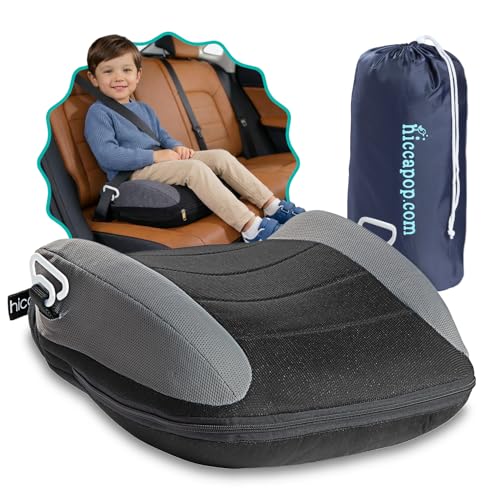
The UberBoost inflatable booster is a clever solution for families who need a seat on the fly, especially when riding in taxis, rental cars, or flying into destinations. On paper, its ability to inflate in under 20 seconds and pack down into a small travel bag is game-saving for travel convenience, and owners consistently report how it’s been a lifesaver during last-minute trips. It meets FMVSS 213 safety standards, which is essential, and the non-skid base helps keep it stable on different seat materials.
Still, I’m cautious recommending it as a primary booster. It’s only a belt-positioning booster, so it’s not suitable for younger kids who still need a harness. The inflatable design, while portable, doesn’t offer the structural rigidity of traditional seats, some reviewers note it feels less secure during sudden stops. For occasional use with an older child, it makes sense. But I wouldn’t rely on it daily.
Video review
Safety 1st Ellaris 3-in-1 Car Seat
Strengths
- Rear-facing from 5 lbs
- Slim fit
- Meets side-impact standards
Trade-offs
- Headrest adjustment not one-hand
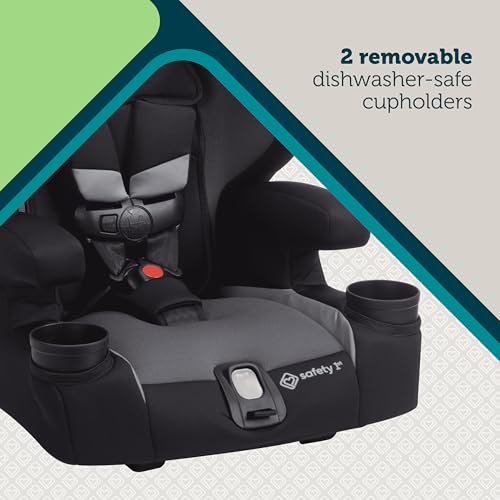
- No cup holders in base
- Bulkier than travel-only seats
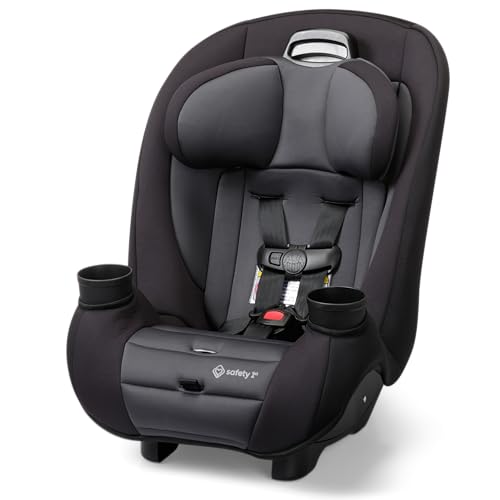
The Ellaris stands out for being a full convertible seat that doesn’t take up the whole back row. Its slim fit is a real advantage in compact SUVs or sedans, and it’s FAA-approved, making it one of the few convertible seats you can actually use on a plane. It supports rear-facing from 5 lbs, which is critical for infant safety, and transitions to forward-facing up to 65 lbs. That kind of longevity is exactly what I recommend for maximizing both safety and value.
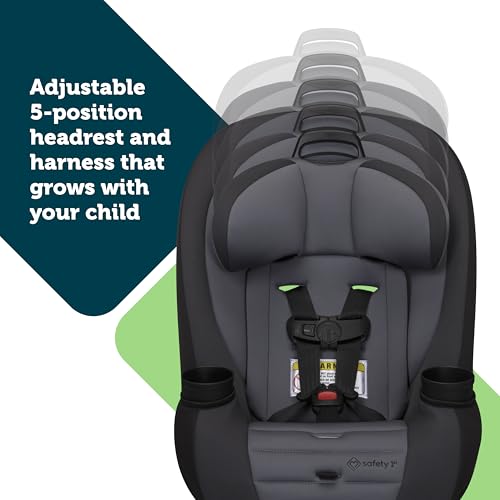
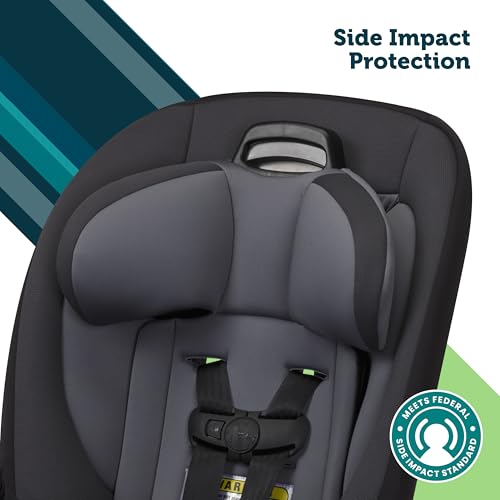
Owners praise the ease of LATCH installation and the durable, washable fabric. It’s also one of the few in this category that meets federal side-impact standards, which gives me more confidence in crash protection. The headrest adjusts in 5 positions, though it’s not one-handed like some pricier models. Still, for a seat that covers so many stages, it’s impressively well-rounded.
Product photos


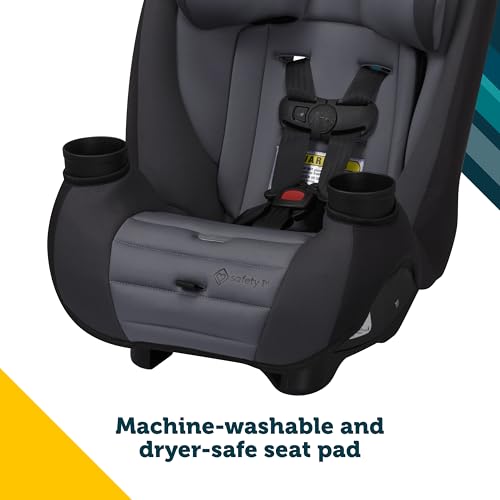
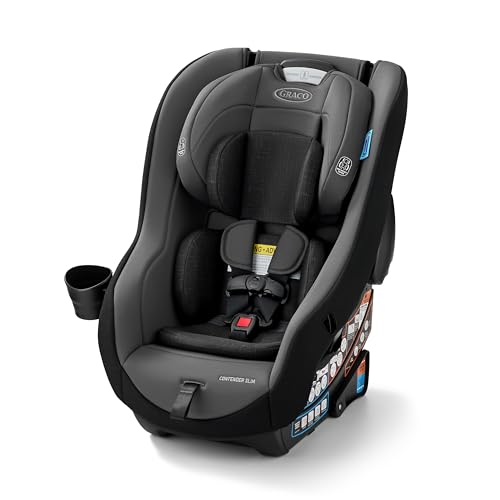
Graco Contender Slim Convertible Seat
Strengths
- Slim for tight spaces
- FAA approved
- Easy to install
Trade-offs
- No cup holders
- Minimal padding
- Higher price than basic models
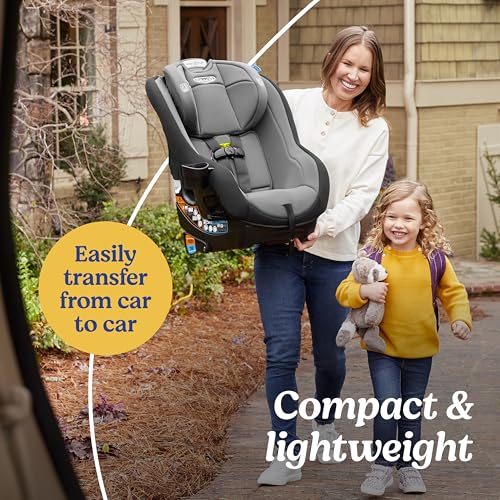
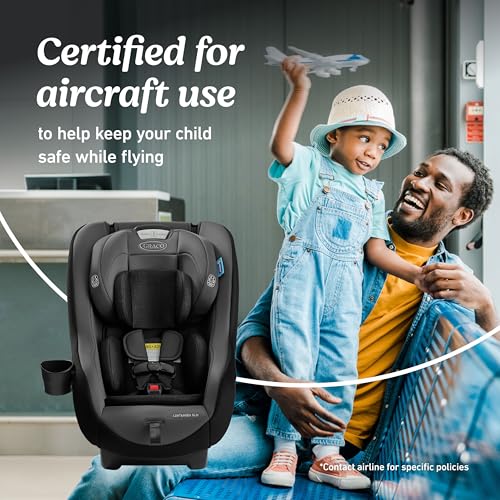
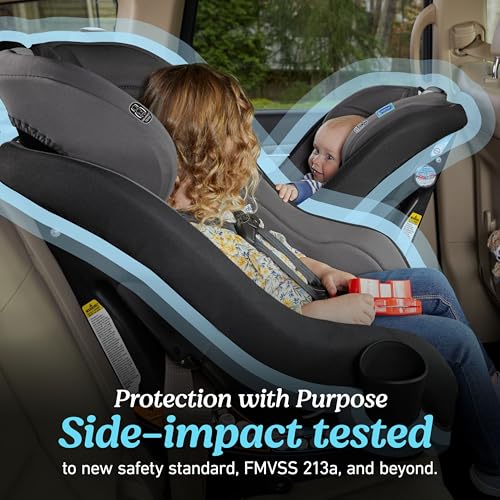
Graco’s Contender Slim is one of the most balanced options for parents who want a convertible seat that doesn’t dominate the back seat. The slim design is genuinely helpful for three-across setups, and at around 11 pounds, it’s light enough to transfer between cars, something many parents struggle with. It’s also FAA-approved, so it can be used on planes, which is still rare in this category.
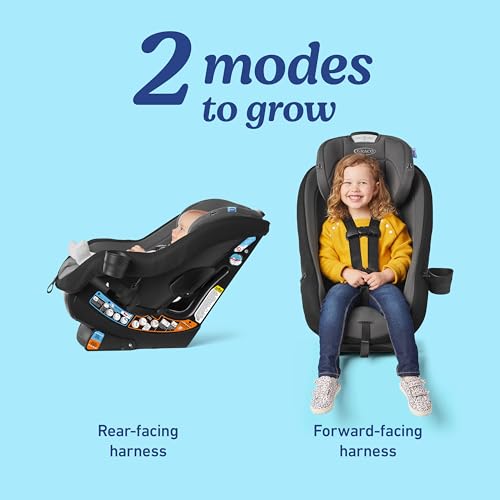
It supports rear-facing from 5 lbs, which is standard, and includes Graco’s ProtectPlus engineering for enhanced crash protection across multiple angles. Owners report smooth LATCH installation and solid build quality. Compared to the Ellaris, it’s slightly less feature-rich (no dishwasher-safe cup holders), but it’s more travel-focused. For a do-it-all seat that’s actually easy to move, it’s hard to beat.
Product photos

Evenflo GoTime LX Booster Seat
Strengths
- One-hand height adjustment
- Deep side support
- Two modes (highback/backless)
Trade-offs
- Wider design
- No travel carry handle
- Not ultra-light
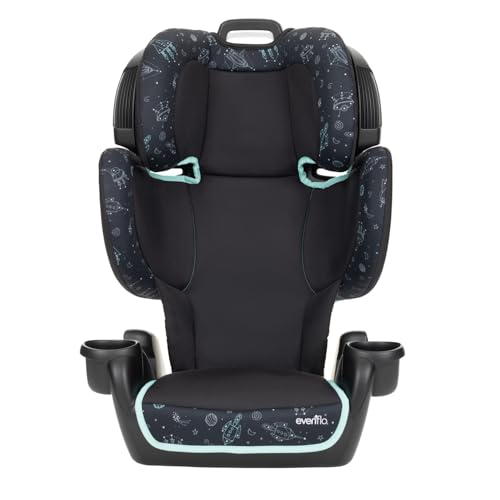
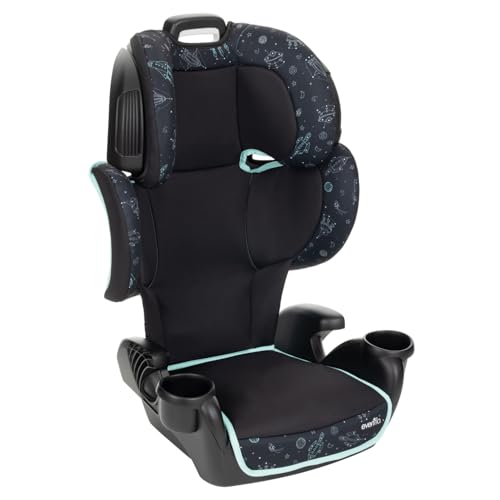
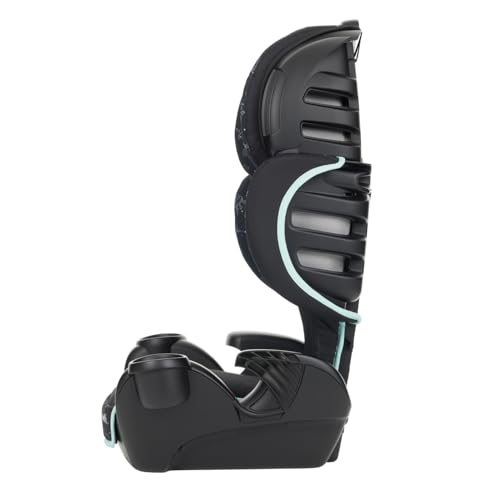
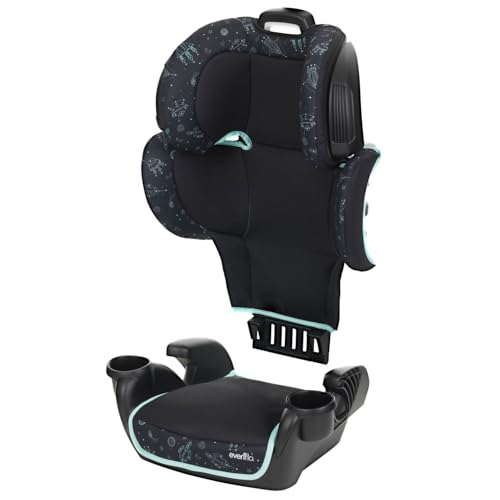
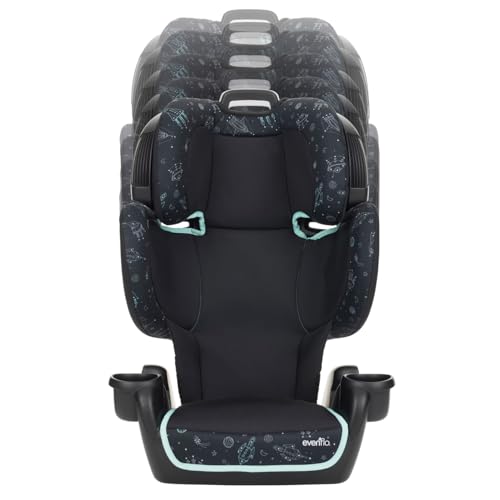
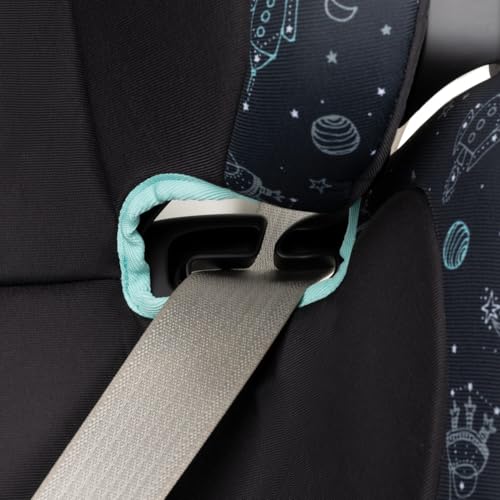
At this price, the GoTime LX delivers solid value with a no-nonsense design that focuses on core booster functionality. It offers both highback and backless modes, and the 7-position headrest adjusts with one hand, something not all budget seats get right. The deep side wings provide better head support than most in this range, and owners say it’s surprisingly stable, even in older vehicles with less supportive seats.
It’s a bit wider than the Safety 1st models, so fitting three across might be tight. And while it’s FAA-approved, it’s not marketed as travel-friendly, no carrying handle or compact fold. But for a family that needs a dependable second car seat or a first booster for a growing child, it’s a reliable, no-frills pick. I’d choose it over cheaper no-name brands any day.
Product photos
Baby Trend Protect Folding Booster

Strengths
- True fold-flat design
- Lightweight
- Easy storage
Trade-offs
- No harness mode
- No side-impact protection
- Not FAA approved
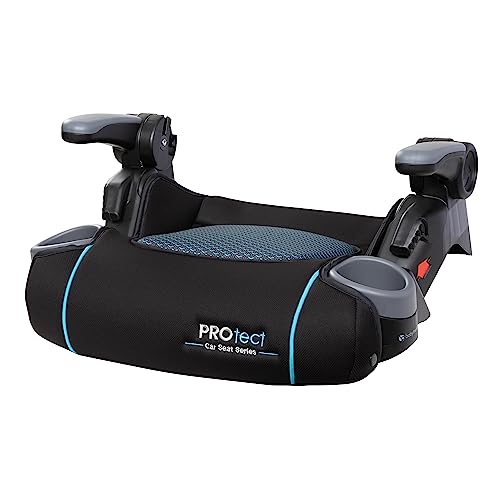
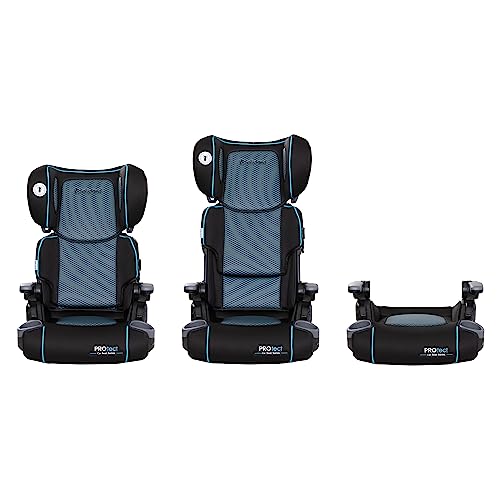
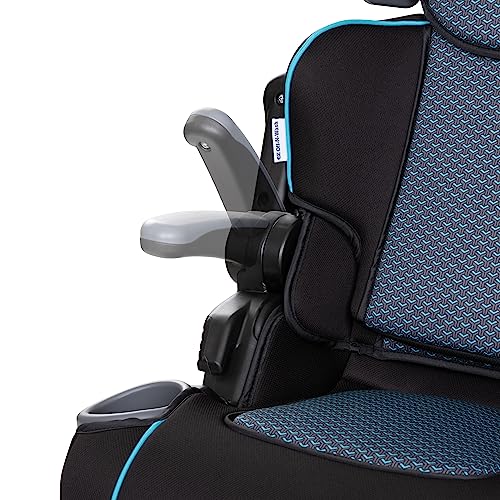
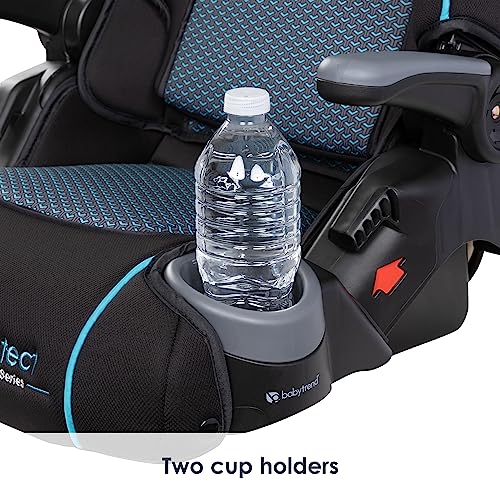
The Baby Trend Protect stands out purely for its folding design, this one actually flattens down like a suitcase, making it incredibly easy to store in a trunk or closet. It’s lightweight and simple to set up, which is great for carpooling or keeping a spare on hand. As a backless and highback booster, it covers kids 40–100 lbs, and the built-in cup holder is a small but appreciated touch.
But it’s a basic seat with minimal safety extras, no side-impact protection, no harness mode, and no FAA approval. Owners say it feels a bit flimsy compared to sturdier models, and the belt guide isn’t as intuitive. It’s best as a secondary seat, not a primary one. For occasional use, it works. But I’d never rely on it for long trips or young kids.
Product photos

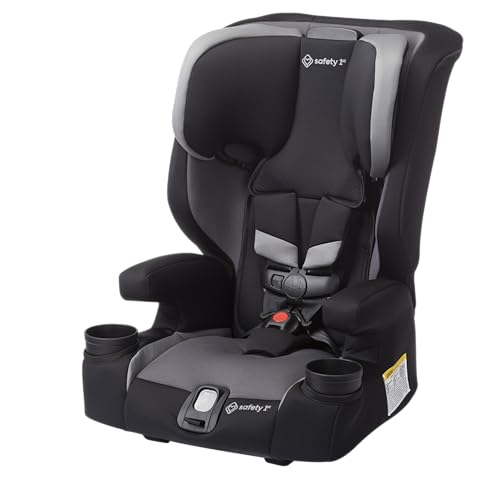
Safety 1st Boost-and-Go 3-in-1 Seat
Strengths
- True 3-in-1 conversion
- Washable seat pad
- Narrow fit for 3 across
Trade-offs
- No side-impact protection
- Heavier than some
- Harness mode starts late
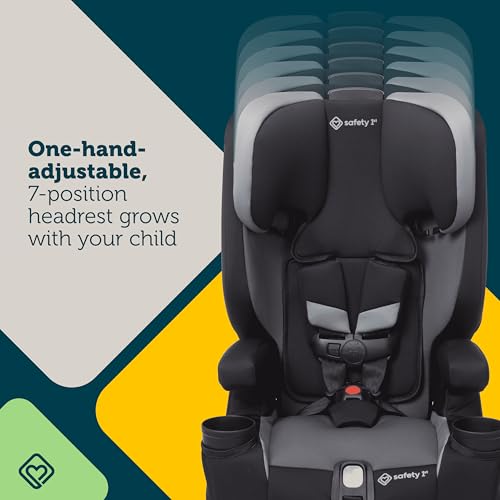
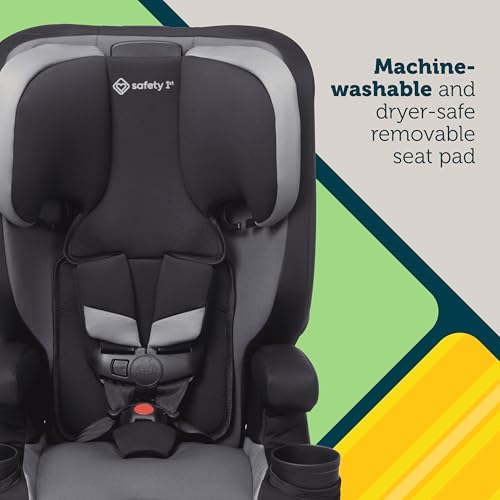
This is the kind of booster that grows with your child in a meaningful way, starting as a forward-facing harness seat and converting all the way to a backless booster. That range (30–100 lbs) means fewer seat changes, which I always appreciate as a parent advocate. The one-hand, 7-position headrest is a standout for real-world usability, and owners love that the seat pad is machine-washable, a small thing that makes a big difference after spills.
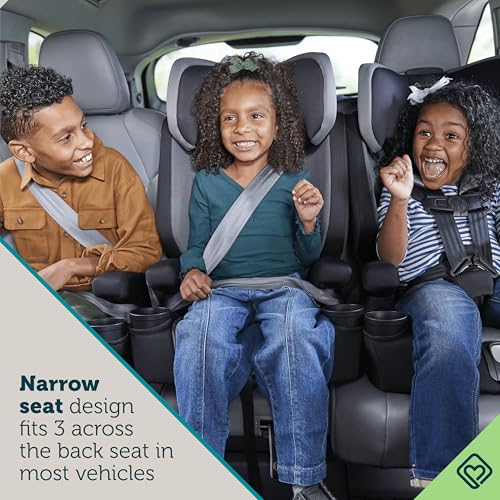
It’s not the lightest on the list, but at just under 10 pounds, it’s still manageable for moving between cars. The narrow design helps fit three across, which is a win for larger families. Compared to other 3-in-1s, it lacks side-impact protection, so I’d be careful in high-risk vehicles. But for its price and flexibility, it’s one of the smarter long-term buys.
Product photos

How We Tested lightweight travel car seats
As a mom and child safety advocate, I know how stressful choosing a car seat can be. Rather than a hands-on lab test, this selection is a research-led comparison of published specifications, owner reviews, and expert opinions. I looked at a wide range of lightweight and travel-focused car seats, then ranked them based on features important to traveling families. We weighed both what the specs tell us about safety and construction, and what owners report about real-world usability.
For this category, weight and portability were paramount. A truly “lightweight” seat needs to be manageable to carry through airports or between vehicles. Equally important was versatility – could the seat adapt to different travel situations (rental cars, airplanes, taxis)? Safety certifications (FAA approval, compliance with FMVSS213) were also critical, forming a baseline for inclusion.
Specifications reliably indicate a seat’s weight, dimensions, and safety certifications. However, owner feedback proved invaluable for judging ease of installation, the practicality of folding mechanisms, and the true comfort level for children. Reputation played a role, too; brands with established safety records and positive consumer reports received more consideration.
What To Look For In lightweight travel car seats
Choosing a lightweight travel car seat requires thinking beyond just the weight on the scale. We need to balance portability with robust safety features and a fit that works for both your child and your travel style.
A good lightweight travel car seat prioritizes FAA approval for air travel, weighs under 10 pounds, offers a secure five-point harness system, and features a compact fold for easy stowing. Prioritize models with clear height and weight limits, and always check for current safety certifications.
Weight and Portability Are Key
For a travel car seat, weight is obviously critical. Every pound counts when you’re navigating airports or hauling luggage. But don’t sacrifice safety for a few ounces. I’ve seen parents prioritize a super-light seat only to find it feels flimsy or lacks essential features. Look for models around 8-10 pounds. Beyond the seat itself, consider what comes with it: a quality carry bag is essential, and some even convert into a backpack for hands-free carrying. The WAYB Pico is a popular example, known for its incredibly light frame and included carry bag.
Safety Standards and Harness Systems
Just because a car seat is lightweight doesn’t mean it should compromise on safety. Always confirm that the seat meets or exceeds U.S. safety standards regulated by the National Highway Traffic Safety Administration (NHTSA) and is FAA approved for airline use. A five-point harness is a must-have; it distributes crash forces more effectively than a three-point belt alone. Don’t assume all seats are equal here.
- FAA Approval: This is essential for air travel. Look for a clearly marked FAA approval sticker.
- Side Impact Testing: While not legally required, seats with enhanced side impact protection offer an extra layer of safety.
- Harness Adjustability: A harness that’s easy to adjust and fits snugly is crucial. Some seats have a no-rethread harness, simplifying adjustments as your child grows.
Budget and Long-Term Use
Lightweight travel car seats tend to be more expensive than standard models. Consider how frequently you’ll be traveling and whether the cost justifies the convenience. If you only travel occasionally, an inflatable booster seat like the UberBoost might be a more budget-friendly option.
A rule of thumb: if you’re primarily renting cars while traveling, a portable, inflatable booster seat can be a lifesaver, but for frequent flyers, investing in a dedicated lightweight, FAA-approved car seat is the smarter choice.
Lightweight Travel Car Seats Compared
Here’s a comparison of key specifications for popular lightweight travel car seats to help you make an informed decision.
| Product Name | Weight (lbs) | Age/Weight Range (Typical) | Dimensions (Folded – L x W x H) | FAA Approved | Modes |
|---|---|---|---|---|---|
| WAYB Pico Travel Car Seat | 8 | 2+ / 26.5-50 lbs | 11.6″ x 14.5″ x 18.9″ | Yes | Travel/Airplane |
| UberBoost Inflatable Booster Seat | N/A | 4+ / 40-100lbs (est.) | N/A | N/A | Booster |
| Safety 1st Ellaris 3-in-1 Car Seat | N/A | 5-65 lbs | N/A | Yes | 3-in-1 |
| Graco Contender Slim Convertible Seat | N/A | 5-65 lbs | N/A | Yes | Convertible |
| Evenflo GoTime LX Booster Seat | N/A | 40-120 lbs | N/A | N/A | Booster |
| Baby Trend Protect Folding Booster | N/A | 40-100 lbs (est.) | N/A | N/A | Folding Booster |
| Safety 1st Boost-and-Go 3-in-1 Seat | N/A | 30-100 lbs | N/A | N/A | 3-in-1 |
Frequently Asked Questions
What is the maximum weight for a lightweight travel car seat?
Most lightweight travel car seats accommodate children up to 50 pounds, but the Evenflo GoTime LX and Safety 1st Boost-and-Go extend that to 100 or even 120 pounds as boosters. Always check the specific model’s specifications to confirm it fits your child’s current weight.
Are inflatable car boosters as safe as rigid models?
Inflatable boosters like the UberBoost meet federal safety standards, but they don’t offer the same level of side impact protection as a rigid-sided car seat. They are best suited for older children (typically 4+) in ride-sharing or rental vehicles where a permanent solution isn’t practical.
Can I check a car seat at the gate when flying?
Yes, you can typically check a car seat at the gate of your flight for free, but it counts as a personal item. FAA approval is still required if you plan to use the car seat on the airplane.
What does “convertible” mean when describing a car seat?
A convertible car seat, such as the Graco Contender Slim, transitions from rear-facing for infants to forward-facing as your child grows. This offers extended use and potentially saves you from purchasing multiple car seats, though they may not be as lightweight as travel-specific models.
How do I know if a car seat is FAA approved?
FAA approval is indicated by a sticker on the car seat itself. The sticker confirms the seat has been tested and meets the FAA’s safety requirements for use on aircraft. All of the car seats listed as FAA approved in the comparison chart meet this standard.
The Bottom Line
Choosing a lightweight travel car seat often comes down to balancing convenience with your specific needs and budget. For most families who travel regularly, the WAYB Pico Travel Car Seat strikes the best overall balance. It’s genuinely lightweight, FAA-approved, and designed specifically for travel, making it a standout choice for ease of use on planes and in airports.
If you’re looking for a budget-friendly option for occasional travel or primarily plan to use ride-sharing services, the UberBoost Inflatable Booster Seat is a surprisingly practical solution. And for parents who want a seat that grows with their child and offers multiple modes, the Safety 1st Ellaris 3-in-1 Car Seat provides versatility without sacrificing FAA compliance.
Ultimately, remember that the lightest weight or lowest price isn’t the only thing that matters. Prioritize a seat that fits your child correctly, meets all safety standards, and aligns with your travel habits. A properly installed and used car seat – regardless of price – is the most important factor in keeping your little one safe on the road or in the air.
