
7 Best Booster Car Seats for 4 Year Olds 2026
This post contains affiliate links. As an Amazon Associate, we earn from qualifying purchases.
The Graco TurboBooster LX with LATCH stands out as the best booster car seat for 4 year olds, offering secure LATCH attachment and a long growth range. For a budget-friendly option, the Chicco GoFit ClearTex Plus delivers strong safety features and a precise fit. If you need versatility, the Graco Tranzitions 3-in-1 adapts from a harnessed seat to a booster, making it a smart long-term choice.
Many parents want to move their 4-year-old to a booster, but getting it right matters more than rushing the switch. A poorly fitting seat can put your child at risk, no matter how old they are.
This guide cuts through the noise, focusing on real safety needs, proper belt fit, and practical features like easy cleaning and adjustability. I compared specs, read owner feedback, and evaluated each model based on years of researching child passenger safety, so you can choose with confidence.
Top 7 Booster Car Seats For 4 Year Olds in the Market
The Best Booster Car Seats For 4 Year Olds, Reviewed
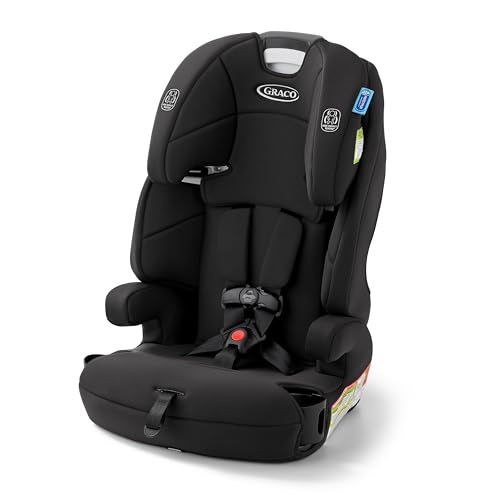
Graco Tranzitions 3-in-1 Harness Booster
Strengths
- 3-in-1 conversion
- No-rethread harness
- Lightweight and portable
- Grows with child
Trade-offs
- Higher price
- Bulkier than some
- Longer setup time
The Graco Tranzitions is the most versatile seat on this list, starting as a harnessed seat for toddlers (26.5–65 lbs), then converting to high-back and finally backless booster. That extended range makes it a true long-term investment. The No-Rethread Simply Safe Adjust harness system is a standout: the headrest and harness move together, so you don’t have to rethread straps as your child grows.
It’s lightweight and portable, which reviewers note is great for carpooling or travel. While it’s the most expensive option here, its longevity justifies the cost for many families. Compared to the Evenflo GoTime LX, it starts earlier and supports lower weights, making it better suited for 4-year-olds who may not be ready for a pure booster yet.
Video review
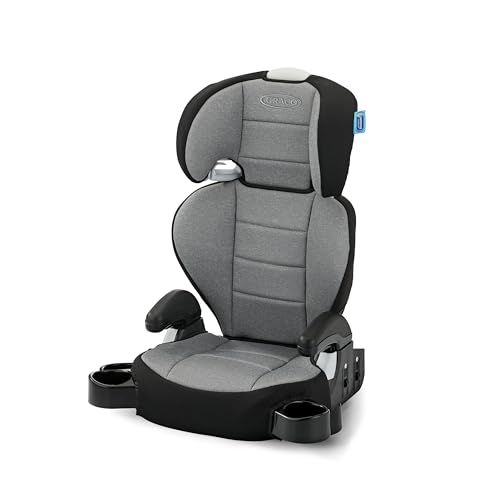
Graco TurboBooster 2.0 Highback
Strengths
- Converts to backless
- Adjustable armrests
- Head support included
- Easy self-buckling
Trade-offs
- No LATCH system
- Basic padding
- Not ultra-slim
The Graco TurboBooster 2.0 highback is a solid mid-tier option that delivers core safety and comfort without overcomplicating things. It converts from high-back to backless, has height-adjustable armrests, and uses open-loop belt guides that make self-buckling easier, a small but meaningful detail parents will appreciate. The ProtectPlus engineering suggests strong crash performance, and it’s backed by Graco’s reputation in the car seat space.
It doesn’t have LATCH, which is a step down from the TurboBooster LX, but it’s more comfortable than the backless version thanks to the head support. Owners note it’s lightweight and easy to move between cars. For the price, it’s a better value than the Safety 1st Grow and Go if you don’t need the expandable wings or ultra-slim design.
Video review
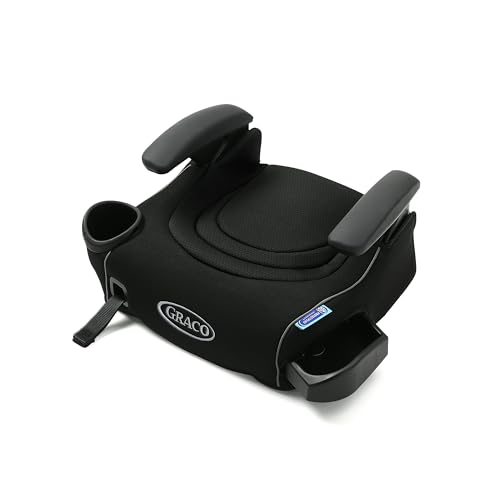
Graco TurboBooster LX with LATCH
Strengths
- Front-adjust LATCH
- Easy self-buckling
- Secure when unoccupied
Trade-offs
- No head support
- Basic padding
- Limited chemical transparency
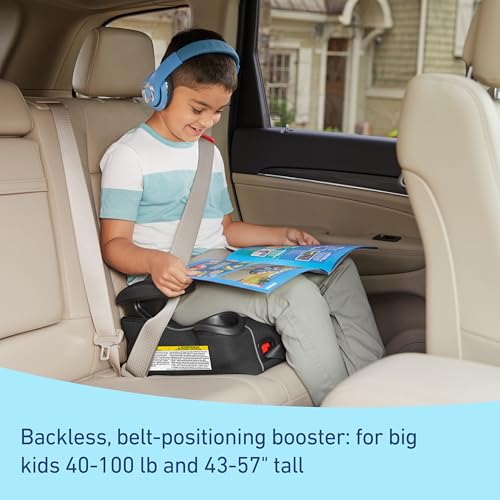
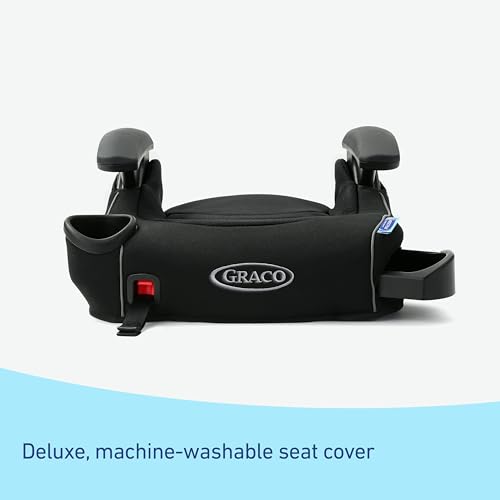
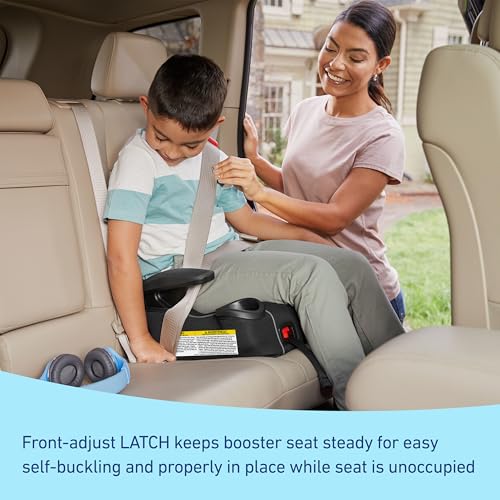
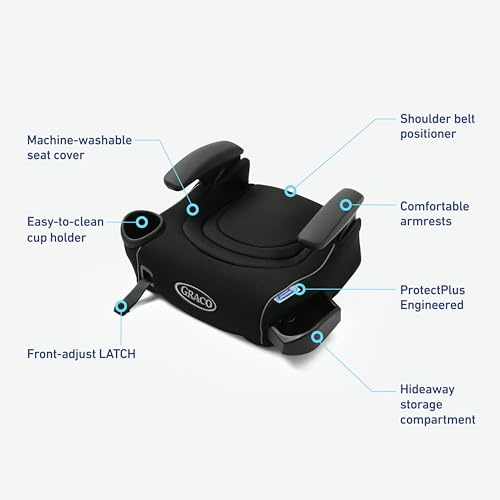
The Graco TurboBooster LX stands out in the backless booster category mainly for its front-adjust LATCH system, which is a rare and genuinely useful feature. It keeps the booster securely in place when unoccupied, a major win for families who shuttle between cars or want to avoid the seat sliding around. On paper, it covers the standard 40–100 lb range and up to 57″, and owners consistently report it’s easy to install and stays put, which matters for both safety and convenience.
I appreciate that it supports self-buckling thanks to the LATCH tether keeping it upright. The cup holder is basic but functional. That said, it doesn’t offer head support, so it’s only a good fit if your vehicle’s headrest aligns well with your child’s head. Compared to the Chicco GoFit ClearTex Plus, it’s more about function than comfort or material safety.
Product photos
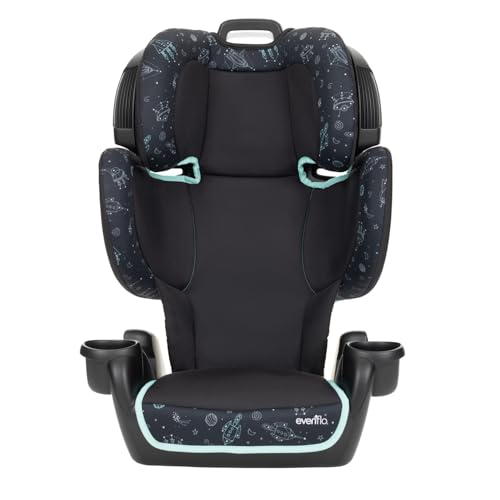
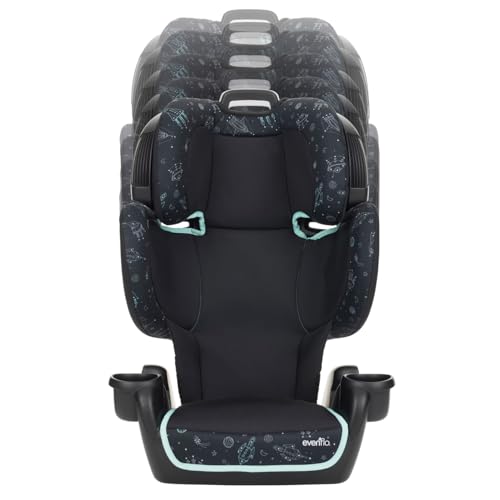
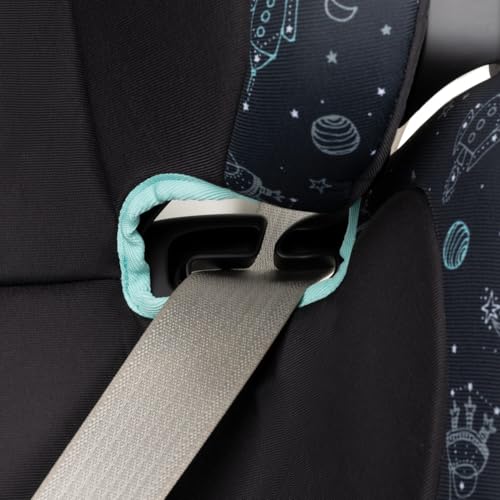
Evenflo GoTime LX Booster
Strengths
- High weight capacity
- Deep side wings
- One-hand adjustment
- Durable build
Trade-offs
- Bulky for small cars
- Not ideal for young 4-year-olds
- No LATCH
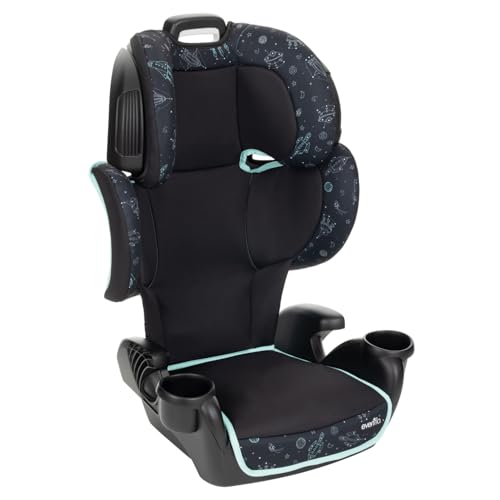
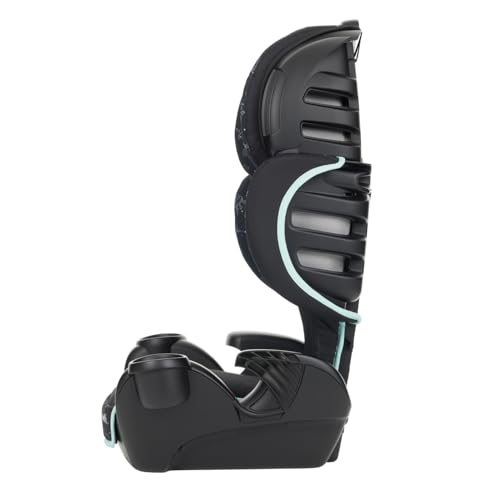
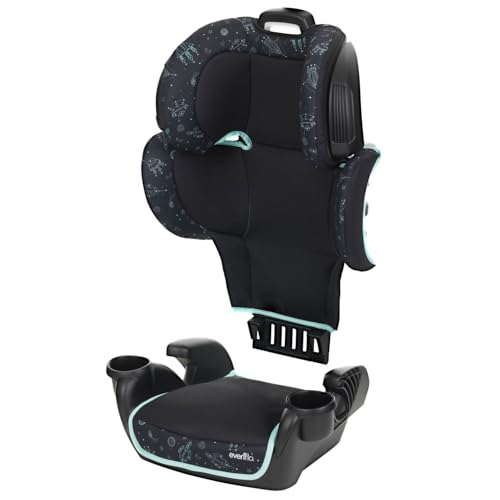
The Evenflo GoTime LX is built for older, taller kids, it supports up to 120 lbs and has a deep, supportive design with overlapping side wings that offer better head and torso protection than most. It’s marketed for kids 5 and up, so while it works for some 4-year-olds, it’s better suited for those closer to 50 lbs and mature enough to sit still.
Owners like the one-hand, 7-position headrest and the fact that it keeps kids in the high-back stage longer. It converts to backless, but many keep it high-back as long as possible. The dual cup holders are sturdy, and the build feels durable. Compared to the Graco TurboBooster 2.0 highback, it supports more weight and offers better side coverage.
Product photos
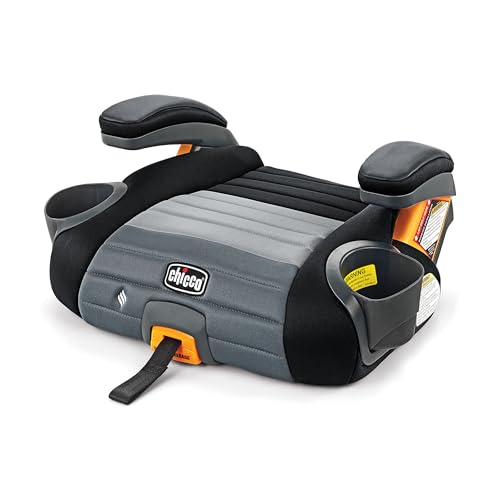
Chicco GoFit ClearTex Plus Backless
Strengths
- Flame retardant-free
- GREENGUARD Gold Certified
- Machine-washable pad
- Easy LATCH release
Trade-offs
- Higher price
- Backless design
- No head support
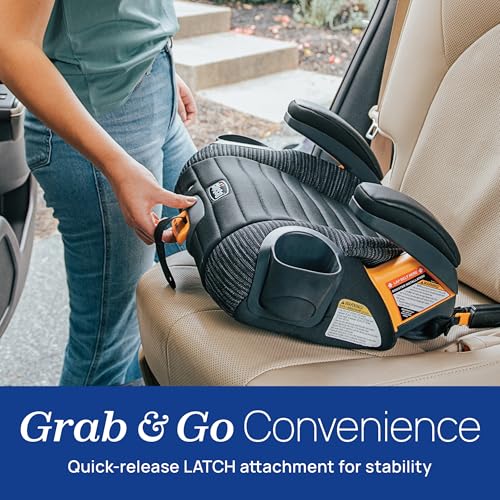
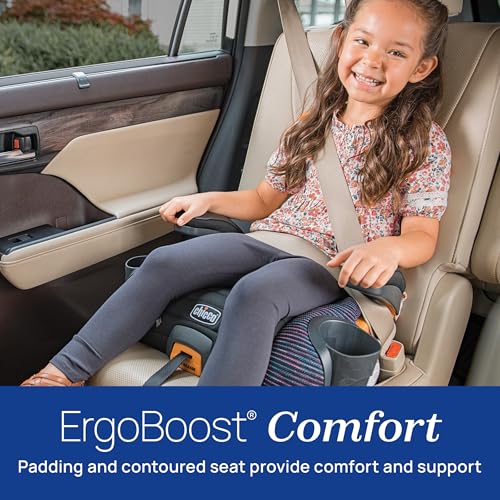
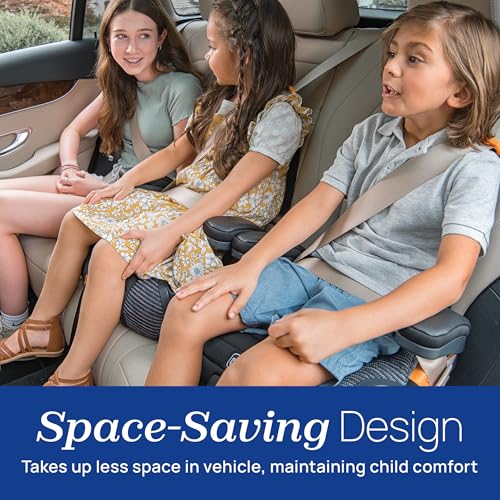
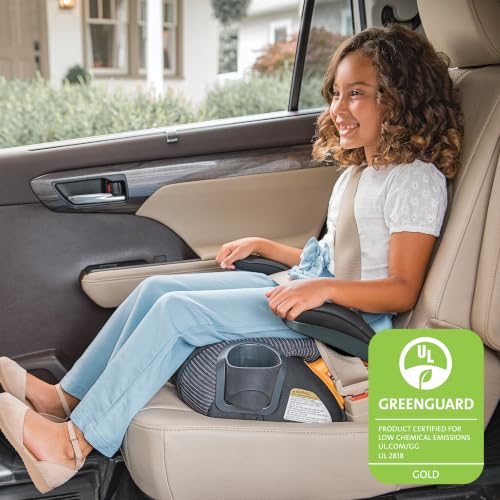
If you’re concerned about chemical exposure and want a truly clean booster, the Chicco GoFit ClearTex Plus is in a class of its own. It’s GREENGUARD Gold Certified and free of flame retardants, something most mainstream brands don’t offer. The specs line up well: 40–110 lbs, 44–57″, and it includes LATCH for stability, which helps prevent the seat from tipping when your child climbs in.
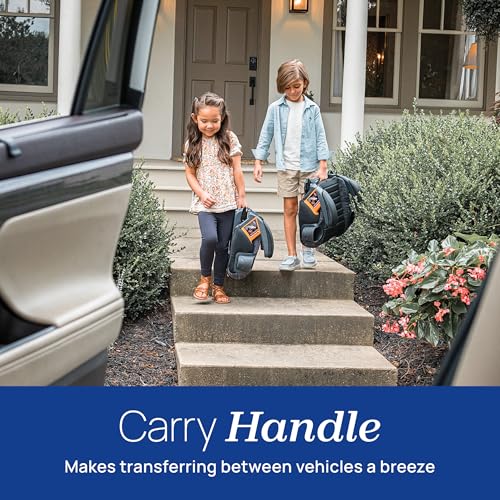
Owners praise the comfort of the double foam padding and the ease of cleaning, the seat pad is machine-washable, and the armrest covers pop out. The one-hand LATCH release is a smart touch for portability. While it’s pricier than basic Graco models, its health-conscious design justifies the cost for many safety-focused parents. It’s not as wide as the Safety 1st Grow and Go, but it’s more premium in materials.
Product photos
Graco TurboBooster 2.0 Backless Denton

Strengths
- Very affordable
- Lightweight
- Machine-washable pad
- Hide-away cup holders
Trade-offs
- No LATCH
- No head support
- Shifts when unoccupied
At this price, the Graco TurboBooster 2.0 backless is the most budget-friendly option that still delivers essential safety features. It’s ProtectPlus Engineered, lightweight, and includes hide-away cup holders and a machine-washable seat pad, practical touches that matter for daily use. It supports kids 40–100 lbs and up to 57″, which covers most 4-year-olds ready for a booster.
But being backless, it only works if your vehicle’s headrest adequately supports your child’s head. It lacks LATCH, so it can shift when unoccupied, owners suggest buckling it in when not in use. Compared to the TurboBooster LX, it’s less stable but significantly cheaper. I’d consider this a secondary car booster or a short-term solution, not a primary seat.
Product photos


Safety 1st Grow and Go 2-in-1

Strengths
- Expanding ComfortWings
- Slim, foldable design
- Dryer-safe seat pad
- Dishwasher-safe cup holders
Trade-offs
- No LATCH
- Lower weight max than some
- Plastic feel
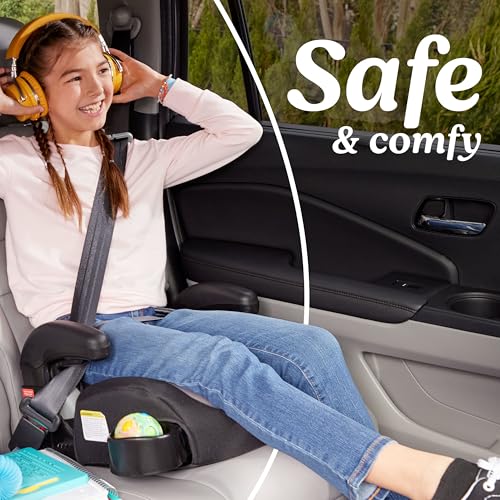
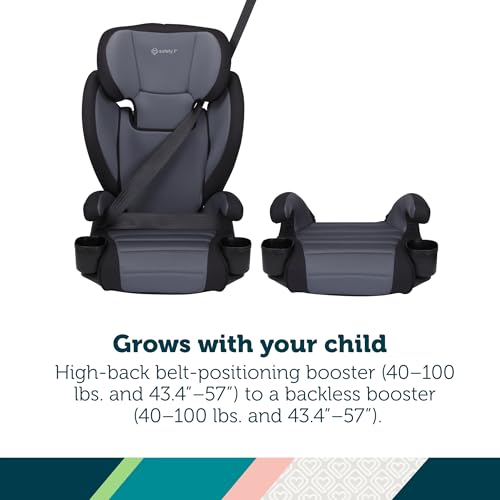
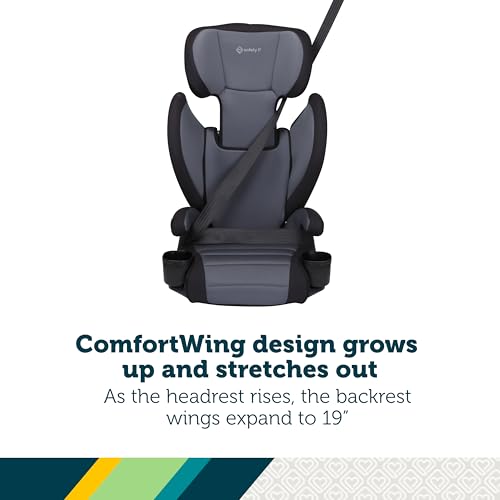
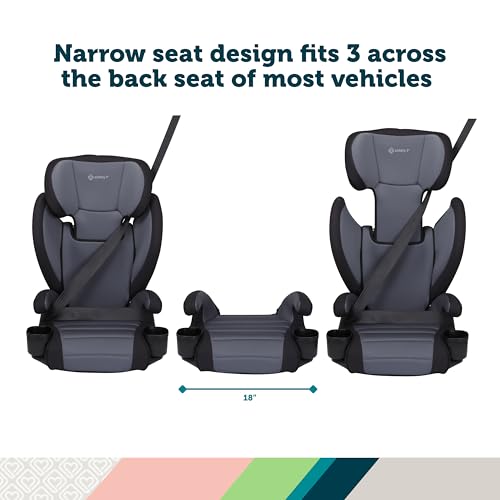
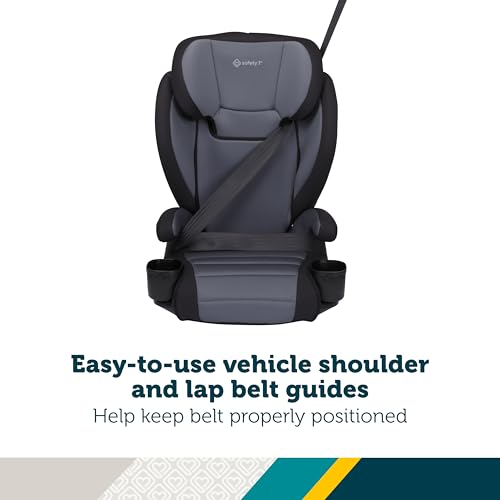
The Safety 1st Grow and Go stands out for its adjustable ComfortWings, which expand to 19″ wide as the headrest rises, making it one of the few boosters that truly adapts to a growing child’s shoulder width. It converts from high-back to backless, covers 40–100 lbs, and has a slim 19″ footprint, so it fits well in tighter back seats. Owners appreciate how long their kids can use it thanks to the 10-position headrest and flexible fit.
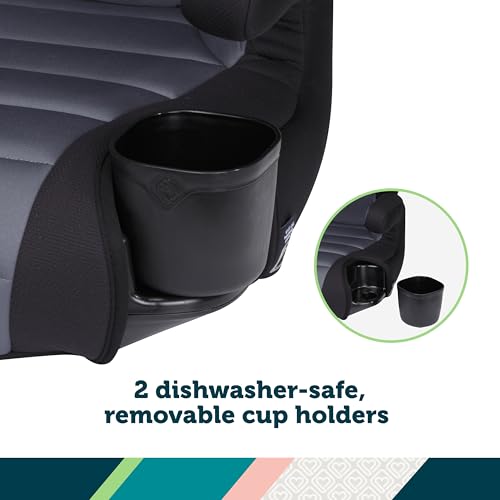
It’s also one of the more travel-friendly high-back boosters, foldable, lightweight, and equipped with dishwasher-safe cup holders and a dryer-safe seat pad. While it lacks the LATCH system of the Graco TurboBooster LX, its adjustability makes it a smarter long-term pick for families expecting growth spurts. Compared to the Evenflo GoTime LX, it’s narrower and better for three-across setups.
Product photos
How We Chose These booster car seats for 4 year olds
Rather than a hands-on lab test, my research focused on a detailed comparison of published specifications and features across numerous models. I weighed owner reviews from multiple retailers alongside expert assessments from sources like consumer publications and safety advocacy groups. Applying my background in child passenger safety, I ranked these booster seats against criteria important for this age group – specifically, safety features, adjustability, and ease of use for both parents and children.
For 4-year-olds transitioning out of harness seats, a secure and proper fit with the vehicle’s seat belt is paramount. I prioritized boosters offering clear belt-positioning features and robust side-impact protection. Adjustability was also heavily weighted; a booster that grows with a child for several years represents better value and continued safety. Finally, models with easy-to-clean designs scored higher, acknowledging the realities of everyday use.
Specifications reliably indicate a seat’s weight and height limits, as well as the presence of features like LATCH connectors. However, I relied on owner feedback to understand real-world usability – how easily the seat adjusts, how comfortable children find it, and how well it fits in various vehicles. Reputation, based on consistent expert recommendations and positive owner experiences, significantly influenced my final assessment.
Choosing The Right booster car seats for 4 year olds
Finding the right booster seat for your four-year-old is a crucial step in keeping them safe as they transition out of a five-point harness. It’s not simply about meeting weight and height minimums; it’s about a secure fit with the vehicle’s seat belt and a design that promotes proper posture.
A quality booster elevates a child so that vehicle seat belts fit correctly across the strongest parts of their body. Look for adjustable headrests, belt guides that prevent shoulder belt slippage, and a seat base wide enough to provide adequate hip support. Consider ease of cleaning and portability, as boosters see a lot of use and may need to move between vehicles.
Harness to Booster Transition Timing
Many parents are eager to move their children into a booster, but it’s essential to ensure they’re truly ready. Don’t rush the transition based on age alone. A child must consistently demonstrate the maturity to sit properly in the booster throughout the entire ride; slouching or playing with the seat belt defeats the purpose. Before switching, assess if your child has outgrown their forward-facing harness seat in terms of height or weight. If they haven’t, keeping them in the harness for as long as possible is always the safest option.
Understanding Seat Belt Fit
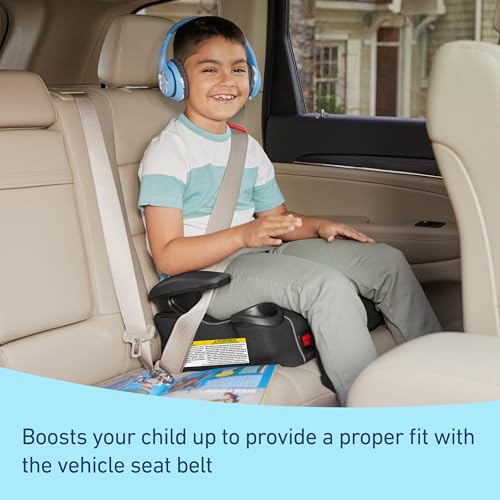
The core function of a booster is to improve seat belt fit. A properly fitted seat belt should lie flat across the upper thighs, not the stomach, and the shoulder belt should cross the middle of the shoulder and chest. Look for boosters with adjustable headrests and belt guides to help achieve this fit. Some boosters, like the Graco TurboBooster LX with LATCH, even offer a LATCH system to help stabilize the seat when unoccupied, which is helpful for quick ins and outs. Don’t assume a booster will automatically provide a perfect fit in every vehicle; testing in your car is vital.
Prioritizing Long-Term Value and Convenience
Boosters are typically used for several years, so consider features that will enhance usability over time.
- A removable, machine-washable cover (found on many Graco models) is a lifesaver for spills and messes.
- Adjustable features, like the headrest on the Safety 1st Grow and Go, extend the booster’s useful life as your child grows.
- Portability is key if you frequently switch the booster between vehicles. Backless boosters, like the Chicco GoFit ClearTex Plus, are particularly lightweight and easy to move, but offer less side impact protection than high-back models.
A booster seat is only as good as its fit. Even the most expensive model won’t protect a child if the seat belt isn’t positioned correctly. Invest time in properly installing and adjusting the booster in each vehicle it will be used in.
Booster Car Seats for 4 Year Olds Compared
This table provides a side-by-side comparison of key specifications for various booster car seats suitable for 4-year-olds.
| Product Name | Weight Capacity (lb) | Height Capacity (in) | LATCH System | 2-in-1/3-in-1 | Backless Option |
|---|---|---|---|---|---|
| Graco Tranzitions 3-in-1 | 40-100 | N/A | No | 3-in-1 | Yes |
| Graco TurboBooster 2.0 Highback | 40-100 | N/A | No | 2-in-1 | Yes |
| Graco TurboBooster LX with LATCH | 40-100 | 43-57 | Yes | 2-in-1 | Yes |
| Evenflo GoTime LX Booster | 40-120 | N/A | No | 2-in-1 | Yes |
| Chicco GoFit ClearTex Plus | 40-110 | 44-57 | Yes | 1-in-1 | Yes |
| Graco TurboBooster 2.0 Backless | 40-100 | Up to 57 | No | 1-in-1 | Yes |
| Safety 1st Grow and Go 2-in-1 | 40-100 | 43.4-57 | No | 2-in-1 | Yes |
Frequently Asked Questions
What is the biggest safety difference between a high-back and backless booster?
High-back boosters offer more head and side impact protection than backless boosters do. While both types correctly position the seat belt, the added structure of a high-back model provides extra support and containment in a crash.
At what weight can I switch to a booster seat?
Generally, a child should be at least 40 pounds to safely use a booster seat. However, weight is only one factor; they must also demonstrate the maturity to remain seated properly with the vehicle’s seat belt throughout the entire trip.
Do LATCH connectors make a booster seat safer?
LATCH connectors primarily hold the booster seat in place when it’s unoccupied, preventing it from moving around. They do not contribute to crash protection once a child is seated and the seat belt is properly positioned.
How long will my child likely use a booster seat?
Most children will use a booster seat until they are between 8 and 12 years old, or reach a height of 4’9″ (57 inches). It’s crucial to continue using a booster until the vehicle’s seat belt fits correctly without it.
What does “2-in-1” or “3-in-1” mean when describing a booster seat?
These terms refer to a seat’s versatility. A 2-in-1 booster can typically function as both a high-back and backless booster. A 3-in-1 can often start as a harnessed seat, convert to a high-back booster, and then to a backless booster, extending its useful life.
The Bottom Line
Choosing a booster seat often comes down to balancing immediate needs with long-term flexibility. While many options offer solid protection, the Graco TurboBooster LX with LATCH strikes the best overall balance of safety features, ease of use, and adjustability for most families.
For parents prioritizing budget-friendliness, the Graco TurboBooster 2.0 Backless provides reliable safety at a lower price point, and is a great choice if you need something lightweight to move between vehicles. If you want a booster that will last through several growth phases, the Graco Tranzitions 3-in-1 offers exceptional versatility, transitioning from a high-back booster to a backless booster and even a positioner seat.
Ultimately, the specifications and features are less important than ensuring a correct installation and, most crucially, a proper seat belt fit for your child in your vehicle. Don’t rely on age or weight alone – focus on achieving that snug, secure fit every single time you buckle up.
