
8 Best Car Seats for 5-Year-Olds 2026
This post contains affiliate links. As an Amazon Associate, we earn from qualifying purchases.
The Chicco KidFit ClearTex Plus Booster is the best overall car seat for five year olds, offering superior head and torso protection with smart, easy adjustments. For budget-conscious families, the Graco TurboBooster 2.0 delivers solid safety and conversion flexibility without the premium price.
Parents often think their five-year-old has outgrown the need for real protection, but improper seatbelt fit remains a serious risk. A booster isn’t just a lift, it’s a critical safety tool that positions the seatbelt correctly across the chest and hips.
In this guide, I’ll walk you through the top models based on safety specs, real-world feedback, and long-term usability. These picks were chosen for their ability to grow with your child, install securely, and encourage consistent use, because the safest seat is the one that gets used right, every time.
Top 8 Car Seats For Five Year Olds in the Market
The Best Car Seats For Five Year Olds, Reviewed
Chicco KidFit ClearTex Plus Booster

Strengths
- Superior side impact protection
- LATCH with one-pull tightener
- Flame retardant-free fabric
Trade-offs
- Higher price point
- Slightly bulkier than slim models
- Not a 3-in-1 (no harness mode)
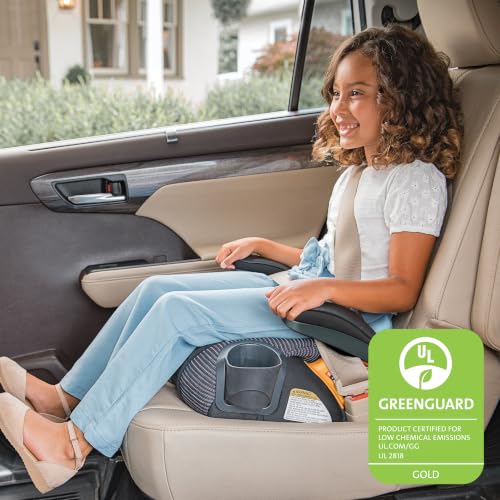
If I were picking one booster for a 5-year-old today, this would be my top recommendation. The DuoGuard technology delivers broader head and torso protection than most in this class, and owners praise how secure their kids feel during turns and sudden stops. The 10-position headrest adjusts from the waist, which means less fiddling as your child grows, something many parents don’t realize matters until they’re struggling with a stiff mechanism.
The LATCH system is a standout. Unlike most high-back boosters that just sit in place, this one stays put even when unoccupied, which eliminates the “booster shuffle” when carpooling. It’s also flame retardant-free and GREENGUARD Gold Certified, a detail I value as a child safety advocate. Yes, it’s pricier than some, but the build, safety features, and ease of use justify it.
Video review
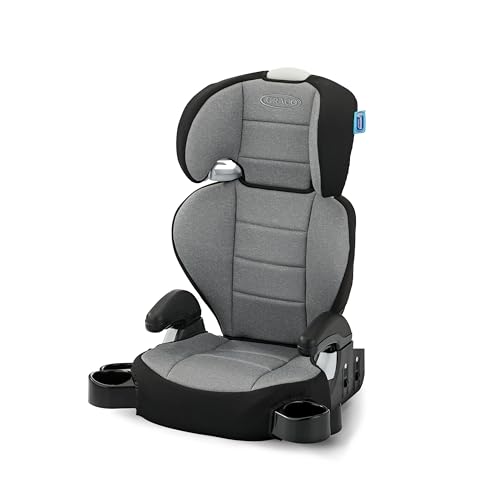
Graco TurboBooster 2.0 Highback
Strengths
- Affordable price
- ProtectPlus crash testing
- Easy belt routing
Trade-offs
- Basic head support
- No LATCH
- Cup holders not as accessible
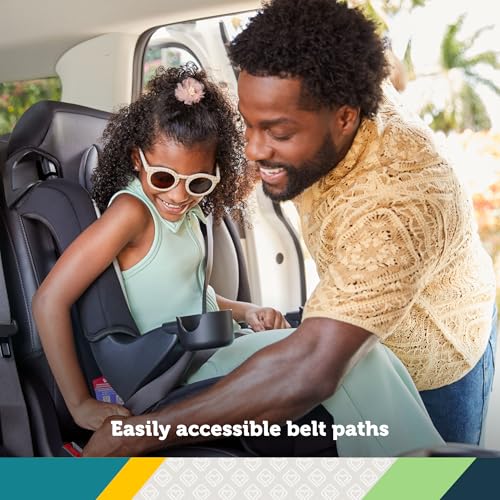
The TurboBooster 2.0 hits the sweet spot for budget-minded families who still want solid safety. Graco’s ProtectPlus engineering means it’s been tested beyond minimum standards, which gives me confidence in its crash performance. The open-loop belt guides make it easier for kids to buckle themselves, a small detail that pays off at school drop-off.
It’s not flashy. The cup holders tuck away, which saves space but isn’t as convenient as fold-out models. And while it converts to backless, the high-back mode doesn’t offer the same side protection as the Chicco KidFit. But for the price, it’s reliable, lightweight, and gets the job done. I’d pick it over the backless version unless you’re certain you don’t need a high back.
Video review
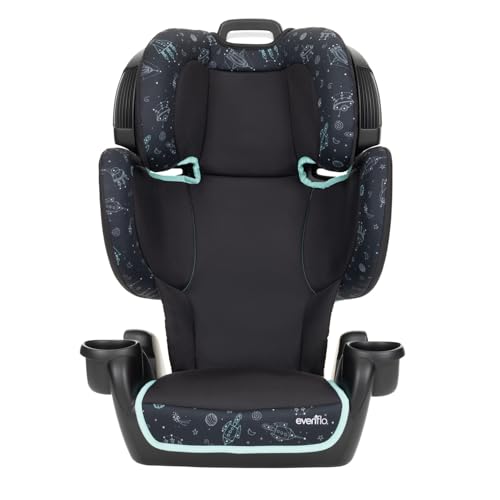
Evenflo GoTime LX Booster
Strengths
- Low price
- Supportive deep shell
- Cup holders included
Trade-offs
- No LATCH system
- Heavier than some
- Less padding in seat
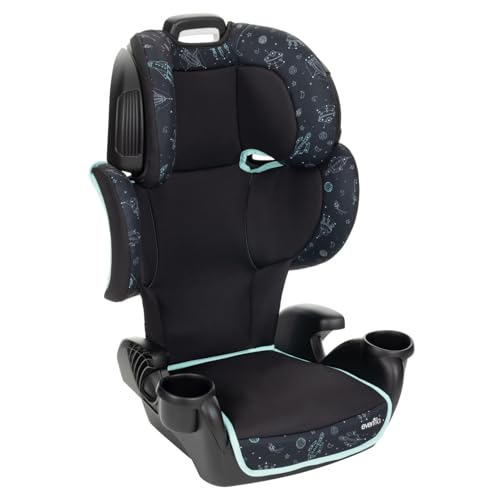
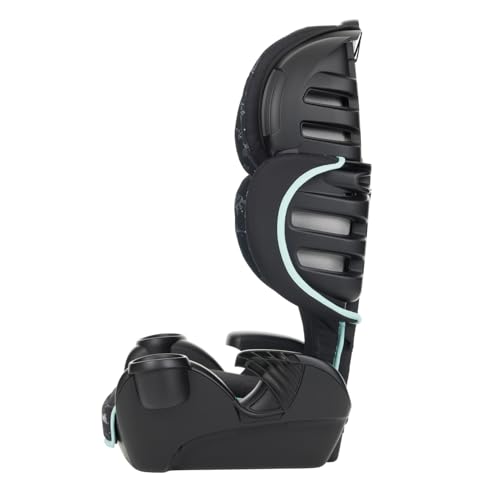
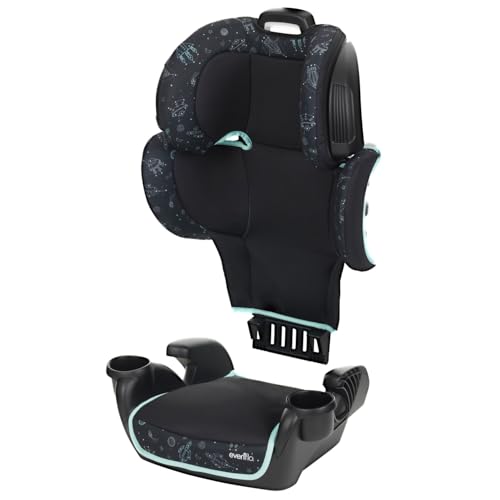
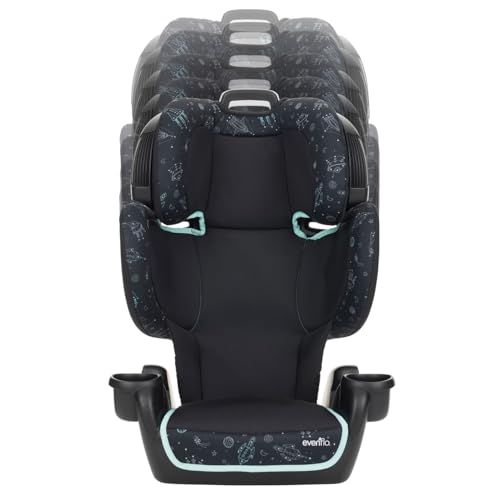
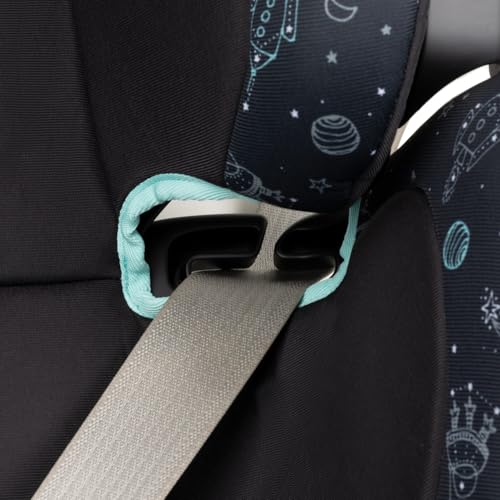
The GoTime LX stands out for one reason: it’s a high-back booster under $60 with two cup holders and a deep, supportive shell. The 7-position headrest adjusts easily, and the wide weight range, up to 120 lbs, means it can last well into the tween years. Owners say it’s a favorite with kids because it feels roomy and secure.
It doesn’t have LATCH, and the build feels a bit plasticky compared to Chicco or Graco’s premium models. But for the price, it’s hard to beat. It’s not as narrow as the Safety 1st options, so fitting three across might be tight. Still, if you want a durable, supportive seat without breaking the bank, this is my pick under $60.
Product photos
Graco TurboBooster Backless

Strengths
- Very low price
- Lightweight
- Easy to clean
Trade-offs
- No LATCH or belt guides
- No head or side protection
- Not for young or active kids
At under $40, this is the most affordable backless booster here, and it shows. It gets the basics right: it lifts your child so the seat belt fits properly, has hide-away cup holders, and a machine-washable pad. Graco’s ProtectPlus engineering adds some crash protection credibility, which not all budget boosters have.
But it’s bare bones. No LATCH, no armrest adjustments, no shoulder belt guide. It’s just a cushion with a shell. Owners use it as a second-car seat or for occasional rides. I wouldn’t trust it for daily use with a 5-year-old unless the vehicle seat provides excellent head support. For older kids in a pinch, it’s fine. For younger ones, go high-back.
Product photos



Graco Tranzitions 3-in-1 Harness
Strengths
- True 3-in-1 with low harness start
- No-rethread harness system
- Long growth range
Trade-offs
- Bulky for tight rows
- No LATCH in booster mode
- Expensive
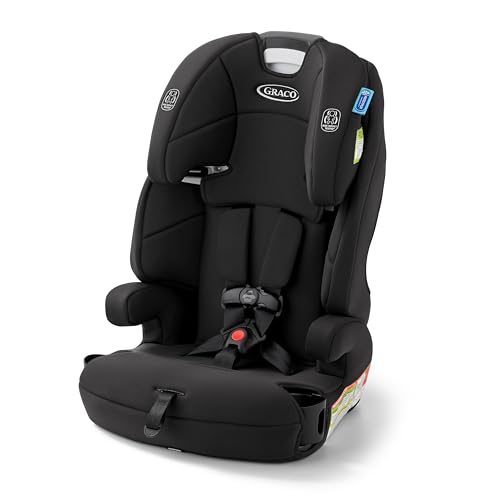
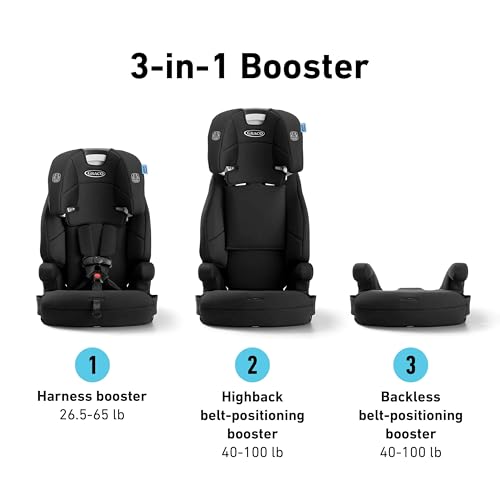
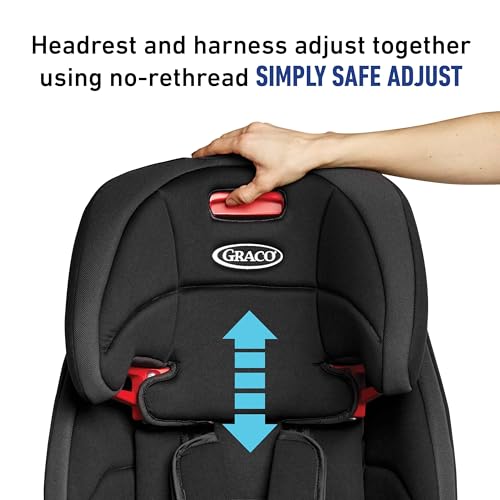
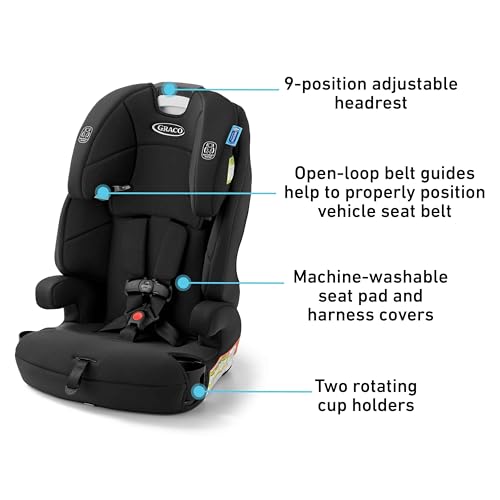
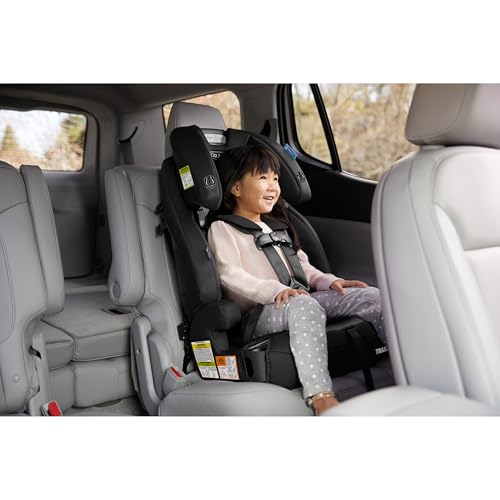
For kids who are still small for their age, the Tranzitions is one of the most flexible seats on the market. It starts with a 5-point harness at just 26.5 lbs, so it works for younger toddlers, and grows all the way to backless booster for older kids. The Simply Safe Adjust system lets you raise the headrest and harness together with one hand, owners love this, and I’ve seen how much easier it is compared to rethreading.
It’s the most adaptable seat here, but that versatility comes at a cost. It’s bulky and doesn’t fit three across as easily as the Safety 1st models. And at this price, I’d expect LATCH in booster mode, which it lacks. Still, if you want one seat to last from age 2 to 10, this is the smartest buy.
Product photos
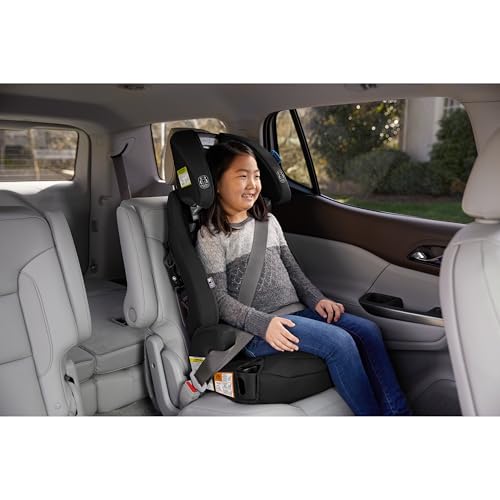
Safety 1st Grand 2-in-1 Booster
Strengths
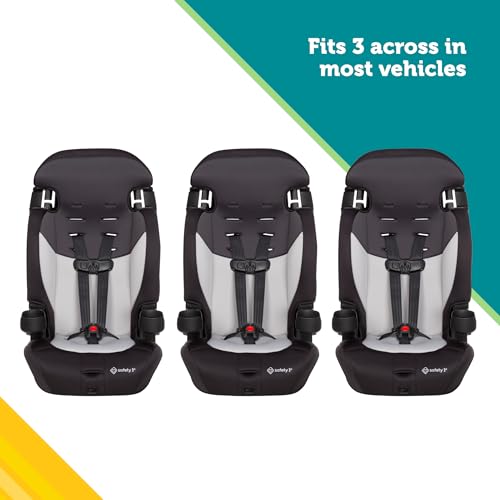
- Extremely narrow design
- Fits 3 across easily
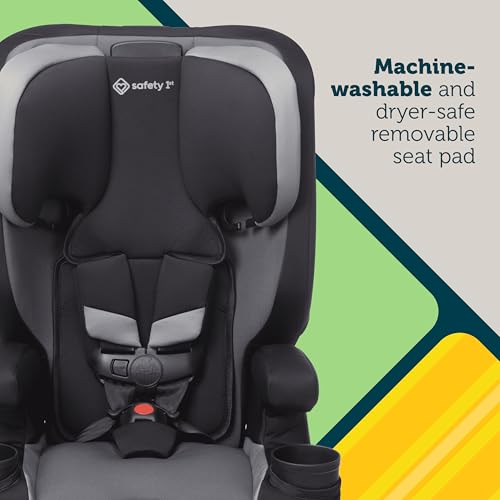
- Machine-washable pad
Trade-offs
- Harness requires rethreading
- No backless mode
- Less padding than premium models
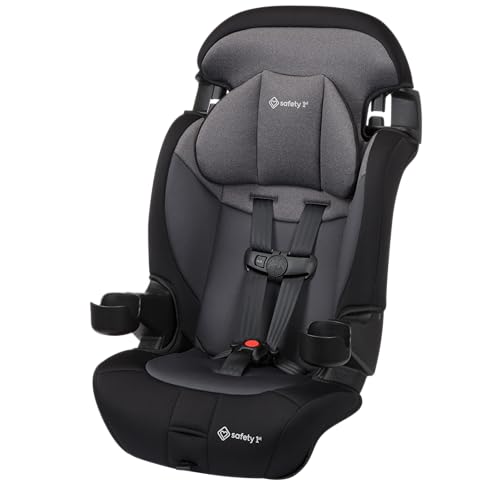
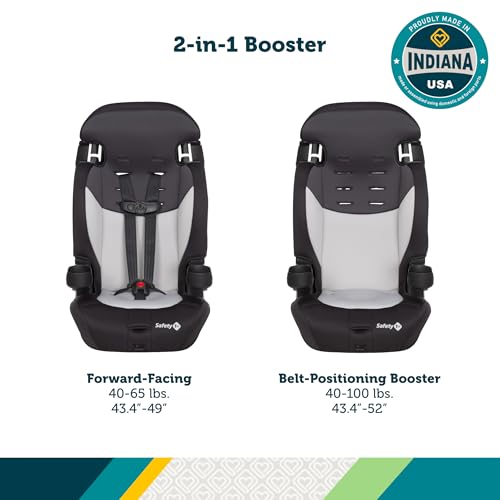
This seat is built for one thing: fitting three across. The slim design is its biggest selling point, and owners confirm it works in tight rows where other boosters won’t. That makes it a go-to for minivans or SUVs with three kids side by side. It’s a 2-in-1, starting as a harness seat up to 65 lbs, then converting to a high-back booster, though it doesn’t go backless, which limits long-term use compared to others.
The harness mode ends at 65 lbs, which may not carry heavier kids long enough. And unlike the Graco Tranzitions, it requires rethreading the harness when adjusting, which is a pain. But if your main challenge is space, this solves it. Just know you might need a separate backless booster later.
Product photos
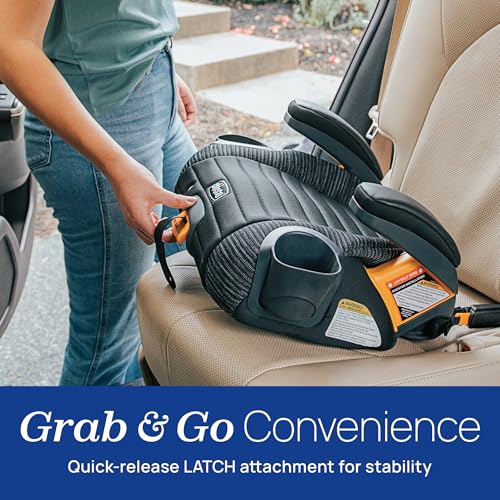
Chicco GoFit ClearTex Backless
Strengths
- LATCH for stability
- Shoulder belt clip
- Flame retardant-free
Trade-offs
- Backless = less guidance for seat belt
- Not ideal for younger or shorter kids
- Limited adjustability
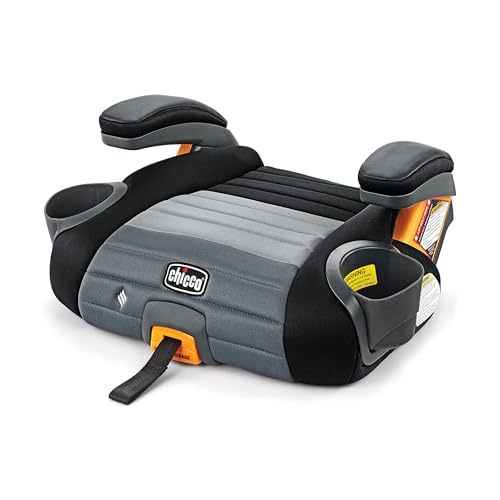
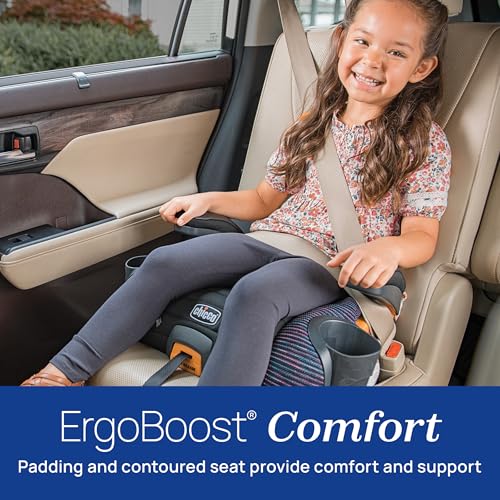
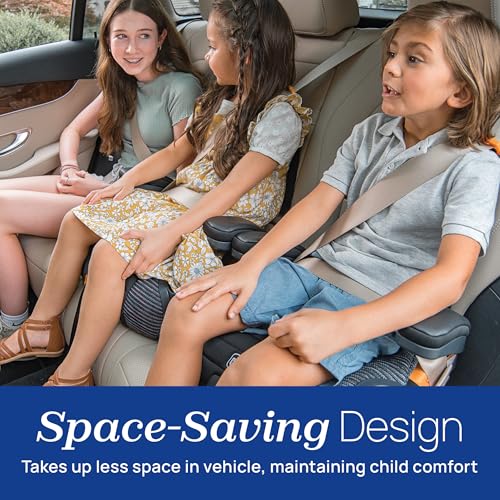
Backless boosters are often afterthoughts, but the GoFit ClearTex Plus changes that. It’s one of the few with a LATCH system, and that makes a real difference. Reviewers note it doesn’t slide around when the kid isn’t in it, a common frustration with backless models. The ErgoBoost seat adds real comfort, and the shoulder belt clip helps maintain proper positioning, which is critical for younger kids using a backless seat.
It’s not for every 5-year-old. Most safety experts, including me, recommend high-back boosters until at least age 6 or 7, since they guide the seat belt correctly across the shoulder. But if your child is taller, rides mostly in one car, and has good head support from the vehicle seat, this is the best backless option with LATCH. It beats tossing a plain cushion in the seat.
Product photos
Safety 1st Boost-and-Go 3-in-1
Strengths
- True 3-in-1 use
- Fits 3 across
- Lightweight
Trade-offs
- Lower harness weight limit
- No no-rethread harness
- Less head support than premium models
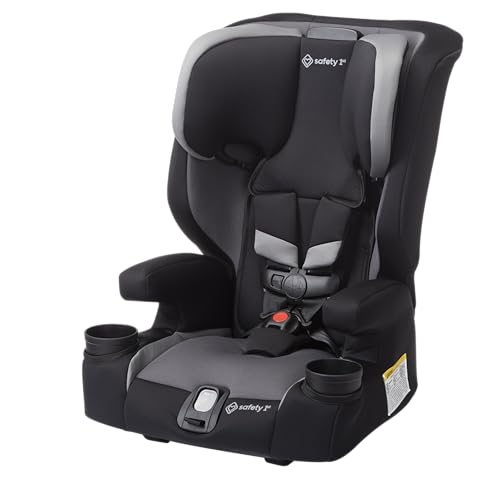
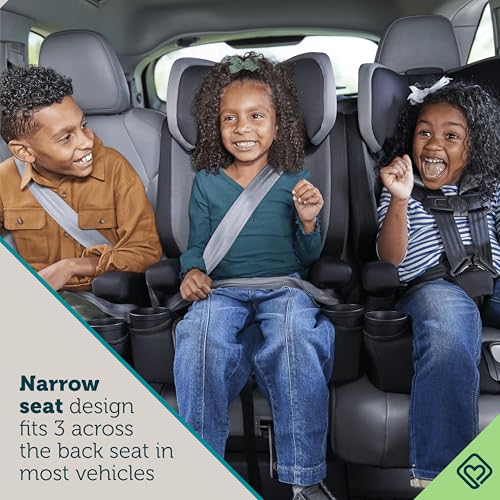
I appreciate how straightforward the Boost-and-Go Essential is for parents who want one seat to cover multiple stages. It’s a true 3-in-1, supporting kids from harness use all the way to backless booster, which means fewer purchases over time. The narrow design stands out, owners consistently report being able to fit three across in midsize vehicles, a real win for larger families.
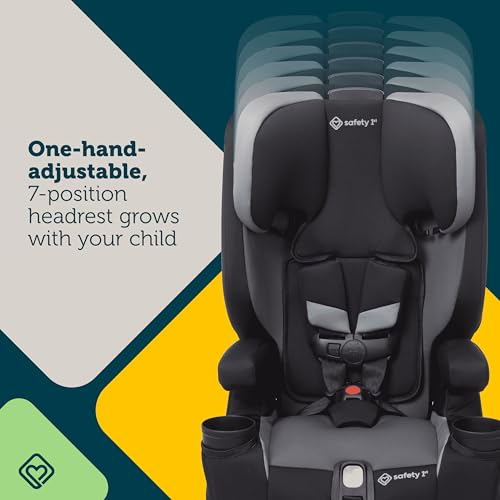
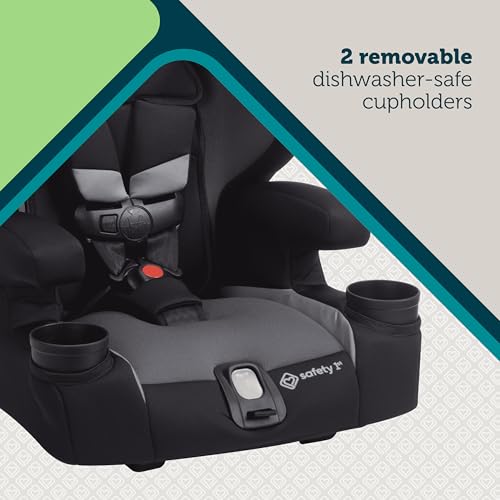
On paper, the 7-position headrest and dishwasher-safe cup holders make daily use easier, and the lightweight build is a plus for carpool swaps. But I’d be cautious about the lower harness weight limit of 30 lbs, some kids may outgrow it in harness mode before hitting height limits. Compared to the Graco Tranzitions, it lacks a no-rethread harness system, so adjustments take more effort.
Product photos

How We Chose These car seats for five year olds
My research involved a detailed comparison of specifications and features across several popular car seats designed for this age group. I weighed published owner reviews and expert opinions from sources like Consumer Reports and NHTSA, looking for consistent feedback. Rather than a hands-on lab test, this is a research-led comparison focused on identifying models that consistently deliver on key safety and convenience factors.
For five-year-olds, the most important considerations are a secure fit with the vehicle’s seatbelt system, and the ability to comfortably and safely support a growing child. I prioritized models with adjustable headrests and belt guides to ensure proper positioning, and those with good side-impact protection. A seat’s ease of use – for installation and for the child getting in and out – also played a significant role in my rankings.
Specifications reliably communicate weight and height limits, and the types of adjustments offered. However, owner feedback was critical for assessing real-world comfort, durability, and ease of cleaning. Reputation and consistent positive reviews regarding safety features and build quality were also heavily weighted, as these factors aren’t always apparent from specs alone.
Choosing The Right car seats for five year olds
Finding the right car seat for a five-year-old requires a bit more nuance than for a baby. We’re moving beyond the fully-enclosing models and into boosters designed to position the vehicle’s existing safety systems correctly.
A good car seat for this age group prioritizes proper belt fit and energy management. Look for adjustable headrests, belt guides that prevent shoulder strap slippage, and side impact protection. Consider how easily the seat can be installed and adjusted as your child grows, and always verify it meets or exceeds federal safety standards.
Head and Torso Protection
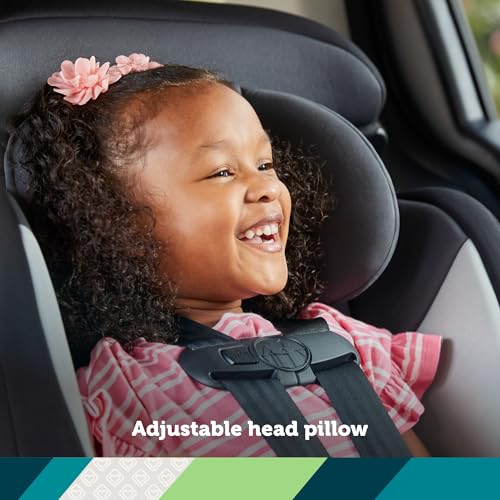
A lot of parents assume a booster is just a seat to lift a child up, but proper head and torso support remains critical. Many models offer adjustable headrests, but the quality of that adjustment matters. Look for seats like the Chicco KidFit ClearTex Plus Booster, which features a 10-position height adjustment, not from the neck but from the waist – this distributes force more effectively in a crash. Don’t settle for a simple up-and-down motion; a contoured headrest that cradles the child’s head is ideal.
Conversion Flexibility
Children grow at different rates, so a car seat that adapts is a smart investment. The Graco Tranzitions 3-in-1 Harness, for example, transitions from a harness booster to a highback and then a backless booster.
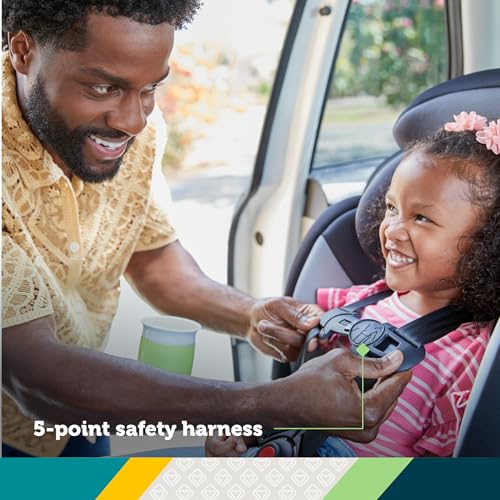
Here’s what to consider when evaluating conversion options: * Weight Limits: Check the maximum weight for each stage. * Adjustment Ease: Is it truly simple to switch modes, or does it require a struggle? * Harness Quality: If it includes a harness, ensure it has a no-rethread design for easy adjustments, and that it’s a five-point system for maximum security.
Portability and Ease of Use
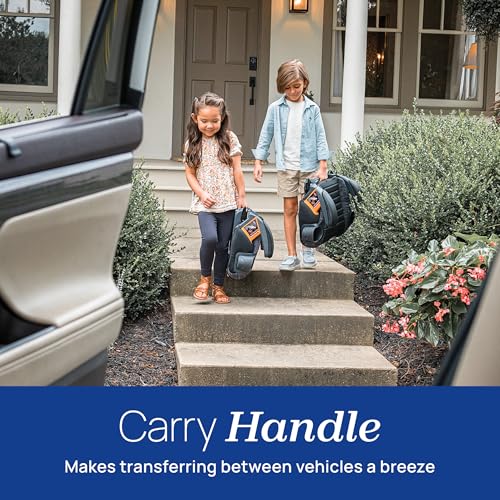
Let’s be realistic: you might need to move a booster seat between vehicles. Lightweight options like the Graco TurboBooster Backless are incredibly convenient.
A booster seat is only safe if it’s used correctly on every ride.
Don’t underestimate the value of features like LATCH connectors (even in backless boosters, like the Chicco GoFit ClearTex Backless) for easy stabilization, and machine-washable seat pads. These details make a big difference in daily life and encourage consistent use.
Car Seats for Five Year Olds Compared
Here’s a comparison of key specifications for car seats suitable for five-year-old children.
| Product Name | Weight Capacity (lbs) | Height Capacity (in) | 3-Across Fit | LATCH Equipped | Convertible |
|---|---|---|---|---|---|
| Chicco KidFit ClearTex Plus | 65 | 57 | Yes | Yes | No |
| Graco TurboBooster 2.0 | 100 | 57 | Yes | Yes | Yes |
| Evenflo GoTime LX | 120 | N/A | Yes | No | Yes |
| Graco TurboBooster Backless | 100 | 57 | Yes | No | No |
| Graco Tranzitions 3-in-1 | 100* | N/A | Yes | Yes | Yes |
| Safety 1st Grand 2-in-1 | 100 | 52 | Yes | No | No |
| Chicco GoFit ClearTex Backless | 110 | 57 | Yes | Yes | No |
| Safety 1st Boost-and-Go | 100 | 57 | Yes | No | Yes |
*Weight minimum increased to 40lbs
Frequently Asked Questions
What’s the biggest mistake parents make when switching to a booster seat?
Many parents transition too early. A child isn’t ready for a booster until they’ve outgrown the height or weight limits of their forward-facing harnessed car seat, and can sit properly against the vehicle seat back for the entire ride.
Are backless boosters as safe as high-back boosters?
Backless boosters are safe when used correctly with a vehicle that has headrests and good seat support. However, high-back boosters offer superior head and neck protection in a crash, particularly in vehicles without adequate headrests.
How do I know if a car seat will fit three-across in my vehicle?
The “3-across fit” designation in the comparison chart is a good starting point, but actual fit varies greatly. Measure the width of your back seat and compare it to the car seat’s width specifications, and ideally test the fit with the seats you’re considering before purchasing.
What does “LATCH equipped” mean, and is it essential?
LATCH (Lower Anchors and Tethers for Children) provides an alternative to using the vehicle’s seatbelt for installation. While it can make installation easier, it’s not essential; a properly installed seat using the seatbelt is equally safe, and some seats have higher weight limits when installed with the seatbelt.
What is the lifespan of a car seat, and when should I replace it?
Most car seats have an expiration date (usually 6-10 years from the date of manufacture) due to plastic degradation and potential safety standard changes. Always check the manufacturer’s label for the specific expiration date, and replace the seat if it’s been involved in a moderate-to-severe crash, even if there’s no visible damage.
The Bottom Line
Choosing a car seat often comes down to balancing convenience with a focus on solid protection. While features like easy cleaning and portability are nice to have, the most important thing is a secure and proper fit for your child and your vehicle. For overall reliability and a focus on safety features, I recommend the Chicco KidFit ClearTex Plus Booster – its adjustable headrest and robust design consistently receive high marks from parents and safety experts.
If you’re looking for a versatile option that will grow with your child, the Graco Tranzitions 3-in-1 Harness is a strong contender. For families prioritizing a budget-friendly choice that doesn’t compromise on essentials, the Graco TurboBooster Backless offers a lightweight and easily transferable solution.
Ultimately, the best car seat is the one that fits your child correctly every time. Prioritize a seat with adjustable features, a good reputation for safety, and – most importantly – one that you’ll consistently use as intended. Don’t get too caught up in specific specs; a secure fit and proper positioning are far more crucial than any single feature.
