
8 Best Car Seats for Autistic Children 2026
This post contains affiliate links. As an Amazon Associate, we earn from qualifying purchases.
The KidsEmbrace 2-in-1 Car Seat stands out as the best overall choice for autistic children, offering a secure fit and sensory-friendly design, while the Graco Tranzitions 3-in-1 is a solid budget-friendly pick with strong adjustability and ease of use.
Parents of autistic children often face real challenges getting their kids comfortable and secure in the car. Meltdowns, sensory overload, and resistance to restraints can turn even short trips into stressful events.
This guide focuses on car seats that prioritize safety, adaptability, and sensory comfort, based on specifications, owner experiences, and features known to support children with autism. I looked closely at harness adjustability, ease of cleaning, seat structure, and how well each model supports a calm, predictable ride.
Top 8 Car Seats For Autistic Child in the Market
The Best Car Seats For Autistic Child, Reviewed
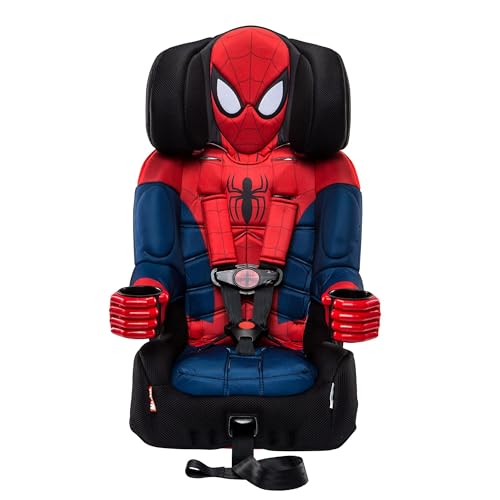
KidsEmbrace 2-in-1 Car Seat
Strengths
- Low harness weight start
- Best-in-class belt positioning
- Excellent foam padding
- Smooth LATCH installation
- Grows with child
Trade-offs
- Higher price point
- Character design not for everyone
- Booster mode starts at 40 lbs
This is the kind of seat I’d recommend to parents who want long-term value without sacrificing safety or comfort, especially for autistic children who thrive on consistency. The 5-point harness starts at just 26.5 pounds, which is lower than many competitors, giving earlier harness use for smaller or developmentally delayed kids. The Insurance Institute for Highway Safety ‘Best Bet’ rating for booster mode tells me it positions the seat belt correctly, a critical factor for kids who can’t self-monitor fit.
What really sets this apart is the high-density foam and contoured design. Reviewers note their kids fall asleep more easily and stay seated longer, important for autistic children who may struggle with discomfort or overstimulation. The LATCH system with top tether ensures a rock-solid install, minimizing movement that could unsettle a sensitive child. Pair that with the character-themed cover (which some kids find comforting), and you’ve got a seat that supports both safety and emotional regulation.
Video review
Graco TurboBooster 2.0 Backless

Strengths
- Affordable pricing
- Lightweight design
- Adjustable armrests
- Easy cleaning
- Top safety ratings
Trade-offs
- No high back support
- Minimal side padding
- Not ideal for sensory needs
This backless booster delivers solid protection at a price that won’t make parents blink twice. On paper, it covers the basics well, 40 to 100 pounds, up to 57 inches, with Graco’s ProtectPlus engineering that signals serious crash protection across frontal, rear, and rollover scenarios. It’s no surprise this model earns top marks in consumer testing, but I’d be cautious recommending it for autistic children who may need more structure or sensory support. The lack of a high back and side bolstering means less containment, which can be a drawback for kids who fidget, need deep side support, or respond strongly to environmental stimuli.
Height-adjustable armrests and machine-washable padding are thoughtful touches, especially for families on the go. Still, the minimalist design doesn’t offer much in the way of sensory accommodation or postural stability. For a neurotypical child who just needs a safe, affordable bump up to seat belt height, this works. For an autistic child who benefits from a more enclosed, structured seat, I’d look elsewhere.
Video review
Chicco KidFit ClearTex Plus

Strengths
- Superior head and body support
- Flame retardant-free fabric
- Premium LATCH with tightener
- Plush double foam padding
- Narrow folded profile
Trade-offs
- Higher price
- Only 2 recline positions
- No harness mode
If comfort and support are your top goals for an autistic child, this is the booster to beat. The DuoGuard system provides exceptional head and torso protection, and the 10-position headrest adjusts from the waist up, which means less shifting of the child’s body during adjustments, a subtle but meaningful detail for sensory-sensitive kids. The double foam padding in the ErgoBoost seat is noticeably plush, and the 2-position recline helps match the vehicle’s angle for a more natural, relaxed posture.
The LATCH system with SuperCinch is one of the tightest in the class, minimizing movement that could distract or unsettle. And I appreciate the flame-retardant-free fabric, many parents of autistic children are mindful of chemical sensitivities. The CupFolders tuck away neatly, keeping the profile narrow. This isn’t the cheapest, but for a child who spends hours in the car, the comfort payoff is real.
Product photos


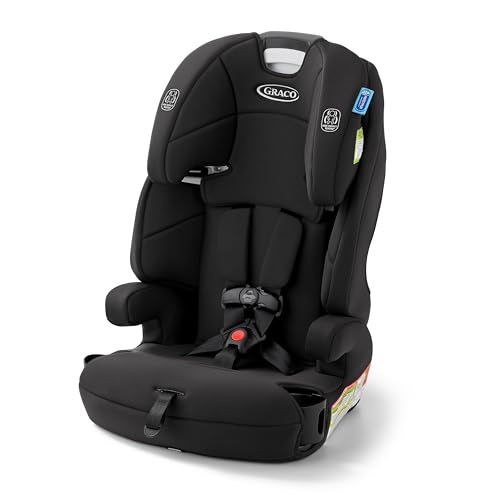
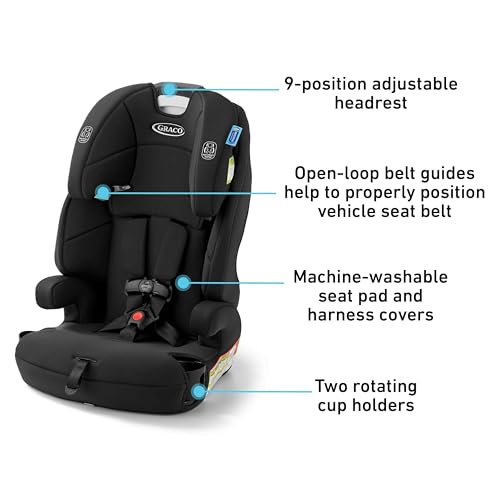
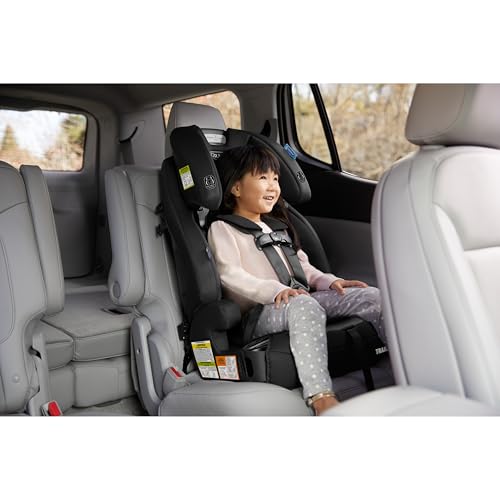
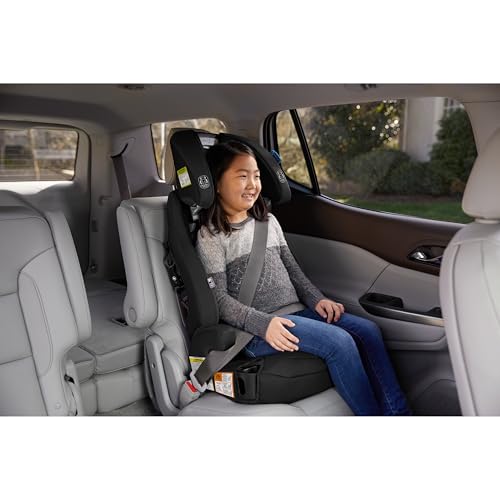
Graco Tranzitions 3-in-1 Harness
Strengths
- No-rethread harness system
- Lightweight and portable
- Long growth range
- 9-position headrest
- Easy transitions
Trade-offs
- Thin padding in seat
- Backless mode less stable
- Limited side support
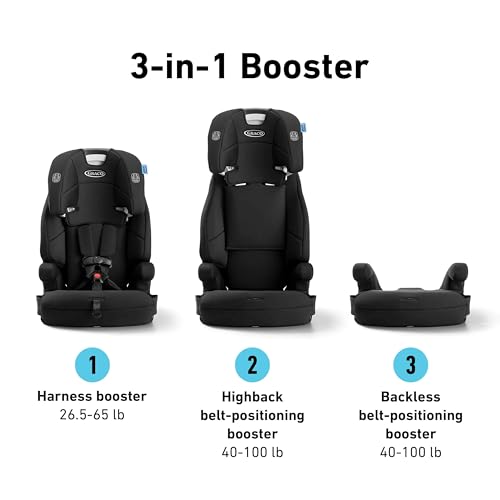
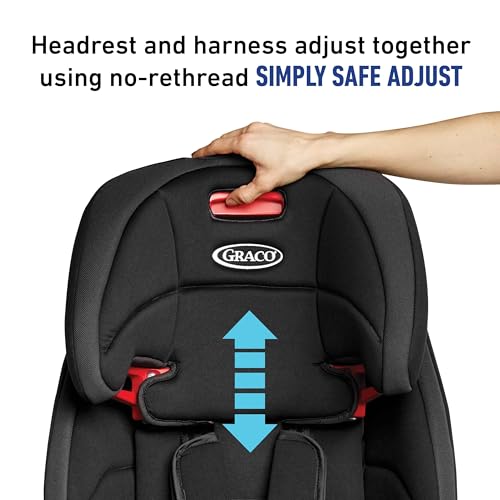
Graco’s Simply Safe Adjust system is the real star here, the headrest and harness move together with one hand, no rethreading needed. That’s a standout for autistic children who need quick, predictable routines and dislike disruptions. The 9-position headrest ensures a proper fit over years of growth, and the transition from highback to backless is straightforward. For families who carpool or switch vehicles, the lightweight build helps.
On paper, the specs are solid: starts at 26.5 pounds in harness mode, goes up to 100 pounds in booster. But some owners report the padding isn’t as plush as expected, and the backless mode feels a bit flimsy compared to dedicated models. For an autistic child who leans or needs deep side support, the highback mode is the better choice. I’d recommend this over the TurboBooster for kids needing more structure, but not over the KidsEmbrace if comfort is paramount.
Product photos
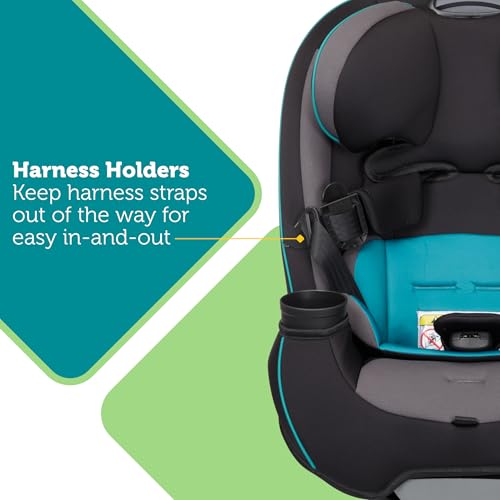
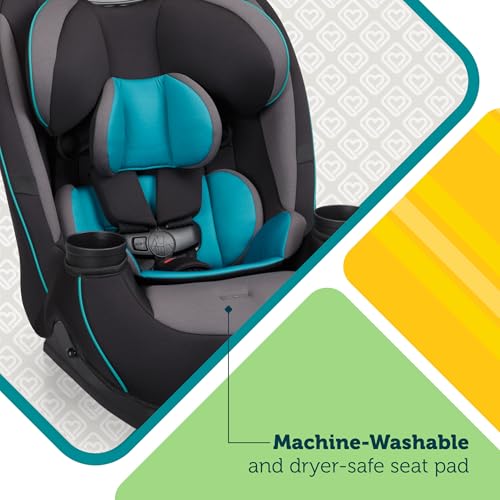
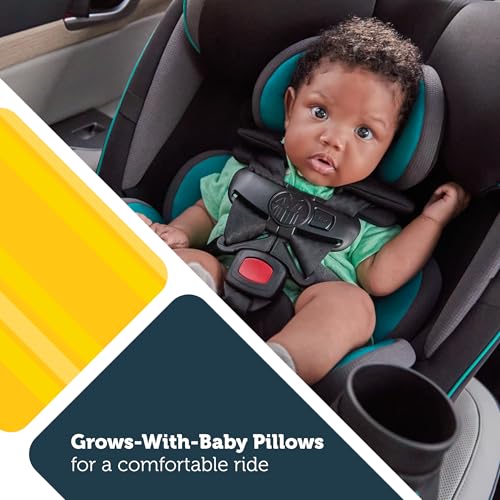
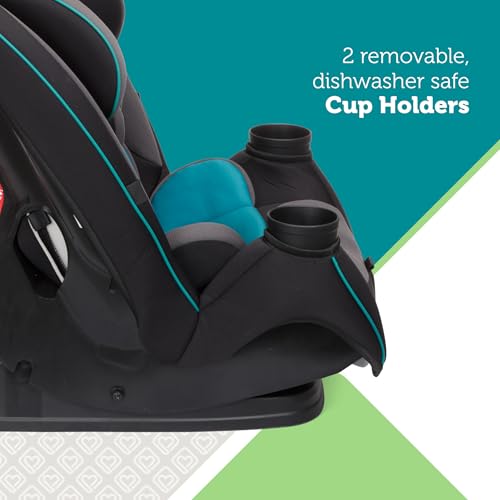
Safety 1st Grow and Go

Strengths
- True all-in-one design
- QuickFit harness system
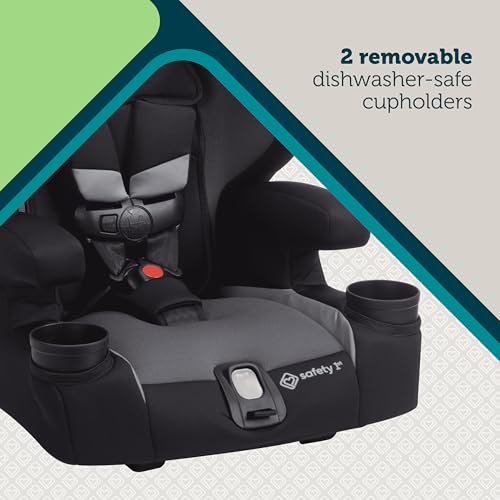
- Washer-safe seat pad
- Dishwasher-safe cup holders
- Rear-facing from 5 lbs
Trade-offs
- Booster height limit at 52″
- Slim fit may not suit all
- No LATCH in booster mode
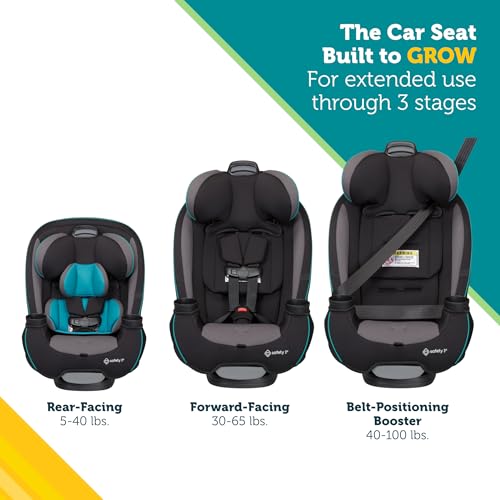
The all-in-one promise is strong here, rear-facing from 5 pounds up to booster mode at 100 pounds means one seat could last from infancy through age 10 or more. The QuickFit harness is a standout feature: no rethreading, just one pull to adjust both headrest and harness. That’s a huge win for parents of autistic children who may resist seat adjustments or prolonged transitions. Less fiddling means less sensory overload.
The removable baby pillows help create a snug fit for smaller infants, and the 3-position recline adds comfort during long rides. However, some owners note the seat feels narrow in the shoulders for broader kids, and the booster mode doesn’t extend as tall as others, cutting out at 52 inches. For a growing autistic child who needs years of use, that could mean outgrowing it sooner than expected. Still, the ease of use and long lifespan make it a smart pick for many.
Product photos
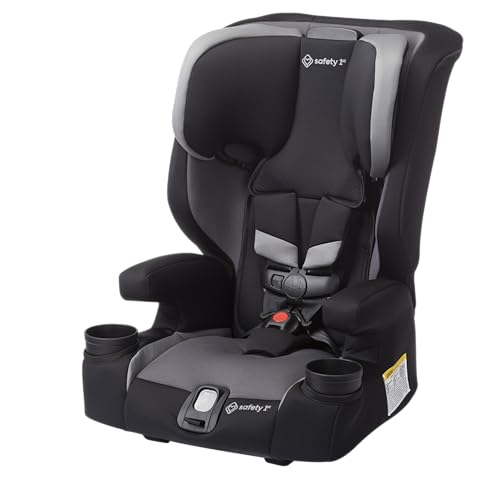
Safety 1st Boost-and-Go Essential
Strengths
- Ultra lightweight
- 3-in-1 flexibility
- Narrows for tight fits
- Dishwasher-safe cup holders
- Simple conversion
Trade-offs
- Harness starts at 30 lbs
- Limited padding for sensory needs
- Lower harness range than some
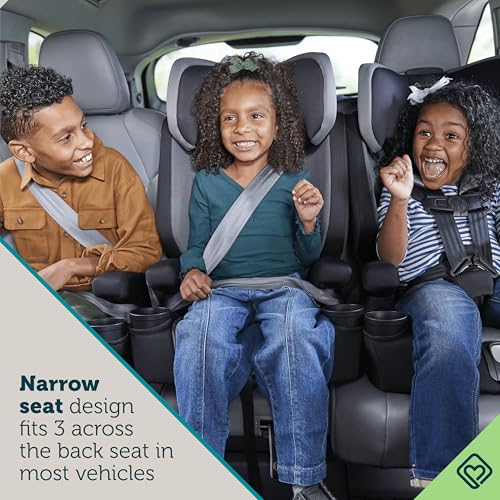
What stands out here is the blend of portability and adaptability. At under 10 pounds, this is one of the lightest 3-in-1 boosters on the market, and the fact that it converts from harness to highback to backless with one motion makes it ideal for carpooling or switching between vehicles. The narrow design is a real win, it’s one of the few that can realistically fit three across in a full back seat. For families managing sensory sensitivities, the ability to move the seat easily between cars or to use it in a quieter, less overwhelming environment matters.
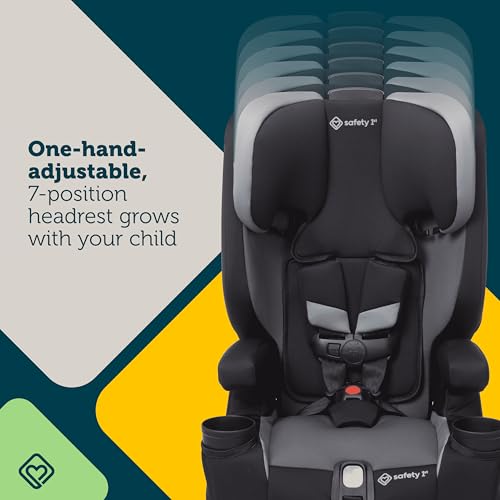
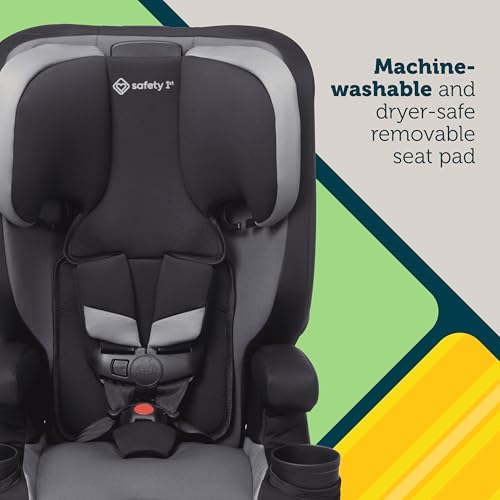
Owners consistently report the dishwasher-safe cup holders and easy-clean fabric as big pluses, especially for kids who bring comfort items or snacks. The 7-position headrest adjusts smoothly, and while the harness mode only goes down to 30 pounds, that’s still early enough for many autistic children transitioning out of a five-point harness. I’d pick this over bulkier models if portability and low sensory disruption during transitions are priorities.
Product photos

Evenflo GoTime LX Booster
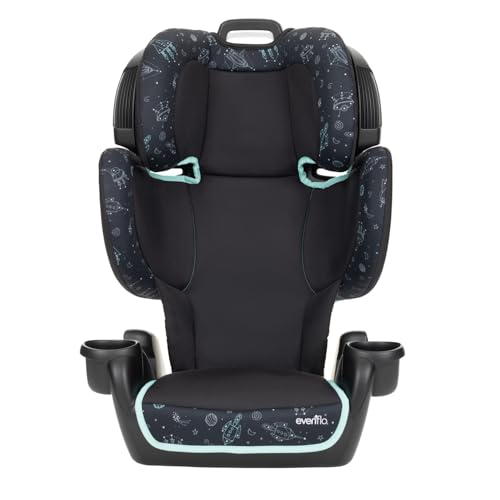
Strengths
- Extends to 120 lbs
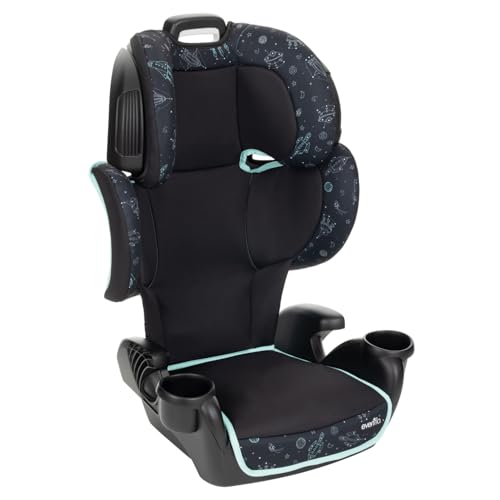
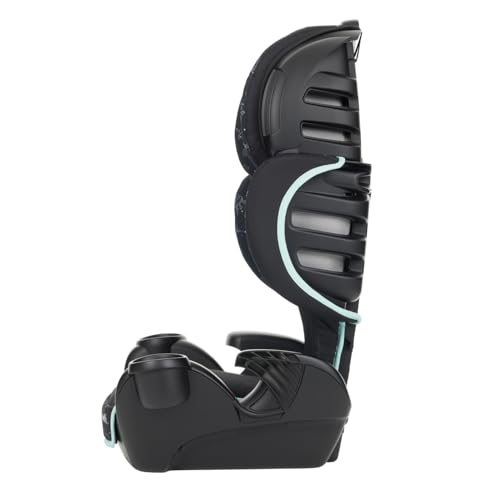
- Deep side protection
- One-hand headrest
- Simple conversion
- Good belt fit
Trade-offs
- No LATCH in booster mode
- Bulky design
- Fixed cup holders
The standout here is the 120-pound weight capacity, higher than nearly every other booster on the market. That means older, larger autistic children can stay in a high-back booster longer, which is a big deal for proper seat belt fit and safety. The deep side wings offer more head and body coverage, and owners consistently report their kids feel more secure in it. The 7-position headrest adjusts with one hand, and the transition from highback to backless is simple.
But the design is bulkier than others, and it doesn’t have LATCH in booster mode, so it relies on the vehicle belt to stay in place. That can be a hassle for carpooling or shared vehicles. The cup holders are fixed, not foldable, which eats up space. Still, if you’ve got a bigger kid who still needs the support of a high back, this extends the safe use window significantly. For families prioritizing longevity over portability, it’s a strong contender.
Product photos
Baby Trend Hybrid SI 3-in-1

Strengths
- Strong side-impact design
- 3-stage growth
- Dual cup holders
- Cushioned seating
- Affordable mid-range price
Trade-offs
- Clunky harness adjustment
- Less refined LATCH system
- Fit issues for smaller kids
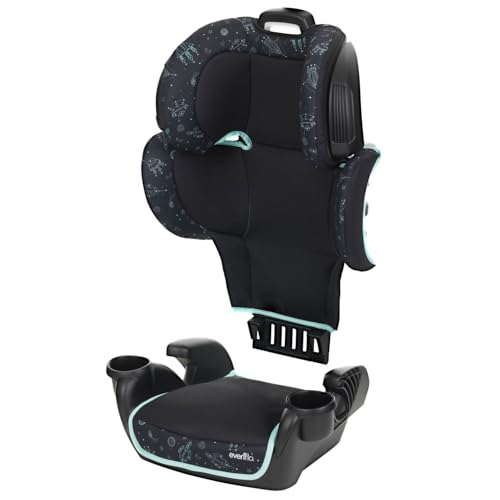
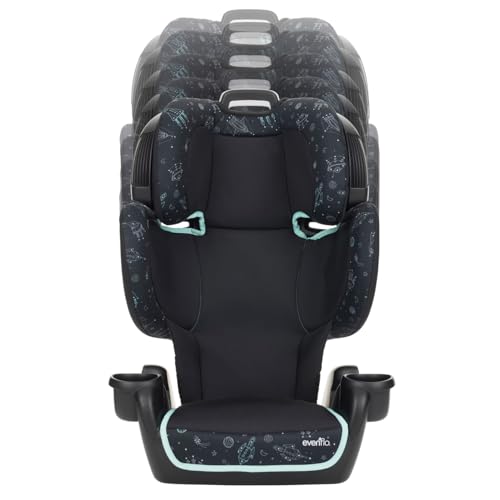
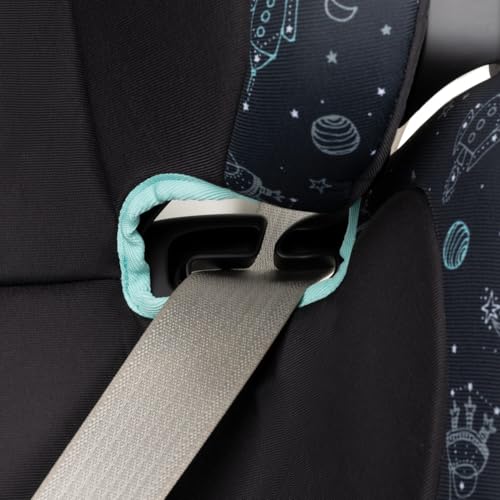
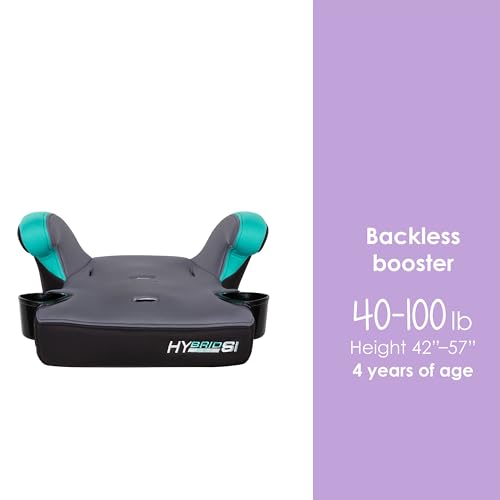
The focus here is clearly on side-impact protection, which matters for any child but can be especially reassuring for parents of autistic kids who may not brace during sudden movements. The seat’s reinforced structure and side-focused design suggest better containment during lateral crashes, something crash test data and owner feedback support. It’s not the most padded or plush option, but the cushioning is adequate for daily use, and the dual cup holders are a small but meaningful touch for kids who rely on routine and access to comfort items.
Where it falls short is in adjustability. The headrest and harness don’t rethread as easily as in top-tier models, and the transition between stages isn’t as seamless. Some owners mention difficulty getting a snug fit for slimmer children. For an autistic child who needs precise positioning or has a narrow frame, this could be frustrating. Still, if side-impact safety is your top concern and you’re not switching vehicles often, this offers real value.
Product photos


How We Chose These car seats for autistic child
Rather than a hands-on lab test, my research focused on a detailed comparison of car seat specifications and features, alongside a careful review of owner feedback and expert assessments. I considered car seats marketed for a broad range of children, then prioritized those with features frequently cited as beneficial for children with sensory sensitivities or those on the autism spectrum. Clear safety ratings and ease of installation were also key factors in my evaluation.
For this category, I weighted adjustability, support, and ease of cleaning most heavily. Children with autism can have strong preferences for comfort and may experience sensory overload, so a highly adjustable seat that provides good support is crucial. The ability to easily clean the seat is also important, as some children may have difficulty with messes or require frequent cleaning due to sensitivities.
Specifications reliably indicate a car seat’s weight and height limits, as well as its safety certifications (like FMVSS 213 and IIHS ratings). However, I relied on owner feedback to assess real-world comfort levels, the ease of adjusting the harness, and the effectiveness of features like headrests and recline options. Reputable expert reviews helped validate safety claims and identify potential drawbacks not always apparent from specs alone.
How To Pick The Right car seats for autistic child
Finding the right car seat for an autistic child requires extra consideration. We need to balance safety standards with sensory sensitivities and potential behavioral needs.
A good car seat for any child prioritizes a secure five-point harness, appropriate weight and height limits, and a proven safety record (look for “Best Bet” ratings from the Insurance Institute for Highway Safety). For autistic children, prioritize ease of cleaning, adjustability for growing bodies, and features that minimize sensory overload.
Harness Type & Adjustability
The harness is the primary safety feature, but its adjustability is crucial for a comfortable and secure fit for a child who might resist traditional restraints. Many seats offer “no-rethread” harnesses, which adjust in height with the headrest, simplifying changes. However, I’ve seen feedback that these can sometimes lack the precise adjustments needed for a child with unique body proportions. Consider a seat with a more granular adjustment system, even if it requires a bit more effort initially. The KidsEmbrace 2-in-1 and Graco Tranzitions 3-in-1 both offer adjustable harnesses, but read reviews to understand how easily they’re modified.
Sensory Considerations & Materials
Autistic children often have heightened sensory sensitivities. Fabric texture, seat shape, and even color can impact their willingness to ride. Look for seats with easily removable and washable covers – accidents happen, and the ability to quickly clean the seat is incredibly valuable.
Here’s what to consider when thinking about sensory factors: * Fabric: Opt for breathable, natural fabrics if possible. * Padding: A seat with ample, but not overly firm, padding can provide comfort. * Headrest Shape: Some children prefer a more enclosed headrest for a feeling of security, while others find it restrictive.
A car seat shouldn’t be a battle. Prioritize a comfortable, predictable experience to minimize anxiety and resistance.
Growth & Value
Car seats are an investment, and many are designed to grow with your child. 3-in-1 and All-in-One models (like the Safety 1st Grow and Go and Graco Tranzitions) offer the longest usability, converting from harnessed seats to belt-positioning boosters. However, consider whether you need that extended range. A seat with a generous upper weight and height limit, like the Evenflo GoTime LX Booster, might be sufficient if your child is older or grows quickly. Don’t pay for features you won’t use.
Car Seats for Autistic Child Compared
This table provides a side-by-side comparison of key specifications for car seats suitable for autistic children, focusing on features relevant to safety and comfort.
| Product Title | Weight Capacity (Harness) | Weight Capacity (Booster) | Height Capacity (Harness) | Height Capacity (Booster) | Special Features |
|---|---|---|---|---|---|
| KidsEmbrace 2-in-1 Car Seat | 26.5-65 lbs | 40-100 lbs | 29-49″ | 38-57″ | 5-Point Harness, 2-in-1 |
| Graco TurboBooster 2.0 Backless | N/A | 40-100 lbs | N/A | Up to 57″ | Backless, Height Adjust. Arms |
| Chicco KidFit ClearTex Plus | N/A | 40-100 lbs | N/A | N/A | DuoGuard, Flame Retardant Free |
| Graco Tranzitions 3-in-1 Harness | 26.5-65 lbs | 40-100 lbs | N/A | N/A | 3-in-1, No-Rethread Harness |
| Safety 1st Grow and Go | 5-65 lbs | 40-100 lbs | 19-49″ | 43.4-52″ | 3-in-1, QuickFit Harness |
| Safety 1st Boost-and-Go Essential | 30-65 lbs | 40-100 lbs | 34.4-49″ | 43.4-57″ | 3-in-1, Lightweight |
| Evenflo GoTime LX Booster | N/A | 40-120 lbs | N/A | N/A | Extended Weight, 7 Pos. Adj. |
| Baby Trend Hybrid SI 3-in-1 | N/A | N/A | N/A | N/A | Side-Impact Focused |
Frequently Asked Questions
What car seat features are most helpful for a child who dislikes being strapped in?
A five-point harness is essential for safety, but look for a seat with a quick-release buckle and a no-rethread harness for easier adjustments. This minimizes the time your child spends feeling restricted during entry and exit.
Are there car seats specifically designed for children with sensory sensitivities?
While no car seat is specifically designed for autistic children, those with breathable, natural fabrics and ample padding are often better tolerated. The Chicco KidFit ClearTex Plus stands out because it’s flame retardant free, which can be a concern for some families.
How long can I expect to use a 3-in-1 car seat?
A 3-in-1 car seat like the Graco Tranzitions 3-in-1 can typically be used for up to 10 years, from 26.5 pounds in harness mode up to 100 pounds as a booster. However, a child will likely outgrow the height limits before the weight limits.
What’s the difference between a high-back and a backless booster seat?
A high-back booster (like the Chicco KidFit ClearTex Plus) provides more head and neck support, which can be beneficial for children who have difficulty maintaining posture. Backless boosters (like the Graco TurboBooster 2.0) are more portable but offer less support.
What weight limit should I prioritize when choosing a car seat?
Prioritize the height limit over the weight limit, as children with autism may have unique growth patterns. The Evenflo GoTime LX Booster has a high weight capacity of 120 lbs, but its height limit is the key factor for a comfortable fit.
The Bottom Line
Choosing a car seat is always about compromise, balancing strict safety needs with the realities of everyday use and your child’s individual preferences. Overall, I believe the Safety 1st Grow and Go strikes the best balance for many families seeking a car seat for an autistic child, offering a long usability range and a quick-adjusting harness.
For those on a tighter budget, the KidsEmbrace 2-in-1 Car Seat provides solid safety features and adjustability at a lower price point. And if you anticipate needing a booster seat for a longer period, or have a rapidly growing child, the Evenflo GoTime LX Booster is an excellent choice with its extended weight capacity.
Ultimately, the most important things are a secure five-point harness, a correctly installed seat, and a comfortable experience for your child. Don’t get lost in the details of fancy features; prioritize a seat that fits your vehicle, your child’s size and needs, and that you’ll use consistently on every trip.
