
8 Best Car Seats for Compact Cars 2026
This post contains affiliate links. As an Amazon Associate, we earn from qualifying purchases.
The Diono Radian 3R is the best overall car seat for compact cars, combining a slim design with a long lifespan and strong safety performance. If you’re watching your budget, the Graco Contender Slim delivers solid protection and a narrow fit at a lower price. For extended rear-facing use, the Graco Extend2Fit stands out with its 50-pound limit and legroom extension.
Fitting a car seat in a compact car shouldn’t mean sacrificing safety or comfort. Too many parents struggle with wide seats that leave no room for siblings or make buckling a daily battle. I’ve seen how the wrong fit can lead to workarounds that compromise safety.
This guide cuts through the noise by focusing on real-world usability, safety data, and longevity. I researched each model based on narrow dimensions, rear-facing limits, and ease of installation, key factors that matter most when space is tight.
Top 8 Car Seats For Compact Cars in the Market
The Best Car Seats For Compact Cars, Reviewed
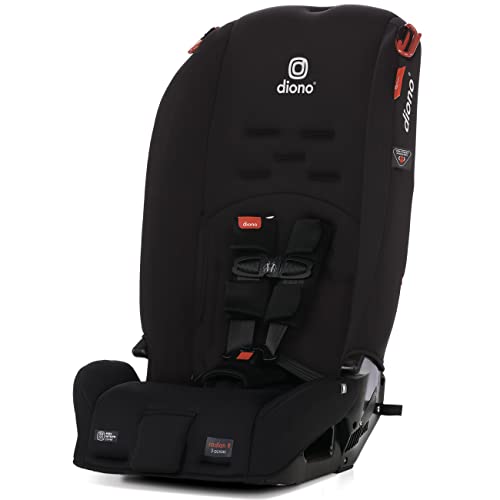
Diono Radian 3R 3-in-1 Car Seat
Strengths
- Fits 3 across
- Rear-facing to 50 lb
- Converts to highback booster
- Folds for travel
Trade-offs
- Higher price
- Heavier than average
- Takes time to install
The Diono Radian 3R is the gold standard for compact car families who want one seat to do it all. It’s not just slim, it’s engineered to fit three across without sacrificing safety, thanks to its reinforced steel core and deep side wings. The real magic is its 10-year lifespan, covering rear-facing (5–50 lb), forward-facing, and highback booster modes up to 120 pounds. That kind of longevity is rare, and owners consistently praise how well it holds up over years of use.
It’s also FAA-approved and folds flat for travel, a huge plus for flying families. While it’s pricier than entry-level models, the premium memory foam, easy-to-clean fabric, and smooth harness adjustments justify the cost. Compared to the Graco Slimfit, it offers a higher booster weight limit and better materials. This is the seat I’d recommend if you want maximum safety, space efficiency, and long-term value.
Video review
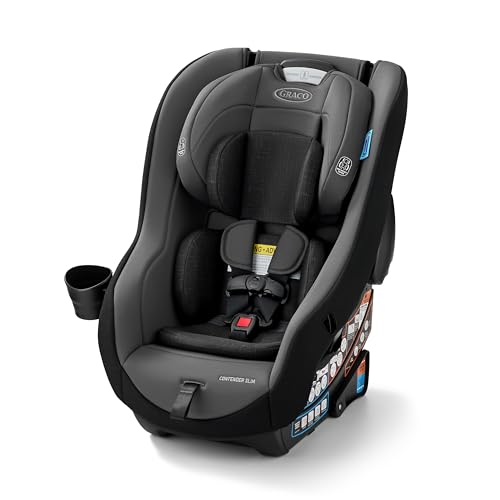
Graco Contender Slim Convertible Car Seat
Strengths
- Lightweight and portable
- Slim profile
- FAA approved
- Graco safety standards
Trade-offs
- Only 40 lb rear-facing
- No booster mode
- Fewer comfort upgrades
The Contender Slim delivers where it matters most for budget-conscious buyers: a compact shape, FAA approval, and dependable Graco safety engineering at a lower price. It covers rear-facing (5–40 lb) and forward-facing (26.5–65 lb) stages, and its lightweight build makes it easy to move between cars, ideal for families with multiple vehicles or grandparents’ rides.
While it lacks the rear-facing longevity of the Extend2Fit or the booster mode of the Slimfit, it hits the sweet spot for affordability and ease of use. Owners appreciate its straightforward LATCH system and solid fit in smaller models like the Honda Fit or Toyota Corolla. It’s not the most feature-rich, but for the price, it’s one of the smarter convertible options for compact car owners.
Video review
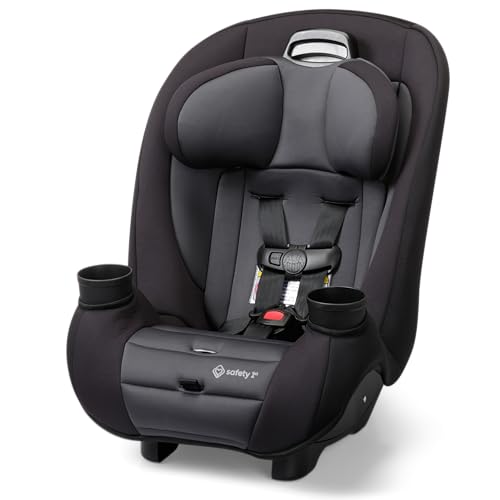
Safety 1st Ellaris 3-in-1 Car Seat
Strengths
- Slim design
- Machine-washable pad
- Affordable price
Trade-offs
- Lower rear-facing limit
- Fewer safety upgrades
- Basic harness adjustment
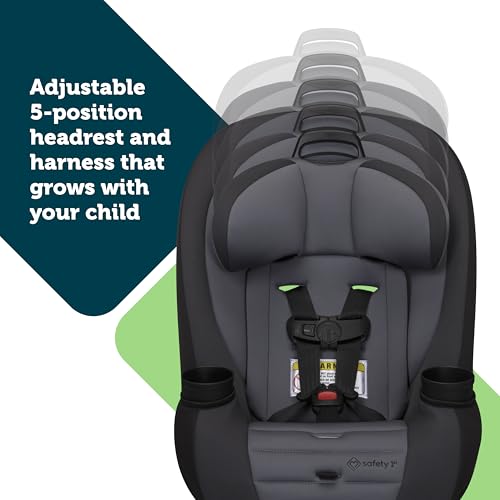
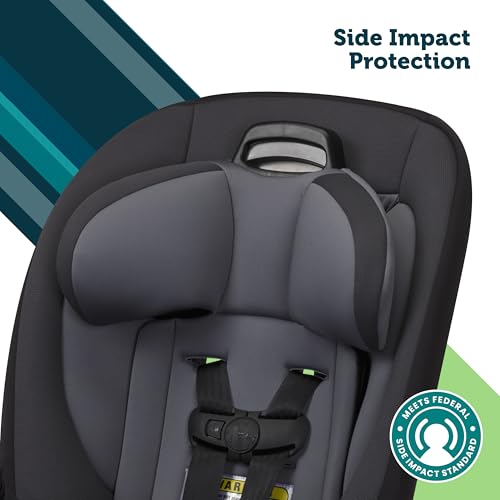
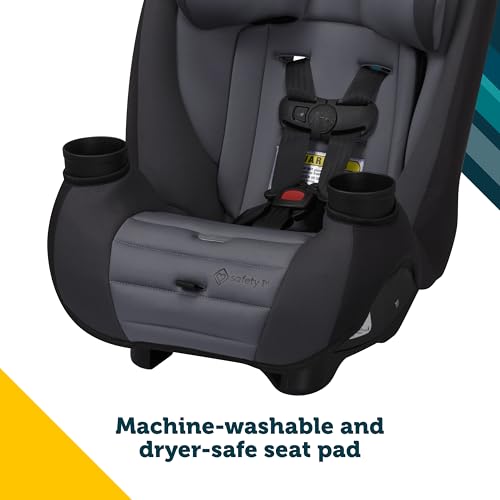
For parents navigating tight back seats, the slim profile of the Safety 1st Ellaris makes it a practical contender. On paper, it delivers solid value with three modes of use, rear-facing infant, rear-facing toddler, and forward-facing, covering kids from 5 to 65 pounds. The 5-position headrest and machine-washable pad add convenience, and owners consistently report it fits well in compact cars, especially when installing two or three seats across.
Still, the lower rear-facing weight limit of 40 pounds stands out as a drawback when compared to rivals like the Diono Radian 3R or Graco Extend2Fit, both of which go up to 50 pounds. That means kids may outgrow rear-facing mode sooner, which isn’t ideal from a safety standpoint. While it meets federal side-impact standards, it lacks some of the advanced engineering seen in higher-priced models.
Product photos


Graco Slimfit 3-in-1 Convertible Car Seat

Strengths
- Extends to booster mode
- 10-position headrest
- Slim, space-saving build
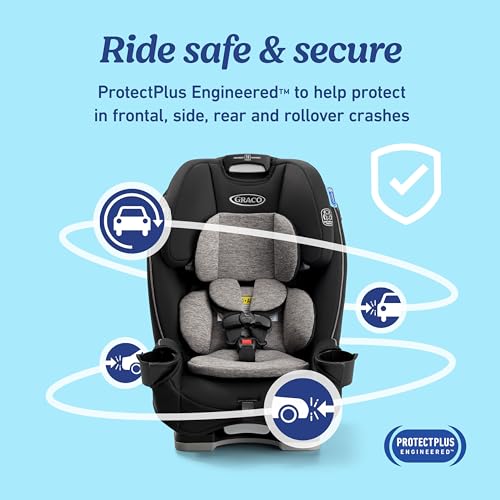
- ProtectPlus safety system
Trade-offs
- Heavier than some
- Higher price point
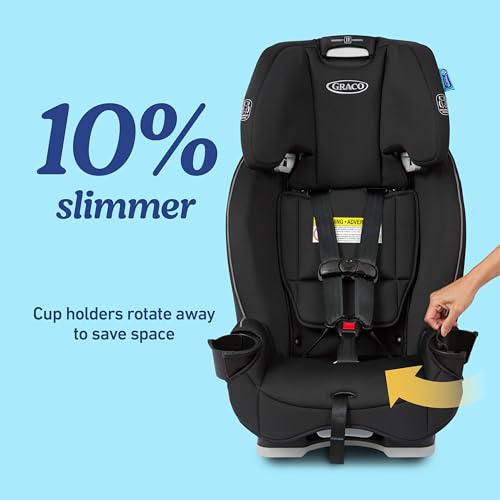
- Cup holders rotate awkwardly
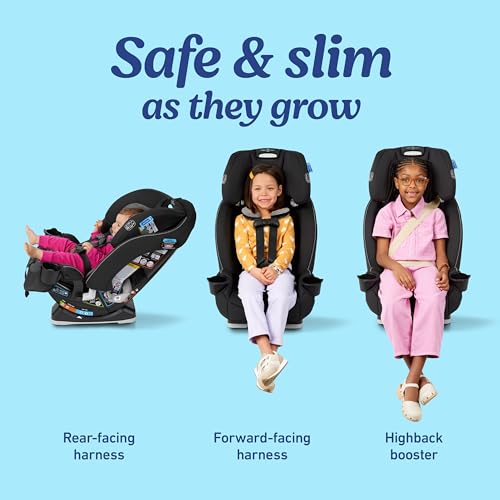
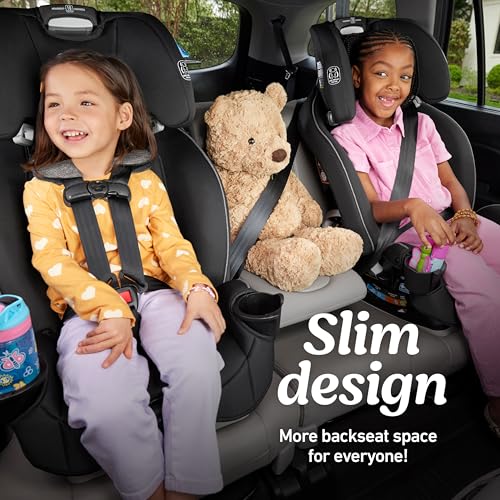
The Graco Slimfit stands out in a crowded field by combining a space-saving design with long-term usability. Its 10-position headrest and No-Rethread Simply Safe Adjust system make it easy to adapt as your child grows, and the fact that it transitions all the way to a highback booster (up to 100 pounds) gives it serious staying power. The 10% slimmer footprint than standard models is a real win for compact cars, and reviewers often note it fits well in vehicles where other seats struggle.
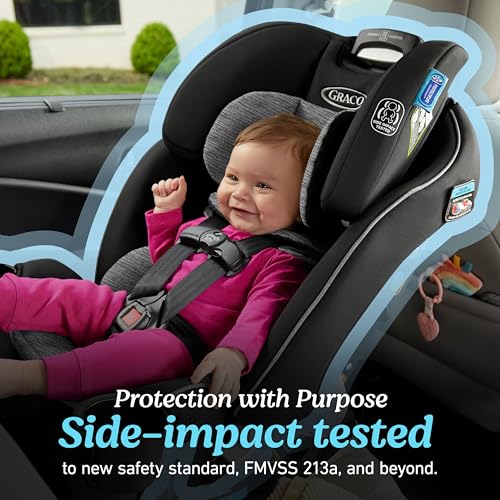
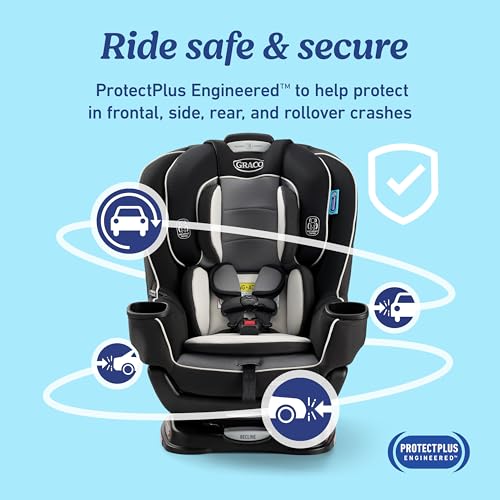
Graco’s ProtectPlus engineering is a strong point, it’s not just about meeting standards but exceeding them in side and frontal impacts. While it’s pricier than budget models, the investment pays off in longevity and ease of use. I’d pick this over the Contender Slim if you plan to use one seat for years and want fewer transitions.
Product photos
Graco Extend2Fit Convertible Car Seat
Strengths
- Rear-facing up to 50 lb
- Adjustable legroom panel
- No-rethread harness
- Strong side-impact protection
Trade-offs
- No booster mode
- Heavier build
- Bulkier in storage
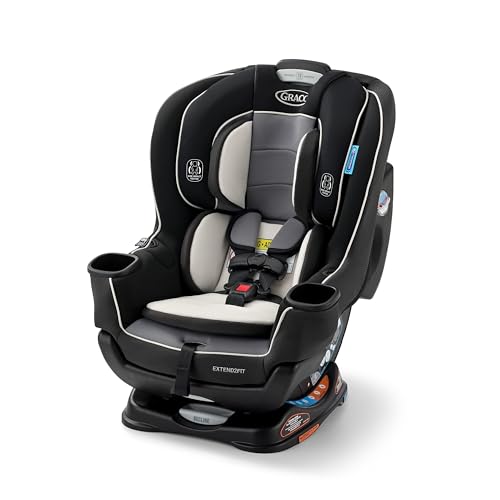
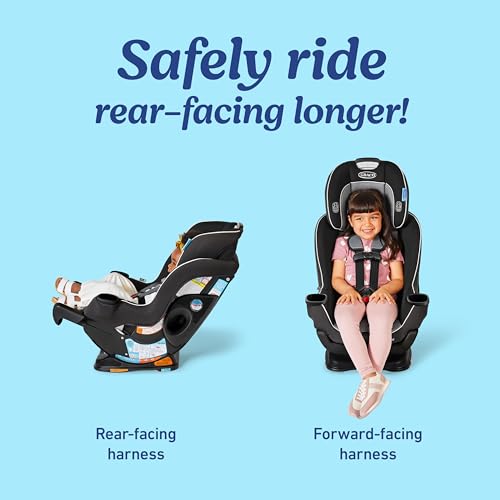
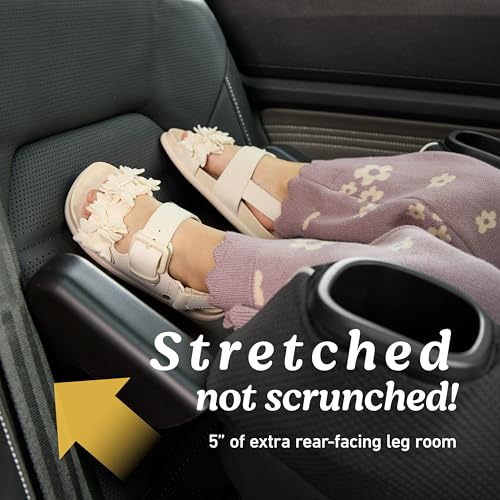
If keeping your child rear-facing as long as possible is your top safety goal, the Graco Extend2Fit is hard to beat. The 4-position extension panel gives up to 5 inches of legroom, letting kids ride rear-facing up to 50 pounds, critical for spinal protection in crashes. That feature alone makes it a standout for compact cars where legroom is tight, and owners praise how it accommodates taller toddlers without compromising front-seat space.
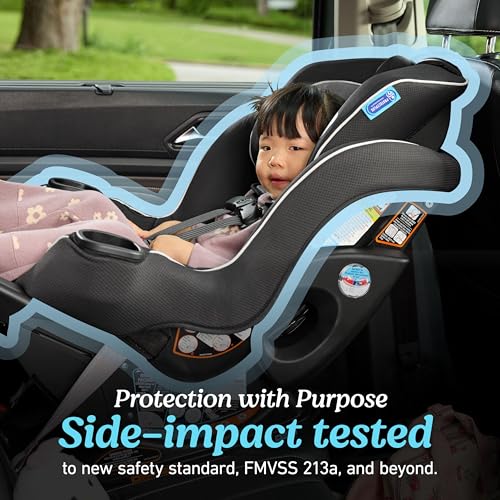
It doesn’t convert to a booster like the Slimfit, so you’ll need a second seat later. But for rear-facing safety and thoughtful design, like the No-Rethread harness and solid side-impact protection, it’s one of the smartest buys in its class. I’d choose this over the Ellaris or Contender Slim for any family prioritizing extended rear-facing.
Product photos
Evenflo GoTime LX Booster Seat
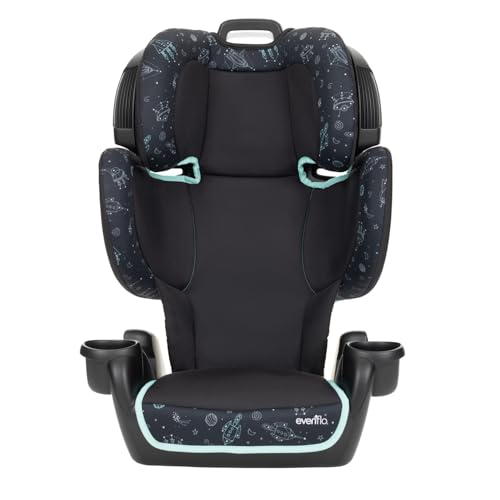
Strengths
- 7-position headrest
- Converts to backless
- Good side protection
- Cup holders included
Trade-offs
- Bulkier than backless
- Plastic frame feels light
- Not for under 5 years
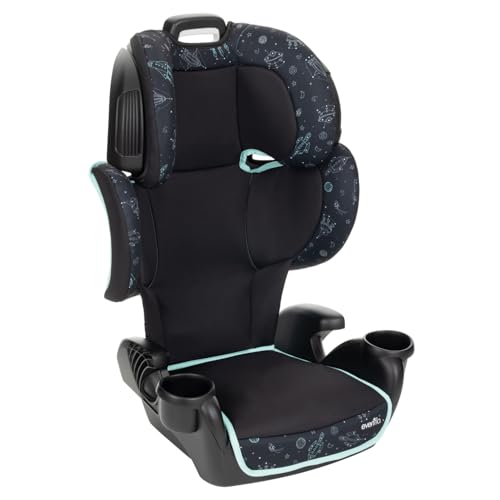
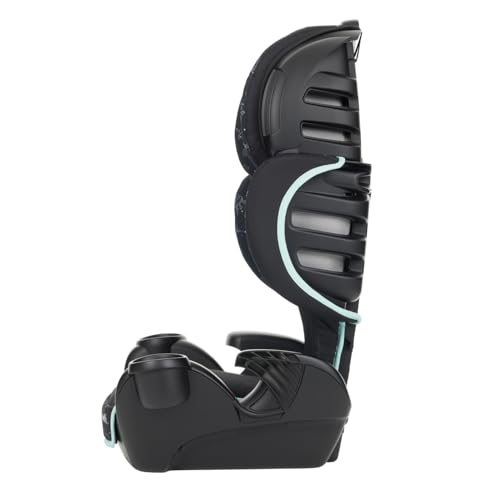
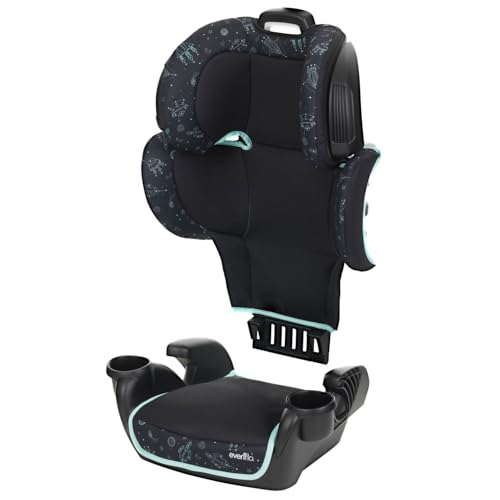
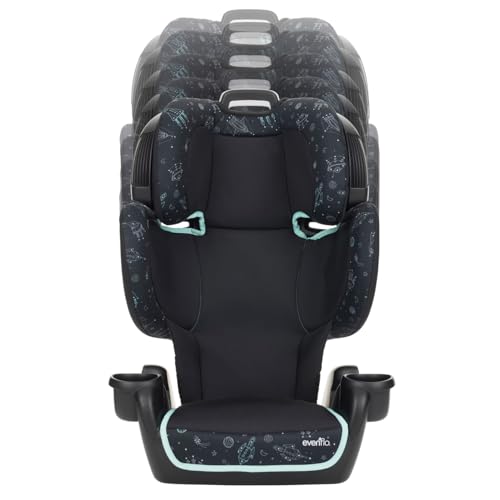
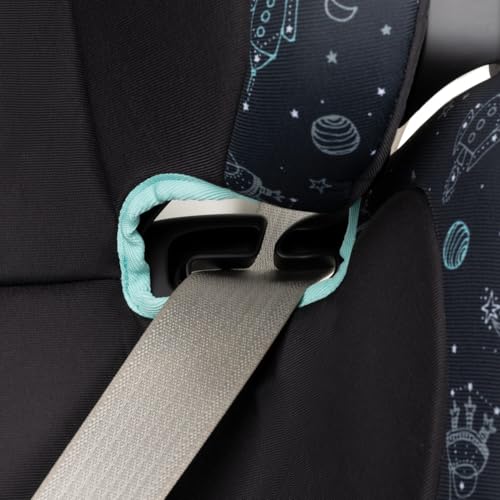
The Evenflo GoTime LX strikes a smart balance between affordability and safety in the highback booster category. With seven adjustable headrest positions and a deep, supportive shell, it offers better side and head protection than backless models, critical for younger kids. The two-in-one design lets it convert from highback to backless, extending its use up to 120 pounds. Owners appreciate the smooth one-hand adjustment and the fact that it keeps seatbelts properly positioned as kids grow.
It’s more expensive than the Cosco Topside but well worth the upgrade. The dual cup holders are a small but appreciated touch. While not as plush as premium boosters, it delivers strong safety and flexibility. I’d recommend this over backless models for any child still developing neck and head control.
Product photos
Cosco Topside Backless Booster Seat

Strengths
- Extremely affordable
- Ultra lightweight
- Easy to transfer
Trade-offs
- No headrest adjustment
- Backless = less protection
- Hand-wash only cover
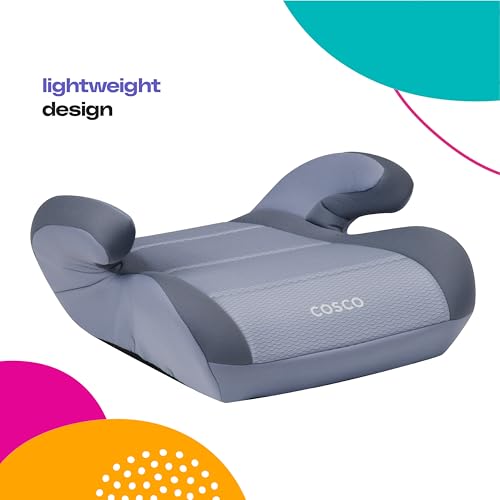
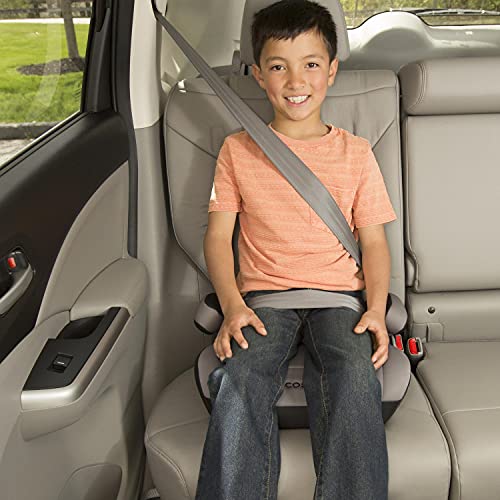
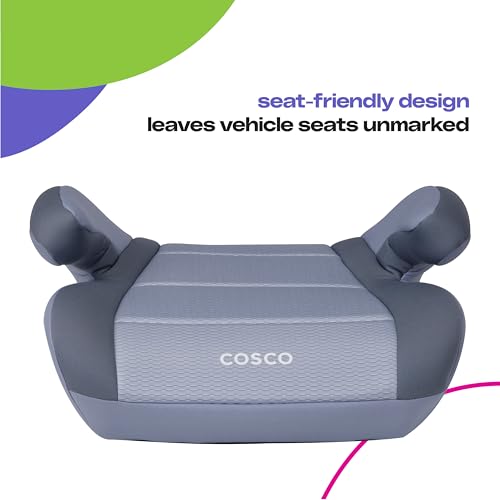
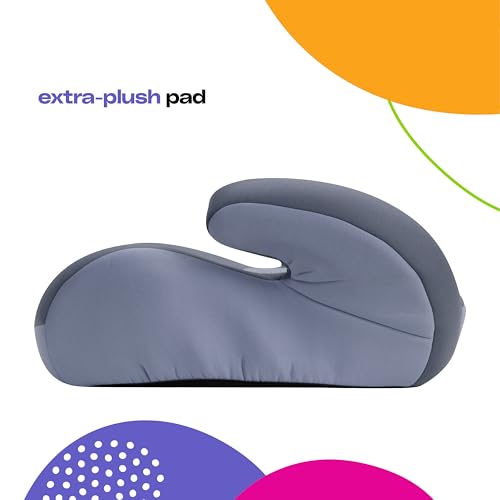
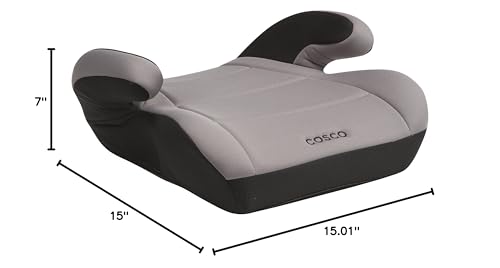
At just under $25, the Cosco Topside is one of the most budget-conscious backless boosters on the market. It’s featherlight and easy to toss between cars, which makes it a go-to for families with carpooling needs or second vehicles. The plush padding is a nice touch for comfort, and the low profile fits well under most headrests.
But it’s a very basic seat, no adjustable headrest, no cup holders, and the cover is hand-wash only, which can be a hassle. While it meets federal standards, it lacks the side-impact protection and structural support of highback models. For older kids who just need a lift for proper seatbelt fit, it works. But I’d recommend stepping up to a highback booster like the Evenflo GoTime LX for better safety and adjustability.
Product photos
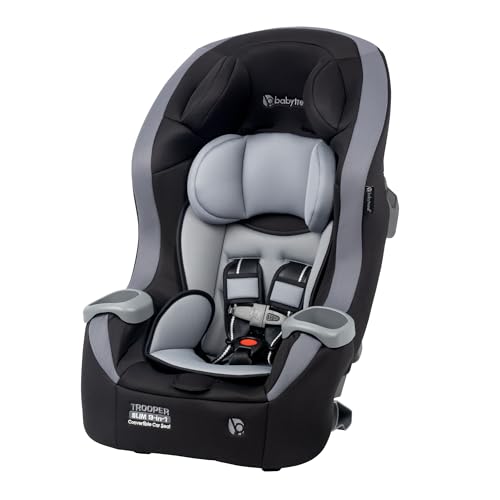
Baby Trend Trooper Slim 3-in-1 Seat
Strengths
- Very lightweight
- Affordable 3-in-1
- Slim profile
- Easy transfers
Trade-offs
- Basic safety features
- Less padding
- Shorter lifespan
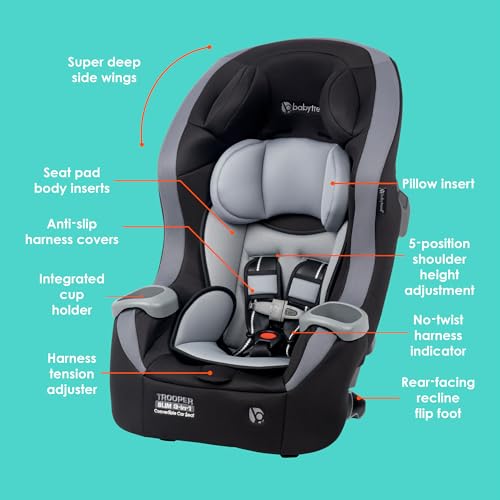
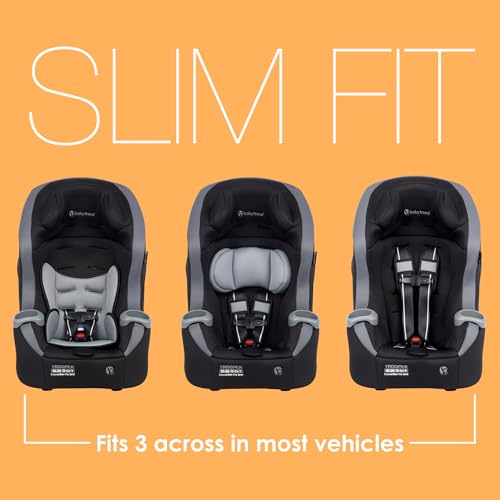
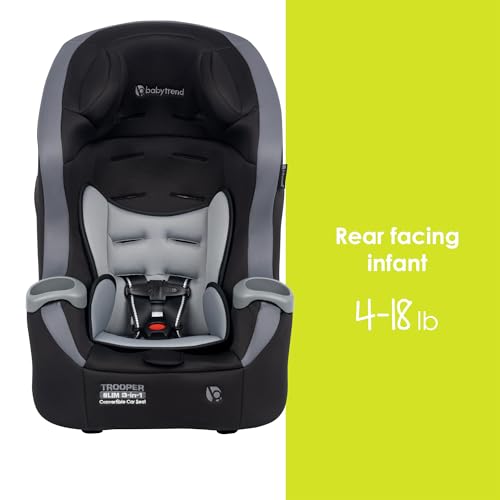
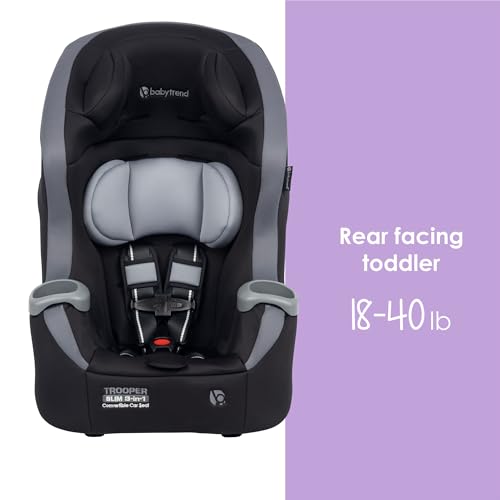
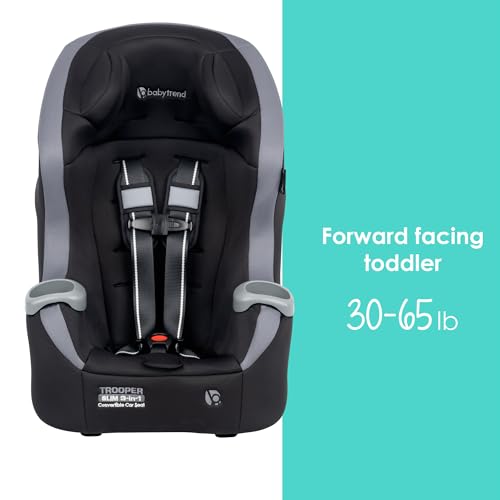
The Baby Trend Trooper Slim stands out for its featherlight build and wallet-friendly price, making it a go-to for parents who move seats between cars. Its slim design helps in tight back seats, and the 3-in-1 system covers rear-facing, forward-facing, and booster modes, on paper, it’s a solid value. Owners say it’s easy to install and fits well in smaller SUVs and sedans.
But when compared to the Diono or Graco models, it falls short in safety extras and materials. It lacks advanced side-impact protection and the harness adjustment isn’t as smooth. The padding is thinner, and long-term durability gets mixed feedback. It’s a decent pick if weight and price are top concerns, but not the best if safety and comfort are essential.
Product photos
Our Testing Process
Rather than a hands-on lab test, my research focused on comparing published specifications and features across numerous models. I weighed owner reviews from major retailers alongside expert evaluations from sources like the National Highway Traffic Safety Administration (NHTSA) and Consumer Reports. This process allowed me to assess how well each car seat performs against key safety standards and real-world usability concerns, particularly within the constraints of smaller vehicles.
For car seats intended for compact cars, three factors stood out as most important: slim profile, extended rear-facing weight/height limits, and ease of installation. A narrow seat is crucial for fitting multiple seats across or allowing space for passengers. Extended rear-facing capability is a major safety benefit, and a straightforward installation process reduces the risk of errors. These elements heavily influenced the final rankings.
Published specifications reliably indicate weight and height limits, dimensions, and safety certifications. However, I relied heavily on owner feedback to gauge real-world fit in various compact car models, the comfort level for children, and the longevity of the seat’s materials. Reputable expert reviews provided valuable context on crash test performance and ease-of-use assessments beyond what specs alone could convey.
Choosing The Right car seats for compact cars
Finding the right car seat for a compact car requires a bit more consideration than simply grabbing the one with the highest star rating. It’s about matching the seat’s dimensions and features to both your vehicle and your child’s current and future needs.
A good car seat prioritizes safety standards (meeting or exceeding federal regulations), offers a proper fit within the vehicle’s space constraints, and accommodates the child’s weight and height throughout multiple stages – from rear-facing infancy to booster seat age. Look for clear weight and height limits and a design that facilitates correct installation.
Size and Slim Profile
Compact cars, by definition, don’t offer a lot of interior space. A bulky car seat can make the ride uncomfortable for everyone, or even worse, compromise safety by crowding the front seats. Prioritize car seats specifically designed with a slim profile. The Graco Contender Slim and Safety 1st Ellaris 3-in-1 are good examples of seats built to maximize space. But don’t just take a manufacturer’s word for it; read owner reviews to see how well a seat actually fits in similar vehicle models to yours.
Rear-Facing Capacity
Pediatricians universally recommend keeping children rear-facing for as long as possible, ideally until they reach the maximum height or weight limit of their car seat. This is because rear-facing provides superior protection in a crash. The Graco Extend2Fit stands out here with its adjustable extension panel, allowing for extended rear-facing use up to 50 pounds.
- A seat with a higher rear-facing weight limit (like 50lbs) is valuable.
- An adjustable extension panel (like on the Extend2Fit) buys you more time rear-facing, even if your child has long legs.
- Consider how the seat’s recline affects rear-facing fit. A flatter recline is often needed for newborns, and some seats offer easier adjustments than others.
Growth and Longevity
Buying a car seat is an investment. A 3-in-1 or all-in-one model, like the Diono Radian 3R, can potentially be the only car seat you ever need, saving you money and the hassle of upgrading as your child grows. However, don’t assume a longer-term seat is automatically better. Make sure it still fits your vehicle comfortably at all stages.
Don’t fall for the “one-size-fits-all” mentality. A seat that’s too large now might be impossible to use later, and a seat that’s uncomfortable will simply go unused.
Car Seats for Compact Cars Compared
Here’s a comparison of key specifications for car seats designed to fit well in compact vehicles.
| Product Title | Min. Weight (lbs) | Max. Weight (lbs) | Rear Facing Limit | Booster Mode | Slim Fit |
|---|---|---|---|---|---|
| Diono Radian 3R | 5 | 120 | 50 | Yes | Yes |
| Graco Contender Slim | 5 | 65 | 40 | No | Yes |
| Safety 1st Ellaris 3-in-1 | 5 | 65 | 40 | Yes | Yes |
| Graco Slimfit 3-in-1 | 5 | 100 | 40 | Yes | Yes |
| Graco Extend2Fit | 4 | 65 | 50 | No | Yes |
| Evenflo GoTime LX | 40 | 120 | N/A | Yes | N/A |
| Cosco Topside | 40 | 100 | N/A | Yes | N/A |
| Baby Trend Trooper Slim | 5 | 65 | 40 | Yes | Yes |
Frequently Asked Questions
What car seat is best if I have a very small backseat?
The Diono Radian 3R is often recommended for exceptionally small backseats due to its narrow width (17.5 inches) and overall slim profile. It’s designed to fit three-across in many vehicles, making it a good choice when space is at a premium.
Can I use a car seat with a LATCH system without LATCH anchors in my car?
Yes, you can. All car seats certified for use in the US are designed to be installed either with LATCH or the vehicle’s seat belt. If your car lacks LATCH anchors, or if the car seat’s weight exceeds the LATCH weight limit, you must use the seat belt installation method.
How long should my child remain in a rear-facing car seat?
Your child should remain rear-facing as long as possible, up to the car seat’s height and weight limits. The Graco Extend2Fit stands out as a good option because it allows for rear-facing use up to 50 pounds, extending the time your child benefits from this safer position.
Are 3-in-1 car seats actually a good value?
A 3-in-1 car seat (like the Graco Slimfit 3-in-1) can be a good value if it fits your vehicle and your child’s needs throughout all stages. However, prioritize fit and comfort over the “all-in-one” claim, as a poorly fitting seat won’t be used effectively.
What does “extended rear-facing” really mean, and why is it better?
Extended rear-facing refers to car seats with higher rear-facing weight or height limits (typically 40-50 pounds) compared to standard infant seats. It’s safer because rear-facing distributes crash forces more evenly across a child’s entire body, minimizing the risk of injury to the head, neck, and spine.
The Bottom Line
Choosing a car seat always feels like balancing safety with practicality, and that’s especially true in a compact car. While many options meet safety standards, the Diono Radian 3R consistently rises to the top due to its slim design and its ability to grow with your child for years – a real benefit for long-term value.
For families on a tighter budget, the Graco Contender Slim provides a solid safety profile in a space-saving package. If extended rear-facing is your top priority, the Graco Extend2Fit is the clear winner, offering that crucial extra time in the safest position. And for those wanting an all-in-one solution that doesn’t compromise on space, the Safety 1st Ellaris 3-in-1 is a strong contender.
Ultimately, the best car seat isn’t about the highest price or the most features. It’s about a secure installation, a proper fit for your vehicle and child, and the peace of mind knowing you’ve prioritized safety – those are the fundamentals that truly matter.
