
6 Best Car Seats for Air Travel 2026
This post contains affiliate links. As an Amazon Associate, we earn from qualifying purchases.
The best car seat for air travel is the WAYB Pico, it’s lightweight, FAA-approved, and folds small enough to handle airport chaos. For older kids, the BubbleBum inflatable booster is a smart budget-friendly pick, and the UberBoost offers solid versatility if you need something even more packable.
Traveling with a car seat shouldn’t mean wrestling with a bulky, heavy seat from check-in to gate to rental car. Yet so many parents end up doing just that, not realizing there are lighter, smarter options built for real-world travel.
After researching FAA-compliant models, comparing specs, and reviewing feedback from thousands of traveling families, I focused on what actually matters: weight, folded size, ease of installation, and durability. This guide cuts through the noise to highlight the seats that parents consistently say make flying with kids less stressful, without compromising safety.
Top 6 Car Seats To Travel With On Planes in the Market
The Best Car Seats To Travel With On Planes, Reviewed
WAYB Pico Travel Car Seat

Strengths
- FAA approved
- Folds compact
- Lightweight at 8 lbs
Trade-offs
- Very high price
- Only for forward-facing kids
- Limited weight range
The WAYB Pico is the only travel car seat I’d confidently recommend for air travel with a forward-facing child, and it earns the ‘Best Overall’ title by balancing safety, portability, and real-world usability. It’s FAA-approved, meets NHTSA standards, and folds down to a size that fits in overhead bins, something most car seats can’t claim. At just 8 pounds, it’s dramatically lighter than even the slimmest traditional seats, and the carry bag makes it genuinely airport-ready.
Reviewers note how smooth the transition is from plane to taxi to rental car, and the aerospace-grade frame gives me confidence in its durability despite the weight savings. The AstroKnit fabric resists sweat and spills, which matters when you’re traveling with a kid who might be overheated or fussy. Yes, it’s expensive, but you’re paying for innovation that solves real pain points: no more gate-checking car seats, no wrestling with heavy gear, and no compromising on safety. Compared to inflatable boosters, this works for younger kids and offers harness protection. It’s not for everyone, but for frequent flyers, it’s worth the investment.
Video review
UberBoost Inflatable Booster Seat
Strengths
- FAA approved
- Non-skid base
- Easy to pack
Trade-offs
- Less durable feel
- Slightly bulkier when inflated
- Not for young toddlers
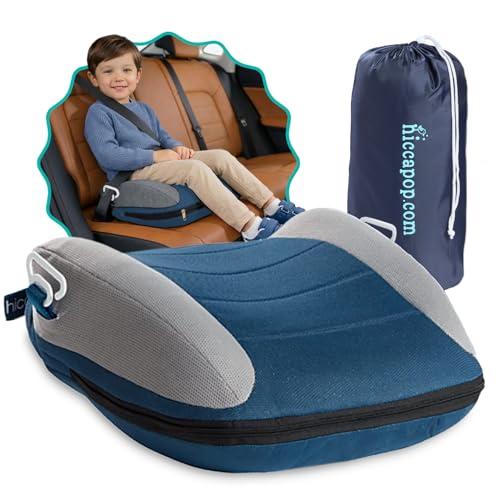
The UberBoost is essentially a budget twin of the BubbleBum, offering the same inflatable, packable concept at the same price point. It meets FMVSS 213 safety standards and is FAA-approved, so you’re not sacrificing compliance for cost. The non-skid base is a standout, owners say it stays put even on slick leather seats, which is a common complaint with inflatable models.
It inflates quickly with a few breaths and packs into its own travel bag, making it nearly as portable as the BubbleBum. The design is slightly wider, so it may not fit three across as easily, and some users report the material feels a bit thinner. But for families who want a no-frills, affordable inflatable booster for occasional use, like school carpools or weekend trips, it gets the job done. I’d pick the BubbleBum for slightly better durability and brand reputation, but the UberBoost is a solid alternative if you’re watching the budget.
Video review
BubbleBum Inflatable Travel Booster
Strengths
- Ultra compact
- FAA approved
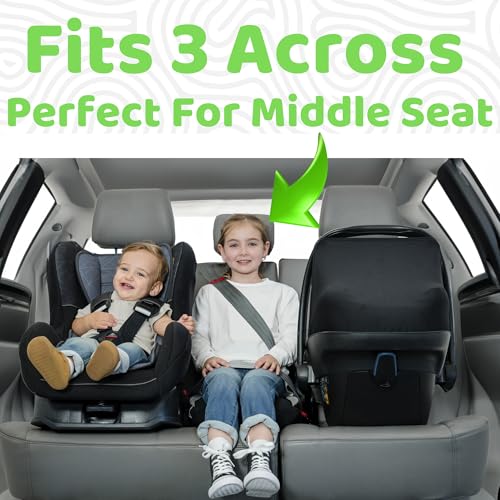
- Fits 3 across
Trade-offs
- Less durable than rigid boosters
- Requires inflation
- Not for infants or toddlers
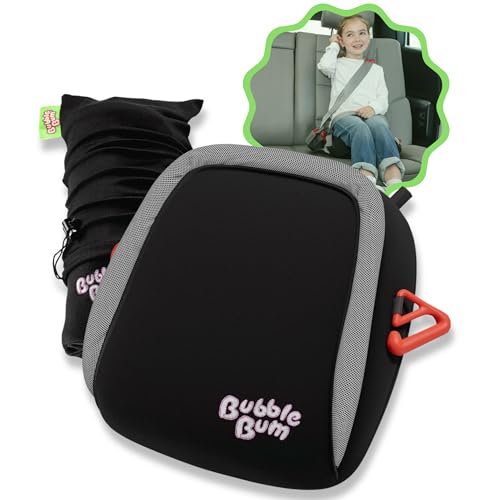
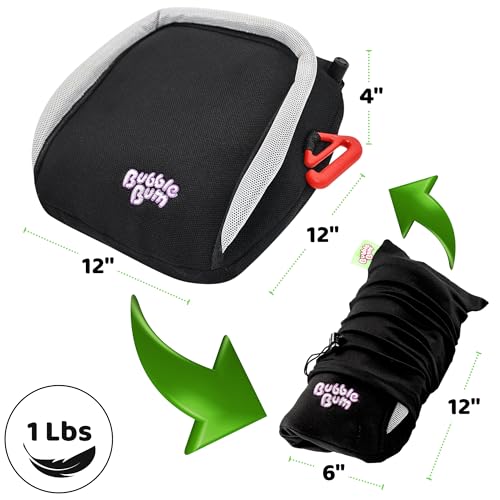
If portability is your top concern and your child is within the weight range, the BubbleBum is a clever solution that actually delivers on its promise to shrink down into nothing. On paper, it’s the most travel-friendly booster you can buy, lightweight, inflatable, and small enough to tuck into a diaper bag. Owners consistently report that it’s a lifesaver for rental cars, grandparents’ vehicles, or rideshares, where lugging a full-sized booster feels impractical.
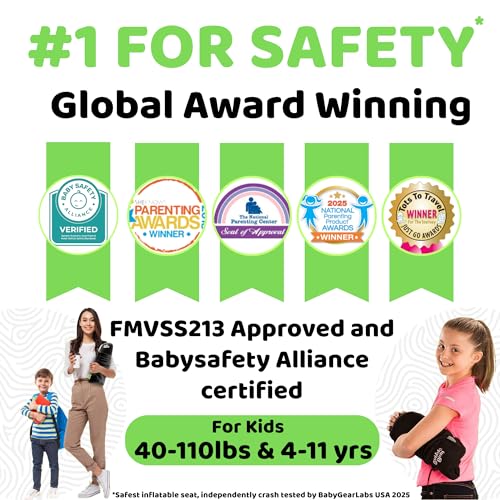
It’s FAA-approved and meets U.S. safety standards, which means it’s not just convenient but compliant in real-world conditions. The soft cushioning is a plus for kids who hate the hard edges of plastic boosters, and the slim design makes fitting three across possible in tighter cars. That said, you’re trading durability for portability, the inflatable nature means it requires more care and attention than a rigid seat. Still, for families who fly often or rotate between vehicles, this is the easiest way to keep a booster always within reach.
Product photos


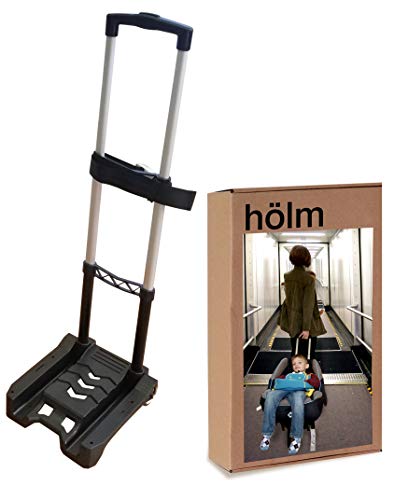
Holm Airport Car Seat Stroller
Strengths
- Ultra lightweight
- Folds tiny
- Smooth rolling wheels
Trade-offs
- Not a car seat
- Limited seat compatibility
- No harness or restraint
The Holm Airport Car Seat Stroller isn’t a car seat, but it’s one of the smartest accessories for traveling parents who already own a seat they trust. At just 3 pounds and folding down to a 13x10x4 inch block, it turns your child’s car seat into a mobile stroller, letting you wheel them through terminals instead of carrying a heavy seat or wrangling a restless toddler. Parents rave about the peace of mind it offers, especially in large airports where keeping track of a child can feel impossible.
The silicone gel wheels roll smoothly, and the aluminum frame feels sturdy without adding bulk. Setup is quick: strap your seat to the platform using the included belt, and you’re moving. It’s not compatible with every car seat, Britax and European IsoFix models are out, but for those it fits, it’s a standout. I’d pair this with a portable seat like the BubbleBum or a rented booster rather than a full car seat for maximum flexibility. It doesn’t solve the in-airplane seating question, but it solves the airport logistics nightmare.
Product photos


Graco Tranzitions 3-in-1 Booster

Strengths
- Grows with child
- No-rethread harness
- Lightweight for class
Trade-offs
- Not FAA approved
- Bulky for travel
- High price for non-portable use
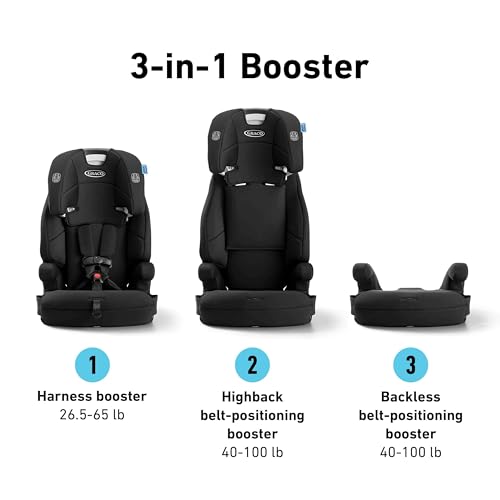
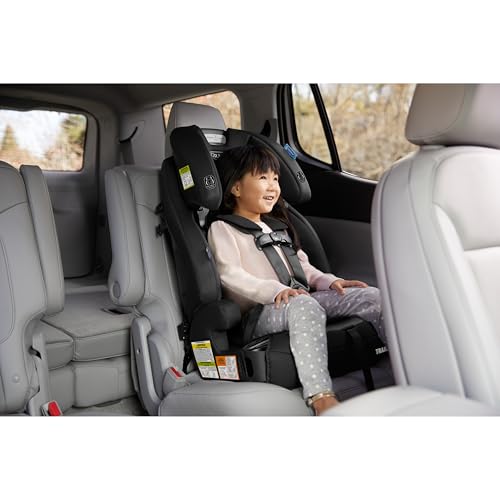
The Graco Tranzitions is built for longevity, growing with your child from harness seat to high-back booster to backless booster, covering ages 2 to 10+ depending on size. The No-Rethread Simply Safe Adjust system is a standout: the harness and headrest move together, so you’re not wrestling with rethreading straps every few months. That’s a real time-saver for busy parents.
It’s more portable than full-size convertible seats but still bulkier than travel-specific options. Owners say it’s easy to install and comfortable, with a lightweight frame that helps when moving it between cars. But it’s not FAA-approved, so it won’t work on planes, and the backless mode doesn’t offer the packability of inflatable models. Where it shines is in long-term value. Compared to the Safety 1st Grow and Go, it starts at a lower weight (26.5 lbs), so it supports younger kids longer. If you want one seat that does it all, except fly, this is a strong contender.
Product photos


Safety 1st Grow and Go 2-in-1

Strengths
- Folds flat
- Converts to backless
- Easy-clean features
Trade-offs
- Not FAA approved
- Bulkier than inflatable
- Not for young toddlers
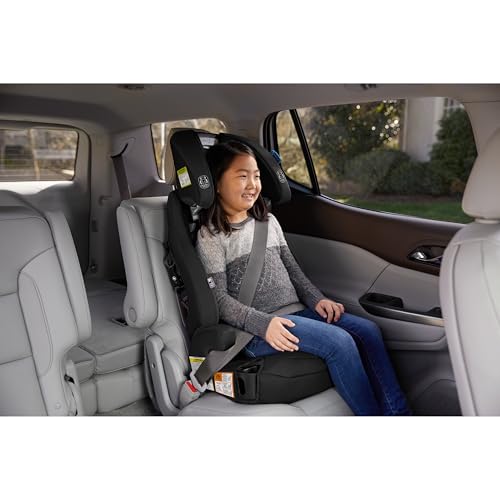
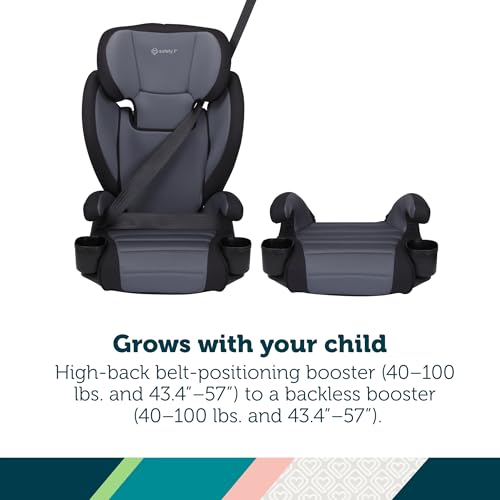
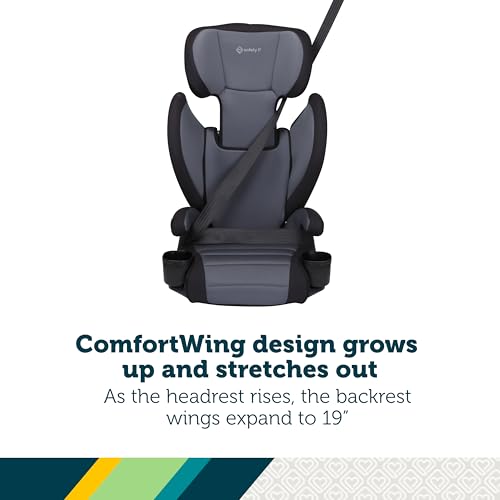
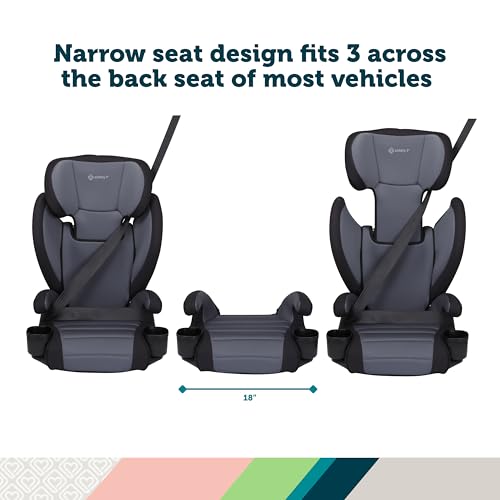
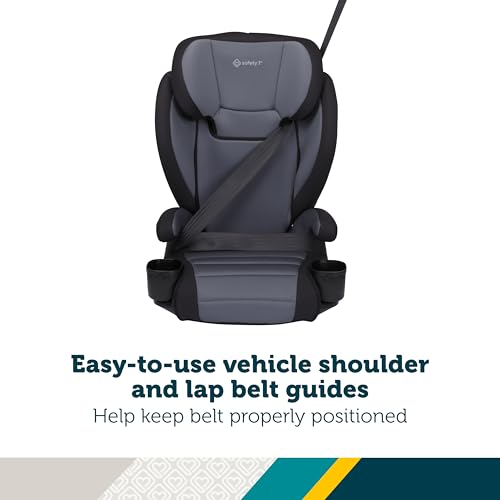
The Safety 1st Grow and Go stands out in the foldable high-back category by offering real versatility without the inflatable compromise. It’s not as tiny as an inflatable booster, but it folds flat for storage and is lightweight enough to move between cars, a big win for carpooling or multi-vehicle families. The 19-inch width is slim, and the ComfortWings design expands as the headrest rises, which helps maintain a good fit as kids grow.
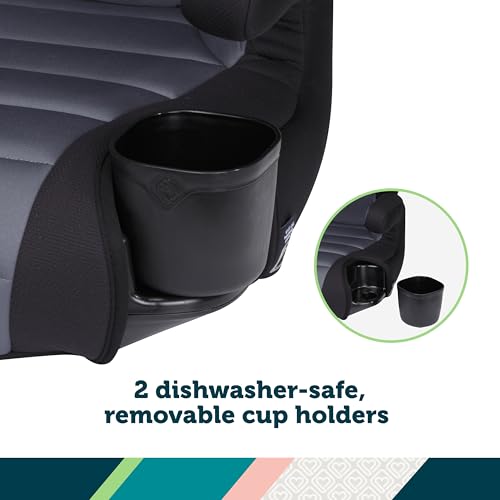
Owners appreciate the machine-washable cover and dishwasher-safe cup holders, small touches that make life easier. It converts from high-back to backless, covering a long age range (40–100 lbs), and the belt-positioning guides help kids buckle themselves in. Compared to the Graco Tranzitions, it’s a bit simpler but still effective. It’s not FAA-approved, so it’s not for planes, but if you’re looking for a flexible, durable seat for road trips and daily use that still offers some portability, this is a smarter buy than bulkier models.
Product photos
How We Tested car seats to travel with on planes
I approached this guide by first compiling a list of car seats frequently discussed for travel, focusing on models explicitly marketed for airplane use or noted for portability. Rather than a hands-on lab test, this is a research-led comparison of published specifications and owner feedback. I then systematically compared features like weight, folded size, FAA compliance, and safety certifications across each model. Finally, I weighed owner reviews from multiple sources to gauge real-world usability and satisfaction.
For car seats intended for travel, I prioritized lightweight designs and compact folded dimensions. These factors dramatically impact convenience when navigating airports and fitting seats into overhead bins or tight spaces. Safety ratings and compliance with FAA regulations were also paramount; a travel car seat isn’t useful if it cannot be used safely on a plane. Beyond these, ease of inflation/deflation (for inflatable models) and adaptability to different vehicle types played a key role.
Specifications reliably indicate a seat’s physical characteristics – weight, size, and listed weight/height limits. However, owner feedback was crucial for understanding real-world usability. I paid close attention to comments about ease of installation in taxis and rental cars, the actual fit within airplane seats, and the durability of materials during repeated folding and unfolding. Reputation for customer service also factored into the final rankings.
Choosing The Right car seats to travel with on planes
Choosing a car seat for air travel requires a different approach than selecting one for everyday use. The goal shifts from maximum crash protection to prioritizing portability and ease of use in the stressful airport environment.
A good travel car seat balances FAA approval with manageable weight and compact foldability. Consider the child’s age, weight, and height restrictions, but also how easily the seat fits in overhead bins, navigates airport terminals, and installs in ride-sharing vehicles or rental cars. Look for independent crash test results and a clear understanding of the manufacturer’s limitations.
Weight and Portability
The biggest struggle with travel car seats isn’t safety – they all meet standards – it’s actually getting them from point A to point B. A bulky, heavy car seat quickly becomes a source of frustration. Inflatable boosters like the UberBoost and BubbleBum are incredibly lightweight and pack down small, but they’re best suited for older children who have fully outgrown a harnessed seat. For younger travelers, the WAYB Pico strikes a good balance. It’s lightweight for its level of protection, and its compact fold is a real advantage. Consider how far you’ll be walking with the seat; even a few pounds can feel substantial after a long flight.
Harness vs. Booster
Deciding between a harnessed seat and a booster depends entirely on your child’s age, weight, and maturity level. Many travel car seats, like the WAYB Pico, are designed for children aged two and up. If your child is still in a harness, you’ll need a dedicated harnessed travel seat. Boosters, while lighter and more compact, require the vehicle’s seat belt to fit properly. If you’re unsure about proper belt fit, a harnessed seat provides a more secure option. Remember that some airlines may have restrictions on the types of car seats allowed on board, so check with your carrier before you travel.
Features & Usability
Beyond the core function of safety, think about the little things that will make your travel experience smoother. The Graco Tranzitions 3-in-1, while not specifically a travel seat, offers a no-rethread harness adjustment, which is a huge time-saver. The Holm Airport Car Seat Stroller is a niche option, but it innovatively addresses the issue of transporting a car seat and a child through the airport.
A car seat is only as good as its installation. Practice installing and removing the seat at home before your trip to build confidence and ensure a quick setup in unfamiliar environments.
Car Seats to Travel With on Planes Compared
Here’s a comparison of key specifications for car seats suitable for air travel.
| Product Title | Weight | Age/Weight Range | Dimensions (Folded) | FAA Approved | Inflation Needed |
|---|---|---|---|---|---|
| WAYB Pico Travel Car Seat | 8 lbs | 2+ yrs / 26.5-50 lbs | 11.6″ x 14.5″ x 18.9″ | Yes | No |
| UberBoost Inflatable Booster Seat | N/A | N/A / 40-100 lbs | Rolls up tightly in bag | N/A | Yes |
| BubbleBum Inflatable Travel Booster | N/A | 40-100 lbs | Backpack/suitcase size | N/A | Yes |
| Holm Airport Car Seat Stroller | 3 lbs | N/A | 13″ x 10″ x 4″ | N/A | No |
| Graco Tranzitions 3-in-1 Booster | N/A | 26.5-65 lbs (harness) / 40-100 lbs (booster) | N/A | N/A | No |
| Safety 1st Grow and Go 2-in-1 | N/A | 40-100 lbs | N/A | N/A | No |
Frequently Asked Questions
What are the FAA requirements for using a car seat on a plane?
The FAA requires car seats to have a label stating they are certified for use in aircraft. These seats must fit within the airplane seat dimensions (generally no wider than 18.5 inches) and be used in a forward-facing seat. Not all car seats are FAA-approved, so always check before flying.
How do inflatable car boosters compare to traditional car seats in terms of safety?
Inflatable boosters like the UberBoost and BubbleBum offer convenience but generally provide less side-impact protection than a traditional, hard-shell car seat. They are best suited for older, well-behaved children who consistently use the seat belt correctly and have fully outgrown a harnessed model.
Is it better to check a car seat or carry it on the plane?
Carrying the car seat on the plane is usually recommended, as checked baggage can be handled roughly. However, you should verify the car seat meets the airline’s carry-on size restrictions, or consider a very lightweight, foldable option like the WAYB Pico.
What should I do if I’m unsure if my car seat is FAA-approved?
Look for a sticker on the car seat itself that explicitly states FAA approval. You can also check the manufacturer’s website or contact them directly to confirm. Using a non-approved car seat on a plane could compromise your child’s safety.
Can I use any car seat with a built-in stroller, like the Holm Airport Car Seat Stroller, on any airline?
While innovative, these combination products may not be accepted by all airlines. It’s essential to confirm with the specific airline that the seat meets their requirements for both a car seat and a personal item or carry-on.
The Bottom Line
Choosing a car seat for travel always involves compromise. You’re balancing the need for robust safety with the practicalities of navigating airports and fitting into limited space. For most families, I believe the WAYB Pico Travel Car Seat offers the best overall combination of FAA compliance, lightweight design, and relatively compact fold – it’s a solid choice that won’t leave you struggling at the gate.
If budget is a primary concern, or you’re traveling with an older child who’s outgrown a harnessed seat, the UberBoost and BubbleBum inflatable boosters are excellent options. For those who want a single seat that grows with their child and offers convenient features like a no-rethread harness, the Graco Tranzitions 3-in-1 is a versatile pick, even if it isn’t specifically designed for travel.
Ultimately, the best car seat is the one you’ll actually use consistently and correctly. Don’t get too caught up in chasing the lightest weight or smallest folded size if it means sacrificing a secure fit or ease of installation. Prioritize a seat that meets FAA standards, fits your child’s current needs, and allows you to maintain peace of mind throughout your journey.
