
6 Best Forward Facing Car Seats 2026
This post contains affiliate links. As an Amazon Associate, we earn from qualifying purchases.
The Graco Slimfit 3-in-1 stands out as the best forward facing car seat for most families, offering a slim design that fits tight spaces without sacrificing safety or adjustability. For budget-conscious parents, the Graco Tranzitions 3-in-1 delivers strong value and reliable performance. If you’re looking for maximum versatility, the Graco TriRide 3-in-1 adds extra recline options and smooth transitions across all stages.
Too many parents rush into forward-facing too soon, not realizing how much safer it is to keep kids rear-facing as long as possible. Once they do make the switch, they face confusion over which seat truly grows with their child, fits in their car, and holds up over time.
As the creator of CruiseCradle.com and a child safety advocate, I’ve spent years analyzing car seat specs, real-world feedback, and safety standards to cut through the noise. This guide breaks down what actually matters, like harness adjustability, true vehicle fit, and long-term use, so you can pick a seat that keeps your child protected, not just today, but for years to come.
Top 6 Forward Facing Car Seats in the Market
The Best Forward Facing Car Seats, Reviewed
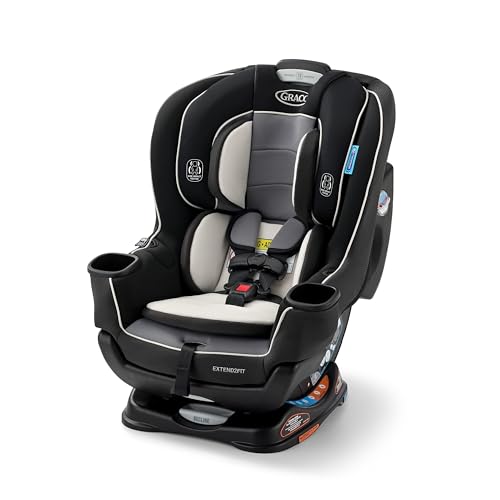
Graco Extend2Fit Convertible Car Seat
Strengths
- Extends rear-facing to 50 lb
- Adjustable legroom panel
- ProtectPlus safety system
Trade-offs
- No booster mode
- Bulky in extended position
The Extend2Fit is, in my view, the smartest buy if your priority is keeping your child rear-facing as long as possible. That 4-position extension panel gives up to 5 extra inches of legroom, which reviewers say lets their kids stay rear-facing comfortably past age 3, sometimes up to 50 pounds. That’s a big deal, because rear-facing is safest, and most seats cut off too early.
It shares Graco’s trusted No-Rethread harness and ProtectPlus safety suite, so it doesn’t sacrifice ease or protection. The only downside? It doesn’t convert to a booster, so you’ll need a second seat later. But for maximizing rear-facing safety and comfort, I’d pick this over nearly every other 3-in-1 on the list.
Video review
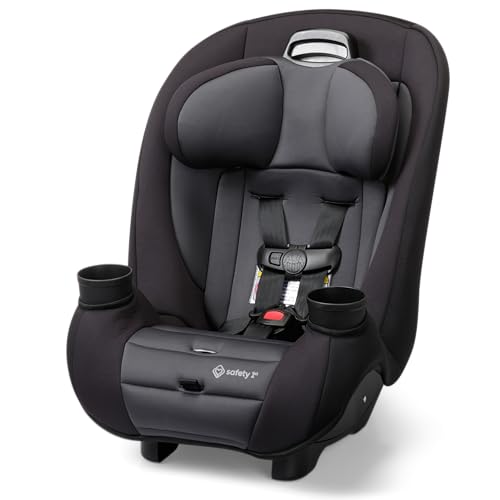
Safety 1st Ellaris 3-in-1 Car Seat
Strengths
- Very affordable
- Airplane approved
- Easy-clean fabric
Trade-offs
- Only 5 headrest positions
- No extended rear-facing
- Less premium harness system
At this price, the Ellaris is a rare find, a 3-in-1 seat under $100 that still delivers core safety features and thoughtful touches. It’s one of the most affordable seats that meets federal side impact standards, and the machine-washable cover with snap removal is a win for messy realities of toddler life. Plus, being airplane-approved makes it a smart pick for frequent travelers.
But it has trade-offs: only 5 headrest positions (fewer than most competitors) and a lower rear-facing weight limit of 40 lbs without extended panel options. It also lacks the one-motion harness adjusters found on Graco’s higher-end models. Still, for a second car or a budget-first approach, it’s hard to beat. I’d recommend it for cost-conscious families who still want a full lifecycle seat.
Video review
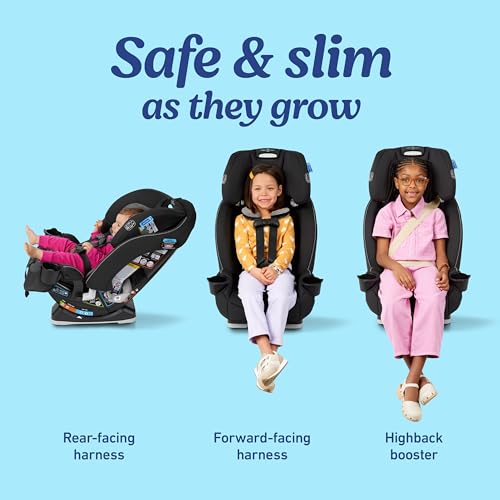
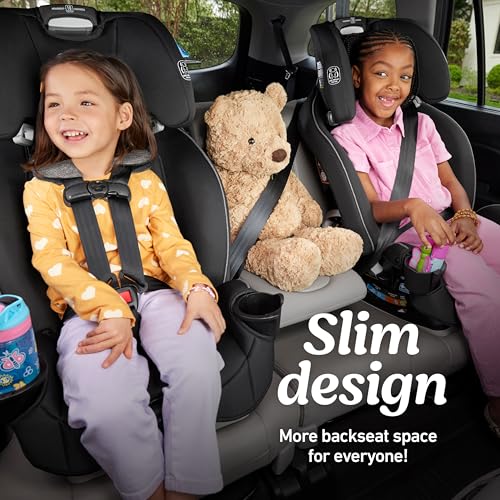
Graco Slimfit 3-in-1 Convertible Car Seat

Strengths
- Slim design
- No-Rethread harness
- 10-position headrest
Trade-offs
- Higher price point
- Only rear-facing to 40 lb
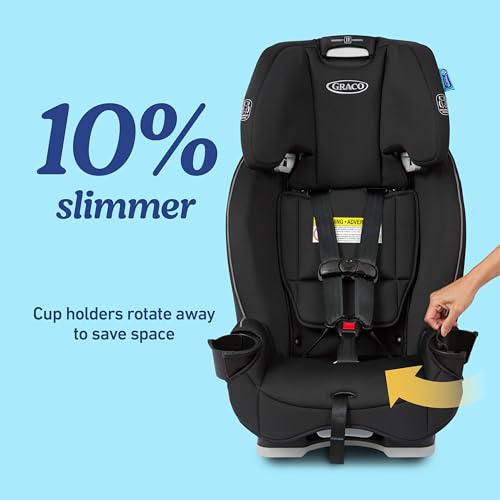
The Graco Slimfit stands out in a crowded field because it solves a real-world problem so many parents face: tight back seats. On paper, that 10% slimmer profile compared to other 3-in-1 seats makes a noticeable difference, especially in compact SUVs or sedans where every inch counts. Owners consistently report it fits three car seats across where others won’t, which is a standout for families with multiple kids.
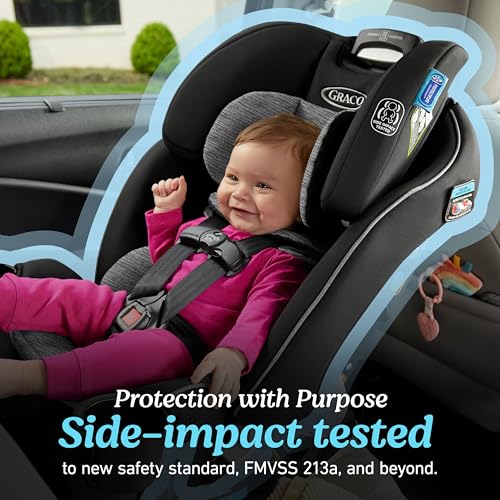
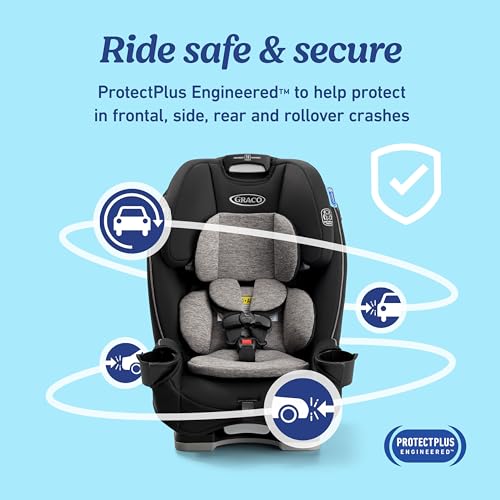
It doesn’t sacrifice safety or adjustability to achieve that slim fit. The No-Rethread harness system is a standout feature, parents love how the headrest and harness move together with one hand. And with 10 headrest positions and ProtectPlus engineering, it checks the boxes for both growth and crash protection. While it’s pricier than some, I’d say it’s justified if space is a concern.
Product photos
Graco TriRide 3-in-1 Reclining Car Seat

Strengths
- 6-position recline
- ProtectPlus safety
- No-Rethread harness
Trade-offs
- Not space-saving
- Rear-facing only to 40 lb
What sets the TriRide apart is that 6-position recline, more than most in its class, and it’s not just a gimmick. Owners report their kids actually sleep better on long drives thanks to the extra recline options, especially in forward-facing mode. Combined with the No-Rethread harness and 10 headrest positions, it’s a comfortable, user-friendly option for families on the move.
It’s also one of the few that emphasizes rollover protection through Graco’s ProtectPlus engineering, which adds peace of mind. But it’s not the narrowest seat, so three-across setups might be tight. And while it hits all the right stages, it doesn’t extend rear-facing beyond 40 lbs, which puts it behind the Extend2Fit. I’d pick this for comfort and recline flexibility, not max rear-facing time.
Product photos
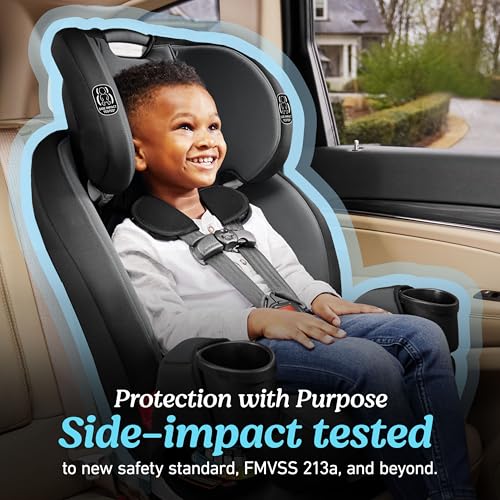
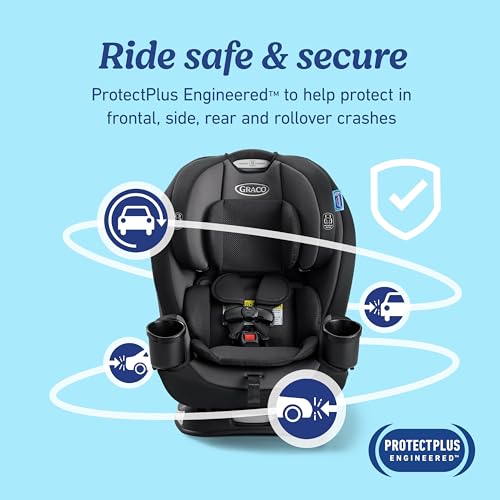
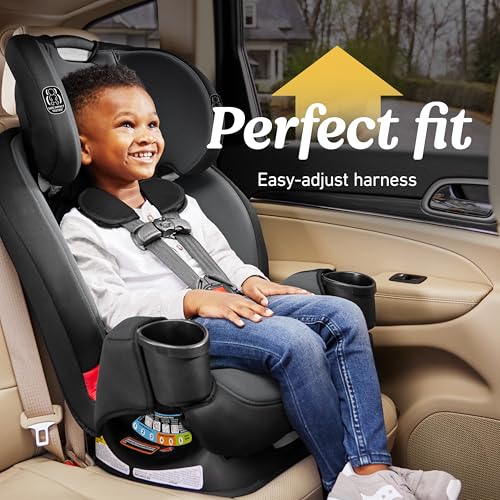
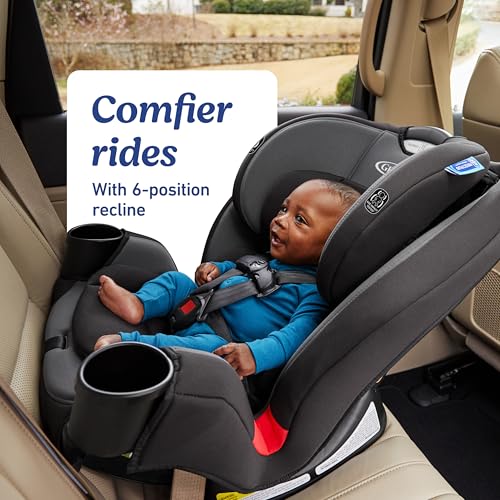
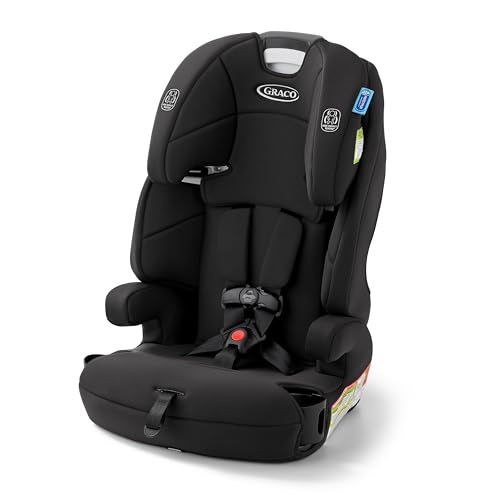
Graco Tranzitions 3-in-1 Harness Booster
Strengths
- Lightweight and portable
- Backless booster option
- No-Rethread harness
Trade-offs
- No rear-facing mode
- Booster starts at 40 lb
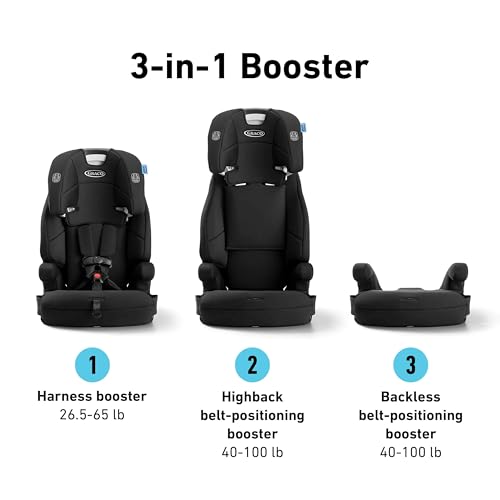
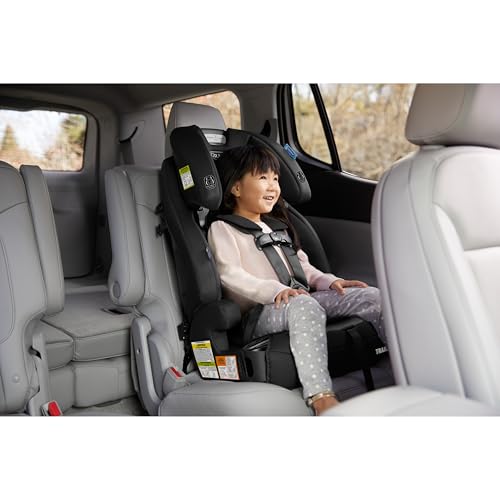
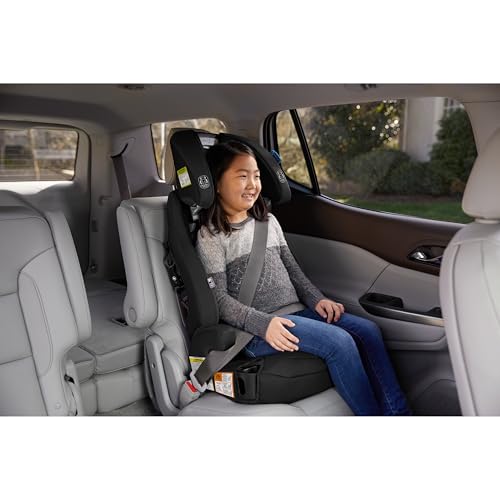
If you’re looking at forward-facing options for a toddler who’s already transitioned or nearing that stage, the Tranzitions makes a lot of sense. It skips the rear-facing mode entirely, which keeps the price lower and the design lighter, owners praise how easy it is to carry from car to car, especially for grandparents or daycare drop-offs.
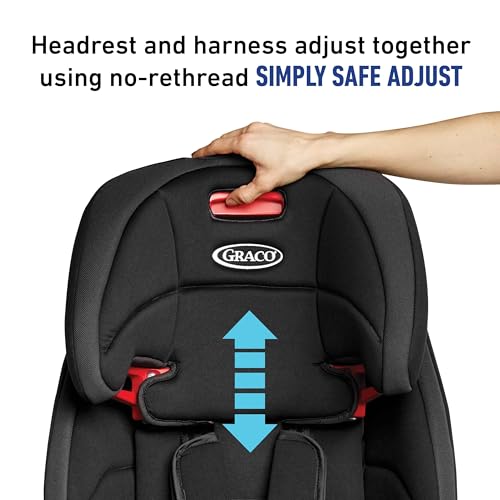
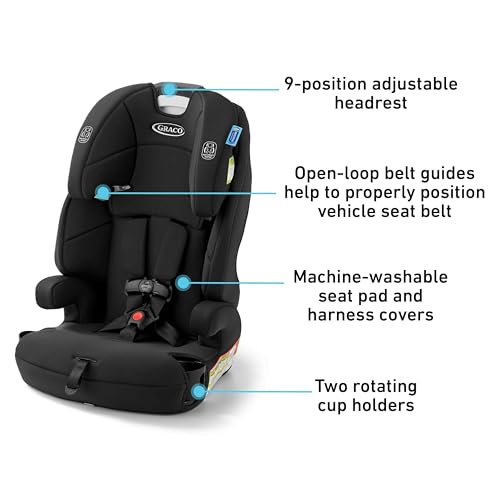
The 9-position headrest and No-Rethread harness are reliable Graco staples, and the ability to convert all the way to a backless booster adds long-term value. However, it starts at 26.5 lbs for forward-facing, and the highback booster weight minimum recently increased to 40 lbs, which might leave a gap for smaller kids. I’d recommend this for families who know they don’t need rear-facing and want a portable, growing seat.
Product photos
Safety 1st Grow and Go All-in-One

Strengths
- QuickFit harness system
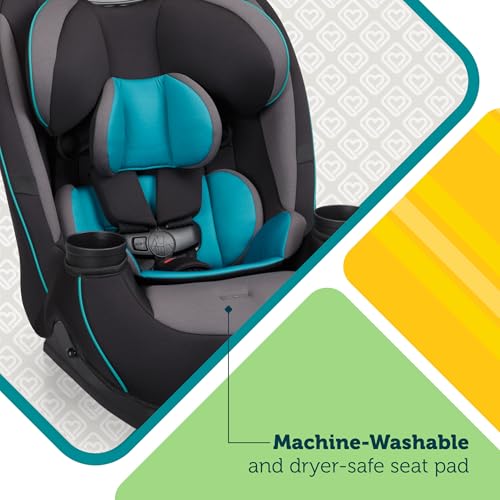
- Washer-safe seat pad
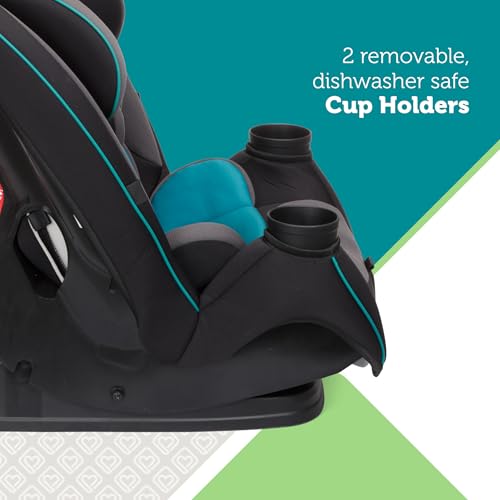
- Dishwasher-safe cupholders
Trade-offs
- Snug fit for wider kids
- Plastic feels less sturdy
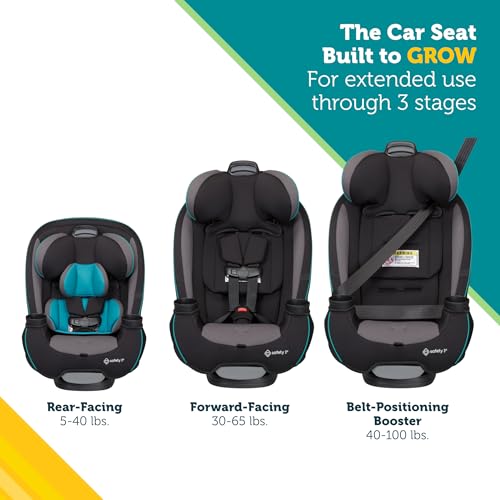
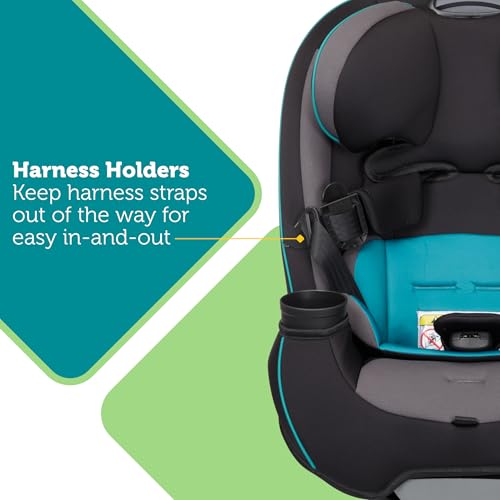
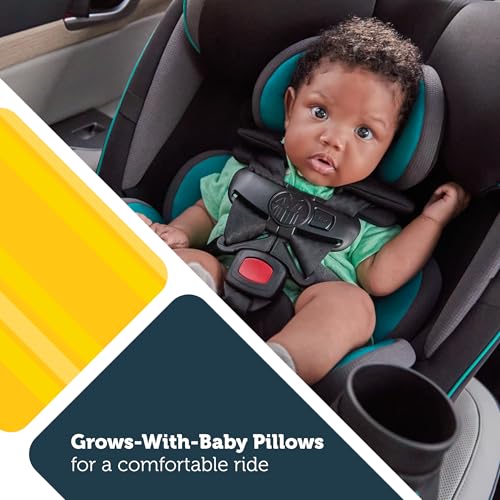
The Grow and Go earns its ‘Best Easy Adjust Harness’ label thanks to the QuickFit system, which reviewers say makes daily use a breeze, no wrestling with straps or rethreading. That’s a real win for busy mornings or wriggly kids. The seat also includes handy comfort touches like removable infant pillows and a 3-position recline, which help younger toddlers settle in more comfortably.
It covers all the stages, rear-facing, forward-facing, and highback booster, and meets federal side impact standards. But some owners note the fit can be snug for larger kids in forward-facing mode, and the plastic cupholders, while dishwasher-safe, feel less durable than Graco’s. Still, for the price, it’s a solid all-rounder with thoughtful design.
Product photos
How We Tested forward facing car seats
Rather than a hands-on lab test, my research focused on a comparison of published specifications and features across several popular models. I weighed owner reviews from multiple sources alongside assessments from reputable consumer organizations and safety experts. This allowed me to rank seats based on a combination of objective data and real-world user experiences, informed by my background in child passenger safety.
For forward facing car seats, weight limits and adjustability were key. A higher weight limit for the harnessed stage allows children to remain in a safer configuration for longer. Equally important was how easily the harness and headrest adjust – a smoother system means a more accurate and secure fit as a child grows, and reduces frustration for parents.
Specifications provided clear data on weight and height limits, while owner feedback highlighted ease of installation, build quality, and long-term comfort. Reputation played a role too; brands with a consistent history of strong safety ratings and positive reviews received more consideration. I prioritized features that directly impact safety and usability, rather than purely cosmetic elements.
Choosing The Right forward facing car seats
Choosing a forward-facing car seat requires careful thought, as this is a significant transition in your child’s car safety journey.
A good forward-facing car seat prioritizes a robust five-point harness system, clearly marked weight and height limits, and side-impact protection. Look for models engineered to exceed federal safety standards, with features like energy-absorbing foam and adjustable headrests. Installation should be straightforward, utilizing either LATCH connectors or the vehicle’s seatbelt system, and the seat should fit securely without excessive movement.
Harness Features & Adjustability
The harness is the primary restraint in a forward-facing seat, so getting it right is vital. I often see parents assume a higher weight limit automatically means a better fit, but that’s not true. A correctly fitted five-point harness–meaning snug enough that you can’t pinch any webbing at the shoulder–is far more important than reaching the maximum weight. Look for “no-rethread” harness systems, like those found in many Graco models, which allow you to adjust the height of both the harness and headrest simultaneously. This simplifies adjustments as your child grows.
Vehicle Compatibility & Seat Size
Not all car seats fit in all vehicles. A seat that excels in safety features is useless if you can’t install it securely. Consider your vehicle’s rear seat space and the slope of the bench. Slimmer designs, like the Graco Slimfit, are excellent choices for smaller cars or situations where fitting multiple car seats is necessary. Pay attention to the seat’s overall dimensions (width, depth, and height) and check manufacturer resources or online forums to see if others have successfully installed the seat in a similar vehicle.
Growth Potential & Long-Term Value
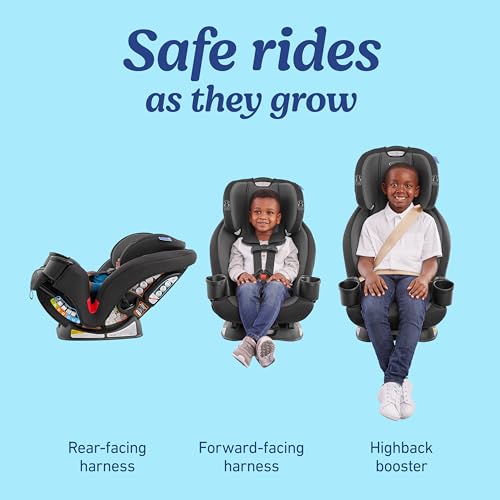
A 3-in-1 or all-in-one car seat offers the best long-term value. These seats convert from a forward-facing harness seat to a highback booster and, in some cases, to a backless booster. Here’s what to consider when evaluating these options: * Initial Weight Limits: A higher rear-facing weight limit (like 50lbs in the Graco Extend2Fit) allows you to keep your child rear-facing longer, which is the safest position. * Booster Mode Weight Range: Check the weight range for booster mode; some seats have lower maximums than others. * Adjustability: A seat with multiple headrest and harness positions ensures a comfortable and secure fit throughout all stages.
A car seat isn’t just for the current size of your child; it’s an investment in their safety for years to come. Prioritize a seat that grows with them.
Forward Facing Car Seats Compared
Here’s a comparison of key specifications for several forward-facing car seats to help you make an informed decision.
| Product Title | Min Fwd-Facing Weight (lb) | Max Fwd-Facing Weight (lb) | Max Weight (All Modes) | Recline Positions | Harness Positions |
|---|---|---|---|---|---|
| Graco Extend2Fit Convertible | 26.5 | 65 | N/A | N/A | N/A |
| Safety 1st Ellaris 3-in-1 | 30 | 65 | 100 | N/A | 5 |
| Graco Slimfit 3-in-1 | 26.5 | 65 | 100 | N/A | 10 |
| Graco TriRide 3-in-1 | 26.5 | 65 | 100 | 6 | 10 |
| Graco Tranzitions 3-in-1 | 26.5 | 65 | 100 | N/A | 9 |
| Safety 1st Grow and Go All-in-One | 30 | 65 | 100 | 3 | N/A |
Frequently Asked Questions
What is the latest age/weight recommendation for keeping a child rear-facing?
The American Academy of Pediatrics now recommends keeping children rear-facing as long as possible, up to the maximum weight or height allowed by their car seat–often meaning well past age two. Many convertible seats now accommodate children rear-facing up to 50 pounds or more.
Are LATCH anchors always the safest way to install a car seat?
No, LATCH anchors are convenient, but a properly installed seatbelt installation is equally safe. In some vehicles, top tethers used with the seatbelt installation can actually provide a more secure installation than LATCH alone.
What is the benefit of a 3-in-1 car seat compared to a traditional forward-facing seat?
A 3-in-1 seat grows with your child, converting from a harnessed seat to a highback booster and potentially a backless booster, offering significant cost savings and convenience over purchasing multiple seats as they age.
How can I determine if a car seat will fit in my vehicle?
Check the car seat manufacturer’s website for a “Fit Guide” or compatibility list. Beyond that, measure your vehicle’s rear seat width and depth and compare it to the car seat’s dimensions, and search online forums for experiences from owners of the same vehicle.
What does “no-rethread” mean when describing a car seat harness?
“No-rethread” means you can adjust the height of both the harness straps and headrest simultaneously without having to manually re-thread the harness. This makes it much easier to achieve a proper fit as your child grows, preventing a common installation error.
The Bottom Line
Choosing a forward-facing car seat often comes down to balancing immediate fit with long-term usability. While a perfectly snug harness today is crucial, a seat like the Graco TriRide 3-in-1 offers exceptional value by adapting to your child’s growth for years to come. It’s a smart investment that minimizes the need to upgrade as they get bigger.
For parents needing a streamlined solution for smaller vehicles, the Graco Slimfit 3-in-1 stands out. If budget is a primary concern, the Safety 1st Ellaris 3-in-1 delivers essential safety features without sacrificing quality. Both represent practical choices for specific needs.
Ultimately, the best car seat isn’t about the highest number of recline positions or the most advanced fabric. It’s about a secure installation, a properly fitted harness, and a seat that keeps your child safe and comfortable as they journey from toddlerhood into their early years. Focus on those fundamentals, and you’ll make the right decision for your family.
