
6 Best Rear-Facing Car Seats for 2026
This post contains affiliate links. As an Amazon Associate, we earn from qualifying purchases.
The Graco Extend2Fit Convertible is the top choice for most families, offering a high 50-pound rear-facing limit and extra legroom for growing kids. For a budget-friendly infant option, the Graco SnugRide Lite LX delivers lightweight convenience and solid safety. If you want long-term value, the Graco Extend2Fit 3-in-1 grows with your child through multiple stages.
As a mom and child safety advocate, I know how overwhelming it can be to choose the right rear-facing car seat. With so many options and conflicting advice, parents often end up unsure what truly matters for safety and usability.
This guide cuts through the noise by focusing on what real families need: extended rear-facing limits, reliable installation, and features that make daily use easier. I researched each seat based on specs, owner feedback, and safety recommendations to help you find the best fit for your child and your vehicle.
Top 6 Rearward Facing Car Seats in the Market
The Best Rearward Facing Car Seats, Reviewed
Graco Extend2Fit Convertible Car Seat
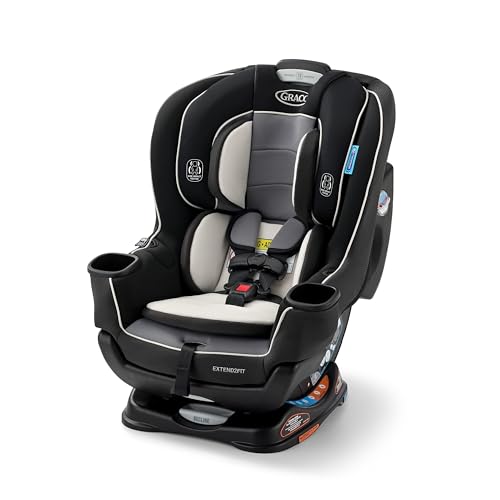
Strengths
- 50 lb rear-facing limit
- Legroom extension panel
- No-rethread harness
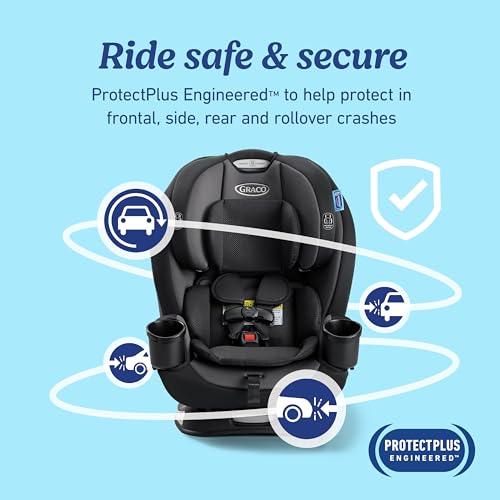
- ProtectPlus crash protection
Trade-offs
- Expensive upfront
- Heavy and bulky
- Takes up more space
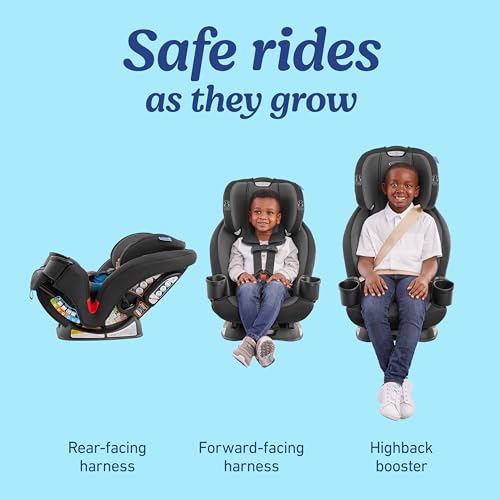
This is the model I’d recommend to most families as the best all-around rear-facing seat, it strikes the ideal balance between safety, longevity, and usability. Like its sibling with the longer name, it supports rear-facing up to 50 lbs and includes the 4-position extension panel for legroom, which makes a real difference for longer-legged kids. The no-rethread harness is a standout for busy parents, eliminating the hassle of threading straps through new slots every few months.
On paper and in owner feedback, it outperforms competitors in crash-test confidence and ease of use. It’s not the cheapest, but it’s priced fairly for what you get. Compared to the TriRide, it’s a better long-term investment; compared to the Safety 1st options, it offers higher safety margins and greater rear-facing capacity.
Video review
Graco SnugRide Lite LX Infant

Strengths
- Extremely lightweight
- Easy-to-read level indicator
- 4-position base
- ProtectPlus crash protection
Trade-offs
- Infant-only use
- Shorter weight limit
- Base sold separately in some bundles
When you need a lightweight, portable infant seat that doesn’t compromise on safety, the SnugRide Lite LX is a top contender. At just 7.2 lbs, it’s one of the lightest infant car seats available, making it a favorite among parents who carry their baby in and out of the car daily or use a travel system. The 4-position base helps achieve a secure install on uneven surfaces, and the level indicator takes the guesswork out of installation, a small detail that makes a big difference for new parents.
It’s rear-facing only, so it’s not a long-term solution, but for the first 12–18 months, it’s excellent. Compared to convertible seats, it’s less versatile, but its portability and safety credentials shine. Owners consistently report confidence in its crash performance and ease of use with strollers.
Video review
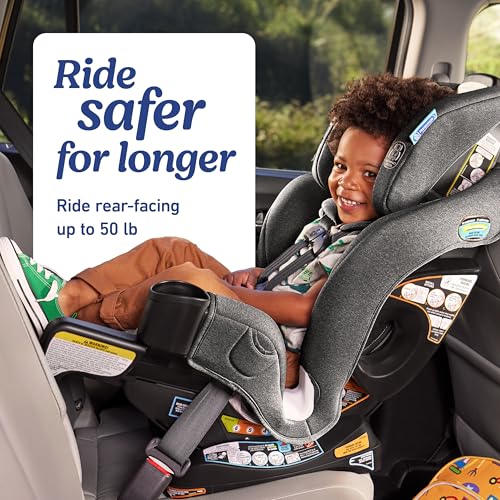
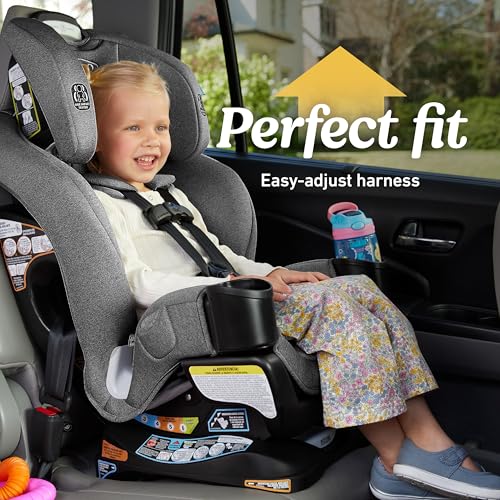
Graco Extend2Fit 3-in-1 Car Seat

Strengths
- Rear-facing up to 50 lbs
- Adjustable legroom panel
- ProtectPlus side and frontal impact testing
- No-rethread harness system
Trade-offs
- Bulkier design
- Heavier than average
- Higher price point
If your goal is to keep your child rear-facing as long as possible, and I strongly recommend doing so, this Graco model is one of the best tools for the job. With a rear-facing range up to 50 lbs and an extendable panel that adds up to 5 inches of legroom, it’s engineered to delay the switch to forward-facing, which is a big win for safety. The ProtectPlus engineering means it’s been tested beyond federal minimums, and reviewers frequently cite confidence in its build and crash performance.
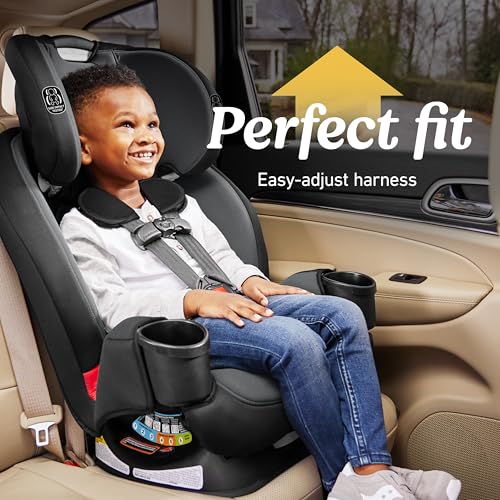
The one-motion harness adjustment is a standout feature that makes daily use easier, especially as kids grow. While it’s pricier than budget models like the Safety 1st Ellaris, the added rear-facing capacity and thoughtful design justify the cost for safety-focused families. It’s heavier and bulkier, so it’s not ideal for travel, but for a primary car seat, it’s hard to beat.
Product photos



Graco TriRide 3-in-1 Reclining
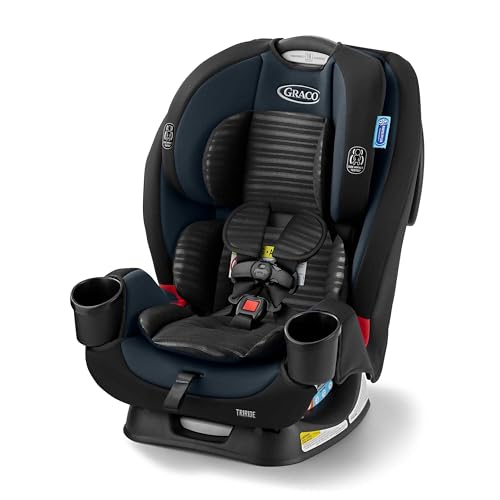
Strengths
- 6-position recline
- 10-position headrest
- ProtectPlus safety testing
- Affordable 3-in-1 design
Trade-offs
- Rear-facing max 40 lbs
- No legroom extension
- Slightly wider fit
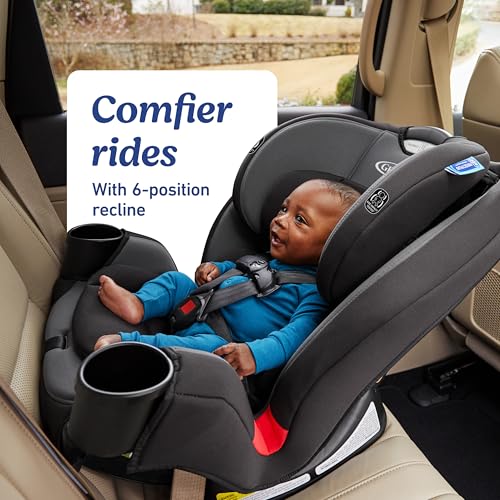
The TriRide delivers strong value without cutting corners on key safety or comfort features. It supports rear-facing use up to 40 lbs, which isn’t the highest in class, but paired with 10 headrest positions and a 6-position recline, it adapts well to growing kids. The recline feature is a subtle but meaningful perk, especially for newborns who need proper head support, and owners praise how smoothly the seat transitions between modes.
It shares Graco’s ProtectPlus engineering and the same harness system as the pricier Extend2Fit, but drops the legroom extension panel. That trade-off keeps the price lower and the footprint more compact. For families who don’t need the absolute longest rear-facing window, this is a smart, balanced pick. It’s not as space-efficient as the Safety 1st Ellaris, but it feels sturdier and more premium in build.
Product photos

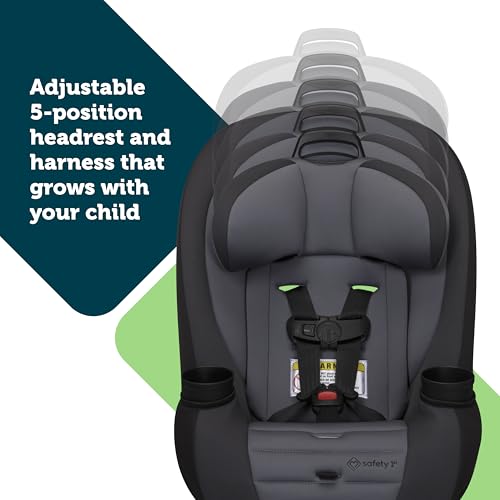
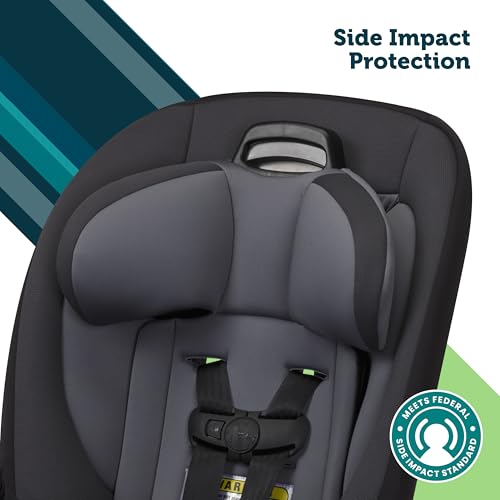
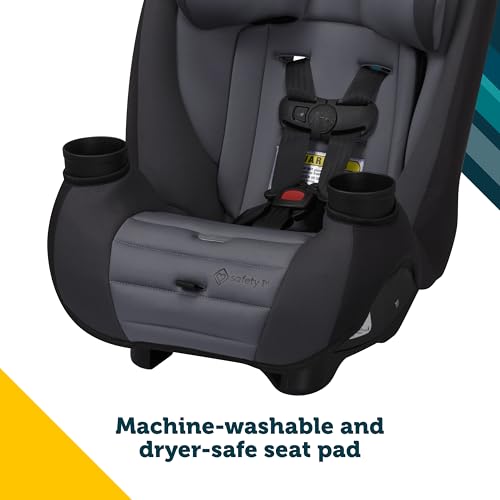
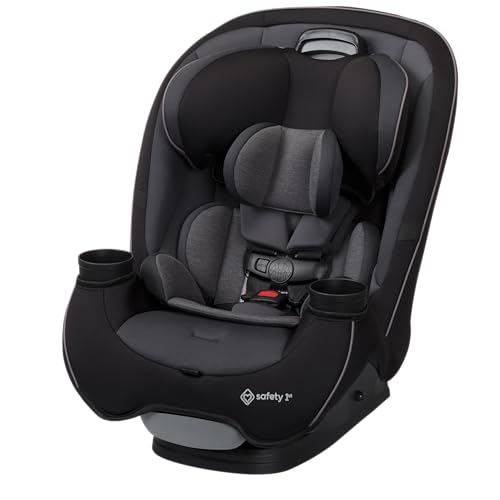
Safety 1st Ellaris Convertible Car

Strengths
- Slim fit design
- Machine-washable pad
- Affordable price
- Easy LATCH installation
Trade-offs
- Rear-facing ends at 40 lbs
- Lower padding quality
- Fewer recline positions
For parents watching the budget but still wanting a safe, long-lasting rear-facing option, the Safety 1st Ellaris stands out in a crowded field. Its rear-facing range goes up to 40 lbs, which is solid for the price, and the slim design makes it a real contender for smaller back seats or families with multiple car seats. Owners consistently report it fits well behind the driver or passenger seat without sacrificing legroom, something you don’t always get at this price point.
The machine-washable pad and dishwasher-safe cup holders are practical wins for messy toddlers, and while it doesn’t have the highest rear-facing weight limit, it covers the early years well. Compared to the Graco Extend2Fit, it gives up some legroom flexibility and a lower rear-facing start weight, but for most average-sized toddlers, it’s more than sufficient.
Product photos


Safety 1st Grow and Go All-in-One
Strengths
- All-in-one 3-stage use
- QuickFit harness system
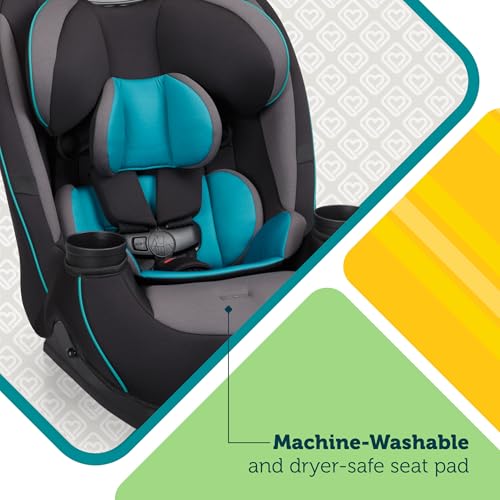
- Washer-safe cover
- Good booster longevity
Trade-offs
- Rear-facing ends at 40 lbs
- Less padding comfort
- Not ideal for small frames
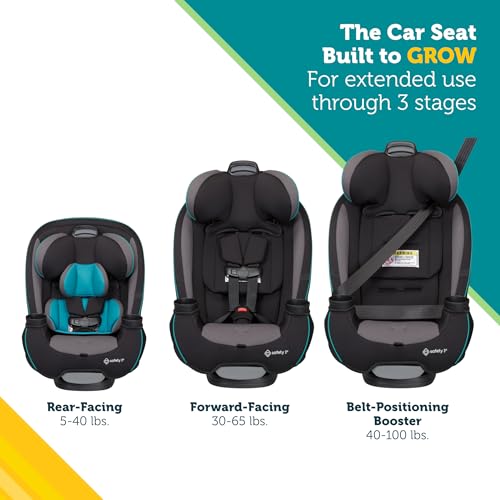
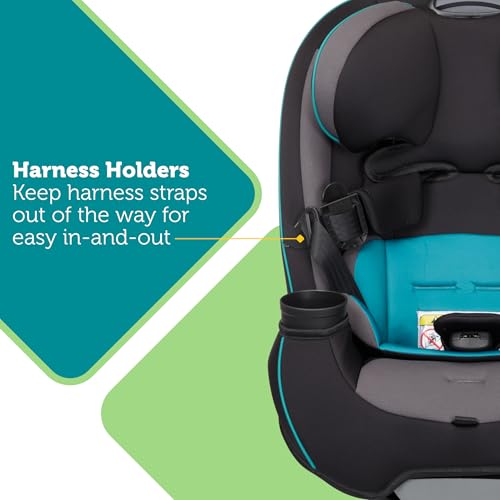
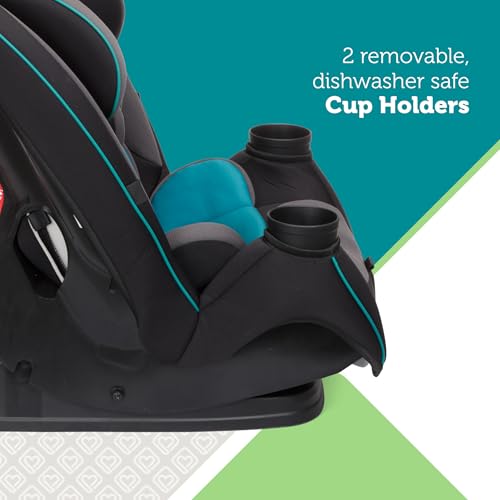
The Grow and Go is built for the long haul, literally. With a rear-facing range up to 40 lbs and a booster mode that goes all the way to 100 lbs, it’s one of the most versatile all-in-one seats on the market. The QuickFit harness system is a standout, letting you adjust the headrest and straps in seconds, which makes buckling a breeze as kids grow. Parents who hate reinstalling or buying multiple seats will appreciate how smoothly it transitions across stages.
Still, its rear-facing limit doesn’t match the Graco Extend2Fit, and the seat depth can be an issue for shorter legs when rear-facing. The padding is thinner than premium models, and some owners report a looser fit in smaller cars. But for families who want simplicity and long-term value, this seat delivers. It’s a smarter buy than buying separate infant and convertible seats.
Product photos

How We Evaluated rearward facing car seats
I approached this guide by comparing the published specifications and features of numerous rearward facing car seats. Rather than a hands-on lab test, this is a research-led comparison of specs and owner feedback gathered from a variety of sources. I weighed owner reviews from major retailers alongside expert opinions found in publications like Consumer Reports and the National Highway Traffic Safety Administration (NHTSA) to build a clear picture of real-world performance and satisfaction.
For rearward facing car seats, the most important factors are the maximum rear-facing weight and height limits, and the ease of achieving a secure installation. A longer rear-facing capability is crucial because it provides the best protection for a young child’s developing neck and spine. Equally vital is a clear and reliable installation process; a car seat isn’t safe if it’s not fitted correctly.
Specifications reliably indicate weight and height limits, adjustability features, and safety certifications. However, I placed more weight on owner feedback regarding the practicality of those features – how easy the adjustments actually are, and how well the seat fits in different vehicles. Reputation and consistent positive feedback from safety-conscious parents were key indicators of a quality product.
Choosing The Right rearward facing car seats
Choosing the right rear-facing car seat requires careful thought, as it’s the safest position for your child.
A quality rear-facing car seat prioritizes extended use, allowing a child to remain rear-facing as long as possible within weight and height limits. Look for models with adjustable recline positions, a no-rethread harness system for ease of use, and side-impact testing beyond federal standards. Installation should be straightforward, aided by features like easy-to-read level indicators and LATCH connectors.
Rear-Facing Weight and Height Limits
The most important factor is how long your child can stay rear-facing. Federal standards require a minimum, but many seats now allow for 50 pounds or more. Don’t rush to forward-facing just because your child reaches a lower weight limit; maximizing rear-facing time drastically reduces injury risk. Consider your child’s growth rate – will they outgrow the height limit before the weight limit? Some models, like the Graco Extend2Fit, have adjustable panels to provide extra legroom, letting kids ride rear-facing comfortably for longer.
Harness and Adjustment Systems
A car seat is only as good as its harness, and ease of adjustment is critical. A “no-rethread” harness is a huge time saver. These systems, found on Graco and Safety 1st models, allow you to adjust both the headrest and harness height simultaneously.
Here’s what to consider: * Harness slots: Higher slots are better for younger/smaller babies. * Harness tightening: The strap should lie flat and snug (pinch test!). * Headrest adjustment: A wide range of positions is ideal to accommodate growth.
Value Beyond the Basics
Don’t automatically equate price with safety. While premium seats offer extra features, excellent protection is available at various price points. Look for features that will genuinely simplify your life. A lightweight infant seat (like the Graco SnugRide Lite LX) is a blessing if you frequently transfer a sleeping baby.
Remember: A properly installed, correctly used car seat is the safest car seat, regardless of price.
Rearward Facing Car Seats Compared
This table summarizes key specifications to help compare different rearward facing car seat options.
| Product Title | Rear-Facing Min Weight (lb) | Rear-Facing Max Weight (lb) | Max Rear-Facing Height (in) | Modes | Adjust. Headrest |
|---|---|---|---|---|---|
| Graco Extend2Fit Convertible | 4 | 50 | N/A | Convertible | Yes |
| Graco SnugRide Lite LX Infant | 4 | 30 | 32 | Infant | N/A |
| Graco Extend2Fit 3-in-1 | 4 | 50 | N/A | 3-in-1 | Yes |
| Graco TriRide 3-in-1 | 5 | 40 | N/A | 3-in-1 | Yes (10 pos.) |
| Safety 1st Ellaris Convertible | 5 | 40 | N/A | 3-in-1 | Yes (5 pos.) |
| Safety 1st Grow and Go All-in-One | 5 | 40 | 40 | All-in-One | Yes |
Frequently Asked Questions
What’s the biggest advantage of a convertible or all-in-one car seat over an infant carrier?
Convertible and all-in-one seats offer a higher weight and height limit for rear-facing, allowing your child to stay in the safest position for longer. Infant carriers are convenient for portability, but are quickly outgrown.
Are LATCH connectors always the safest way to install a car seat?
No, LATCH is a convenient system, but a properly installed seat belt installation is equally safe and may be more secure in certain vehicles. Always follow both the car seat’s and your vehicle’s instructions carefully.
How do I know if a car seat fits correctly in my vehicle?
A correct fit means the seat is snug and doesn’t move more than one inch side-to-side or front-to-back once installed. Check your vehicle’s owner’s manual for any car seat compatibility information, and use the car seat’s built-in level indicators.
What does “no-rethread harness” mean, and why is it useful?
A no-rethread harness allows you to adjust the height of both the headrest and harness straps simultaneously, without having to disassemble and re-thread the harness. This makes adjusting the seat as your child grows much faster and easier.
Beyond weight and height limits, what should I look for in terms of safety features?
Side-impact protection is a key consideration. Some seats offer enhanced side-impact testing exceeding federal standards, and features like energy-absorbing foam can provide an extra layer of security.
The Bottom Line
Choosing a rear-facing car seat often comes down to balancing convenience with maximizing protection. While features like easy installation and adjustable harnesses are fantastic, the most crucial aspect is keeping your child rear-facing for as long as possible. For overall versatility and extended rear-facing capability, the Graco Extend2Fit Convertible stands out as a strong choice, offering a high weight limit and adjustable legroom.
If you’re looking for a budget-friendly option that doesn’t compromise on safety, the Safety 1st Ellaris Convertible provides excellent value. For parents prioritizing a lightweight and easily portable option for the newborn stage, the Graco SnugRide Lite LX is a clear winner.
Ultimately, remember that the best car seat is the one you’ll use correctly, every time. Focus on understanding the weight and height limits, mastering a secure installation, and consistently checking the harness fit – those fundamentals matter far more than any specific model’s bells and whistles.
