8 Best Safety Booster Seats of 2026
This post contains affiliate links. As an Amazon Associate, we earn from qualifying purchases.
The Graco TurboBooster 2.0 Highback stands out as the best overall safety booster seat, combining strong safety features with reliable adjustability. For budget-conscious families, the Cosco Topside Backless Booster delivers solid performance at a lower price. If you need something ultra-portable, the BubbleBum Inflatable Travel Booster is a smart pick for travel.
Choosing the right booster seat isn’t just about meeting basic safety standards, it’s about finding one that fits your child, your vehicle, and your daily routine. Too many parents settle for a seat that looks fine but doesn’t position the seat belt correctly, putting their child at risk.
This guide cuts through the noise. I compared top models based on safety specs, real-world feedback, and usability factors like adjustability, cleaning, and portability, priorities I’ve focused on throughout my work in child passenger safety. These picks reflect what actually matters most for families on the go.
Top 8 Safety Booster Seats in the Market
The Best Safety Booster Seats, Reviewed
Safety 1st Grow and Go 2-in-1

Strengths
- ComfortWings expand with growth
- 10-position adjustable headrest
- Dishwasher-safe cup holders
Trade-offs
- Slightly wider when expanded
- Foldable but not ultra-compact
- Premium price
This is my pick for the best overall booster, and not just because of the features. The ComfortWings design is genuinely innovative: as the headrest adjusts up, the side wings expand to 19 inches, providing growing room without sacrificing support. That’s a standout for wider kids who often outgrow seats due to shoulder fit, not height.
It converts easily from highback to backless, has a 10-position headrest, two dishwasher-safe cup holders, and a machine-washable pad. It’s also foldable and lightweight, which helps with portability. Compared to the Evenflo GoTime LX, it offers more adjustability and a slimmer profile for three-across fit. For most families, this is the most balanced blend of safety, comfort, and long-term use.
Video review
Cosco Topside Backless Booster

Strengths
- Very affordable
- Lightweight and portable
- Plush padding for comfort
Trade-offs
- No LATCH system
- Hand-wash only cover
- No cup holders
If budget is your top concern, the Cosco Topside is a solid starting point. It’s one of the most affordable backless boosters on the market, and it does the core job well, lifting kids 40–100 lbs so seat belts fit properly. The plush padding gets positive nods from parents, especially for younger kids who might complain about hard plastic edges.
But it’s basic. There’s no LATCH, no cup holders, and the fabric is hand-wash only, which feels outdated next to machine-washable competitors like the Graco TurboBooster 2.0. Still, for a second car or a spare seat, it’s a functional, lightweight option. Compared to the BubbleBum, it’s less portable but more convenient for daily use. For cost-conscious families who don’t need bells and whistles, this gets the job done.
Video review
Graco TurboBooster 2.0 Backless

Strengths
- ProtectPlus safety engineering
- Height-adjustable armrests
- Machine-washable seat pad
Trade-offs
- No LATCH system
- Backless only
- Armrests not as plush as premium models
At this price, the Graco TurboBooster 2.0 backless model punches above its weight. It carries the same ProtectPlus Engineering as its highback sibling, which means it’s been tested for frontal, rear, and rollover crashes, a level of scrutiny most budget boosters don’t meet. The height-adjustable armrests add comfort, and the machine-washable pad makes cleanup simple, a detail many parents praise.
It lacks LATCH, so it won’t stay put like the TurboBooster LX, but for a grab-and-go seat, it’s reliable. Compared to the Cosco Topside, it’s more expensive but offers better safety validation and comfort. For parents who want Graco’s safety reputation without paying for a highback, this is the smarter value pick.
Product photos


Graco TurboBooster 2.0 Highback
Strengths
- ProtectPlus crash testing
- Converts to backless
- Adjustable armrests and head support
Trade-offs
- Heavier than backless-only models
- No dishwasher-safe cup holders
- Bulkier design
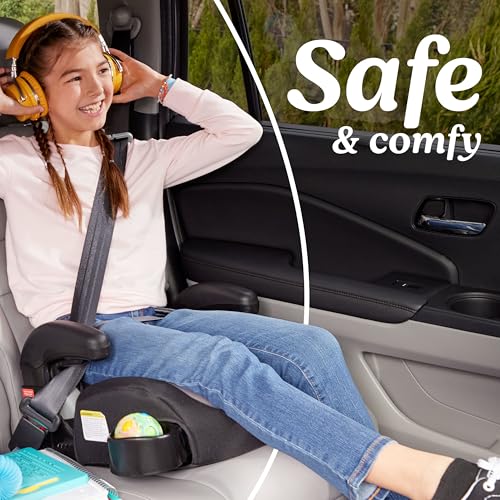
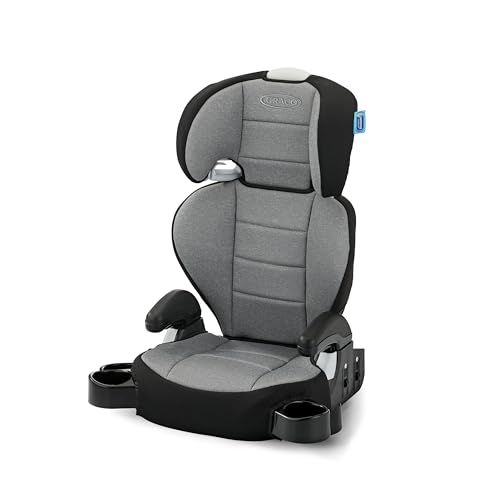
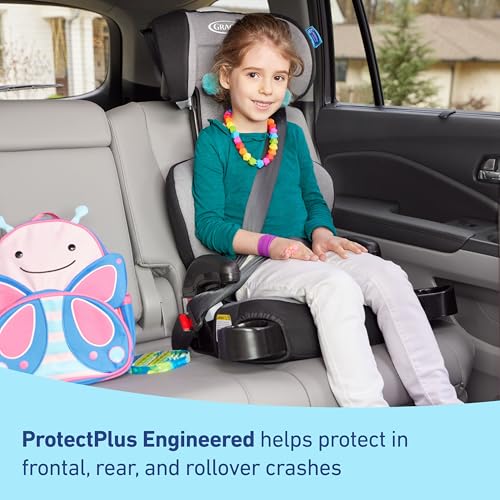
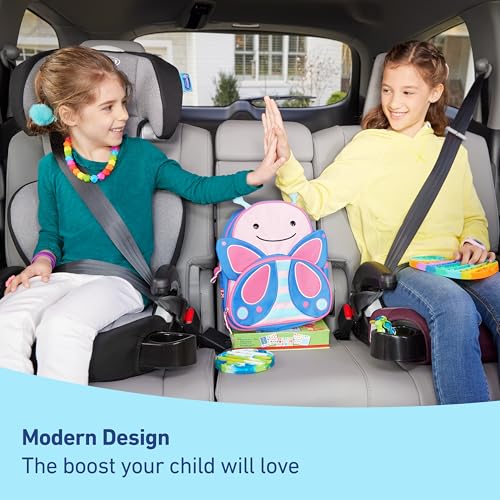
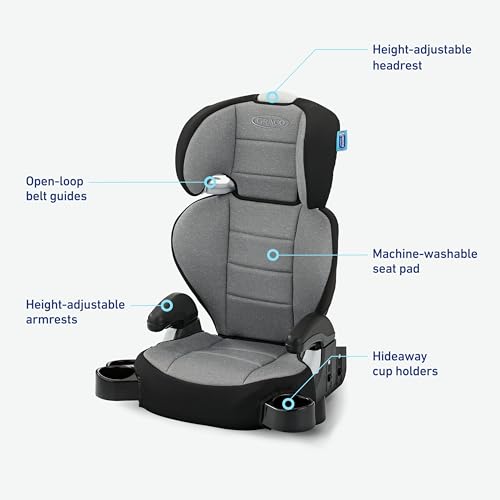
This is one of the few backless boosters that’s ProtectPlus Engineered, meaning it’s been tested beyond federal minimums, including for rollovers and extreme temperatures. That level of safety validation gives me more confidence than many competitors, even pricier ones. It converts from highback to backless, which adds long-term value, and the height-adjustable armrests and head support make it comfortable as kids grow.
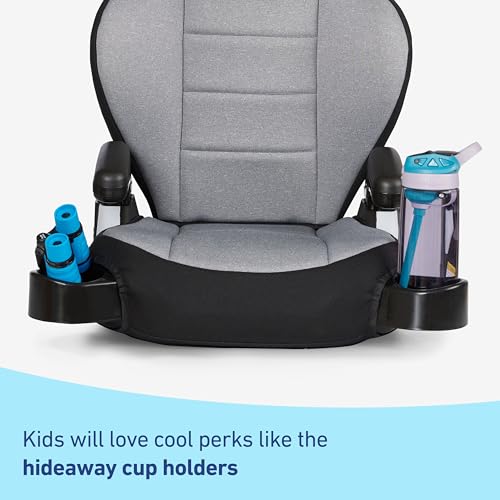
Owners appreciate the hide-away cup holders and easy-clean fabric. While it’s not the lightest or narrowest option, it’s a well-rounded pick. Compared to the Safety 1st Boost-and-Go, it lacks dishwasher-safe cup holders but matches it in safety rigor. For parents who prioritize tested protection over portability, this is a smarter buy than stepping down to a basic model.
Product photos
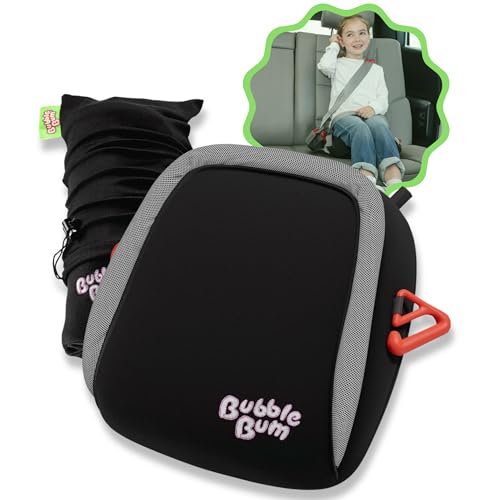
BubbleBum Inflatable Travel Booster
Strengths
- Ultra-portable design
- Independently crash tested
- Fits three across easily
Trade-offs
- Requires manual inflation
- Not ideal for daily use
- Higher price than basic boosters
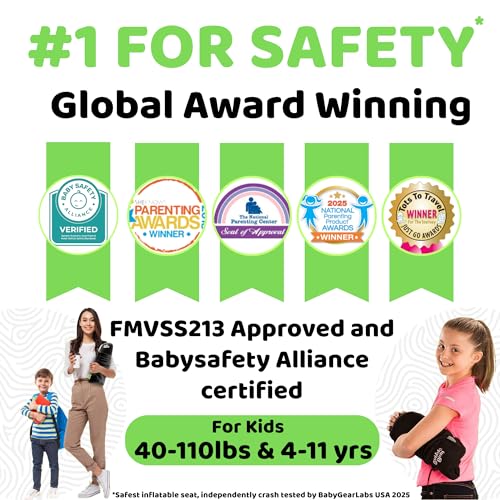
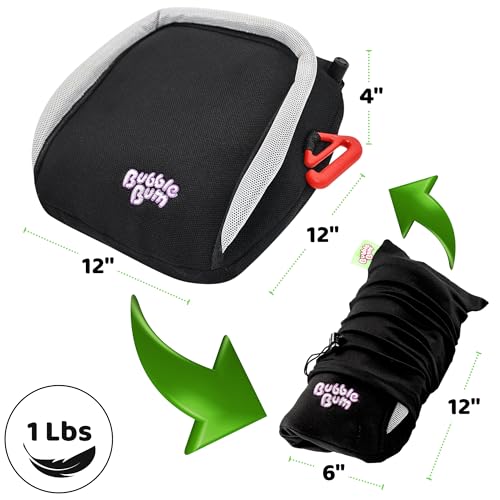
I’ll be honest, when I first heard about an inflatable booster, I was skeptical. But after reviewing the specs and reading through hundreds of parent reviews, it’s clear this isn’t a gimmick. The BubbleBum delivers real safety with independent crash testing that meets or exceeds federal standards for kids 40–100 lbs. Its biggest strength? Portability. It packs down smaller than any rigid booster, which makes it a no-brainer for families who ride share, travel often, or need a spare booster on hand.
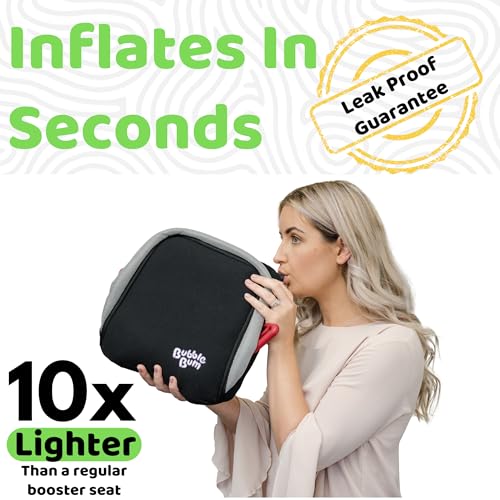
That said, it’s not meant to be your only booster. The inflation process takes a few breaths, and while owners say it holds up well, it’s not as instantly ready as a traditional seat. Still, for occasional use or trips, it’s unmatched. Compared to something like the Cosco Topside, it’s pricier but far more compact. If you value space and flexibility, this is a smart tool in your safety toolkit.
Product photos

Safety 1st Boost-and-Go Essential
Strengths
- 3-in-1 convertible design
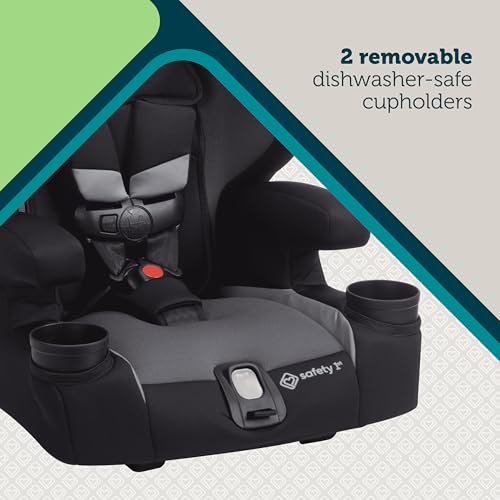
- Dishwasher-safe cup holders
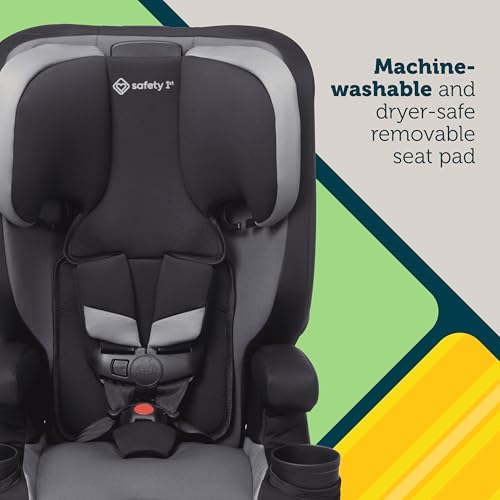
- Machine-washable and dryer-safe pad
Trade-offs
- Harness mode may fit snug
- Higher price point
- Less brand recognition in safety testing
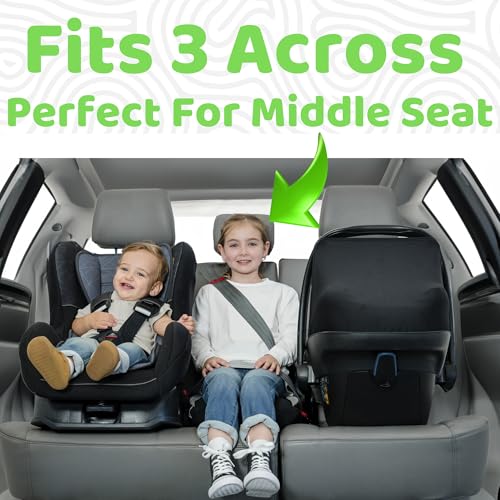
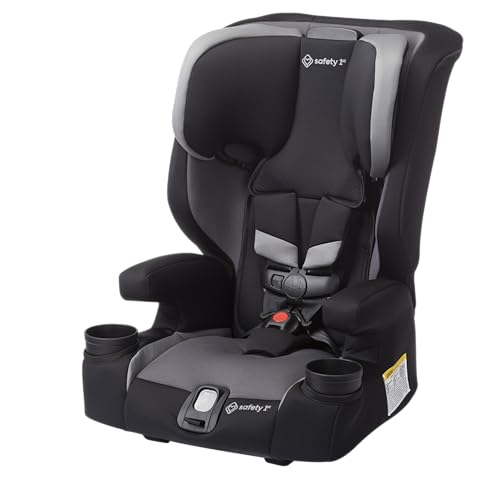
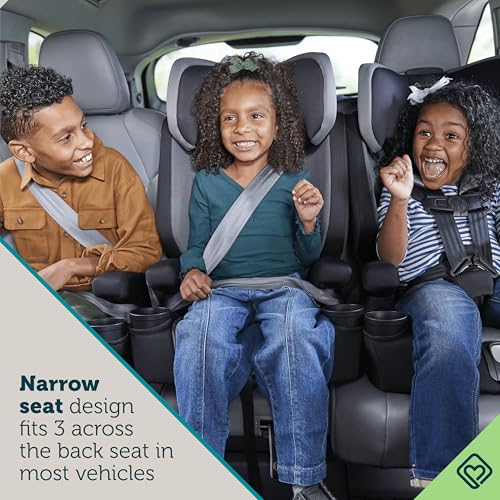
Priced at the higher end, this 3-in-1 offers real versatility, it starts as a harnessed seat for kids 30–65 lbs, then converts to highback and finally backless booster. That extended use range makes it a potential long-term investment. The lightweight build and narrow design are big wins, especially for families who need to move the seat between cars or fit three across.
The machine-washable, dryer-safe pad and two dishwasher-safe cup holders are standout features. Some owners note the harness mode feels snug for larger kids, but overall, it’s a well-built option. Compared to the Graco TurboBooster 2.0, it offers more stages but less crash testing transparency. Still, for a single-seat solution that grows with your child, it’s hard to beat.
Product photos

Graco TurboBooster LX with LATCH
Strengths
- Front-adjust LATCH system
- Secure when unoccupied
- Easy self-buckling
Trade-offs
- Backless only
- No machine-washable pad
- Higher price than non-LATCH models
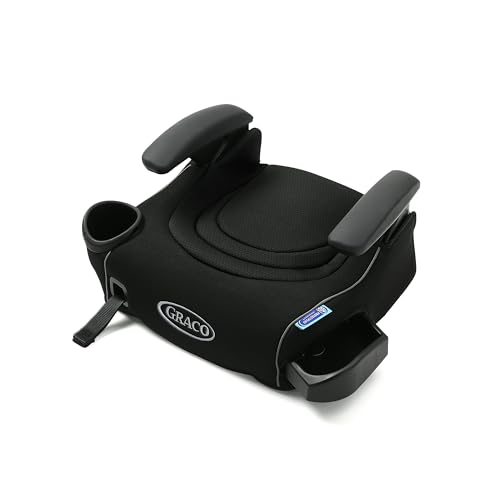
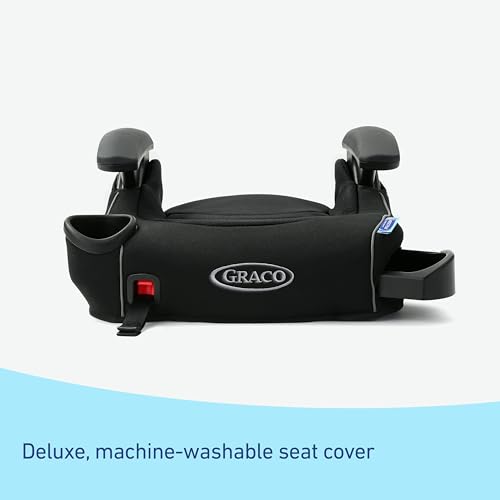
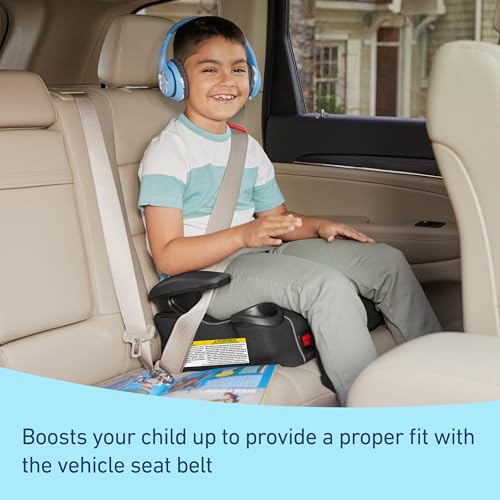
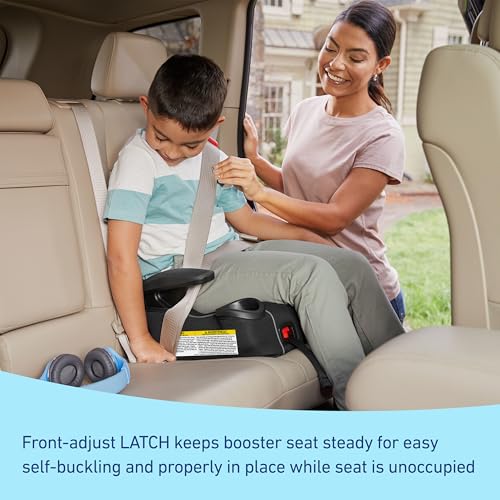
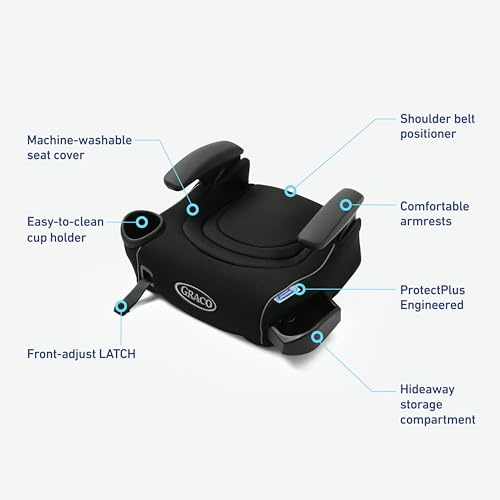
The LATCH system is what sets the Graco TurboBooster LX apart. It uses front-adjustable LATCH to secure the seat to the vehicle, which keeps it in place when unoccupied, a huge win for families with multiple kids or shared vehicles. Parents consistently report that this feature makes self-buckling easier and keeps the booster from sliding around.
It’s also a clean, simple design with a built-in cup holder and solid build quality. While it doesn’t have a highback option like the Safety 1st Grow and Go, it’s a better pick than the basic Cosco Topside for everyday use. Compared to the Graco TurboBooster 2.0 backless model, it’s slightly more expensive but offers the same safety engineering with the added benefit of secure attachment. For families who want a dependable, always-in-place booster, this is a strong contender.
Product photos
Evenflo GoTime LX Booster
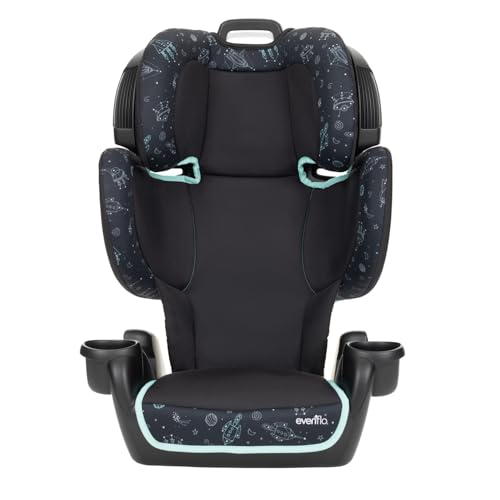
Strengths
- Supports up to 120 lbs
- Deep side and head support
- One-hand height adjustment
Trade-offs
- Stiff initial feel
- No expandable side wings
- Not as lightweight as competitors
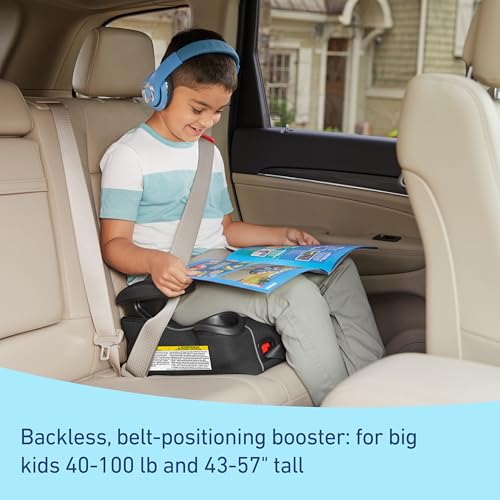
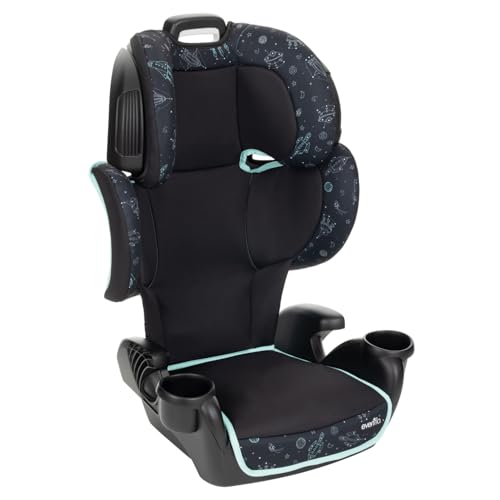
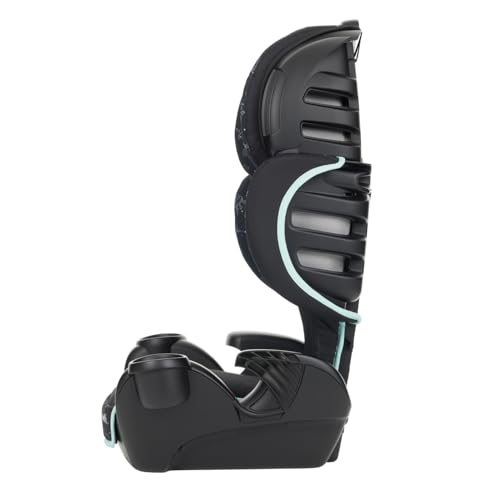
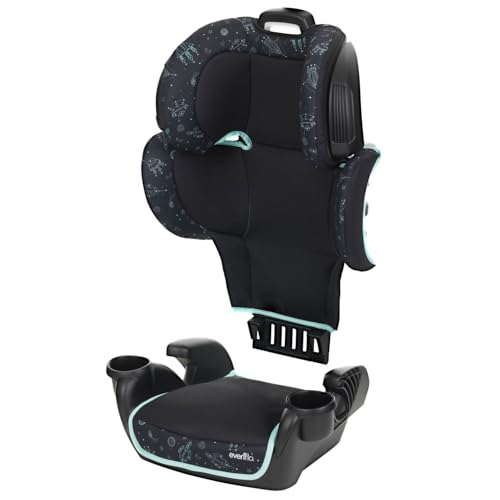
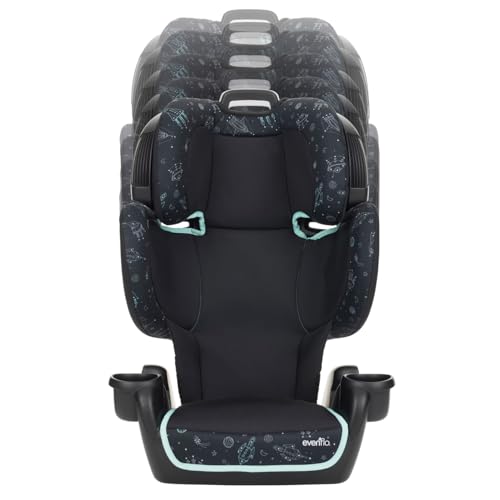
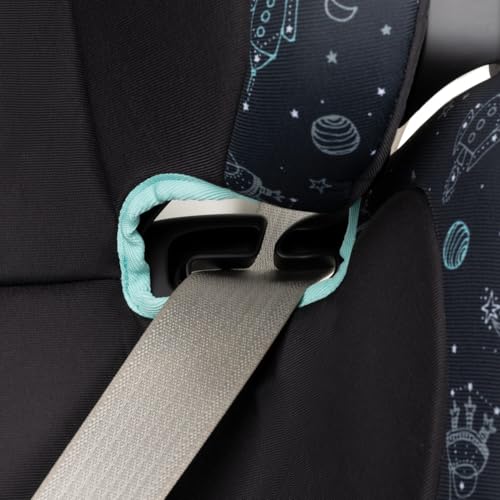
The Evenflo GoTime LX stands out for its deep, enveloping design, it offers more side and head support than most highback boosters, which is great for younger kids or those who lean while sleeping. It transitions from highback to backless and supports up to 120 lbs, letting bigger kids stay in the booster longer than most models rated to 100 lbs.
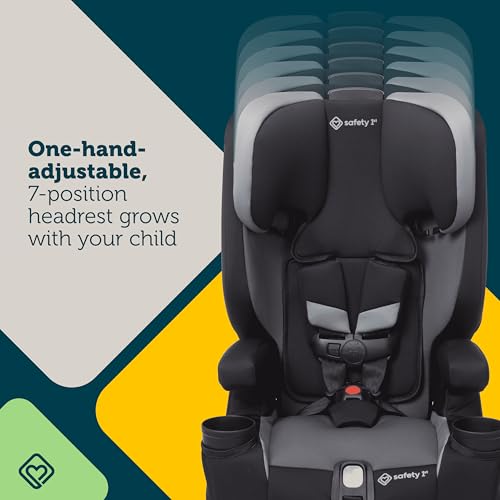
The one-hand, 7-position height adjustment is smooth, and the two built-in cup holders are convenient. However, some owners note the seat feels stiff initially and takes time to break in. Compared to the Safety 1st Grow and Go, it lacks expandable sides and machine-washable convenience but wins on weight capacity. For families with taller or heavier kids, this extended use range is a big plus.
Product photos
How We Evaluated safety booster seats
Rather than a hands-on lab test, my research focused on a detailed comparison of specifications and features across numerous models. I weighed owner reviews from major retailers alongside expert opinions from sources like Consumer Reports and the National Highway Traffic Safety Administration (NHTSA). This data was then ranked against a set of criteria important for safety, convenience, and value – factors I’ve prioritized throughout my work on CruiseCradle.com.
For safety booster seats, the most heavily weighted factors were a seat’s weight and height limits, and its demonstrated compliance with federal safety standards. A booster’s ability to properly position a child for seat belt use is paramount, so features like belt guides and adjustable headrests were also key. Beyond safety, ease of use – including adjustability and portability – significantly impacted rankings, as these features affect consistent and correct usage.
Specifications clearly indicate weight and height limits, as well as the presence of safety certifications. However, I placed considerable value on owner feedback regarding real-world fit and comfort, particularly for children on the smaller or larger end of the spectrum. Reputation, as reflected in expert reviews and long-term user satisfaction, provided insight into build quality and durability that specs alone couldn’t reveal.
Choosing The Right safety booster seats
Choosing the right booster seat requires a bit more thought than simply picking the cheapest option. A well-chosen booster will keep your child safe and comfortable as they transition from a full car seat to using the vehicle’s seat belt system.
A good booster seat elevates a child so that the vehicle’s seat belt fits properly across the strongest parts of their body – the collarbone and hips – not the neck and stomach. Look for adjustable headrests, good side impact protection, and a seat that’s appropriately sized for your child’s weight and height, as well as your vehicle.
Weight & Height Limits Are Critical
It’s tempting to think a booster seat is “good enough” if your child meets the minimum weight requirement, but that’s not the whole story. Pay close attention to both the weight and height limits. A child who is too small for the booster, even if they’ve hit the weight minimum, won’t get the proper belt fit. Conversely, a child who has outgrown the height limit will need to move to a different solution. Don’t rush the transition; a properly fitting booster is always better than one prematurely adopted.
Backless vs. High-Back: What’s the Difference?
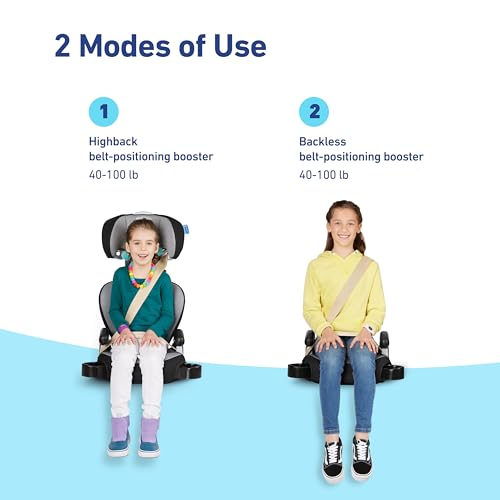
The choice between a backless and a high-back booster depends on your vehicle and your child. High-back boosters offer more head and neck support, which can be especially valuable in cars without headrests or for kids who tend to fall asleep during car rides. However, they can be wider and may not fit three across in some vehicles. Backless boosters are more portable and generally fit better in tighter spaces, but provide less side impact protection.
Here’s a quick breakdown: * Portability: Backless boosters win hands down. * Side Impact Protection: High-back boosters generally offer more. * Vehicle Fit: Consider how many seats you need to fit across and whether your car has headrests. A high-back might be ideal if you need the extra support, but a backless could be necessary for a narrow backseat.
Ease of Use & Cleaning Matters
Let’s be real: life with kids is messy. A booster seat with a machine-washable seat pad and dishwasher-safe cup holders is a huge win. Beyond cleaning, consider how easy it is to adjust the headrest or convert between high-back and backless modes (if applicable). A complicated booster seat is less likely to be used correctly consistently.
A booster seat is only as effective as its consistent, correct use. Prioritize ease of installation and adjustment to make it more likely you’ll get it right every time.
Safety Booster Seats Compared
Here’s a comparison of key specifications for popular safety booster seats to help you make an informed decision.
| Product Title | Weight Capacity (lbs) | Height Capacity (in) | 2-in-1 Convertible | LATCH System | Inflatable |
|---|---|---|---|---|---|
| Safety 1st Grow and Go 2-in-1 | 40-100 | 43.4-57 | Yes | No | No |
| Cosco Topside Backless Booster | 40-100 | 43.4-57 | No | No | No |
| Graco TurboBooster 2.0 Backless | 40-100 | 57 | No | No | No |
| Graco TurboBooster 2.0 Highback | 40-100 | 57 | Yes | No | No |
| BubbleBum Inflatable Travel Booster | 40-100 | N/A | No | No | Yes |
| Safety 1st Boost-and-Go Essential | 30-100 | 43.4-57 | Yes | No | No |
| Graco TurboBooster LX with LATCH | 40-100 | 43-57 | No | Yes | No |
| Evenflo GoTime LX Booster | 40-120 | N/A | Yes | No | No |
Frequently Asked Questions
What is the earliest age a child can safely use a booster seat?
A child is generally ready for a booster seat when they’ve outgrown their forward-facing car seat’s height or weight limit, typically around age 4, but maturity and size are more important than age. They must be able to sit upright and keep their back against the vehicle seat.
Do I really need a booster seat if my car has headrests?
Yes, you likely still do. A booster elevates a child to ensure the vehicle’s seat belt fits correctly, and headrests alone don’t always provide sufficient positioning for smaller bodies. Even with headrests, a booster improves belt fit across the collarbone and hips.
How long will my child need to use a booster seat?
Most children will need a booster seat until they are between 10 and 12 years old, or reach a height of at least 4 feet 9 inches (57 inches). Correct seat belt fit is the key indicator, not age, so they should remain in a booster until the seat belt fits properly without it.
Are inflatable booster seats as safe as traditional hard-shell models?
Inflatable boosters like the BubbleBum are safety-certified and can be a good option for travel or carpooling, but they may not offer the same level of side impact protection as a high-back booster. They are best suited for children who already have good head control.
What does “2-in-1 convertible” mean when looking at booster seats?
A 2-in-1 convertible booster can be used as both a high-back booster and a backless booster, offering flexibility as your child grows. This allows you to continue using the seat even if your vehicle doesn’t have headrests or if you need a more portable option.
The Bottom Line
Choosing a booster seat often comes down to balancing convenience with the level of support your child needs. While many options exist, the Graco TurboBooster 2.0 Highback strikes an excellent balance of features, adjustability, and price, making it our overall recommendation for most families. It’s a solid, reliable choice that will grow with your child for years.
For specific needs, the Cosco Topside Backless Booster is a fantastic budget-friendly option for occasional use or travel. If you prioritize portability, the BubbleBum Inflatable Travel Booster is unmatched, easily fitting in a carry-on bag. And for families who want a booster that can adapt as their child grows, the Safety 1st Grow and Go 2-in-1 offers great flexibility.
Ultimately, the most important thing is a proper fit. Don’t get caught up in bells and whistles; focus on a seat that positions your child correctly with the vehicle’s seat belt, and one that you’ll consistently use on every trip. A well-fitting, properly used booster is the foundation of car seat safety.
