
Guide to the Lightest Weight Infant Car Seat on the Market
This post contains affiliate links. As an Amazon Associate, we earn from qualifying purchases.
The lightest weight infant car seat on the market is the Maxi-Cosi Ambra, with a carrier weight of 7 pounds. This figure excludes the canopy and infant inserts, which add about another pound. “Lightest” is a single data point in a matrix that includes safety certifications, installation systems, material durability, and stroller compatibility.
That 7-pound number is a real advantage for carrying. It is also a potential red flag if it comes from cutting material where it matters. Your choice hinges on which trade-offs you are willing to make for those saved ounces.
What follows is a breakdown of the specs behind the weight claim, the three critical trade-offs every lightweight seat forces, and a side-by-side look at how the other leading models stack up. By the end, you will know whether the lightest seat is the right seat for your daily routine.
Key Takeaways
- The published weight often excludes the canopy and inserts. Always add 0.5 to 1.5 pounds to the advertised carrier weight for the real carry weight.
- Lightweight shells can mean less inherent side-impact structure. Look for seats that compensate with dedicated Side Impact Protection (SIP) wings or energy-absorbing foam.
- The base installation system matters more than the carrier’s weight. A rigid LATCH base installs in 30 seconds; a belt-path base can take 5 minutes of wrestling every time you move it.
- Do not buy a seat over 7 years old, regardless of weight. Plastic degrades and becomes brittle.
- The lightest seat is useless if it does not click into your stroller. Verify stroller compatibility before purchasing.
The Lightest Contender: Maxi-Cosi Ambra
The Maxi-Cosi Ambra (model IC399) holds the current title at 7 pounds for the bare carrier. Its shell uses a thinner-grade polypropylene composite, and its EcoCare fabric is woven from recycled plastic bottles, which shaves grams. The seat feels startlingly light when you lift it off the base.
The Ambra infant car seat carrier weighs 7 lbs. Without the canopy and infant inserts, which add approximately 1 lb. It fits children from 4–30 lbs. And up to 32 inches in height, and installs via a stay-in-car base with rigid LATCH connectors.
That rigid LATCH base is the Ambra’s secret weapon for daily use. The metal arms click directly into your vehicle’s lower anchors without a strap. You get a rock-solid connection in under a minute. The base also includes a load leg that braces against the vehicle floor, a feature more common on European-designed seats like Cybex for added stability.
The fabric choice is a double-edged sword. The 100% recycled EcoCare material is a sustainability win and is OEKO-TEX certified. However, some parents in online forums note it can feel less plush than the velvety fabrics on a Peg Perego or UPPAbaby seat. The trade-off is a lighter, more breathable seat that may be less cozy for a newborn without the included infant insert.
The harness system uses a no-rethread design. You adjust the headrest height with one hand, and the harness straps move with it. This is a non-negotiable feature on any modern seat. Wrestling with harness straps through the shell is a chore you do not need.
Bottom line: The Ambra is the weight champion. Its real value is the combination of that weight with a premium, tool-free installation system. It is a seat built for parents who are constantly moving the carrier in and out of the car.
Weight vs. Everything Else: The Real Trade-Offs
Choosing a seat on weight alone is a mistake. The engineering decisions that make a seat light have direct consequences for safety, comfort, and longevity. You are trading mass for something else. The question is what.
Trade-Off 1: Shell Material and Side-Impact Protection.
A lighter plastic shell can be just as strong as a heavier one if the polymer blend and molding are advanced. The catch is energy management. In a side-impact collision, a thicker shell with more material has more inherent structure to absorb and deflect force. Many lightweight seats compensate by adding dedicated Side Impact Protection (SIP). These are reinforced wings or layers of energy-absorbing foam like EPS (expanded polystyrene) built into the head and torso areas. The Cybex Cloud G Pro, for example, is not the lightest, but its SensorSafe base and deep SIP wings are its primary safety sell. The Ambra uses its ClimaFlow shell design for ventilation but must rely on its overall structure and base load leg for side-impact performance. There is no free lunch.
Trade-Off 2: Fabric and Padding.
Heavy, plush padding adds weight. The luxurious feel of a UPPAbaby Mesa V2 insert comes from multiple layers of foam and fabric. A seat like the Evenflo LiteMax uses simpler, lighter pads. This affects newborn comfort and how much you will spend on aftermarket head supports (which you should never use unless they are crash-tested with the seat). The LiteMax’s recline indicator has separate zones for infants under 20 pounds and those over 20 pounds. Get that angle wrong for a newborn, and you risk positional asphyxiation. The plush insert in a heavier seat often positions the baby correctly by default.
Trade-Off 3: Base Design and Your Back.
The carrier’s weight matters when you carry it. The base’s installation design matters every single car trip. A flimsy, strap-based LATCH system that is hard to tighten is a daily frustration. A rigid LATCH base like the Ambra’s or a well-designed seat-belt lock-off like the Graco SnugLock system saves your back and your patience. The lightest carrier paired with a terrible base is a net loss. Always evaluate the total system.
| Trade-Off | What You Gain | What You Might Lose | How to Compensate |
|---|---|---|---|
| Thinner Shell | Lighter carry weight | Potential side-impact energy absorption | Choose a model with certified SIP wings or a load-leg base. |
| Lighter Fabrics | Better breathability, easier cleaning | Newborn comfort & positioning | Use only the manufacturer’s tested infant insert. |
| Simpler Base | Lower cost | Installation security & speed | Prioritize models with rigid LATCH or proven lock-off systems. |
How Other Top Seats Compare on the Scale
The Ambra is the outlier. Most premium infant seats cluster between 8.5 and 11 pounds. Where they land on that scale tells you where their engineering priorities lie.
The Peg Perego Primo Viaggio 4-35 Nido weighs about 9.5 pounds. That extra heft comes from a famously plush seat pad and a sturdy shell. Its base features a unique dial-adjustable foot for leveling on sloped vehicle seats. This is a seat built for comfort and a precise fit, not for being hauled a mile on your forearm.
The Evenflo LiteMax lives up to its name at around 8 pounds. It achieves this with a no-frills design. The fabrics are functional, the canopy is basic, and the base is a straightforward LATCH or belt system. It is the budget-friendly lightweight option. You give up the premium installation features and some of the padding.
The UPPAbaby Mesa V2 is a heavyweight in comparison, at nearly 11 pounds with the insert. Its mass comes from a robust shell, a substantial steel-reinforced base, and thick, machine-washable pads. This is a “tank” mentality. The trade is ultimate perceived safety and luxury for daily lifting strain.
Where this goes sideways: Choosing a seat over 9 pounds because it feels safer, but then leaving it loosely installed because the base is difficult to tighten properly. A perfectly installed 8-pound seat is safer than a poorly installed 11-pound seat every time.
Your stroller choice may decide for you. The Mesa V2 clicks seamlessly into UPPAbaby strollers. The Ambra fits Maxi-Cosi and many other European brand frames. The Graco SnugRide SnugLock 35 LX has universal compatibility with a vast array of travel systems. Verify this before you fall in love with a seat’s weight.
The Critical Specs Beyond the Poundage
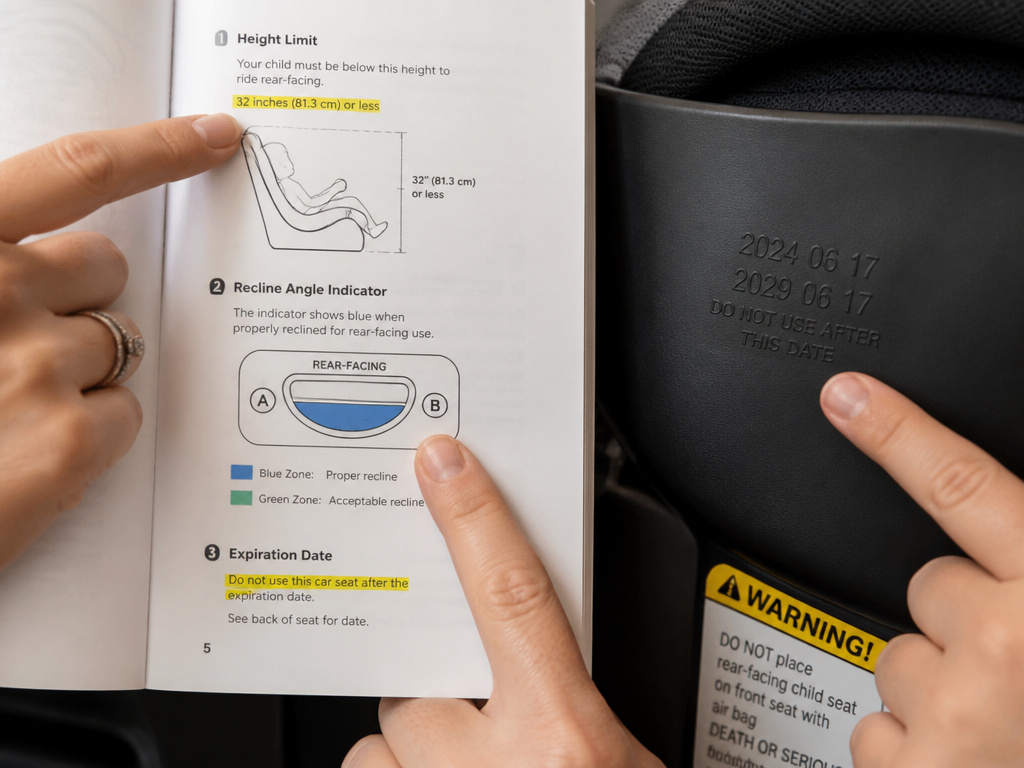
The weight number is a gateway. Three other specifications on the manual’s first page dictate whether the seat will work for your child and your car.
1. The Height Limit – It’s Not Just Weight.
Every seat has a maximum height, usually 32 inches. This limit is not a suggestion. A child whose head is within an inch of the shell’s top has outgrown it, regardless of weight. Tall infants hit this limit months before they hit the 35-pound weight limit. Lightweight seats do not change this rule.
2. The Recline Angle – A Non-Negotiable for Newborns.
Infants must ride semi-reclined so their airways stay open. Every base has a level indicator. Some, like the Evenflo LiteMax, have two zones: blue for infants 4-20 lbs., green for 20-35 lbs. The angle for a 5-pound newborn is more reclined than for a 20-pound toddler. An incorrectly angled seat is a breathing hazard.
3. The Expiration Date – The Clock Starts at Manufacture.
Plastic degrades with heat, cold, and UV exposure. All car seats expire, typically 7 to 10 years from the manufacture date. The stamp is on the shell. A used seat that is light as a feather but from 2015 is a hazard. Its structural integrity is unknown.
Installation: The System That Makes Weight Irrelevant
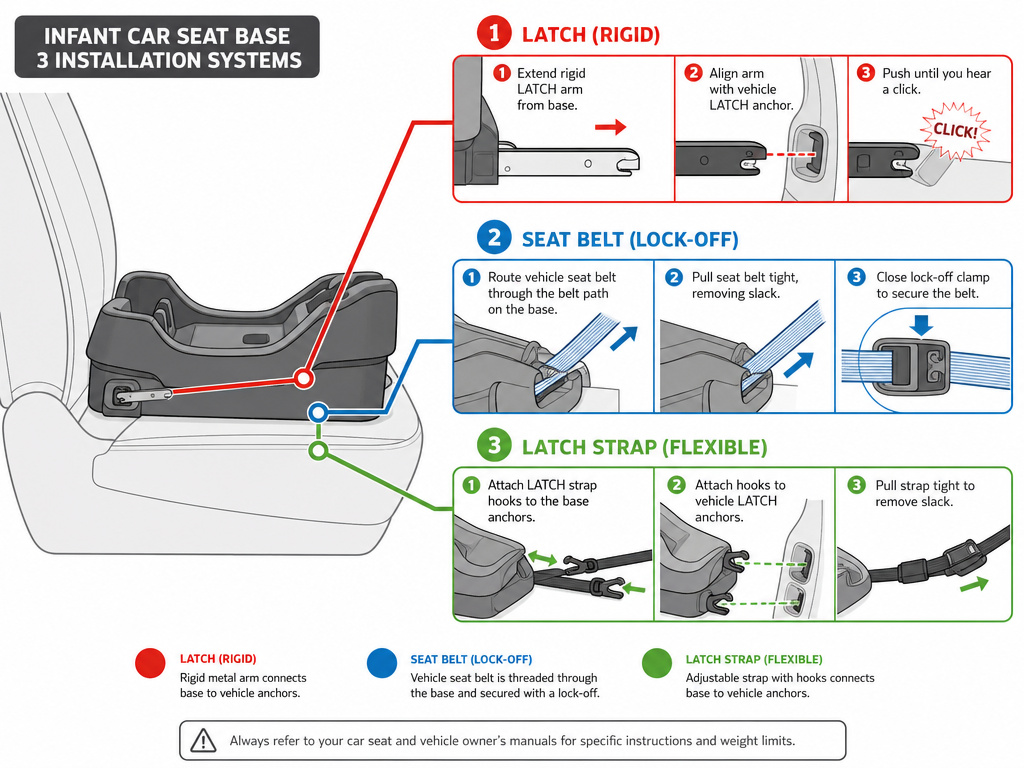
The lightest seat in the world is a burden if its base is a puzzle. There are three main installation types, and they trump a two-pound weight difference.
Rigid LATCH: Metal arms extend from the base and click directly into the vehicle’s lower anchors. This is the gold standard. It is fast, intuitive, and nearly impossible to install loosely. The Maxi-Cosi Ambra uses this. Your vehicle must have dedicated lower anchor points.
Seat Belt with Lock-Off: The vehicle seat belt threads through the base, and a built-in clamp (the lock-off) locks the belt tight. The Graco SnugLock system is the best example. When used correctly, it is as secure as LATCH. It works in any seating position, including airplanes.
Standard LATCH Strap: Two hooks on a adjustable strap connect to the lower anchors. This is the most common and most frequently misused system. It requires significant tightening and is prone to loosening over time. Most seats in the 8-10 pound range use this.
Before you start: Park on level ground. Use your full body weight to press the base into the vehicle seat cushion while tightening. The base should not move more than 1 inch side-to-side or front-to-back at the belt path. Check the level indicator after tightening.
Your choice here matters more than anything. A secure installation is the foundation of safety. The carrier’s weight is irrelevant once it is clicked into a properly installed base.
Frequently Asked Questions
What is the actual carry weight of most infant car seats?
Most infant car seats weigh between 8.5 and 11 pounds when ready to carry, including the canopy and a newborn insert. The advertised “carrier weight” often excludes these accessories. Always plan for an extra 1 to 1.5 pounds over the listed number.
Does a lighter car seat mean it is less safe?
Not necessarily. Safety is determined by compliance with strict federal standards (FMVSS 213) and the engineering of energy-absorbing materials and structures. A lighter seat can be just as safe if it uses advanced materials and includes features like side-impact protection. The key is to choose a seat from a reputable brand that meets all safety standards, regardless of its weight.
Can I use any infant car seat with any stroller?
No. Compatibility is not universal. Infant seats click into strollers via specific adapters. Brands within the same corporate family (like Graco seats with Graco strollers) are usually compatible. For cross-brand compatibility, you must purchase specific adapters, which are not always available. Always check your stroller’s compatibility list before buying a seat.
How important is the car seat base?
The base is critical for convenience and consistent, safe installation in your primary vehicle. A good base with a simple, secure attachment system (like rigid LATCH) makes correct installation easy every time. While all seats can be installed with just a seat belt, doing so correctly on every trip is more challenging. For a seat used daily, a high-quality base is a worthwhile investment.
When should I stop using an infant car seat?
Stop using the infant seat when your child meets either the maximum weight limit (typically 30-35 lbs.) OR the maximum height limit (typically 32 inches), whichever comes first. For most children, they outgrow the seat by height long before weight. The top of the child’s head must be at least one inch below the top of the hard shell.
Before You Go
The search for the lightest weight infant car seat ends with the Maxi-Cosi Ambra at 7 pounds. That is the factual answer. The practical answer is more nuanced. Weight is a feature, not the goal. The goal is a seat you will install correctly every single time, that fits your child securely, and that integrates smoothly into your life.
For a parent who will constantly carry the seat long distances, the Ambra’s weight advantage is real and significant. For a parent whose seat will live mostly in a base, the installation system of a Graco SnugLock or the built-in side protection of a Cybex Cloud G Pro may offer more value. Assess your daily routine, your vehicle, and your stroller first. Then let the weight number help you choose between the seats that already meet those harder requirements.
