
How to Keep Your Toddler Comfortable in a Car Seat Guide
This post contains affiliate links. As an Amazon Associate, we earn from qualifying purchases.
To keep a toddler comfortable in a car seat, match three things: a seat that fits their current size, a harness adjusted to their body without bulky layers, and a cabin climate controlled between 68°F and 72°F. Comfort directly supports safety, a secure, content child is less likely to fidget out of position.
That harness fit is the pivot. A snug strap doesn’t mean tight; it means contacting the body with no slack you can pinch. The difference between a pinched strap and a properly tensioned one is about a quarter-inch of webbing, and that quarter-inch is where most parents overcorrect, cranking the adjuster until the child cries. The seat does its job only when the child is willing to stay in it.
What follows is a breakdown of the three-part comfort checklist, the data on why rear-facing leg room isn’t the problem you think, and the specific accessories that solve real problems without creating new safety risks.
Key Takeaways
- A comfortable toddler is a safer toddler. Discomfort leads to squirming, which can loosen harnesses and compromise crash protection.
- Harness straps must be at or below the shoulders for rear-facing seats. Check the slot height every month. Straps above the shoulders can ride up the neck.
- Never use aftermarket padding, head supports, or strap covers not made by your seat’s manufacturer. They interfere with the harness system and are not crash-tested.
- Manage cabin temperature actively. A study in Pediatrics & Child Health documented an infant burn from an overheated car seat, a risk that escalates in summer.
- Leg position is not a safety concern. The American Academy of Pediatrics states leg injuries are rare for rear-facing children, who find comfortable positions naturally.
The Leg Room Debate: What the Data Actually Says
Parents often turn a forward-facing seat early because they worry about cramped legs. The intuition is wrong. The official guidance from the AAP child passenger safety guidelines is clear: children are flexible and rarely sustain leg injuries rear-facing.
The real limit is the seat’s shell, not the child’s knees. A toddler will cross their legs, drape them over the sides, or prop them on the vehicle seatback. All are safe. The danger isn’t bent legs; it’s a spine and neck that aren’t yet ossified. In a frontal crash, the most common and severe type, a rear-facing seat cradles the child’s entire body, distributing force along the back. A forward-facing seat straps the torso in while the head and limbs whip forward, placing immense strain on the neck.
Where this goes sideways: Flipping a seat forward before the child maxes out the rear-facing height or weight limit. You trade a proven, superior safety position for a perceived comfort issue that isn’t real. The child’s safety margin drops the day you turn the seat around.
Keep them rear-facing until they hit the seat’s limit. For many convertible seats like the Evenflo EveryFit 3-in-1, that’s 40 inches or 40 pounds. That often gets a child to age three or four.
The Three-Part Comfort Checklist (Seat, Straps, Climate)
Comfort is a system, not a single tweak. Get these three elements right, and most complaints vanish.
| Element | What Right Looks Like | The Comfort & Safety Link |
|---|---|---|
| The Seat Itself | Child’s back and bottom are flat against the seat back. Head is within 1 inch of the shell top. | A proper fit prevents slouching and keeps the harness geometry correct. A seat that’s too small pinches; one that’s too large allows dangerous slump. |
| The Harness System | Chest clip at armpit level. Straps snug with no slack—the “pinch test” fails. No bulky coats underneath. | Snug straps distribute crash forces. A low chest clip can cause abdominal injuries. Bulk compresses, creating deadly slack on impact. |
| Cabin Environment | Temperature between 68°F and 72°F. Sun shielded from child’s skin and the seat’s dark surfaces. | Prevents overheating, which leads to agitation and dangerous sweating that can make straps slip. A peer-reviewed car seat study notes burn risks from hot seat materials. |
1. Selecting and Positioning the Seat
You need a seat that fits your child today. Convertible seats are the workhorse for toddlers. The Evenflo EveryFit is one example, transitioning from rear-facing to forward-facing to booster.
Install it tightly. Use either the vehicle’s seat belt or the lower anchors (LATCH), but never both at the same time. A seat that shifts more than an inch side-to-side at the belt path is too loose. For forward-facing seats, always use the top tether strap. It limits the seat’s forward rotation in a crash by a significant margin, reducing the child’s head excursion.
2. Adjusting the Harness for a Snug, Not Tight, Fit
This is the step most people get almost right. The goal is contact, not compression.
- Shoulder Slots: For rear-facing, the harness straps must come from a slot at or below the child’s shoulders. For forward-facing, they must be at or above. This keeps the child properly positioned in the seat during the crash forces.
- The Chest Clip: It’s a pre-crash positioner, not a restraint. Slide it to armpit level. If it rests on the belly, it can cause internal injury.
- The Pinch Test: Buckle and tighten the harness. Try to pinch the strap vertically at the child’s collarbone. If you can pinch a fold of webbing, it’s too loose. Tighten until the strap lies flat and you can’t pinch any material.
I fought with the straps on an old seat for months, convinced my son just had a sensitive collarbone. The problem was the seat pad. A fold of the cover fabric was consistently getting trapped under the harness path, creating a pressure point. Smoothing the pad flat before each buckle solved it.
Never put a puffy coat or snowsuit under the harness. Place the child in thin layers, buckle the harness snugly, then drape the coat or a blanket over the secured child. This is the single most important winter safety tip for comfort and safety.
3. Managing Temperature and Sun Exposure
A hot, sweaty child is a miserable child. Dark-colored car seats absorb solar radiation and can become dangerously hot. The PMC journal article on car seats references a case report of an infant burned by an overheated seat.
- Use a Sunshade: A static cling shade on the window blocks UV rays and cuts cabin temperature.
- Cool the Seat First: On hot days, run the A/C for a few minutes before putting the child in. Feel the metal buckle tongue with your hand, if it’s too hot for your skin, it’s too hot for theirs.
- Choose Cooling Fabrics: Look for seat inserts or liners made of breathable, wicking material that are approved by your seat’s manufacturer. Never use unapproved memory foam pads or aftermarket covers that route the harness incorrectly.
For cold weather, the same principle applies: warmth goes over the buckled harness. A fitted fleece suit or a car seat poncho are safe alternatives to a coat. Our guide on safe warming methods covers this in detail.
Safe Distractions and In-Seat Activities
Comfort is also mental. A bored toddler becomes a fussy toddler. The goal is engagement that doesn’t compromise safety.
Do’s:
- Soft Books & Cloth Toys: Attach them with short loops to the seat’s handle or D-rings. They must be soft enough to cause no injury in a sudden stop.
- Music and Audiobooks: A playlist of familiar songs or stories can be calming.
- A car seat tray: A hard tray that secures to the back of the front seat provides a stable surface for snacks and toys. It keeps items from becoming projectiles.
- Window Gel Clings: These provide visual stimulation and are harmless if they come loose.
Don’ts:
- Hard or Heavy Toys: No wooden blocks, metal cars, or hardcover books. In a crash, they become dangerous missiles.
- Loose Tablets or Phones: A tablet secured in a headrest mount is one thing; a handheld device is a hazard.
- Foods That Are Choking Risks: Avoid whole grapes, nuts, popcorn, or hard candy. Stick to meltable snacks or pouches.
A well-chosen snack tray can make the difference between a peaceful ride and a meltdown. It corrals crumbs and keeps the drink within reach.
Troubleshooting Common Discomfort Complaints
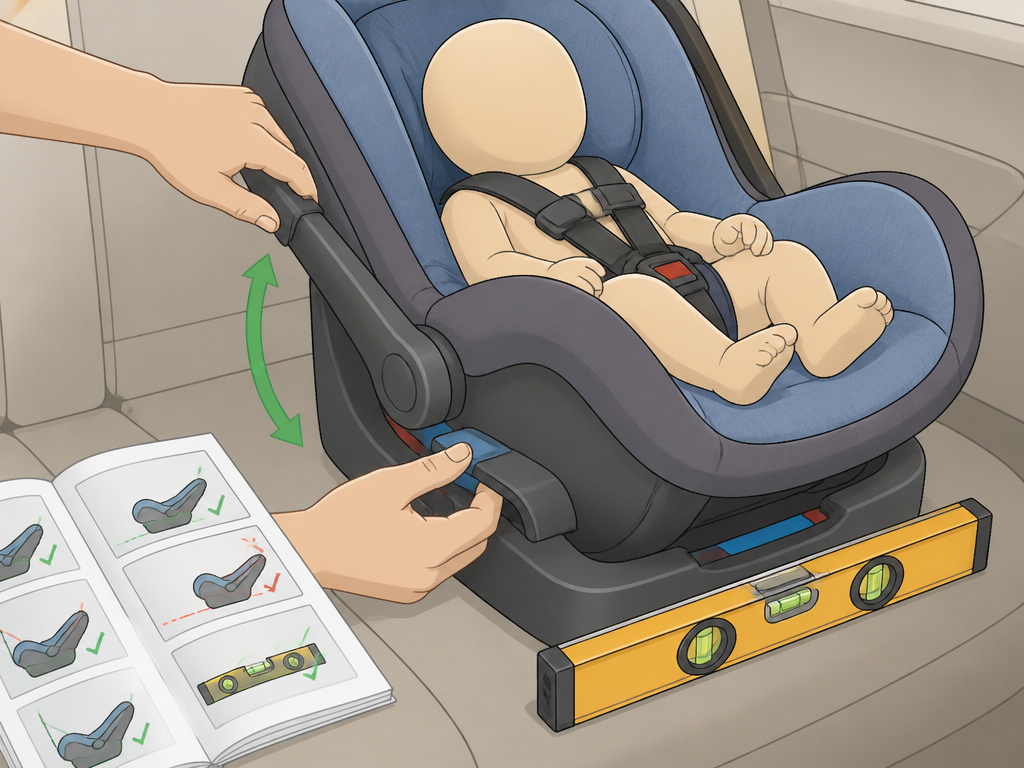 “My back hurts.” This often means the seat’s recline angle is wrong. For a rear-facing toddler, a more upright angle is usually acceptable (check your manual). For forward-facing, the seat should be upright. Ensure the installation is level.
“My neck is sore.” The child’s head is likely flopping forward in sleep. For rear-facing seats, this can indicate the seat is too upright for a younger toddler. Adjust the recline. For forward-facing, a supportive head pillow that came with the seat or is manufacturer-approved can help.
“It’s too tight!” Verify you are doing the pinch test correctly. Also, check for twisted harness straps or clothing caught in the buckle. Make the harness adjustment a game, let them help “pull the tail” to tighten.
“It’s boring.” Rotate a small basket of special “car-only” toys. Introduce a new audiobook. For older toddlers, simple “I Spy” games engage them.
“My back hurts.” This often means the seat’s recline angle is wrong. For a rear-facing toddler, a more upright angle is usually acceptable (check your manual). For forward-facing, the seat should be upright. Ensure the installation is level.
“My neck is sore.” The child’s head is likely flopping forward in sleep. For rear-facing seats, this can indicate the seat is too upright for a younger toddler. Adjust the recline. For forward-facing, a supportive head pillow that came with the seat or is manufacturer-approved can help.
“It’s too tight!” Verify you are doing the pinch test correctly. Also, check for twisted harness straps or clothing caught in the buckle. Make the harness adjustment a game, let them help “pull the tail” to tighten.
“It’s boring.” Rotate a small basket of special “car-only” toys. Introduce a new audiobook. For older toddlers, simple “I Spy” games engage them.
Frequently Asked Questions
How can I tell if my toddler has outgrown their car seat?
They’ve outgrown it rear-facing when the top of their head is less than one inch from the top of the seat’s hard shell, or they exceed the seat’s rear-facing weight limit. They’ve outgrown it forward-facing with a harness when their shoulders go above the top harness slot, their ears go above the seat back, or they exceed the weight limit.
Are aftermarket head supports and strap covers safe?
No, unless they were sold by the car seat manufacturer for your specific model. Add-on products have not been crash-tested with your seat and can interfere with the harness’s performance, creating slack or pressure points.
What is the ideal car temperature for a toddler?
Aim for a cabin temperature between 68°F and 72°F (20°C to 22°C). This range is comfortable with light layers and minimizes the risk of overheating, which is a more immediate danger to young children than mild cold.
My toddler screams when strapped in. Is this a comfort issue or something else?
It could be a negative association. Build positive experiences by letting them play in the seat while parked at home. Ensure physical comfort first (straps, temperature), then use consistent routines and engaging toys for travel. If screaming persists, check for a hair tourniquet, a hidden strap twist, or a buckle that’s pinching skin.
How often should I check and adjust the harness?
Do a quick check every time you buckle them in, chest clip position, strap snugness. Do a full review monthly, as toddlers grow quickly. Re-evaluate the shoulder slot height and overall fit with each season’s change in clothing thickness.
The Bottom Line
Toddler comfort in a car seat isn’t about luxury. It’s a foundational part of safety. A child who is physically comfortable and mentally engaged is far more likely to remain correctly positioned in their properly adjusted harness. Focus on the triad: a correctly sized seat, a harness adjusted to the body beneath the layers, and a managed cabin climate. Let go of the leg room worry, the data doesn’t support it. Your job is to maintain the safety system. Their job is to be a kid in it. When both happen, the miles get easier.
