
How to Get Your Baby Comfortable and Used to the Car Seat
This post contains affiliate links. As an Amazon Associate, we earn from qualifying purchases.
To get your baby used to a car seat, start with short, positive sessions outside the car. Let them explore the seat as a safe play space for 5-10 minutes daily, then graduate to buckled sits in a stationary vehicle before any moving trips. This builds familiarity without the stress of motion. The core issue is often incorrect installation or an improper fit, studies show a 70% misuse rate, which directly causes discomfort and crying.
That 70 percent figure comes from a peer-reviewed study in the journal Pediatrics & Child Health, and it means most car seats are installed wrong, harnessed wrong, or are the wrong type for the child. A baby strapped into a poorly fitted seat is not simply being fussy.They’re telling you something is pinching, restraining, or angled wrong. Your first job is to eliminate the physical reasons they’d want to escape, rather than to distract them with toys.
What follows is a two-part fix. First, we’ll audit the seat itself using the NHTSA car seat safety guidelines as a checklist. Then, we’ll build a habit-training plan that turns the car seat from a prison into a predictable, even pleasant, place to be. This works for newborns who’ve never ridden and for older babies who’ve decided they hate it.
Key Takeaways
- Misuse is the norm, not the exception. A Manitoba study found 70% of car seats are used incorrectly, often due to loose installation or improper harnessing. Check for less than one inch of movement at the belt path.
- Comfort checks come before behavioral tricks. Rule out hunger, a dirty diaper, temperature, and, critically, an overly tight harness or outgrown seat before trying pacifiers or mirrors.
- Start with the car off. Conduct 5-minute “practice sits” in your living room for a week, letting your baby associate the seat with play and your calm presence, not just travel.
- The rear-facing mandate is non-negotiable for safety, but it isolates your baby. Use a certified, crash-tested mirror so they can see you, and narrate the drive to provide auditory connection.
- Never add aftermarket accessories like head supports or strap covers unless they came with the seat or are sold by the manufacturer. They can interfere with the harness system and void safety certifications.
Check the Fit First (It’s Probably Wrong)
Most guides jump straight to rattles and white noise. That’s backwards. If the seat is uncomfortable or unsafe, no amount of distraction will create a lasting positive car seat experience. The data is brutal: observation studies show misuse rates between 70% and over 80%. Your first step is a mechanical audit.
Common mistake: Assuming a new seat is installed correctly. The NHTSA child passenger safety guide states a properly installed seat should not move more than one inch side-to-side or front-to-back at the belt path.
Grab the car seat where the seat belt or lower anchor strap passes through it, this is the belt path. Push and pull firmly. If it shifts more than an inch, it is too loose. For infant seat bases, this check is critical.A wobbly base transfers every bump and sway directly to the carrier, magnifying motion for the baby.
Next, check the harness. For a rear-facing baby, the shoulder straps should be at or below the shoulders. The chest clip must be at armpit level. The most common harness error is leaving it too loose.
The Pinch Test: After buckling, try to pinch the harness strap vertically at the child’s shoulder. If you can gather any material between your fingers, it’s too loose. A snug strap will lie flat with no slack.
| Checkpoint | Correct Fit | Risk If Wrong |
|---|---|---|
| Installation Tightness | ≤1 inch movement at belt path | Excessive sway causes motion sickness; reduces crash protection. |
| Harness Height (Rear-Facing) | At or below baby’s shoulders | Allows child to ramp upward in a crash, risking spinal injury. |
| Chest Clip Position | Level with armpits | Can cause internal injuries if placed on the abdomen or neck. |
| Harness Snugness | Passes the “pinch test” | Child can partially eject from the seat in a collision. |
If you find an error, you’re not alone. This is why free car seat inspection stations exist. Use them.
Build Positive Associations (Before the Car Moves)
Your baby’s brain links the car seat with one thing: the car. We need to break that link and build a new one. The goal is to make the seat a neutral, even interesting, place before it becomes a moving vehicle.
Start indoors. Bring the infant carrier or convertible seat inside. Place it in a common area during playtime. Let your baby look at it, touch it, and see it as part of the home environment. After a day or two, do a short, fully supervised practice sit.
The 5-Minute Living Room Protocol:
- Ensure baby is fed, dry, and content.
- Place them in the seat and buckle the harness correctly, snug, chest clip at armpits.
- Do not pick up the seat. Sit facing them, make eye contact, and talk or sing.
- After 3-5 minutes, unbuckle and take them out before they fuss.
- Repeat daily, slowly increasing time to 10 minutes.
This teaches the baby that being buckled in is a temporary, calm state that ends pleasantly. It builds tolerance. When you later transfer this to the car, the sensation of being restrained is already familiar. The new variable is just motion.
Master the Pre-Drive Comfort Checklist
A crying baby in a moving car is a special kind of stress. Eliminate every common trigger before you turn the key. Treat this like a pilot’s pre-flight checklist.
- Temperature: Feel the back of their neck or chest. Sweaty or clammy means they’re too hot. Cold, mottled skin means they’re too cold. Dress them in thin, breathable layers and adjust with a blanket over the buckled harness, never under it.
- Clothing: Bulk is the enemy. Puffy winter coats compress in a crash, creating dangerous harness slack. Use a thin fleece suit and tuck a blanket around them after buckling.
- Position: For newborns, use the infant insert until they reach 11 pounds. Ensure their head is supported and not slumping forward, which can block airways. For help, see our guide on how to prevent baby’s head from falling in car seat.
- Timing: If possible, schedule drives after a nap and a feed, not when they’re already tired or hungry.
A baby who is physically comfortable has one less major reason to cry. This turns the problem from a mystery into a manageable set of variables.
Engage and Distract During the Drive
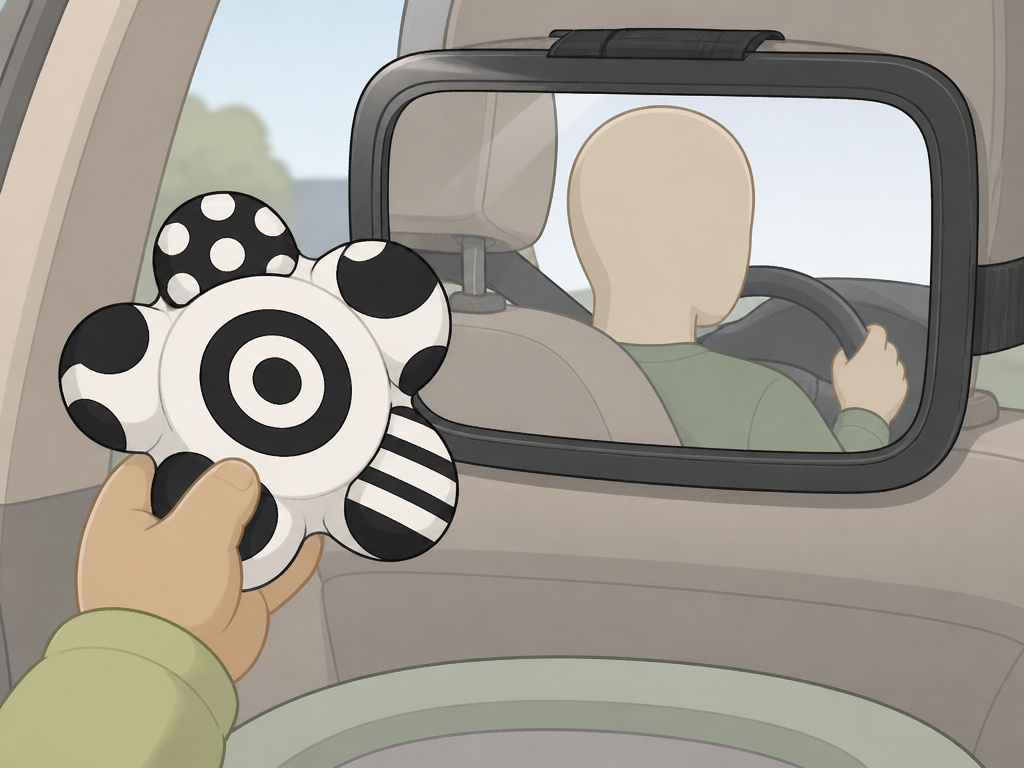
The rear-facing seat is a safety miracle that leaves your baby staring at the back of a seat. It’s boring and isolating. Your tools here are connection and controlled novelty.
Auditory Connection: Talk to them. Narrate the drive, point out colors, sing songs. Your voice is the ultimate soothing a crying baby tool. If you need quiet, play white noise or calm music through the car speakers.
Visual Connection (Safely): Install a crash-tested mirror designed for car seats. Attach it to the headrest behind them and adjust your rearview so you can see their face and they can see yours. This visual feedback is powerful.
Controlled Novelty: Keep a small bag of “car-only” toys. Simple, high-contrast cards, a soft book, or a single interesting rattle. Rotate them to maintain novelty. Avoid toys on strings or heavy objects that could become projectiles.
What about sleeping in the car? It’s a common goal. The gentle motion of the car is a powerful sleep inducer. If they doze off, that’s fine. But never use a car seat as a primary sleep space outside the vehicle due to positional asphyxia risks.
When Crying Happens (And It Will)
You’ve checked the fit, run the comfort checklist, and provided engagement. They’re still crying. Now what?
First, assess safety. If you are driving, do not unbuckle them or take them out of the seat while the vehicle is in motion. Pull over safely when you can. A crying baby is safer than an unsecured baby.
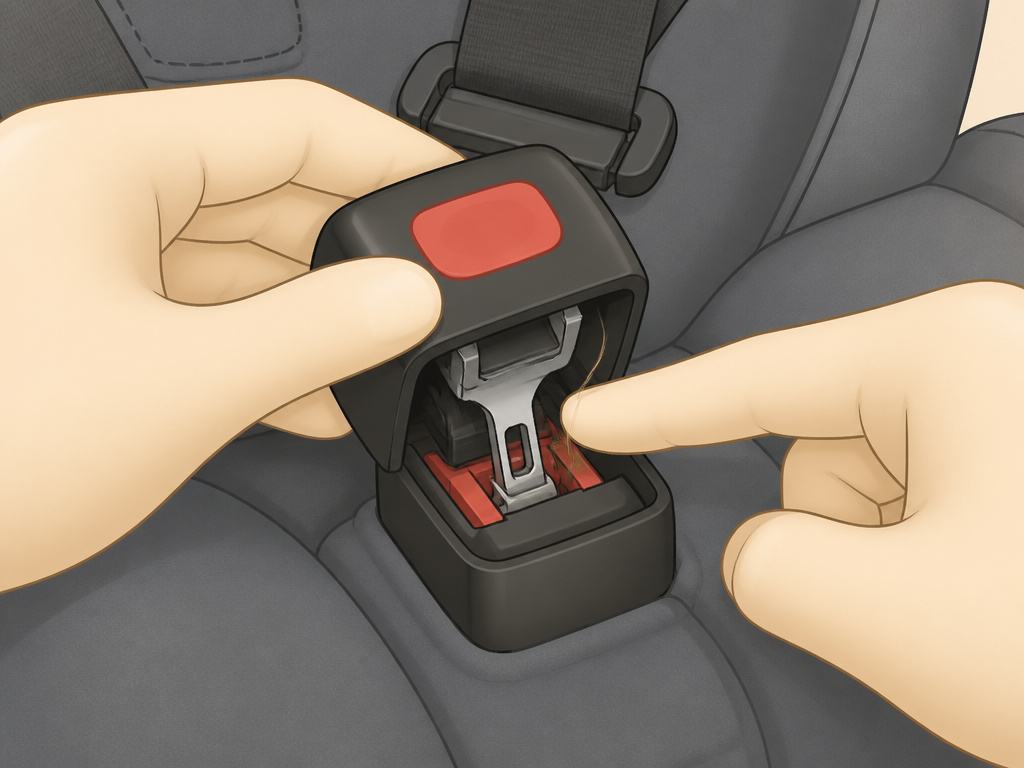
Once stopped, run through the quick checks: 1. Is there a hair or strap caught in the buckle? 2. Has they spit up? Is the harness wet and cold? 3. Has the sun shifted and is now in their eyes?
Sometimes, the reasons for crying are transient, overtiredness, a sudden noise, gas. Offer comfort, a pacifier, a gentle rock of the parked car. Then continue the drive. The question of whether to let baby cry is a personal one, but from a safety perspective, a brief period of crying in a properly secured seat is not harmful. The dangerous alternative is an unsecured child.
For long trips in heat, knowing how to keep baby cool in car seat is critical. Use sunshades, aim the A/C vents upward (not directly at them), and dress them lightly. In winter, learn safe ways to keep baby warm in car seat without a bulky coat.
The Gear That Actually Helps (And What to Avoid)
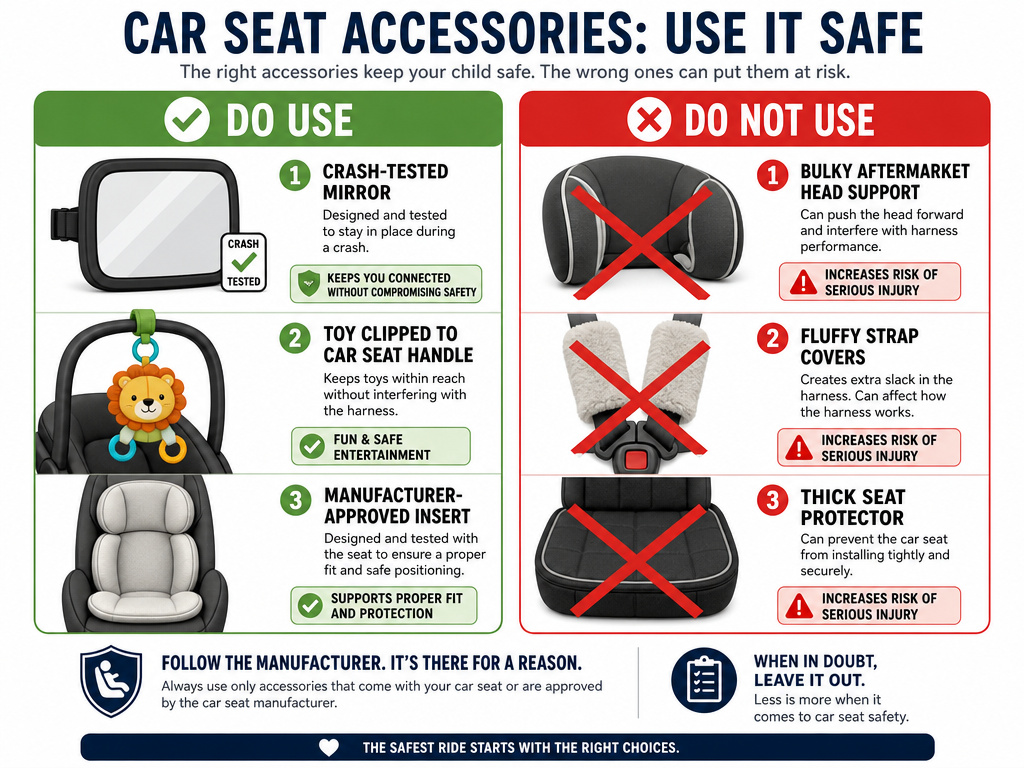
The market is full of gadgets promising a quiet baby. Most are useless; some are dangerous. Here’s the short list of what’s worth considering.
Do Use:
- Crash-Tested Mirrors: Brands like Britax and Shynerk make mirrors that attach securely to the headrest. They let you see your baby without turning around.
- Car-Seat Specific Toys: Toys that clip directly to the carry handle or seat frame, like the Manhattan Toy Winkel, keep them in reach and off the floor.
- Manufacturer-Approved Inserts: Only use the infant head support or body inserts that came with your seat. If lost, order replacements directly from the brand (e.g., Britax, Graco).
Do NOT Use:
- Aftermarket Head Supports: Unless tested with your specific seat model, these can interfere with the harness path and are not safety-rated. For safe options, research the best car seat head support for baby.
- Strap Covers or Pads: These can prevent the harness from tightening properly and are often not flame-retardant.
- Seat Protectors: Any thick mat placed under the car seat can affect installation angle and stability. Use only thin, non-padded mats approved by your car seat manufacturer.
The safest gear is the gear that comes in the box or is sold as a certified accessory by the seat maker. Everything else is an experiment with your child’s safety.
Frequently Asked Questions
How long does it take for a baby to get used to a car seat?
There’s no universal timeline. A newborn introduced with calm, positive sessions may adapt in a week or two. An older baby with a negative association may take a month of consistent, patient work. The key is consistency, not speed.
My baby screams the moment they’re buckled in. What now?
Go back to step one. Do a full fit and installation check with a certified technician. Then, restart the “living room protocol” from scratch, with even shorter sits (2-3 minutes). The screaming is communication, they’re telling you something is wrong, either physically or emotionally.
Is it okay to feed my baby in the car seat to calm them?
No. Feeding a baby in a reclined car seat, especially a bottle, poses a significant choking risk. Always pull over to a safe location to feed. A pacifier, however, is a safe and effective soothing tool for a buckled-in baby.
Can I use a tablet or phone to distract my baby?
For infants under 18 months, the American Academy of Pediatrics discourages any screen time. The light and images can be overstimulating. Stick to auditory engagement (your voice, music) and simple, tactile toys.
When should I switch to a convertible car seat?
Switch when your baby exceeds the infant seat’s height or weight limit, often when the top of their head is within an inch of the shell top, or they hit 30-35 pounds. Many parents move to a rear-facing convertible, like the Graco Extend2Fit, around 9-12 months for a more comfortable, long-term fit.
Before You Go
Getting your baby comfortable in a car seat is part mechanical, part behavioral. You cannot soothe away a poorly installed seat. Start with the hard facts from the peer-reviewed car seat study: most seats are misused. Rule that out first.
Then, build the new habit slowly and positively. The car seat should be a known space before it becomes a moving one. Use your voice, a safe mirror, and patience as your primary tools. Avoid the quick-fix gadgets that clutter the market.
Finally, know that some crying is normal. It’s a new, restrictive experience. Your job is to ensure the crying isn’t from pain or fear caused by a correctable mistake. Do that, and most babies will settle into the rhythm of the road.
