
How to Keep a Toddler From Unbuckling Their Car Seat Safely
This post contains affiliate links. As an Amazon Associate, we earn from qualifying purchases.
To keep a toddler from unbuckling a car seat, you must address three things: a properly snug harness fit, the chest clip placement at armpit level, and the root cause of the child’s discomfort. The federal FMVSS No. 213 standard, which took full effect December 5, 2024, ensures buckles can be unlatched by an adult but not easily by an unsupervised child, this means the problem is often fit, not the buckle.
A toddler who can reach and manipulate the chest clip is telling you something is wrong. The harness might be pinching, the headrest could be jutting into their neck, or the seat itself might be installed with too much wiggle room. Ignoring that signal and just wrestling the clip closed again is how you end up with a dangerous game that lasts for months.
What follows is a breakdown of the physical checks that take two minutes, the one manufacturer-approved accessory, and the electronic system that alerts you the second the buckle opens. This isn’t about willpower. It’s about removing the reasons a child wants to escape in the first place.
Key Takeaways
- The federal FMVSS No. 213 standard, active since December 2024, requires car seat buckles to be adult-releasable but child-resistant, if your seat is compliant, the unbuckling points to a fit or comfort issue.
- An improper harness fit is the leading cause of unbuckling; straps must be snug enough that you cannot pinch any slack at the child’s shoulder, and the chest clip must sit exactly at armpit level.
- The Evenflo chest clip guard is approved for use on only three specific models: the Sonus 65, Maestro Sport, and SureRide/Titan 65. Using an unapproved guard voids the seat’s warranty and safety certifications.
- Bulky winter coats and snowsuits are a direct safety hazard as they compress in a crash, creating dangerous slack; the Evenflo manual explicitly warns against them.
- Aftermarket solutions like the BeSafe eBuckle offer tightening reminders and unbuckling alerts, but they are electronic aids, not replacements for a proper manual fit check.
The First Fix: Check the Harness Fit (Every Time)
Before you buy a single accessory, look at the harness. A child unbuckles because something feels wrong. That wrong feeling is almost always in the straps, the clip, or how the seat cradles their body.
Common mistake: Assuming the child is just being defiant. An unbuckling toddler is communicating discomfort, often from a harness that’s too loose, a chest clip digging into their collarbone, or a headrest pressing against their neck.
Start with the pinch test. After you buckle your child in, try to pinch the harness strap vertically at their shoulder. If you can gather any material between your fingers, the harness is too loose. The official guidance from manuals like the Evenflo Momentum 65 is unambiguous: “You should NOT be able to pinch the harness.”
Next, find the armpit line. The chest clip isn’t a decorative piece; it’s a pre-crash positioning device designed to hold the shoulder straps in place over the strongest parts of the child’s torso. If it rides up to the neck, it becomes a choking hazard in a collision. If it sits on the belly, it offers no protection and is easy for little fingers to grab. The clip must live exactly at armpit level.
Why the Headrest and Seat Mode Matter
Harness strap height is not a set-and-forget adjustment. For a rear-facing child, the straps should emerge from the seat at or just below the shoulders. For forward-facing, they should be just above. A strap coming from the wrong height forces the child’s body into an unnatural position, creating pressure points that beg for escape.
The same logic applies to the headrest. The tops of the child’s ears must be below the top of the child restraint seat back in forward-facing mode. In rear-facing mode, the top of the child’s head must be at least one inch below the seat back. A headrest jamming into the back of a toddler’s skull is a powerful motivator to wriggle free.
The short version: Discomfort drives defiance. A proper fit removes the reason to unbuckle.
The Bulky Coat Problem (And the Safer Alternative)
Winter changes the equation. Dressing a child in a puffy snowsuit or bulky coat before buckling them in is a common, dangerous error.
The Evenflo Momentum 65 manual states it directly: “In cold weather, DO NOT dress the child in bulky clothing like snowsuits if the child is riding in a child restraint.” The reason is physics. In a crash, the fluffy material of the coat compresses dramatically. What was a snug harness suddenly has inches of slack, allowing the child to be ejected from the restraint.
| Clothing Type | Safe for Car Seat? | Risk If Used |
|---|---|---|
| Thin fleece jacket or sweater | Yes | Minimal compression, harness stays snug. |
| Puffy winter coat or snowsuit | No | Compresses on impact, creating lethal slack. |
| Blanket over harnessed child | Yes | No interference with harness tightness. |
The safe method is to buckle the child in their regular indoor clothes, tighten the harness properly, and then place a warm blanket over the secured harness. If you need a coat for the walk to the car, put it on backwards after they are buckled in. It’s a minor hassle that eliminates a major risk.
Behavioral Strategies That Actually Work
Once you’re confident the physical fit is perfect, you can address the behavior. This is where distraction, engagement, and consistency pay off.
Turn it into a game. For a toddler, a “big kid” responsibility can be motivating. Make buckling up part of a special routine. “Okay, time for our rocket ship countdown! Shoulders in, click-click, chest clip locked, and we have liftoff!” The ritual itself becomes the reward.
Use travel-specific entertainment. A reserved bag of car seat toys that only appears during drives can buy precious compliance. Similarly, a car seat tray for snacks and small activities keeps hands busy and away from the buckle.
The backwards jacket trick. This is a non-ideal but practical last resort mentioned by certified technicians. After your child is properly harnessed in a thin layer, put their winter jacket on backwards, over the straps. This creates a physical barrier that makes reaching the chest clip difficult. It’s a stopgap, not a solution, but it’s safer than an unbuckled child.
Where this goes sideways: Promising a reward after they unbuckle. “If you stay buckled, you get a sticker when we arrive” works. “If you unbuckle, you lose the sticker” does not. You’ve just taught them that unbuckling gets your full, frustrated attention.
The Chest Clip Guard (And Why It’s a Last Resort)
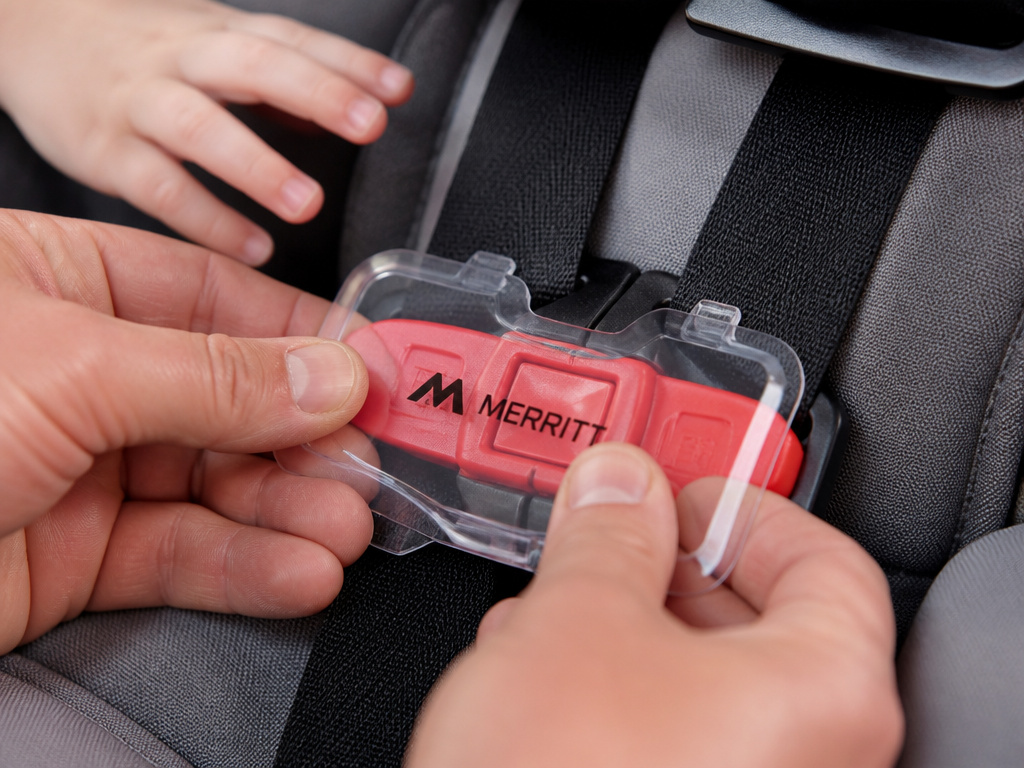 The market is full of aftermarket clips, covers, and guards that promise to solve the problem. Almost all of them are dangerous. Adding any product not approved by your car seat’s manufacturer voids its warranty and, more importantly, invalidates its safety certifications. The product could change how the harness performs in a crash, with catastrophic results.
There is one narrow exception. The blog Safe in the Seat, run by a Certified Child Passenger Safety Technician (CPST), notes that Evenflo permits the use of a specific chest clip guard manufactured by Merritt. Crucially, it is approved for use on only three car seat models: the Evenflo Sonus 65, Evenflo Maestro Sport, and Evenflo SureRide/Titan 65.
Easy to miss: The guard is approved only for those three specific seats. Trying to retrofit it onto a different Evenflo model, or any other brand, is a violation of the seat’s terms of use. The technician’s advice is to not even consider a clip guard until you’ve tried every other behavioral and fit strategy for a few weeks and consulted with a CPST.
The stance from professionals is clear: a clip guard is a last-ditch tool for a specific, persistent problem on a specific seat. It is not a first-line solution. Your primary focus must remain on achieving a correct proper strap fit and addressing your toddler’s comfort.
Smart Tech: The BeSafe eBuckle System
 For parents willing to invest in a technological aid, the BeSafe eBuckle presents a modern option. It’s an electronic buckle replacement system that adds two key functions: Tightening Support and an Unbuckling Alert.
The Tightening Support feature provides audio-visual feedback (a green light) when the harness is tightened to a pre-set tension threshold. It’s a reminder, not a guarantee. The manual explicitly warns: “The Tightening Support™ helps to remind and guide towards a tighter harness fit, but should not be solely relied upon. Always check manually.”
The Unbuckling Alert is more direct. Once the buckle is closed, the system is armed. If the buckle is opened, whether the car is moving or stopped at a light, an audible alarm sounds from the buckle itself. This gives you immediate awareness, which is valuable if a child unbuckles while you’re focused on the road.
| Feature | What It Does | Limitation |
|---|---|---|
| Tightening Support | Lights green when target harness tension is reached. | Does not measure exact force; manual pinch test still required. |
| Unbuckling Alert | Sounds an alarm the moment the buckle is opened. | Independent of vehicle motion; may alarm during normal unloading. |
| Battery | Uses a replaceable cell; low battery warning sounds. | Adds a maintenance item; failure disables electronic features. |
It’s a sophisticated tool, but it comes with caveats. It’s an electronic device that can fail, it adds cost, and it must be installed correctly. For some families, the instant alert is worth the investment. For others, perfecting the manual fit and using behavioral techniques is sufficient. You can explore the full NHTSA car seat safety guide for the federal standards these systems complement.
When to Seek Professional Help
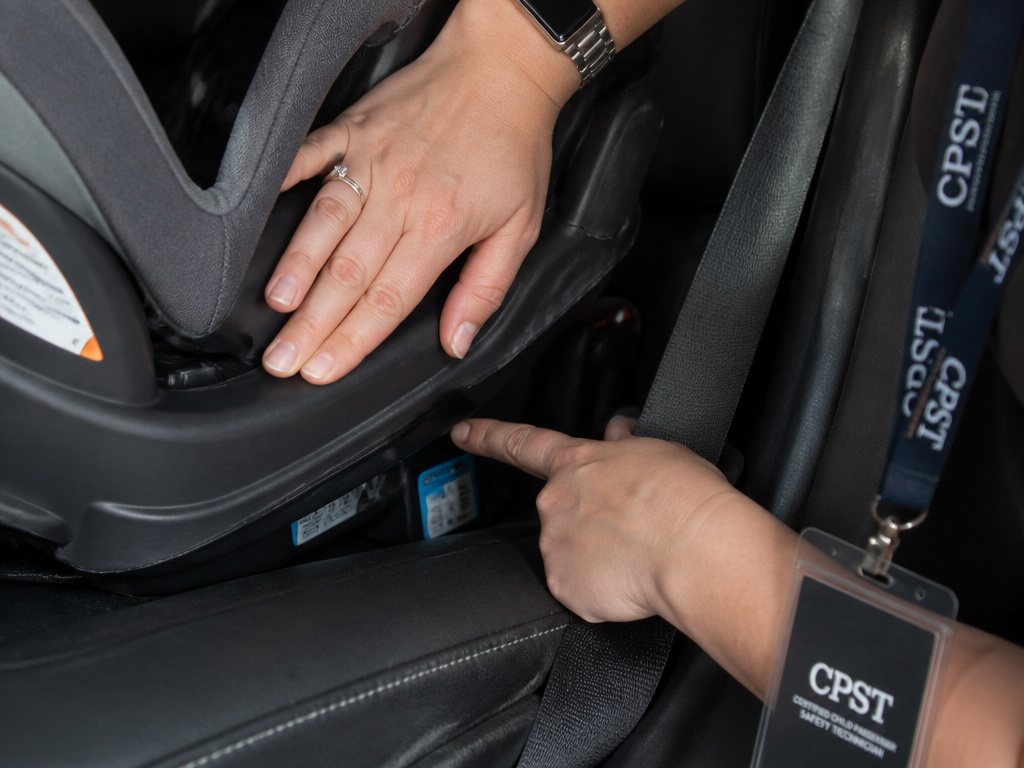 Sometimes, you need a second pair of trained eyes. A Certified Child Passenger Safety Technician (CPST) can identify issues you might miss.
They can check if your convertible car seat is installed with less than one inch of movement at the belt path, a critical factor for overall safety that affects child comfort. They can verify that the harness straps are threaded through the correct slots for your child’s height and the seat’s mode. They can also assess whether your child has genuinely outgrown their current seat and needs to transition to a new travel car seat or a different stage.
Consulting a CPST is especially crucial if you’re considering an aftermarket product or if the unbuckling behavior persists despite your best efforts. Their assessment is grounded in the latest federal guidelines and manufacturer specifications, not anecdote.
Frequently Asked Questions
Is it illegal to use a chest clip guard?
It is not “illegal,” but it may violate the terms of use of your car seat, voiding its warranty and safety certifications. Using an unapproved product means the seat has not been crash-tested with that modification, so its performance in an accident is unknown and likely compromised. The only exception is the Merritt-manufactured guard for three specific Evenflo models.
My toddler only unbuckles when the car is stopped. Is this still dangerous?
Yes. A crash can happen at any speed, including when you’re stopped at a light and are rear-ended. The unbuckling habit also normalizes the behavior, making it more likely to happen during motion on a future trip. Consistency is key for safety.
Will my child grow out of this phase?
Most do. The combination of improved communication skills, understanding of rules, and physical growth that improves comfort usually ends the phase within a few months. Your job is to manage it safely until then, using proper fit and positive strategies to ensure toddler cooperation.
Are there car seats designed to prevent unbuckling?
All car seats sold in the U.S. Must comply with FMVSS No. 213, which requires buckles to be difficult for young children to open. The design differences are minimal. The more effective approach is to choose a seat that is easy for you to adjust and tighten properly, reducing discomfort. Some long-lasting car seats with simple, no-rethread harness adjustments can help.
Can I use a hair tie or rubber band to block the buckle?
Never. This is extremely dangerous. These items can damage the buckle mechanism, prevent it from latching fully, or make it impossible for an adult to release quickly in an emergency. They are not tested, not approved, and pose a direct risk.
Before You Go
Keeping a toddler securely buckled is a non-negotiable safety imperative that hinges on three pillars: physics, psychology, and patience. Ensure the harness is snug and the chest clip is positioned correctly, this removes the physical reason to escape. Use engagement and distraction to manage the behavioral challenge. And know that the one manufacturer-approved accessory exists for a tiny subset of seats, while electronic aids like the BeSafe eBuckle offer alerts but not absolutes.
The core truth is that a child fighting the seat is a symptom. Address the cause, fit, comfort, or boredom, and the battle often ends on its own. Your calm, consistent response today is what keeps them safe for every journey ahead.
