
Where to Donate Infant Car Seat | A Must-Follow Safety Guide
This post contains affiliate links. As an Amazon Associate, we earn from qualifying purchases.
You can donate an infant car seat if it passes a three-step audit: it is within its manufacturer-stamped expiration date (typically 6–7 years for brands like Baby Trend), has never been in a crash and shows no damage to plastic or webbing, and its manufacturer is still in business and not under an active recall. A seat made before January 1, 2012, cannot legally be donated in Canada.
That date from Transport Canada isn’t a suggestion, it’s a line. Cross it, and you’re handing off a seat that Health Canada says may not meet current requirements, which shifts liability. The rest is mechanics: finding an organization that will accept a certified-safe seat, which is harder than it sounds because their insurance won’t cover a guess.
What follows: the exact three-step audit, the model-specific expiry math, the short list of places that take certified seats, and what to do when donation isn’t an option. By the end, you’ll know whether your seat is a candidate for a second life or a one-way trip to the shredder.
Key Takeaways
- The expiry date is stamped in the plastic, not on a sticker. If that sticker is missing or faded, the seat fails the audit immediately, you can’t verify its history.
- Pre-2012 seats are legally non-donatable in Canada. Transport Canada advises they cannot be advertised, sold, or given away under the Canada Consumer Product Safety Act.
- Most thrift stores and general charities refuse all car seats. Their liability is too high; specialized family support agencies are your only real target.
- A crash of any severity means the seat is trash, not a donation. Internal polystyrene foam can compress invisibly.
- Recycling is the default, not the exception. Manufacturer take-back programs like Silver Cross’s are rare; for everyone else, you’re likely disassembling it for the municipal depot.
The 3-Step Pre-Donation Safety Audit (Non-Negotiable)
Before you call a single charity, your seat must pass this gate. Skip one step, and you’re not donating a car seat, you’re passing along a liability. This isn’t about being picky; it’s about the legal and physical realities that make a seat trustworthy.
Step 1: Verify the Expiration Date. Not the Sticker
The lifespan isn’t a guess. It’s a number stamped into the plastic shell, usually on the back or bottom. Paper stickers fade and fall off; the embossed date in the plastic doesn’t. For a Baby Trend Trooper 3-in-1, that’s 7 years from production. For a standard Baby Trend infant seat and base, it’s 6 years. These are not marketing numbers. They are the manufacturer’s certification that the plastics haven’t degraded to a point where they might shatter on impact.
The part nobody mentions: If the paper label with the date is missing or unreadable, the audit stops here. You cannot prove the seat’s age, which means you cannot rule out every possible recall. According to the CPS technician recall list, a missing date sticker means you must “assume that all possible recalls apply.” No reputable organization will touch it.
Where this goes sideways: Donating a seat with a missing label. The receiving parent has no way to check for recalls, and if anything happens, the trail of negligence leads straight back to you.
Step 2: Conduct a Damage & History Inspection
This is a forensic check, not a glance. You’re looking for the obvious and the invisible.
- Plastic Shell: Run your hands over every inch, especially around the harness path and belt guides. Feel for hairline cracks, warping, or brittle spots. Look at the color, severe sun bleaching indicates UV degradation.
- Harness & Buckle: Remove the fabric cover. Examine the webbing for fraying, cuts, or thinning. Work the buckle repeatedly. It must fasten and release with a distinct, crisp click every single time. A sluggish buckle fails.
- Internal Foam: This is the hidden failure. The energy-absorbing polystyrene foam inside the shell can compress from a minor bump or even from being stored with heavy items on top. If the seat has ever been in a crash, even a fender-bender, the foam is compromised. Donate it, and you’ve donated a false sense of security.
- Missing Parts: Are all the buckle tongues present? The LATCH strap? The locking clip? A seat missing even one small part is incomplete and unsafe.
Step 3: Confirm Manufacturer Standing & Recalls
This step kills more donation hopes than expiry dates. Is the brand still operating? If the manufacturer is out of business, like some niche brands from the early 2000s, replacement parts and recall verification are impossible. The seat is a recycling project.
Next, check for active recalls. Use the National Highway Traffic Safety Administration (NHTSA) website or the manufacturer’s site. A recent example: certain Dorel Maxi-Cosi infant bases (model IC335) from 2020-2023 had lower connectors that could fail. Donating a recalled seat isn’t just irresponsible; it’s potentially handing someone a known defect.
| Audit Step | Pass Condition | Fail Consequence |
|---|---|---|
| 1. Expiration Date | Date is legibly stamped in plastic & within limit (e.g., Baby Trend 6-7 yrs). | Seat is trash. Municipal recycling or take-back program only. |
| 2. Damage & History | Zero cracks, fraying, or crash history. Buckle functions perfectly. | Internal integrity unknown. Not safe for any child. |
| 3. Manufacturer & Recalls | Company is active, and seat is clear of all recalls. | No support for parts or safety notices. Seat is an orphan. |
TL;DR: If your seat passes all three, current, flawless, and certified, it’s a donation candidate. If it stumbles on any one, its next stop is recycling.
Where Donations Get Refused (And Why)
You might think a local thrift store is an easy drop-off. You’ll be turned away at the door. Understanding why saves you the trip and explains where to focus your effort.
Most large-chain thrift stores and general charities have a blanket “no car seats” policy. The reason is pure liability. Their staff aren’t certified Child Passenger Safety Technicians. They cannot perform the three-step audit you just did. Accepting a seat means assuming legal responsibility for its safety, which their insurance won’t allow. It’s not them being difficult; it’s them avoiding lawsuits.
The refusal isn’t absolute. It’s categorical. They don’t have the expertise to tell a safe seat from a dangerous one, so they reject all of them. This is why knowing your seat’s specific car seat expiration details is useless if you can’t find a qualified receiver.
The Legal Line in Canada: January 1, 2012
For Canadian readers, this is the hard stop. Transport Canada explicitly states that car seats or booster seats made before January 1, 2012, may not meet the latest Health Canada requirements. Under the Canada Consumer Product Safety Act, you may not advertise, sell, or give them away.
This isn’t a guideline about wear and tear. It’s a regulatory cutoff. Even if your pre-2012 Graco SnugRide looks pristine, it lacks the structural updates mandated in later standards. Donating it isn’t generous; it’s distributing a product that doesn’t comply with current law. Your only legal option is to find expiration date and then recycle it.
Where You Can Actually Donate an Infant Car Seat
The shortlist is small, specific, and requires legwork. These organizations have the processes (and often the legal counsel) to handle safety-critical gear.
- Family Shelter Networks & Crisis Pregnancy Centers: These are your best bet. They work directly with parents in need, often have staff trained in child safety, and may partner with CPSTs to verify donations. Call ahead, don’t just show up. They may only accept seats during specific drives or with pre-approval.
- Local “Buy Nothing” or Parenting Groups: Hyper-local Facebook groups or Nextdoor communities. The key here is full, transparent disclosure. Post clear photos of the stamped expiration date, the model label, and the harness. State unequivocally that it has never been in a crash. You’re transferring responsibility directly to another parent, with all information visible.
- Specialized Recycling/Exchange Events: Occasionally, retailers or community groups host events. Target has run car seat trade-in events in the past, offering a discount on a new purchase in exchange for your old seat, which they then recycle. These are not donation streams, the seats are destroyed, but they clear your closet responsibly.
Worth knowing before you start: Even these receptive places will perform their own mini-audit. Come prepared with the seat clean, the manual (or a downloaded PDF), and all parts. If you can’t speak definitively about its history, keep it. “I don’t think it was in a crash” is a “no.”
When Donation Isn’t an Option: Responsible Disposal Paths
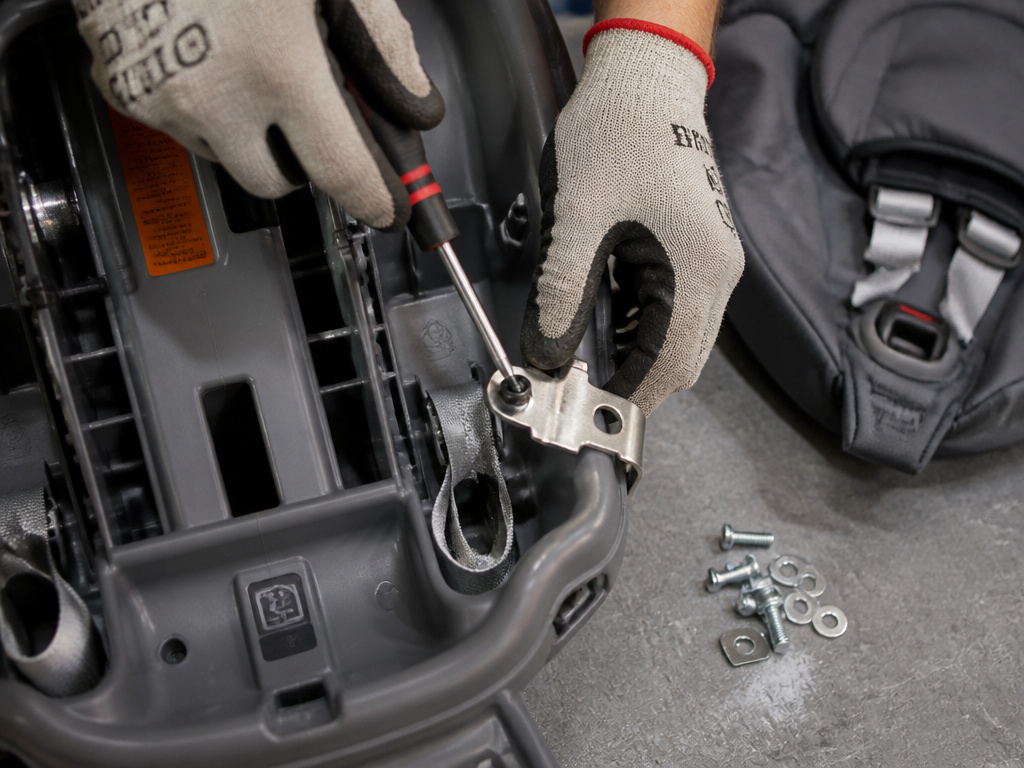
Most infant car seats end up here. If your seat failed the audit, is pre-2012, or you simply can’t find a taker, recycling is your final, responsible step. Landfill should be the absolute last resort.
| Disposal Method | How It Works | Best For |
|---|---|---|
| Manufacturer Take-Back | Brand-specific recycling. Silver Cross runs a free UK collection program. | Owners of that specific brand. Rare in North America. |
| Municipal Waste Depot | You disassemble seat into plastic, metal, fabric/foam. Drop components in designated streams. | Hands-on individuals. Call your local depot first for rules. |
| Retailer Trade-In Event | Bring old seat to store (e.g., Target event), receive coupon, they handle recycling. | Timing-dependent. Great if one coincides with your need. |
| Professional Junk Removal | Service like 1-800-GOT-JUNK? Picks up seat for a fee and ensures responsible recycling. | Convenience over cost. For those who want it gone without the work. |
The disassembly process is physical: You’ll need screwdrivers and possibly snips. Remove the fabric cover and harness (these usually go in the trash, as most municipal recyclers don’t take mixed textiles). Separate the plastic shell from any metal frame or LATCH anchors. The plastic (marked #5 PP or #2 HDPE) and metal can often be recycled. The foam padding almost always gets trashed.
This is why the best car seat after infant choice matters long-term. Investing in a longer-lasting convertible seat can mean one less disposal cycle in your future.
Frequently Asked Questions
Can I donate a car seat without the base?
Yes, but you severely limit your options. The base is critical for safe installation in a vehicle. Donating just the carrier means the recipient must then source a compatible base, which can be difficult and expensive. Always try to donate the complete system, carrier and base, as a set. It’s far more useful.
Will Goodwill or Salvation Army take my old car seat?
Almost certainly not. Both organizations have national policies against accepting used child safety equipment, including car seats, helmets, and cribs, due to the liability risk. Do not waste your trip. Focus on the specialized organizations listed earlier.
How do I find out if my car seat has been recalled?
Visit the NHTSA website (nhtsa.gov/recalls) and enter your seat’s model number and manufacture date. You can also call the manufacturer directly. This is a non-negotiable step before any donation. If a recall is active, follow the manufacturer’s instructions, often a free repair kit or replacement, then decide if the repaired seat is still donatable.
Is it safe to buy a used infant car seat?
The general advice from safety advocates is a firm “no.” You cannot verify its history, hidden crash damage, improper cleaning with harsh chemicals that degrade plastic, or exposure to extreme heat in a car trunk. If you must use a second-hand seat, get it from someone you trust implicitly, like immediate family, and still perform the full three-step audit yourself. For your primary seat, a new model with the latest car seat safety features is the only way to guarantee its full protective history.
What’s the best thing to do with an expired but undamaged car seat?
Recycle it. An expiration date is a safety certification expiry, not a suggestion. Plastics degrade from UV exposure and temperature cycles. An expired seat, even if it looks fine, may not perform as engineered in a crash. Its only responsible next stop is a recycling program, where the materials can be reprocessed.
Before You Go
Donating an infant car seat isn’t a simple act of decluttering. It’s a transfer of a profound responsibility. The three-step audit, check the stamped date, inspect for damage, verify the maker, is the only way to ensure that responsibility is honored.
If the seat passes, your target is narrow: family support agencies, not general thrift stores. If it fails, and most do, your path leads to the recycling depot, screwdriver in hand. The goal isn’t just to get the seat out of your garage. It’s to ensure it doesn’t end up endangering a child in someone else’s car. That’s the line. Everything else is just logistics.
