
Stop Using Car Seat Harness? Here’s How to Know the Right Time
This post contains affiliate links. As an Amazon Associate, we earn from qualifying purchases.
Stop using the harness in your car seat when your child exceeds the manufacturer’s specific height or weight limit for the forward-facing harness mode, OR when the harness straps can no longer be adjusted at or just above their shoulders. For many all-in-one seats like the Evenflo Symphony, that’s 65 pounds or 50 inches. A federal rule also says you must stop using the LATCH anchors for installation once the combined weight of the child and seat exceeds 65 pounds.
That height, weight, and shoulder-strap check is the surface answer. The real decision lives in the manual for your specific seat. A child who hits the size limit before their fourth birthday forces a full seat replacement on some models, you can’t just switch to booster mode.
What follows is a breakdown of the three limits that matter, the one federal regulation that overrides your manual, and the step-by-step checklist for a safe transition to a belt-positioning booster seat.
Key Takeaways
- The harness must be discontinued if the child’s shoulders are above the top harness slot, regardless of their weight. The straps cannot restrain the torso correctly.
- Federal regulation 49 CFR § 571.213 prohibits using the LATCH system for installation if the combined weight of the child and car seat exceeds 65 pounds. You must switch to a seat belt install.
- For seats like the Evenflo EveryFit, a child who exceeds the harness size limits before age 4 requires you to stop using the seat entirely, not just switch it to booster mode.
- A proper booster seat positions the vehicle’s lap belt low across the upper thighs and the shoulder belt across the center of the chest, not on the neck or tucked behind the back.
- Always verify the switch by checking the manual first, then performing a physical fit test with the child in the seat installed in your vehicle.
The Three Hard Limits That Force the Switch
You don’t guess. You check three concrete, measurable things. Missing one voids the seat’s safety certification in a crash.
First, the shoulder test. With your child sitting in the seat, the harness straps must be adjustable to sit at or just above their shoulders. If their shoulders are above the top harness slot, you have failed the test. The harness is designed to catch the child’s skeletal frame at the shoulders; straps that come from below will not prevent excessive forward head movement.
Second, the weight limit. This number is printed on a label on the side of your car seat. For most convertible and all-in-one seats, the forward-facing harness limit is 65 pounds.
The part nobody mentions: The 65-pound limit isn’t arbitrary. It’s tied to the federal testing standard for the LATCH anchorage system. Once the child’s weight plus the weight of the seat itself exceeds 65 pounds, the LATCH anchors are not certified to hold.
Third, the height limit. Also on the label. It’s usually between 49 and 50 inches for harness mode. Another rule: the top of the child’s ears must not be above the top of the car seat’s headrest. If they are, their head is no longer contained within the protective shell.
| Limit Type | How to Check | Consequence If Exceeded |
|---|---|---|
| Shoulder Height | Harness straps must be at/above shoulders. | Harness cannot properly restrain torso; whiplash risk spikes. |
| Weight | Compare child’s weight to label on seat side. | Seat structure & LATCH anchors not tested beyond this load. |
| Overall Height / Ear Rule | Child’s ears below top of seat headrest. | Head is outside the protective shell in a crash. |
Exceed any single one, and the harness phase is over. The seat’s manual will tell you the next step, which might be booster mode, or might be “buy a new seat.”
The Manufacturer’s Manual Is the Final Word
Your car seat’s manual isn’t a suggestion. It’s the legal document that defines how the seat was tested and certified. Two major brands illustrate how the rules can diverge in a critical way.
The Evenflo Symphony All-in-One manual states: if your child exceeds the harness limits (65 lbs or 50 inches) and is less than 4 years old, you must discontinue use of the seat entirely. You cannot use it as a booster. If they are 4 or older, you can switch to booster mode.
The Cybex Callisto G 360 manual has a different boundary: the internal harness should not be used if the child weighs more than 65 lb, is more than 49.2 inches tall, or if the harness straps cannot be adjusted at or just above the shoulders. It sets a minimum age of 1 year for forward-facing harness use.
The takeaway? You must look up your model. The numbers on the label are half the answer; the age caveat in the manual is the other half.
Why the Shoulder Rule Is Non-Negotiable
This is the most common point of failure. Parents see their child is under the weight limit and assume the harness is still safe. The shoulder height tells the real story.
A five-point harness works by distributing crash forces across the five strongest points of a child’s body: both shoulders, both hips, and the crotch. When the shoulder straps come from below the shoulders, the geometry changes. In a frontal crash, the child’s body can “submarine” upward. The straps now load the softer abdominal area and put immense strain on the neck and spine.
You’ll see the physical proof when you try to adjust the headrest. If you’ve maxed it out and the harness slots are still below your child’s shoulders, that’s the seat telling you it’s done. No amount of tightening will fix the fundamental mismatch.
Where this goes sideways: Keeping a child in a harness they’ve outgrown by height. In a crash, the improperly positioned straps can cause internal abdominal injuries or concentrate force on the neck. The transition isn’t about comfort; it’s about correct geometry.
The Federal Rule That Overrides Your Manual (The 65-Pound LATCH Limit)
Here’s a rule that applies to every car seat sold in the United States, regardless of brand. It’s from the Federal Motor Vehicle Safety Standard (FMVSS) 213, codified in 49 CFR § 571.213.
The rule states that you must not use the lower anchors of the LATCH system if the combined weight of the child restraint and the child exceeds 65 pounds. The seat must then be installed using the vehicle’s seat belt.
Most parents don’t do this math. A typical convertible seat weighs 15-20 pounds. If your child weighs 50 pounds, you’ve already hit or surpassed the 65-pound combined limit. The manual for the Evenflo Symphony explicitly warns: “DO NOT use the Lower Anchors… When restraining a child weighing more than 20.4 kg (45 lbs) with the internal harnesses.”
This means your switch from harness to booster might involve two transitions: first, stop using LATCH and reinstall with the seat belt while still in harness mode, and later, remove the harness for booster mode. The NHTSA car seat guidelines confirm this, advising to always check both the car seat and vehicle manuals for lower anchor weight limits.
The Booster Transition Checklist
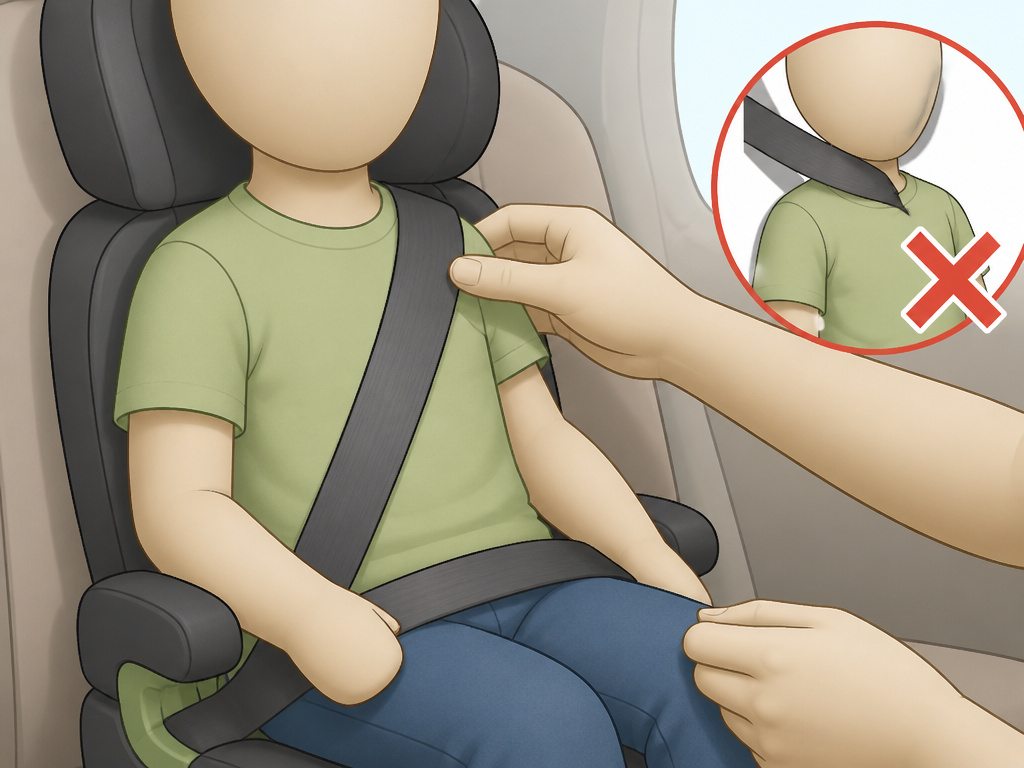
Switching from a harness to a booster isn’t just about removing the internal straps. It’s about ensuring the adult seat belt fits the child correctly. A booster’s only job is to position the vehicle belt.
Follow this sequence. Skipping the fit test is how kids end up with the shoulder belt across their neck, leading them to tuck it behind their back, which is dangerous.
- Confirm the child is ready. They must be at least 4 years old (per most seat rules and safety recommendations) and mature enough to sit properly for the entire ride without slouching, leaning, or unbuckling.
- Convert the seat per its manual. This usually involves removing the harness straps from the routing slots and storing them, and adjusting the headrest to a higher booster position.
- Install the booster in the vehicle. A booster is not installed with LATCH or the seat belt in the same way. It simply sits on the vehicle seat. Some models have optional LATCH connectors to prevent them from becoming projectiles when empty, use them if available.
- Perform the 5-Step Seat Belt Fit Test. With the child sitting in the booster:
- Lap Belt: Lies low and snug across the upper thighs, not the soft abdomen.
- Shoulder Belt: Crosses the center of the chest and shoulder, not cutting across the neck or face.
- Child’s Back: Is flat against the vehicle seat back.
- Child’s Knees: Bend comfortably at the edge of the vehicle seat.
- Child’s Feet: Rest flat on the floor.
If the belt doesn’t fit right, the child is not ready for a booster. You may need a different booster style. A high-back booster can often provide better belt guidance than a backless one, especially in vehicles with low seat backs. Our guide on how to install a booster car seat walks through securing both types.
High-Back vs. Backless Booster: Which One Now?
This is the natural next question after the harness. The choice isn’t about age; it’s about your vehicle and your child’s posture.
Choose a high-back booster if your vehicle seats have low seat backs or no head restraints. The high back provides crucial head and neck support in a side-impact crash and has built-in belt guides to route the shoulder belt correctly. It’s the default choice for most kids newly out of a harness.
Choose a backless booster only when the vehicle seat has a head restraint that supports at least up to the child’s ears, and the child can maintain proper sitting posture 100% of the time. It’s a later-stage booster.
The safety performance of a properly used booster is excellent. The safety of booster seats is well-documented when the child fits correctly and the belt is positioned properly. The risk comes from moving to a booster too early, before the child has the maturity to sit still.
What If My Child Is Too Big But Not Old Enough?
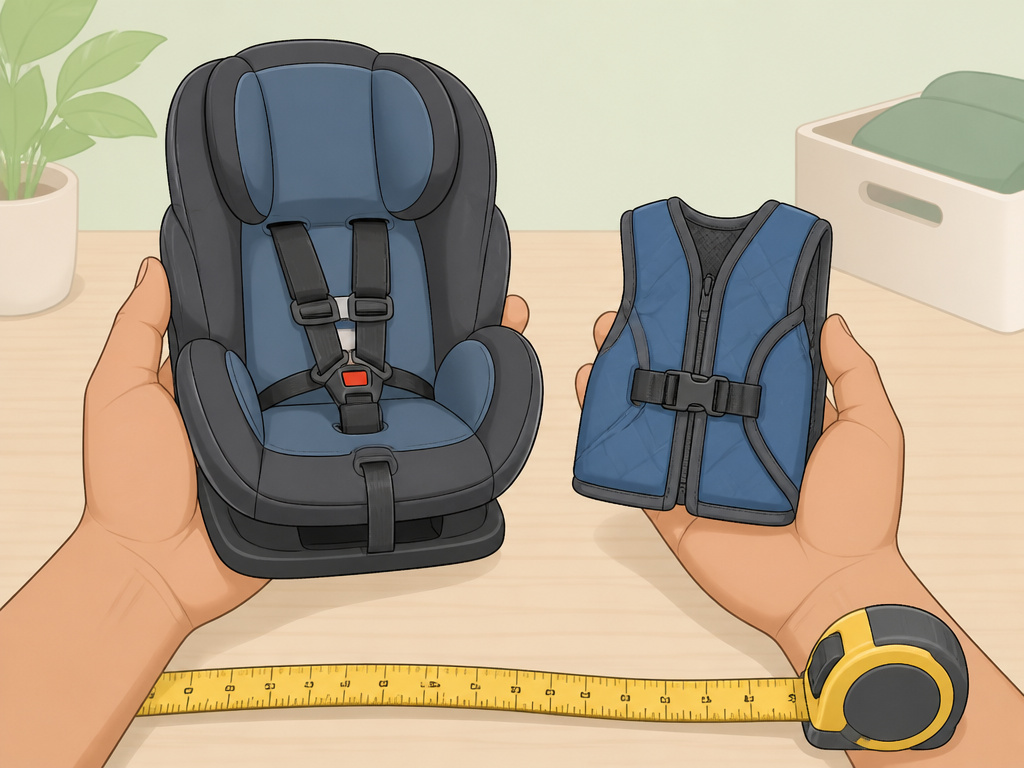
This is the toughest scenario, and it’s why reading your manual early is critical. For seats with a “must be 4 years old to use in booster mode” rule (like the Evenflo models cited earlier), a large 3-year-old who exceeds the harness limits creates a problem.
You have two paths, and both involve buying a new seat:
- Find a harness seat with higher limits. Some dedicated forward-facing harness seats (often called “combination seats” or “harness-2-boosters”) have harness weight limits up to 90 pounds. This lets you keep your not-yet-mature child in a safer five-point harness until they’re ready for a booster.
- Use a travel vest. A certified travel vest used with a top tether anchor can be an option for children over a certain weight and age, especially in vehicles with only lap belts. They require strict adherence to the manufacturer’s instructions.
The goal is to keep the child in the most protective, appropriate restraint for their size and maturity. Don’t rush the transition to a booster because of a growth spurt. Plan for it by knowing your seat’s limits before you hit them.
Frequently Asked Questions
My child is 5 but small. Can they stay in the harness past the height limit if they’re under the weight?
No. You must follow all the manufacturer’s limits, height, weight, and shoulder height. If the harness straps are below their shoulders or their ears are above the headrest, the harness is no longer safe regardless of weight. The seat’s protective geometry is compromised.
I switched to booster mode, but the seat belt fits terribly. What now?
First, ensure you’ve converted the seat correctly per the manual. If the belt still rides on the neck, try a different seating position in the vehicle or a different booster model. A high-back booster with adjustable belt guides often solves this. If the lap belt rides up on the belly, the child may not be mature enough to sit correctly, and you may need to return to a harness seat.
Is it legal to use a booster seat for a 4-year-old?
Legality is based on your state’s child passenger safety laws, which typically require a child to be in a child restraint system until a certain age, height, or weight. Most state laws are minimums. Best practice, as outlined by the American Academy of Pediatrics and the CHOP car seat age guide, is to keep a child in a forward-facing harness to the maximum limits of their seat, which often takes them past their 5th birthday.
Can I just use the car’s seat belt without a booster?
Only when the child passes the 5-step fit test without a booster. This usually happens when they are about 4 feet 9 inches tall and between 8 and 12 years old. The lap belt must lie on the upper thighs, the shoulder belt on the chest, their back must be against the seat, knees bent at the edge, and feet flat on the floor.
How do I know if my car seat is installed correctly after switching from LATCH to seat belt?
The same rules apply for a tight car seat installation. When installed with a seat belt, the seat should not move more than one inch side-to-side or front-to-back at the belt path. Always use the top tether for a forward-facing seat, whether installed with LATCH or seat belt, as it reduces head excursion by up to 6 inches.
Before You Go
The decision to stop using the harness comes down to the hard numbers in your manual and the physical evidence on your child. Weight and height limits are clear lines. The shoulder test is the daily checkpoint you can’t ignore.
Remember the sequence: max out the harness first, then move to a booster only when the child fits the vehicle belt properly and has the maturity to stay positioned. For many kids, that’s not the day they turn 4 or hit 65 pounds, it’s months or even years later. Your seat’s manual, not a generic guideline, holds the specific schedule for your child’s safety.
