
Know When to Move from Car Seat to Booster: Expert Advice
This post contains affiliate links. As an Amazon Associate, we earn from qualifying purchases.
Move from a car seat to a booster seat only when your child meets all four criteria: they have reached the top weight or height limit of their forward-facing harness (typically 40-65 lbs and up to 54 inches), are at least 4-5 years old, can sit properly 100% of the time, and pass the seat belt fit test. Rushing this transition is the most common safety mistake parents make.
The seat belt fit test is the whole game. It’s not about a birthday or a vague feeling. It’s about the lap belt lying snugly across the upper thighs, never the stomach, and the shoulder belt crossing the center of the shoulder and chest, not the neck. If the belt touches the neck or rides up on the belly, the child is not ready. An adult seat belt is engineered for a 165-pound male; on a small child, it becomes a blunt instrument in a crash.
What follows is the breakdown of those four readiness signs, the specific numbers from leading seat manuals, and the one consequence most guides don’t mention until a child gets hurt.
Key Takeaways
- The law sets a minimum (often age 8 or 4’9″), but safety says wait for the seat’s maximum harness limits first, usually between 40 and 65 pounds.
- Maturity is a non-negotiable manufacturer requirement. A child who slouches, puts the belt behind their back, or unbuckles is not booster-ready.
- The seat belt fit test is your final exam: lap belt on hips/thighs, shoulder belt centered on shoulder/chest.
- Transitioning too early moves the crash forces from the strong bones of the pelvis and collarbone to the soft abdomen and neck, increasing internal injury risk.
The 4-Step Readiness Checklist (Weight, Height, Maturity, Fit)
Forget age alone. Your car’s manual and your car seat’s manual hold the real answers. The process is a checklist, not a race.
A child is ready for a booster seat when they have outgrown the weight or height limit of their forward-facing harnesses, which is typically between 40 and 65 pounds. Children should use belt-positioning booster seats until they are at least 4’9″ and between 8 and 12 years old. Safety belts are designed for 165-pound male adults. – California Highway Patrol Child Safety Seat Program
1. Weight & Height: The Hard Numbers
Check your forward-facing car seat’s label. The upper limit is the gatekeeper. For popular combination seats, the harness mode ends well before the booster mode begins, creating a clear switch point.
| Car Seat Model | Harness Mode Limit | Booster Mode Minimum |
|---|---|---|
| Chicco MyFit | 65 lbs, 54 inches | 40 lbs, 44 inches, age 4+ |
| Evenflo Chase | 40 lbs, 50 inches | 40 lbs, 43.3 inches, age 4+ |
| Graco Tranzitions | 65 lbs, 52 inches | 40 lbs, 43 inches, age 4+ |
The gap between the harness maximum and booster minimum is intentional. It forces a pause. If your child hits 40 pounds but is only 3 years old, they stay in the harness. The bones and muscle development aren’t there yet.
2. Age: The Skeleton Factor
Most booster seats require a minimum age of 4, and for good reason. A toddler’s hip bones (the iliac crests) are still forming. The lap belt needs those solid hip bones to stay low. On a younger child, it rides up onto the soft abdomen. In a crash, that can cause severe internal injuries. Four is the absolute floor, not the target.
3. Maturity: The Wild Card
This is the rule every manual prints but few parents weight enough. The Chicco MyFit manual states a child must “demonstrate an ability to sit relatively still and properly in a seat belt at all times.” The Evenflo Chase manual says the child must be “mature enough… not put belts under their arm or behind their back.”
What does failure look like? A child who slouches to watch a tablet, who unbuckles because the belt feels tight, or who tucks the shoulder belt behind them. In a sudden stop or crash, that child becomes a projectile. If you’re still repeating “sit up straight” on every car trip, they’re not ready.
4. The Seat Belt Fit Test
This is the final, non-negotiable step. Place your child in the booster in the back seat and buckle the vehicle’s lap-shoulder belt. * Lap Belt: Must lie snugly across the upper thighs or top of the hips. If it touches the stomach, they fail. * Shoulder Belt: Must cross the center of the shoulder and chest. If it cuts across the neck or face, or if the child can slip it behind their back easily, they fail. * Knee Bend: Their knees should bend comfortably at the seat’s edge. Slouching to achieve this means the booster isn’t a good fit.
If they pass all four, you can proceed. If they fail even one, keep them in the harness. It’s that simple.
Why Rushing from Harness to Booster is a Serious Risk
Each transition, rear-facing to forward-facing, harness to booster, reduces protection. A five-point harness distributes crash forces across the strongest parts of a child’s body: the shoulders, chest, and hips. It holds them in the optimal position.
A booster seat’s only job is to position the adult seat belt correctly. It provides no crash protection on its own. If the child is immature or the belt doesn’t fit, the system fails.
Where this goes sideways: Moving a child to a booster before their hip bones are developed. The lap belt rides up onto the soft abdominal area. In a frontal crash, that belt loads the liver, spleen, and intestines instead of the pelvic bones, dramatically increasing the risk of internal injuries.
The NHTSA car seat safety guidelines emphasize keeping a child in a forward-facing harness until they reach the seat’s top height or weight limit for this exact reason. The harness is the safer restraint for as long as it fits.
How to Convert a Combination Seat to Booster Mode
Many parents use a “combination” or “all-in-one” seat like the Chicco MyFit or Graco Tranzitions. These convert from a car seat with a harness to a belt-positioning booster. The process is specific to your model, but follows a general pattern.
- Remove the Harness: Consult your manual. For many seats, this involves loosening the harness fully, detaching it from the splitter plate behind the seat, and pulling the straps through the headrest slots.
- Store the Harness: Some seats have a dedicated storage compartment. Never leave the harness straps dangling.
- Adjust the Headrest & Belt Guide: Raise the headrest so the shoulder belt guide is level with, or slightly above, your child’s shoulders. The belt must feed through this guide smoothly.
- Secure the Empty Seat: If your seat has LATCH connectors in booster mode, use them to secure the empty booster to the vehicle. If not, always buckle the empty booster seat with the vehicle seat belt to prevent it from becoming a projectile.
Always, always re-read your specific seat’s manual. The car seat conversion process for a Britax is different from a Chicco.
High-Back vs. Backless Booster: Which Comes First?
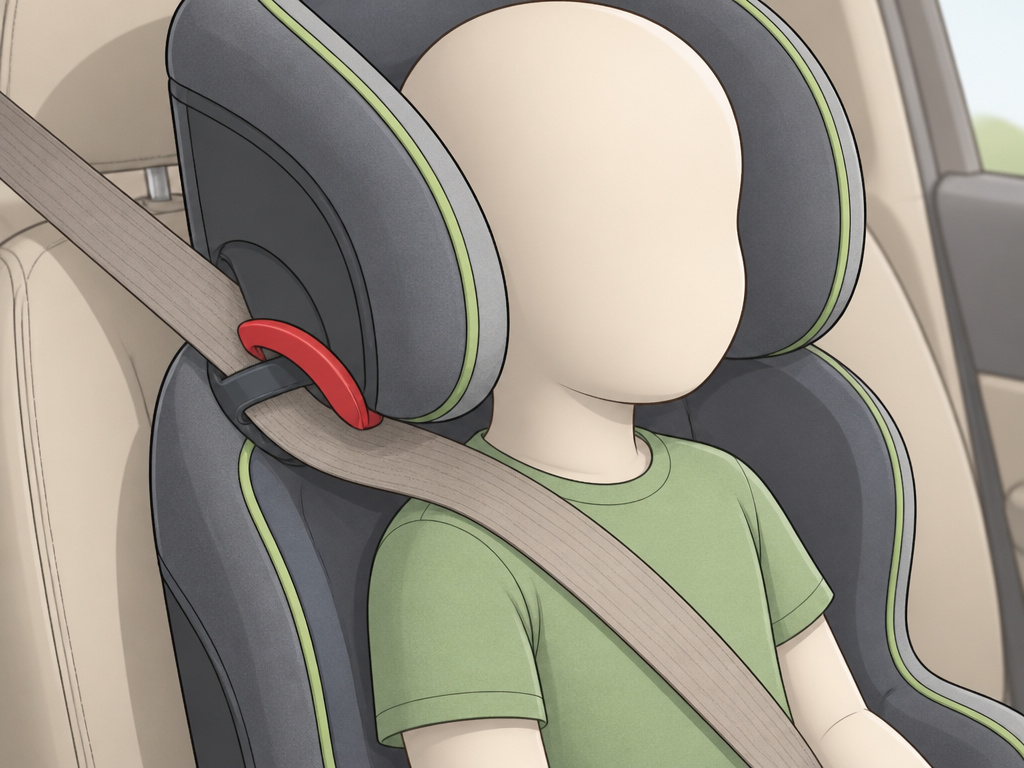
Once you’ve decided to make the move, you face another choice. A high-back booster provides head and neck support, especially in vehicles with low seat backs or no headrests. It also has built-in shoulder belt guides to improve fit. A backless booster is portable and often cheaper, but relies entirely on the vehicle’s seat for head support.
| Booster Type | Best For | Risk If Chosen Too Early |
|---|---|---|
| High-Back | First booster step; cars with low seat backs; longer trips | Less risk if child falls asleep; belt fit is more controlled. |
| Backless | Older, taller kids (often 8+); carpools; second vehicles | No side-impact or head support; belt fit depends entirely on vehicle seat. |
The consensus is clear: start with a high-back booster seat. It offers more protection and better belt guidance. Move to a backless booster only when your child passes the five-step test and the vehicle seat provides adequate head support behind them.
Booster Seat Installation: LATCH or Seat Belt?
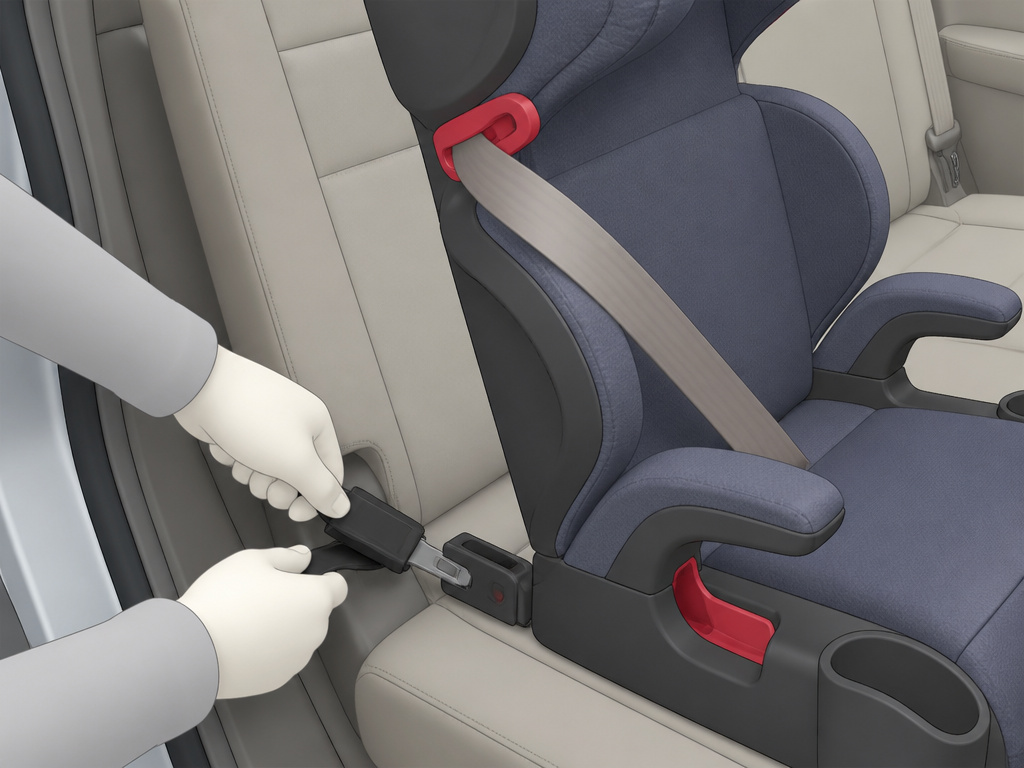
A common misconception is that booster seats don’t need to be installed. When occupied by a child, the vehicle’s seat belt holds both the child and the seat in place. However, when empty, that booster becomes a 15-pound missile in your back seat.
Most modern high-back boosters offer LATCH connectors for this exact purpose. They let you secure the empty seat to the vehicle, so it doesn’t fly around. It’s a convenience and safety feature. Whether you use LATCH or the seat belt to secure the empty seat, the proper booster seat installation with a seat belt for your child is the critical task.
The general booster seat installation steps are straightforward: place it in the back seat, ensure it sits flat, thread the seat belt through the guide, and buckle. The real work is in the fit check on your child every single time.
When is a Child Finally Ready for the Seat Belt Alone?
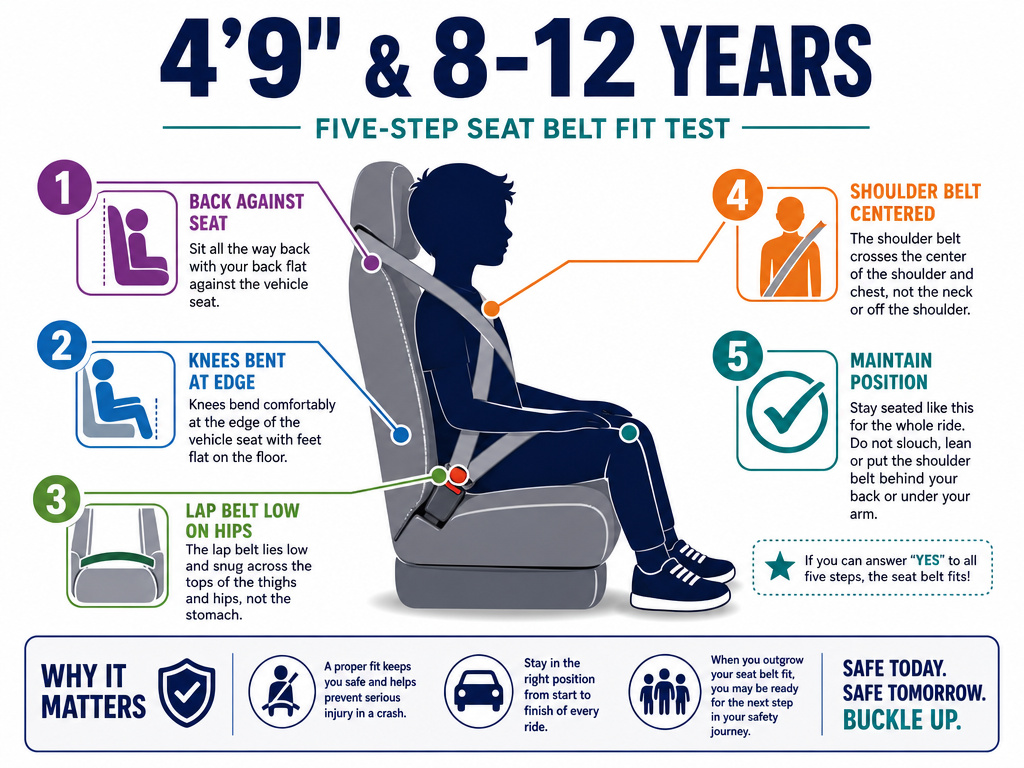
This is the last graduation. The California Highway Patrol child seat guide states the benchmark is 4’9” and between 8 and 12 years old. Most kids reach this between ages 10-12. They must pass the five-step test in the vehicle seat without a booster:
- Back against the vehicle seat back.
- Knees bent at the edge of the seat.
- Lap belt low on hips/top of thighs.
- Shoulder belt centered on shoulder/chest.
- Can maintain this position for the entire trip.
If they still slouch or the belt rides up, they go back into the booster. There’s no shame in it. Safety isn’t about milestones; it’s about fit.
Frequently Asked Questions
My 5-year-old is 45 pounds. Can I switch to a booster?
Check their height and maturity. If they are at least 44 inches tall and can sit properly 100% of the time, they likely meet the minimum for a booster like the Chicco MyFit. However, if their forward-facing harness seat goes to 50 or 65 pounds, the safer choice is to keep them harnessed longer. The key distinctions between a car seat and a booster come down to restraint versus positioning.
What’s the law in my state?
All states require booster seats, but the age, height, and weight thresholds vary. Most use either age 8 or height 4’9” as the minimum to use a seat belt alone. The law is the minimum standard, not the safety standard. Always follow your car seat manufacturer’s limits, which are often stricter. You can find a clear booster seat safety comparison that explains why.
Are booster seats as safe as car seats?
When used correctly for a child who is ready, a booster seat is the appropriate and safe next step. However, a five-point harness provides more protection for a child who still fits within its limits. It’s about using the right restraint at the right time. For a child who has outgrown an infant seat but is too small for a booster, a forward-facing harness is the safest option.
My child hates the harness and wants a “big kid” seat. What do I do?
Stay firm. Explain that the harness keeps them safe, just like a helmet on a bike. You wouldn’t let them ride without a helmet because it’s uncomfortable. Involve them in checking the fit and picking out their next high-back booster when the time comes, but don’t let pestering dictate safety.
How do I know if my child has outgrown their booster?
They pass the five-step seat belt test without it. If the vehicle lap belt fits low on their hips and the shoulder belt crosses their chest correctly while they sit all the way back, the booster has done its job. Until then, keep using it. Refer to your seat’s manual for its upper height and weight limits, most boosters go to 57 inches and 100-120 pounds.
The Bottom Line
The timeline from harness to booster isn’t set by the calendar. It’s set by your child’s size, bone development, and ability to sit correctly. Use the harness until the label says stop. Then use a high-back booster until the seat belt fits alone. The goal isn’t to move up quickly, but to keep them in the most protective restraint for as long as possible. When in doubt, check the fit. And when you’re ready to shop, our booster seat recommendations focus on models that make correct installation and a proper fit easier to achieve.
